Legislative Activity
Track Brad's sponsored bills, co-sponsored legislation, and voting record
This resolution condemns the Trump administration for using the unauthorized messaging platform "Signal" to communicate highly sensitive or potentially classified information regarding a U.S. military operation, demanding immediate investigation and accountability.
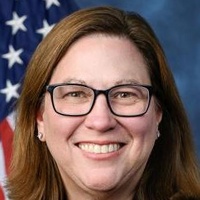
Julie Johnson
Representative
TX
Julie Johnson
Representative
TX
This resolution formally condemns the Trump administration for allegedly using the unauthorized messaging platform "Signal" to discuss highly sensitive or potentially classified details regarding a U.S. military operation. The bill expresses grave concern that this practice risks national security by bypassing secure government record-keeping and exposing vital information to foreign adversaries like China and Russia. It demands an immediate review of all communication procedures and calls for accountability for any officials who violated federal laws regarding classified material handling.
This resolution demands the President provide the House with detailed documents regarding the access granted to Department of Government Efficiency staff and advisers to the Bureau of Consumer Financial Protection's systems and data.

Maxine Waters
Representative
CA
Maxine Waters
Representative
CA
This resolution is an inquiry demanding the President provide detailed documents regarding the access granted to staff and advisers of the Department of Government Efficiency (DOGE) to the systems and data of the Bureau of Consumer Financial Protection (BCFP). Congress seeks comprehensive information on personnel backgrounds, specific system permissions, data movement, and the approval processes used for this access. The request also mandates documentation on conflict of interest reviews and current BCFP staffing levels.
This Act mandates a GAO study to assess the feasibility and structure of a federal voluntary property buyout program for homes in high-risk wildfire areas.
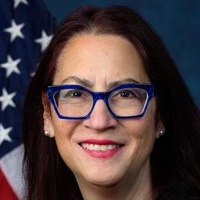
Laura Friedman
Representative
CA
Laura Friedman
Representative
CA
The Wildfire Homeowner Relief Act directs the Government Accountability Office (GAO) to conduct a comprehensive study on the feasibility of establishing a federal program to voluntarily buy out homes in high-risk wildfire areas. This study must analyze existing federal buyout programs and recommend how a new wildfire buyout initiative should be structured, managed, and funded. The GAO is required to submit a full report with its findings and recommendations to Congress within one year.
This Act raises the minimum age for Federal Firearms Licensees to sell certain semiautomatic rifles and shotguns to 21, with exceptions for qualified individuals aged 18-20, and mandates an FBI report on its public access line operations.
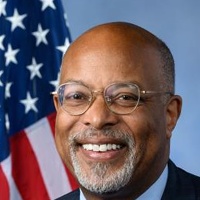
Glenn Ivey
Representative
MD
Glenn Ivey
Representative
MD
The Raise the Age Act of 2025 generally prohibits Federal Firearms Licensees from selling certain semiautomatic centerfire rifles or shotguns capable of holding magazines over five rounds to anyone under 21, with exceptions for qualified military or government personnel. The bill also maintains the existing minimum age of 18 for general firearm purchases, excluding the newly restricted categories. Finally, it mandates that the FBI Director report on the operational procedures of its public access line within 90 days of enactment.
This resolution demands the President and Secretary of State swiftly transmit all records related to Houthi strikes and the disclosure of confidential information to a journalist via the Signal application.
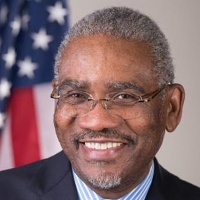
Gregory Meeks
Representative
NY
Gregory Meeks
Representative
NY
This resolution is an official request demanding the President and the Secretary of State immediately transmit all records related to strikes against the Houthis in Yemen and the disclosure of confidential information to a journalist. Specifically, it seeks documents created on or after January 20, 2025, concerning sensitive communications, including Signal chats involving a journalist, and the legal justification for the military actions. Congress requires these documents, which may include AI transcripts and meeting notes, within 14 days of the resolution's passage.
This Act establishes a special refugee processing pathway for persecuted Uyghurs and other minorities from China's Xinjiang region and clarifies asylum standards for Chinese nationals facing government retaliation.
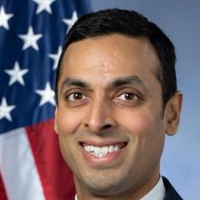
Suhas Subramanyam
Representative
VA
Suhas Subramanyam
Representative
VA
The Uyghur Human Rights Protection Act establishes a special Priority 2 refugee processing pathway for individuals facing persecution by the Chinese government in the Xinjiang Uyghur Autonomous Region (XUAR). It eases certain immigration hurdles for these applicants and clarifies that actions taken by the PRC against those seeking U.S. benefits can be considered persecution based on political opinion. Furthermore, the Act encourages U.S. allies to create similar accommodations for those fleeing the situation in XUAR. This legislation is set to terminate ten years after its enactment.
The Paycheck Fairness Act strengthens equal pay enforcement by tightening defenses against pay discrimination, expanding protections against retaliation, increasing penalties for violations, and requiring comprehensive data collection and training initiatives.

Rosa DeLauro
Representative
CT
Rosa DeLauro
Representative
CT
The Paycheck Fairness Act significantly strengthens federal equal pay protections by broadening definitions of sex discrimination, tightening employer defenses against pay disparities, and increasing penalties for violations. It also prohibits employers from using salary history in hiring decisions and mandates new data collection by the EEOC to better enforce anti-discrimination laws. Furthermore, the bill establishes new training and outreach programs to combat systemic wage bias.
This Act ensures the Office of Special Education Programs remains within the Department of Education and prohibits any reorganization, relocation, or outsourcing of its functions related to the Individuals with Disabilities Education Act.
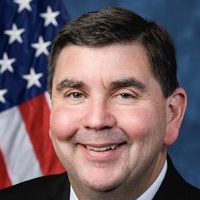
John Mannion
Representative
NY
John Mannion
Representative
NY
The Protecting Students with Disabilities Act reaffirms that the Office of Special Education Programs (OSEP) must remain within the Department of Education as mandated by existing law. This legislation explicitly prohibits the executive branch from eliminating, reorganizing, or moving IDEA program offices or staff. Furthermore, it prevents the delegation of IDEA program management or enforcement duties to any entity outside the Department of Education.
This bill officially ratifies the Equal Rights Amendment, validating its inclusion in the Constitution regardless of any prior ratification deadlines.
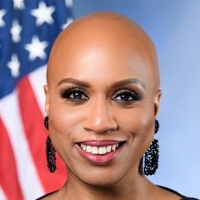
Ayanna Pressley
Representative
MA
Ayanna Pressley
Representative
MA
This bill officially ratifies the Equal Rights Amendment, declaring it a valid part of the U.S. Constitution. It specifically removes any previously imposed deadlines for state ratification. If three-fourths of the states have approved the amendment, this law confirms its official status regardless of past time constraints.
This resolution expresses Congressional support for designating Iranian American Heritage Month to recognize the community's significant cultural, economic, and scientific contributions to the United States.
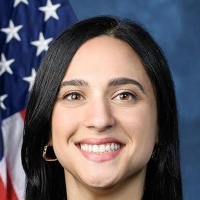
Yassamin Ansari
Representative
AZ
Yassamin Ansari
Representative
AZ
This resolution expresses the strong support of Congress for designating an Iranian American Heritage Month. It recognizes the significant cultural, economic, and scientific contributions of the Iranian-American community to the United States. The bill encourages nationwide celebration of this heritage, including traditions like Nowruz. Furthermore, it affirms support for the Iranian people's pursuit of freedom and democracy.
This resolution officially recognizes the cultural and historical significance of Nowruz, celebrating the Iranian New Year while supporting the human rights and freedoms of the Iranian people.
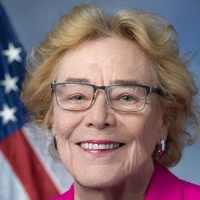
Zoe Lofgren
Representative
CA
Zoe Lofgren
Representative
CA
This resolution officially recognizes the cultural and historical significance of Nowruz, the traditional Iranian New Year celebrated by millions worldwide. Congress acknowledges the enduring contributions of Persian civilization and Iranian Americans to the United States. Furthermore, the resolution supports the Iranian people's pursuit of fundamental human rights, including freedom of expression and internet access.
This Act simplifies disaster assistance by removing the requirement to check all potential funding sources when preventing duplicate benefit payments for the same loss.
Laura Friedman
Representative
CA
Laura Friedman
Representative
CA
The Don't Penalize Victims Act simplifies the process for determining eligibility for federal disaster assistance. It removes language that required agencies to check every potential funding source to prevent duplication of benefits. This change streamlines aid distribution by focusing on preventing double payments for the same disaster loss.
The Puppy Protection Act of 2025 establishes stricter housing, daily care, veterinary, and breeding standards for dog dealers under the Animal Welfare Act.
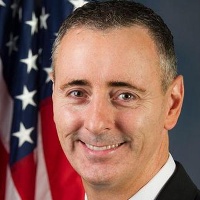
Brian Fitzpatrick
Representative
PA
Brian Fitzpatrick
Representative
PA
The Puppy Protection Act of 2025 significantly increases humane treatment standards for dog dealers under the Animal Welfare Act. This legislation mandates specific minimum space requirements, daily exercise access, and mandatory socialization for housed dogs. Furthermore, it establishes strict limits on female dog breeding frequency and age, alongside enhanced veterinary care protocols.
The HELPER Act of 2025 establishes a new FHA mortgage insurance program offering 100% financing with an upfront premium and no monthly premiums for eligible first responders, educators, and law enforcement officers.
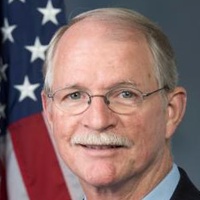
John Rutherford
Representative
FL
John Rutherford
Representative
FL
The HELPER Act of 2025 establishes a new FHA mortgage insurance program to assist first responders, educators, and law enforcement officers in purchasing homes. This program offers eligible first-time homebuyers 100% financing with no down payment required. Instead of monthly premiums, borrowers pay an upfront FHA insurance premium at closing.
The Major Richard Star Act ensures that military retirees with combat-related disabilities can concurrently receive their full military retirement pay and VA disability compensation without reduction.

Gus Bilirakis
Representative
FL
Gus Bilirakis
Representative
FL
The Major Richard Star Act ensures that military retirees with combat-related disabilities can receive both their military retirement pay and VA disability compensation concurrently without reduction. This law removes previous restrictions that caused military retirement pay to be offset by VA disability payments for these specific cases. The changes take effect on the first day of the month following the Act's enactment.
This bill allows investors to defer taxes on capital gain dividends from mutual funds when those dividends are automatically reinvested until the shares are sold or the investor passes away.
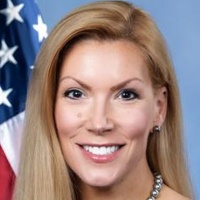
Beth Van Duyne
Representative
TX
Beth Van Duyne
Representative
TX
This bill, the Generating Retirement Ownership through Long-Term Holding Act, allows individual investors to defer paying taxes on capital gain dividends from mutual funds if those dividends are automatically reinvested into more fund shares. Taxes on these deferred gains are only due when the investor sells the shares or upon death. This provision aims to encourage long-term investment in mutual funds by providing immediate tax relief on reinvested earnings.
This Act eliminates the waiting periods for Social Security disability benefits and Medicare coverage for individuals diagnosed with metastatic breast cancer.
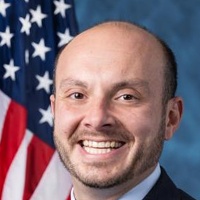
Andrew Garbarino
Representative
NY
Andrew Garbarino
Representative
NY
The Metastatic Breast Cancer Access to Care Act aims to improve support for individuals diagnosed with metastatic breast cancer. This bill eliminates the standard waiting period for receiving Social Security disability insurance benefits and waives the 24-month waiting period for Medicare coverage. These changes ensure immediate access to crucial financial and healthcare support upon diagnosis.
This Act converts Transportation Security Administration (TSA) personnel to standard federal employment rules under Title 5, establishes transition protections, mandates workforce reviews, and addresses labor relations and employee safety.
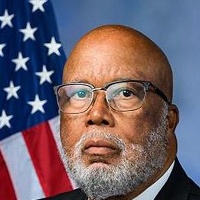
Bennie Thompson
Representative
MS
Bennie Thompson
Representative
MS
The Rights for the Transportation Security Administration Workforce Act transitions TSA personnel to standard federal employment rules under Title 5 of the U.S. Code by a set date no later than December 31, 2025. This mandates the freezing of current personnel policies during the transition while protecting current employee pay and benefits. The bill also requires extensive reviews by the Comptroller General on hiring, diversity, and workplace safety, and mandates consultation with employee representatives regarding labor relations. Finally, it ensures that screening agents retain collective bargaining rights and addresses specific concerns for Federal Air Marshals.
The Stop Comstock Act streamlines federal statutes by removing outdated and redundant language concerning "indecent" or "immoral" materials, focusing legal definitions on "obscene materials."

Becca Balint
Representative
VT
Becca Balint
Representative
VT
The Stop Comstock Act aims to modernize and streamline federal statutes concerning obscene materials. It revises several sections of federal law, including those related to crimes, transportation, and importation, by removing outdated or redundant language like "indecent" or "immoral." This legislative cleanup focuses the legal definitions to center specifically on "obscene materials."
The Medicare Dental, Vision, and Hearing Benefit Act of 2025 adds comprehensive dental, vision, and hearing care, including hearing aids, to Medicare coverage starting in 2026 while also mandating the inclusion of an oral health professional on the U.S. Preventive Services Task Force.

Lloyd Doggett
Representative
TX
Lloyd Doggett
Representative
TX
The Medicare Dental, Vision, and Hearing Benefit Act of 2025 significantly expands Medicare coverage to include comprehensive dental, vision, and hearing services starting in 2026. This legislation outlines specific payment schedules, frequency limits, and coverage percentages for routine exams, procedures, eyeglasses, contact lenses, and hearing aids. Furthermore, the bill mandates the inclusion of an oral health professional on the United States Preventive Services Task Force.