Legislative Activity
Track Brad's sponsored bills, co-sponsored legislation, and voting record
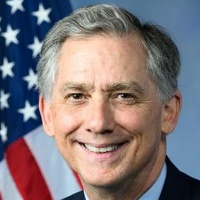
This resolution recognizes the 80th anniversary of the Fulbright Program and celebrates its enduring impact on international diplomacy, education, and cultural exchange.
J. Hill
Representative
AR
J. Hill
Representative
AR
This resolution recognizes the 80th anniversary of the Fulbright Program, celebrating its legacy of promoting international goodwill through educational and cultural exchange. It highlights the program's significant global impact and its role in advancing U.S. foreign policy and national security. Furthermore, the bill encourages continued congressional support for these exchanges and honors the achievements of Fulbright alumni worldwide.
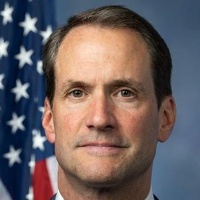
The NO PROFIT Act prohibits government officials and their families from providing, and social media platforms from selling, prioritized access to non-public information that could be used for unfair financial gain in trading markets.
James Himes
Representative
CT
James Himes
Representative
CT
The "NO PROFIT Act" prohibits government officials and their families from providing, and social media platforms from selling, "prioritized access" to non-public information shared on social media. It bars individuals from trading securities, commodities, or derivatives based on such privileged information before it becomes available to the general public. The bill empowers the SEC and CFTC to enforce these trading prohibitions and establishes civil penalties for platforms that facilitate restricted access.
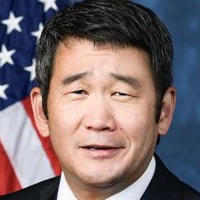
This bill designates the United States Postal Service facility located at 15642 Sand Canyon Avenue in Irvine, California, as the "Mary Kageyama Nomura Post Office Building."
Dave Min
Representative
CA
Dave Min
Representative
CA
This bill designates the United States Postal Service facility located at 15642 Sand Canyon Avenue in Irvine, California, as the "Mary Kageyama Nomura Post Office Building."
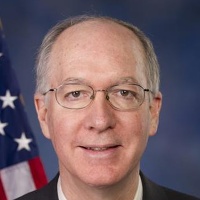
The Federal Naming Standards Act prohibits naming federal buildings, facilities, or programs after elected officials or political appointees until at least 10 years after they leave office.
Bill Foster
Representative
IL
Bill Foster
Representative
IL
The Federal Naming Standards Act prohibits federal buildings, facilities, and programs from being named after elected officials or political appointees until at least 10 years after they leave office. This legislation aims to prevent the politicization of public property by establishing strict waiting periods and oversight by agency inspectors general. It includes specific exemptions for deceased individuals and historical or educational contexts.
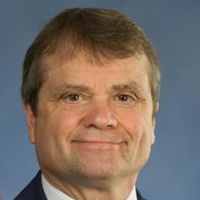
This bill reauthorizes the Accelerating Access to Critical Therapies for ALS Act through 2031 while enhancing grant oversight, safety reporting requirements, and FDA strategic planning for rare neurodegenerative diseases.
Mike Quigley
Representative
IL
Mike Quigley
Representative
IL
The Accelerating Access to Critical Therapies for ALS Reauthorization Act of 2026 extends vital funding for ALS research and clinical trial programs through 2031. This legislation strengthens oversight by enhancing grant review processes, improving safety reporting requirements, and mandating a comprehensive five-year FDA action plan to accelerate the development of treatments for rare neurodegenerative diseases.
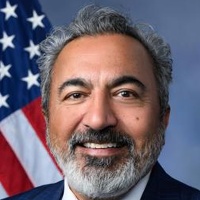
This bill establishes stricter oversight, transparency requirements, and procedural protections for reductions in force and policy changes across key federal foreign affairs agencies.
Ami Bera
Representative
CA
Ami Bera
Representative
CA
The Protecting America’s Diplomatic Workforce Act establishes stricter oversight and transparency requirements for significant staff reductions across major U.S. foreign affairs agencies. The bill mandates congressional notification for large-scale layoffs, updates retention procedures for Foreign Service members, and ensures advance notice for personnel changes. These measures aim to protect the stability and effectiveness of the nation’s diplomatic and international development workforce.
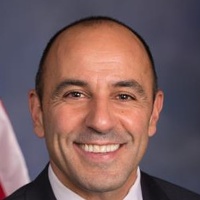
This bill designates the Department of Veterans Affairs community-based outpatient clinic in San Jose, California, as the "Corporal Patrick D. Tillman VA Clinic."
Jimmy Panetta
Representative
CA
Jimmy Panetta
Representative
CA
This bill designates the Department of Veterans Affairs community-based outpatient clinic in San Jose, California, as the "Corporal Patrick D. Tillman VA Clinic." This renaming honors the legacy of Pat Tillman, a San Jose native and former NFL player who left his professional career to serve as an Army Ranger and made the ultimate sacrifice for his country.
This bill mandates electronic prior authorization, increases transparency through required data reporting, and establishes faster decision timelines for Medicare Advantage plans to improve timely access to care for seniors.
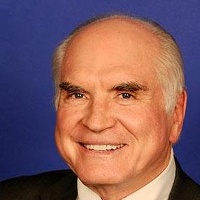
Mike Kelly
Representative
PA
Mike Kelly
Representative
PA
The Improving Seniors’ Timely Access to Care Act of 2025 aims to streamline and modernize the prior authorization process within Medicare Advantage plans. This bill mandates the adoption of electronic prior authorization systems and significantly increases transparency regarding approval rates and decision times starting in 2027. Furthermore, it establishes new enrollee protections and grants the Secretary authority to enforce faster decision timeframes for medical services.
This resolution designates July 10th as Journeyman Lineworkers Recognition Day to honor the essential service and sacrifices of the professionals who maintain our nation’s power grid.
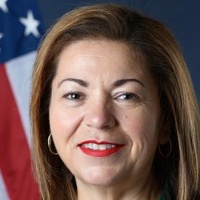
Linda Sánchez
Representative
CA
Linda Sánchez
Representative
CA
This resolution designates July 10th as Journeyman Lineworkers Recognition Day to honor the essential, high-risk work performed by these skilled professionals. It pays tribute to the lineworkers who provide critical service during emergencies and recognizes those who have made the ultimate sacrifice in the line of duty.
The **21st Century ROAD to Housing Act** aims to significantly increase housing supply and affordability through regulatory reforms, new financing tools, increased transparency, and restrictions on large institutional home purchases.
J. Hill
Representative
AR
J. Hill
Representative
AR
The **21st Century ROAD to Housing Act** is a comprehensive bill designed to significantly increase housing supply, improve affordability, and modernize federal housing programs. It tackles issues from streamlining construction regulations and incentivizing local zoning reform to restricting large corporate home purchases and enhancing financing for manufactured homes. Ultimately, the Act aims to create more pathways to homeownership and ensure safer, more stable rental conditions across the country.
This bill disapproves and blocks the proposed sale of defense articles and technical services related to F110 engine integration for Turkey's TFX aircraft program.
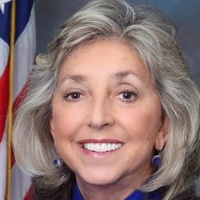
Dina Titus
Representative
NV
Dina Titus
Representative
NV
This bill formally disapproves of a proposed foreign military sale to Turkey involving defense articles and services related to F110 engine integration for TFX aircraft. By blocking this transaction, the legislation prevents the transfer of technical data and support equipment outlined in Transmittal No. 24051.
This bill designates the United States Postal Service facility located at 6444 San Fernando Road in Glendale, California, as the "Paul Ignatius Post Office."
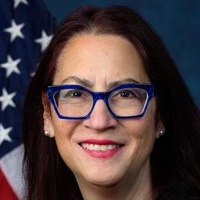
Laura Friedman
Representative
CA
Laura Friedman
Representative
CA
This bill designates the United States Postal Service facility located at 6444 San Fernando Road in Glendale, California, as the "Paul Ignatius Post Office." All official references to this location will henceforth bear this name.
This bill authorizes a single Congressional Gold Medal to honor the individuals who defended Bataan, Corregidor, and other Pacific locations during World War II.
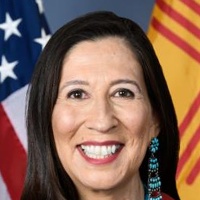
Teresa Leger Fernandez
Representative
NM
Teresa Leger Fernandez
Representative
NM
This bill authorizes the award of a single Congressional Gold Medal to recognize the collective heroism of the individuals who defended Bataan, Corregidor, and other locations in the Pacific theater during World War II. The medal honors the extraordinary sacrifice of U.S. service members and Filipino forces who fought and endured imprisonment by Imperial Japan. Following the presentation, the medal will be permanently displayed at the Smithsonian's National Museum of American History. The legislation also allows for the production and sale of bronze duplicate medals.
The LIFT the BAR Act restores federal public benefit eligibility, including SNAP, Medicaid, and housing assistance, for many lawfully present noncitizens by repealing restrictions from the 1996 welfare law and updating terminology.
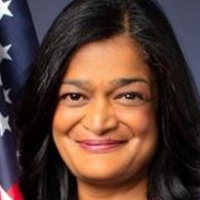
Pramila Jayapal
Representative
WA
Pramila Jayapal
Representative
WA
The LIFT the BAR Act repeals decades-old restrictions that barred many lawfully present noncitizens from accessing essential federal public benefits. This legislation restores eligibility for programs like SNAP, Medicaid, CHIP, and housing assistance for qualified noncitizens. The bill also updates terminology, replacing "alien" with "noncitizen" throughout relevant statutes.
This bill authorizes a Congressional Gold Medal to honor the Americans who rescued and aided Jews and other refugees during the Holocaust.
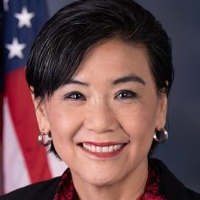
Judy Chu
Representative
CA
Judy Chu
Representative
CA
This bill authorizes the award of a single Congressional Gold Medal to honor the American citizens and organizations who rescued Jews and other refugees from Nazi persecution between 1933 and 1945. The medal recognizes their heroic efforts, which saved tens of thousands of lives during the Holocaust. Following the award, the gold medal will be permanently housed at the United States Holocaust Memorial Museum. The Act also permits the production and sale of duplicate bronze medals to cover production costs.
This resolution commends Taiwan on the 30th anniversary of its first direct presidential election and expresses continued U.S. support for its democratic institutions.
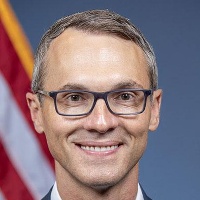
James Walkinshaw
Representative
VA
James Walkinshaw
Representative
VA
This resolution commemorates the 30th anniversary of Taiwan's first direct presidential election in 1996, commending its successful transition to a robust democracy. It expresses strong support for Taiwan in preserving its democratic institutions against external pressure. The resolution reaffirms the enduring U.S. commitment to the U.S.-Taiwan relationship as established by existing policy frameworks.
This resolution honors the life, military valor, and congressional legacy of Charles B. Rangel, recognizing his enduring contributions to the U.S.-Republic of Korea alliance.

Grace Meng
Representative
NY
Grace Meng
Representative
NY
This resolution honors the life and legacy of the late Representative Charles B. Rangel, recognizing his distinguished military service in the Korean War and his decades of dedicated service in Congress. It specifically commends his heroism in battle and his lifelong commitment to strengthening the alliance between the United States and the Republic of Korea. The bill further acknowledges the gratitude expressed by the South Korean National Assembly for his enduring contributions.
This bill establishes a structured process for Puerto Rico to transition to independence, statehood, or a reformed Commonwealth status following a voter plebiscite.
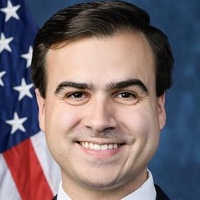
Pablo José Hernández Rivera
Representative
PR
Pablo José Hernández Rivera
Representative
PR
This bill outlines four distinct, mutually exclusive pathways for determining Puerto Rico's future political status: Independence, Commonwealth, Statehood, or Free Association with the United States. Each title establishes a detailed, step-by-step process for transition, including constitutional requirements, transfer of federal property, and the future status of citizenship and federal benefits, contingent upon voter approval for the chosen option. The legislation aims to provide a clear, democratic mechanism for resolving the island's territorial status.
This bill establishes a mandatory timeline and binding arbitration process to expedite the negotiation of first-time collective bargaining agreements between employers and newly certified unions.
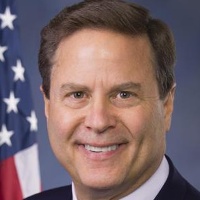
Donald Norcross
Representative
NJ
Donald Norcross
Representative
NJ
The Faster Labor Contracts Act aims to speed up the process of securing a first collective bargaining agreement after a union is certified. It establishes a mandatory timeline, including mediation and binding arbitration, if an agreement is not reached within 90 days of bargaining. This process is designed to prevent lengthy delays that currently weaken the union's position. The bill also requires a GAO report on current time-to-contract averages.
The Jewish American Security Act aims to combat rising antisemitism through enhanced security grants, new protections for Jewish students in education, and increased transparency requirements for online platforms regarding hate speech.

Dan Goldman
Representative
NY
Dan Goldman
Representative
NY
The Jewish American Security Act addresses the rising threat of antisemitism across the nation. This bill mandates new protections for Jewish students in educational settings and significantly increases funding and administrative support for securing Jewish community institutions. Furthermore, it requires increased transparency from large online platforms regarding their moderation of antisemitic content and mandates federal assessments of domestic and transnational antisemitic threats.