Legislative Activity
Track Michael's sponsored bills, co-sponsored legislation, and voting record
This Act reinstates and extends the ability for taxpayers to deduct personal casualty losses from unexpected events like crimes, scams, and disasters without previous limitations.
W. Steube
Representative
FL
W. Steube
Representative
FL
The Tax Relief for Victims of Crimes, Scams, and Disasters Act reinstates and removes limitations on the federal income tax deduction for personal casualty losses resulting from unexpected events like fires or floods. This legislation also extends the deadline for taxpayers to file claims for refunds related to these casualty loss deductions for past tax years. These changes apply to tax years beginning after December 31, 2017.
This resolution formally congratulates His Holiness Pope Leo XIV on his historic election as the first American pontiff of the Holy Roman Catholic Church.
Riley Moore
Representative
WV
Riley Moore
Representative
WV
This resolution formally congratulates His Holiness Pope Leo XIV on his historic election as the 267th pontiff of the Holy Roman Catholic Church. It celebrates the significance of him being the first American-born Pope in the Church's history. The measure also commends his lifelong service, missionary spirit, and dedication to truth and mercy. Finally, it offers prayers for his leadership as he begins his papacy.
The Liberating Incandescent Technology Act of 2025 cleans up and updates outdated definitions and standards within the Energy Policy and Conservation Act concerning general service lamps, while also officially canceling three previous Department of Energy rules on the subject.
Craig Goldman
Representative
TX
Craig Goldman
Representative
TX
The Liberating Incandescent Technology Act of 2025 (LIT Act) cleans up outdated definitions and references related to general service lamps within the Energy Policy and Conservation Act. It formally strikes specific sections and rules previously established by the Department of Energy concerning incandescent lamp standards. This legislative action effectively reserves certain parts of the law for future use and cancels previous DOE regulations on the matter.
This bill disapproves the Department of Energy's submitted rule establishing new energy conservation standards for consumer gas-fired instantaneous water heaters.
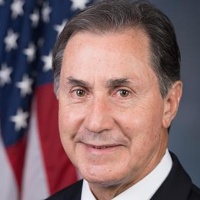
Gary Palmer
Representative
AL
Gary Palmer
Representative
AL
This bill seeks to formally reject a recent rule submitted by the Department of Energy (DOE) concerning new energy conservation standards for consumer gas-fired instantaneous water heaters. By invoking congressional disapproval, the legislation immediately cancels the DOE's proposed efficiency standards. In essence, Congress is overriding the DOE's attempt to implement these specific new regulations for tankless gas water heaters.
This joint resolution disapproves the Department of Energy's submitted rule establishing new energy conservation standards for walk-in coolers and freezers.
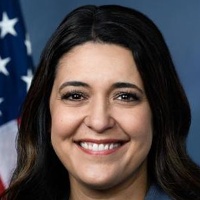
Stephanie Bice
Representative
OK
Stephanie Bice
Representative
OK
This joint resolution expresses the disapproval of Congress regarding a specific rule submitted by the Department of Energy (DOE) concerning energy conservation standards for walk-in coolers and freezers. By utilizing the Congressional Review Act, this measure nullifies the DOE's recently published rule, preventing it from taking effect. Essentially, Congress is overturning the new energy efficiency requirements for commercial refrigeration units.
This Act officially renames the Gulf of Mexico as the Gulf of America across all U.S. laws, maps, and federal documents.
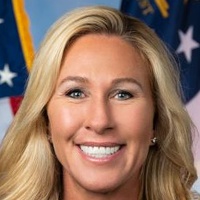
Marjorie Greene
Representative
GA
Marjorie Greene
Representative
GA
The Gulf of America Act officially renames the Gulf of Mexico to the Gulf of America. This change mandates that all federal laws, maps, and official records must immediately reflect the new designation. The Secretary of the Interior is tasked with overseeing the implementation of this name change across all federal agencies within 180 days.
This act modifies the student loan interest deduction limit for married couples filing separately, applying the \$2,500 cap to each spouse individually.
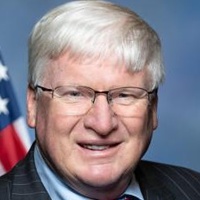
Glenn Grothman
Representative
WI
Glenn Grothman
Representative
WI
The Student Loan Marriage Penalty Elimination Act of 2025 aims to adjust the student loan interest deduction for married couples filing separately. This bill caps the deductible student loan interest at \$2,500 per individual spouse. It ensures that taxpayers cannot claim the same interest amount under multiple deduction provisions.
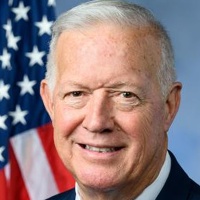
This resolution formally honors mothers, recognizes their essential role in raising the next generation, and explicitly defines motherhood as belonging to women while rejecting alternative terminology.
Randy Weber
Representative
TX
Randy Weber
Representative
TX
This resolution formally honors mothers and recognizes the vital role they play in raising the next generation, coinciding with Mother's Day. It reaffirms that motherhood is defined by women and strongly rejects alternative terminology that diminishes this role. Ultimately, the bill encourages the nation to celebrate the invaluable contributions of mothers to families and the country.
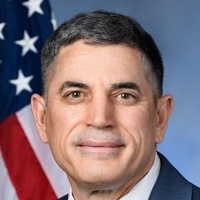
This bill removes federal tax and registration requirements for firearm silencers, preempts certain state regulations, mandates the destruction of existing federal silencer owner records, and updates related definitions and marking requirements.
Andrew Clyde
Representative
GA
Andrew Clyde
Representative
GA
The Constitutional Hearing Protection Act aims to treat firearm silencers equally under federal tax law by updating definitions and removing certain registration requirements if existing firearm laws are followed. The bill also preempts state and local governments from imposing special taxes or registration burdens on silencers. Furthermore, it mandates the destruction of existing federal records identifying silencer owners within one year of enactment.
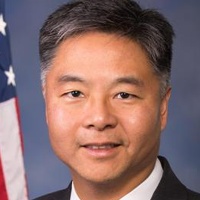
This resolution officially supports designating May 2nd as "National Space Day" to recognize the profound impact of the United States aerospace community on the nation's progress and future.
Ted Lieu
Representative
CA
Ted Lieu
Representative
CA
This resolution officially supports the designation of May 2nd as "National Space Day" to recognize the significant positive impact of the aerospace community on the United States. It celebrates decades of American leadership in space exploration, from the Moon landing to the James Webb Space Telescope, and acknowledges the resulting technological benefits like GPS. Furthermore, the bill emphasizes the importance of these achievements in inspiring future generations in STEM fields.
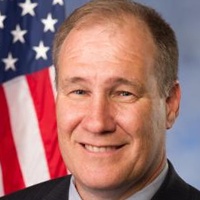
The Shipbuilding and Harbor Infrastructure for Prosperity and Security for America Act of 2025 establishes a centralized maritime authority, creates a dedicated funding trust, strengthens sealift capability, mandates increased use of U.S.-flagged vessels, invests heavily in domestic shipbuilding, and enhances workforce development and tax incentives for the maritime industry.
Trent Kelly
Representative
MS
Trent Kelly
Representative
MS
The **Shipbuilding and Harbor Infrastructure for Prosperity and Security for America Act of 2025** is a comprehensive bill designed to revitalize the U.S. maritime industry and secure critical supply chains. It establishes new centralized oversight for maritime policy, creates a dedicated Maritime Security Trust Fund financed by new vessel taxes, and mandates significant federal investment in domestic shipbuilding and workforce development. The legislation also imposes stricter cargo preference rules and tax incentives to ensure U.S.-flagged vessels dominate international commerce and defense sealift operations.
This bill temporarily exempts certain physician practices from Stark Law restrictions to allow them to dispense designated Medicare Part D prescription drugs directly to their patients while mandating a GAO study on in-office dispensing trends.

Diana Harshbarger
Representative
TN
Diana Harshbarger
Representative
TN
The Seniors’ Access to Critical Medications Act of 2025 temporarily modifies the physician self-referral prohibition (Stark Law) to allow physician practices to dispense certain Medicare Part D prescription drugs directly to their patients between 2026 and 2030. This exception is subject to specific conditions regarding prescribing, patient history, and dispensing location. The bill also mandates a GAO study to examine trends in physician office drug dispensing and makes a minor adjustment to the allocation for the Medicare Improvement Fund.
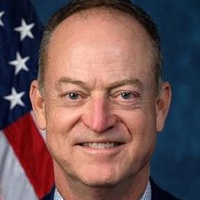
This act prohibits federal funding for colleges and universities that mandate COVID-19 vaccinations for students or employees.
Mark Messmer
Representative
IN
Mark Messmer
Representative
IN
The No Vaccine Mandates in Higher Education Act prohibits the federal government from providing funds to colleges and universities that require students or employees to receive a COVID-19 vaccine. This measure ensures that institutions of higher education cannot mandate vaccination for enrollment, employment, or access to services without risking the loss of federal funding.
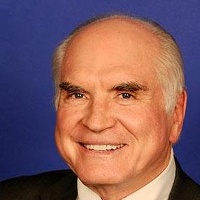
This bill limits the Medicare coinsurance amount for certain ambulatory surgical center services to the annual inpatient hospital deductible, effective January 1, 2026.
Mike Kelly
Representative
PA
Mike Kelly
Representative
PA
This bill amends Medicare rules to cap the out-of-pocket coinsurance amount beneficiaries must pay for certain services provided in an Ambulatory Surgical Center (ASC). If the standard ASC coinsurance exceeds the annual inpatient hospital deductible, the beneficiary's cost will be limited to that deductible amount. The Secretary will cover the difference owed to the ASC.
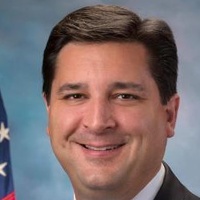
This resolution recognizes the vital contributions of linemen, often acting as first responders, and supports designating April 18, 2025, as "National Lineman Appreciation Day."
David Rouzer
Representative
NC
David Rouzer
Representative
NC
This resolution officially recognizes the vital and dangerous work performed by power linemen who maintain our electrical infrastructure and ensure public safety. It highlights their crucial role as first responders, often working in hazardous conditions after disasters. Furthermore, the resolution supports the designation of April 18, 2025, as "National Lineman Appreciation Day" to formally honor their service.
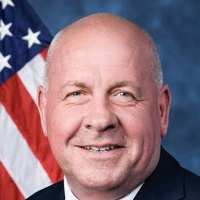
The Fight Fentanyl Act strengthens federal efforts against fentanyl trafficking by mandating detailed reporting from HIDTA programs, increasing their funding and purpose to target fentanyl interdiction, and requiring the Attorney General to assign additional prosecutors to these cases.
David Taylor
Representative
OH
David Taylor
Representative
OH
The Fight Fentanyl Act strengthens federal efforts to combat the fentanyl crisis by updating the High Intensity Drug Trafficking Areas (HIDTA) program. This legislation mandates increased reporting on fentanyl investigations, sets dedicated funding levels through 2030, and expands HIDTA purposes to prioritize fentanyl interdiction. Furthermore, it requires the Attorney General to ensure sufficient prosecutorial resources are dedicated to fentanyl trafficking cases through temporary AUSA assignments.
The Neighborhood Homes Investment Act establishes a new federal tax credit to incentivize the development and substantial rehabilitation of affordable starter homes in low-income communities by closing the financing gap between construction costs and sale prices.
Mike Kelly
Representative
PA
Mike Kelly
Representative
PA
The Neighborhood Homes Investment Act establishes a new federal tax credit designed to close the financing gap hindering the construction and rehabilitation of affordable starter homes in distressed communities. This credit incentivizes developers to build or substantially renovate housing in specific low-income census tracts and sell it affordably to qualified moderate-income homeowners. State agencies will manage the allocation of these credits, ensuring projects meet affordability standards and promoting revitalization in struggling neighborhoods.
This Act expands Medicare coverage to include audiology services provided directly by qualified audiologists starting in 2027, removing physician supervision and referral requirements.

Gus Bilirakis
Representative
FL
Gus Bilirakis
Representative
FL
The Medicare Audiology Access Improvement Act of 2025 expands Medicare coverage for audiology services, beginning in 2027. This legislation allows qualified audiologists to provide diagnostic and treatment services without physician referral or supervision, as permitted by state law. The bill also specifies payment rates and includes audiologists in coverage for Rural Health Clinics and Federally Qualified Health Centers.
This bill prohibits the sale or release of petroleum products from the Strategic Petroleum Reserve to any entity owned, controlled, or influenced by the Chinese Communist Party, and bars exports of SPR oil to the People's Republic of China.
Randy Weber
Representative
TX
Randy Weber
Representative
TX
This bill, the Protecting America’s Strategic Petroleum Reserve from China Act, strictly prohibits the sale or release of oil from the U.S. Strategic Petroleum Reserve (SPR) to any entity owned, controlled, or influenced by the Chinese Communist Party. Furthermore, it prevents the sale of SPR products to non-Chinese buyers if those products are intended for export to the People's Republic of China. The legislation aims to safeguard U.S. energy reserves from benefiting the Chinese government.
This bill expands mandatory detention for certain non-citizens by adding convictions for trespassing, vandalism, and arson to the list of triggering property crimes.
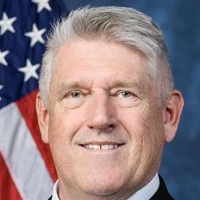
Troy Downing
Representative
MT
Troy Downing
Representative
MT
The Safeguarding American Property Act of 2025 expands mandatory detention requirements for certain non-citizens who commit specific property crimes. This legislation adds offenses like trespassing, vandalism, and arson to the list of crimes that require immigration authorities to detain an individual during removal proceedings. The bill also clarifies language related to violent offenses to ensure comprehensive grounds for detention.