Legislative Activity
Track Deborah's sponsored bills, co-sponsored legislation, and voting record
This resolution recognizes January 2026 as National Mentoring Month to honor mentors and promote quality mentoring programs for America's youth.
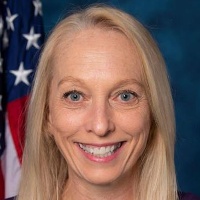
Mary Scanlon
Representative
PA
Mary Scanlon
Representative
PA
This resolution officially recognizes January 2026 as National Mentoring Month to honor the dedicated staff and volunteers in mentoring programs. It highlights the significant benefits of mentoring, such as boosting educational achievement and reducing juvenile delinquency. The bill encourages the growth of quality mentoring programs nationwide to ensure more young people have supportive adult connections.
This bill recognizes the historic significance of the Greensboro Four sit-in, which launched a nationwide movement against racial inequality, and encourages its inclusion in educational curricula.
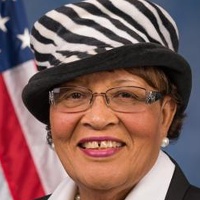
Alma Adams
Representative
NC
Alma Adams
Representative
NC
This bill recognizes the historic 1960 Greensboro Four sit-in, honoring the students whose peaceful protest launched a nationwide movement against segregation. It designates February 1, 2026, as the 66th anniversary, coinciding with the start of Black History Month. Furthermore, the bill encourages states to include the Greensboro Four's contributions in educational curricula.
The Internet Reach and Access Now Act establishes a program to counter Iranian internet censorship by funding technologies like VPNs and eSIMs, safeguarding satellite access, and training civil society groups to ensure the free flow of information.
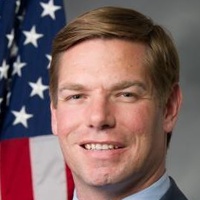
Eric Swalwell
Representative
CA
Eric Swalwell
Representative
CA
The Internet Reach and Access Now (IRAN) Act establishes a program to counter Iranian government censorship by providing technologies and support to help citizens access the open internet. It directs the Secretary of State to coordinate efforts, update strategies to ensure sanctions don't block access tools, and safeguard satellite coverage over Iran. The bill authorizes significant funding to support these initiatives, including cybersecurity training for Iranian civil society.
The Stop Underrides Act 2.0 mandates the Department of Transportation to establish comprehensive federal safety standards for front, rear, and side underride protection systems on all new commercial motor vehicles to prevent fatalities and injuries in crashes up to 40 mph.
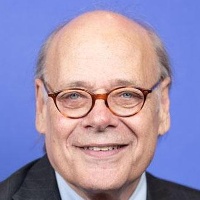
Steve Cohen
Representative
TN
Steve Cohen
Representative
TN
The Stop Underrides Act 2.0 mandates the Department of Transportation to establish new federal safety standards requiring comprehensive front, rear, and side underride protection systems on all new commercial motor vehicles. These standards must ensure guards prevent passenger vehicles and vulnerable road users from sliding under trucks in crashes up to 40 mph. The bill also reconvenes an advisory committee, funds new research studies, and requires the creation of a public website dedicated to underride crash information.
The Rebuild America’s Schools Act of 2026 establishes federal grant and bond programs to provide billions of dollars for the long-term improvement, modernization, and repair of public school facilities, prioritizing health, safety, and environmental conditions in high-need districts.
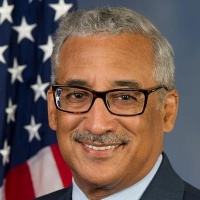
Robert Scott
Representative
VA
Robert Scott
Representative
VA
The **Rebuild America’s Schools Act of 2026** establishes major federal funding streams, including grants and tax-credit bonds, to modernize and repair public school facilities nationwide from 2027 through 2031. The legislation prioritizes districts with the greatest need, focusing on improving student health, safety, and environmental conditions in school buildings. It also mandates increased transparency through public databases tracking facility conditions and requires specific labor and "Buy America" standards for funded construction projects.
The PASTEUR Act of 2026 establishes a subscription-style contract program to incentivize the development and ensure the availability of novel antimicrobials against urgent threats while promoting their appropriate use.
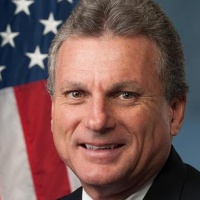
Earl Carter
Representative
GA
Earl Carter
Representative
GA
The PASTEUR Act of 2026 aims to combat antimicrobial resistance by creating a subscription-style contract program to incentivize the research and development of new, life-saving antibiotics. This program will provide substantial annual payments to drug sponsors for ensuring the availability and appropriate use of eligible antimicrobials targeting urgent threats. The bill also establishes grants to promote stewardship programs in healthcare facilities and enhance national surveillance of resistance data.
This Act establishes the Defense Technology Hubs Program to designate and fund at least ten regional hubs across the U.S. to accelerate defense technology innovation through public-private partnerships.
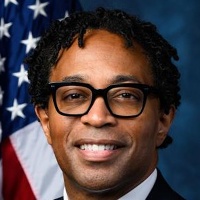
Wesley Bell
Representative
MO
Wesley Bell
Representative
MO
The Defense Technology Hubs Act of 2026 establishes a program to create at least 10 regional defense technology hubs across the U.S. These hubs will foster collaboration between universities, industry, and government to accelerate the development of critical defense technologies. The Secretary of Defense is authorized to provide funding and support to these consortia to enhance national security and strengthen the defense industrial base.
This bill establishes mandatory minimum humanitarian standards for health screening, water, sanitation, food, and shelter for all individuals in ICE and CBP custody.
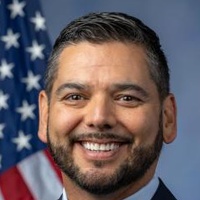
Raul Ruiz
Representative
CA
Raul Ruiz
Representative
CA
The Humanitarian Standards for Individuals in ICE and CBP Custody Act establishes minimum standards for health screening, nutrition, sanitation, and shelter for individuals detained by ICE and CBP. This bill mandates specific protocols for medical care, facility conditions, and personnel training to ensure humane treatment. It also requires regular inspections and public reporting on compliance and sexual abuse complaints.
This bill reauthorizes and expands federal funding and services for victims of family and dating violence while strengthening prevention efforts, especially for Tribal and underserved communities.
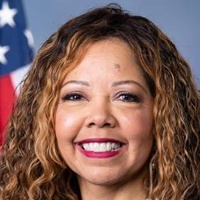
Lucy McBath
Representative
GA
Lucy McBath
Representative
GA
The Family Violence Prevention and Services Improvement Act of 2026 reauthorizes and expands critical federal programs to improve services and prevention for victims of domestic and dating violence through 2031. It significantly increases funding and broadens support, especially for Tribal communities and underserved populations, by allowing for culturally specific and digital services. Additionally, the bill enhances efforts to prevent teen dating violence through increased funding for broader educational programs.
This resolution condemns federal workforce reductions at FEMA that threaten national preparedness, response, and recovery capabilities, and expresses concern over proposed future staffing cuts.
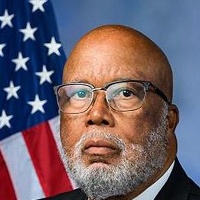
Bennie Thompson
Representative
MS
Bennie Thompson
Representative
MS
This resolution condemns current and proposed staffing cuts at the Federal Emergency Management Agency (FEMA), arguing they undermine national preparedness and disaster response capabilities. It highlights that workforce reductions endanger the ability to effectively manage increasingly severe disasters and critical counterterrorism programs. The bill expresses concern that these cuts compromise institutional knowledge and slow vital assistance to communities recovering from events like recent hurricanes. Ultimately, it commits Congress to supporting a stable and adequately resourced FEMA workforce.
This Act establishes a pilot program to award competitive grants to organizations to improve children's access to books through purchasing, distribution, and literacy programming.
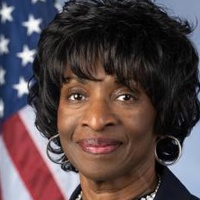
Valerie Foushee
Representative
NC
Valerie Foushee
Representative
NC
The Empowering Young Readers Act of 2026 establishes a pilot program to improve children's access to books through competitive grants. These grants, up to $200,000, will be awarded to eligible organizations for purchasing, distributing, or hosting literacy programming related to books. The Secretary of Education will administer the program and report to Congress on its impact on book access and community literacy rates.
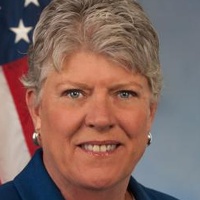
This bill seeks to disapprove and nullify the Department of Veterans Affairs' final rule regarding "Reproductive Health Services."
Julia Brownley
Representative
CA
Julia Brownley
Representative
CA
This resolution seeks to disapprove the Department of Veterans Affairs' final rule concerning "Reproductive Health Services" issued in September 2024. If enacted, this disapproval, made under the Congressional Review Act, would prevent the VA rule from taking legal effect.
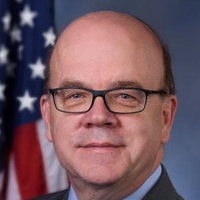
This bill mandates the removal of U.S. Armed Forces from Venezuela unless explicitly authorized by Congress.
James McGovern
Representative
MA
James McGovern
Representative
MA
This bill mandates the President to withdraw all United States Armed Forces from Venezuela. This action is required unless Congress has formally declared war or passed specific legislation authorizing the use of military force in that country.
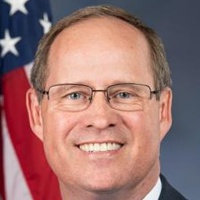
This act establishes the Domestic Cotton Consumption Credit to incentivize businesses to use U.S.-grown cotton through a verified supply chain with varying credit percentages based on processing location.
Gregory Murphy
Representative
NC
Gregory Murphy
Representative
NC
The Buying American Cotton Act of 2026 establishes the Domestic Cotton Consumption Credit to incentivize the use of U.S.-grown cotton in products sold domestically. This new business tax credit is calculated based on the volume of U.S. cotton used, the market price, and where the product was processed. The bill mandates digital tracing to verify the supply chain and offers significantly increased credit multipliers for products containing U.S.-made cotton yarn or fabric.
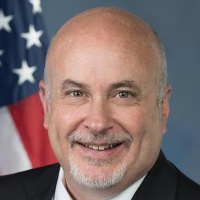
This act amends Medicare Part B to cover pharmacist-provided HIV prevention services, including PrEP and PEP management, starting January 1, 2027.
Mark Pocan
Representative
WI
Mark Pocan
Representative
WI
The PrEP Access Act aims to expand access to HIV prevention by amending Medicare Part B to cover HIV prevention services, such as PrEP and PEP management, when provided by pharmacists. This coverage will take effect on January 1, 2027. The bill also establishes specific payment rates and prohibits pharmacists from balance billing Medicare beneficiaries for these services.
This bill establishes a competitive grant program through the NSF to expand U.S. capacity in AI research, education, and workforce development, prioritizing institutions with historically lower federal research expenditures and minority-serving institutions.
Valerie Foushee
Representative
NC
Valerie Foushee
Representative
NC
The Expanding AI Voices Act establishes a new competitive grant program administered by the National Science Foundation (NSF). This program aims to significantly broaden participation and capacity in U.S. artificial intelligence research, education, and workforce development. Awards will prioritize institutions that have historically received less federal AI research funding, including HBCUs, MSIs, and Tribal Colleges. Funds must support activities like program expansion, faculty development, access to research resources, and integrating ethical practices into AI training.
This Act mandates that newly elected House members from special elections must be sworn in within five legislative days of their election certification.
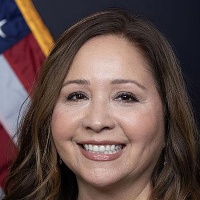
Adelita Grijalva
Representative
AZ
Adelita Grijalva
Representative
AZ
The No Delay in Representation Act ensures that individuals elected to the House of Representatives through special elections are seated promptly. It mandates that these new members must be given the opportunity to take the oath of office within five legislative days of their election certification. This act aims to prevent delays in representation for newly elected members.
This bill establishes a Department of Justice Task Force to combat anti-Sikh hate and discrimination through definition, education, and reporting.
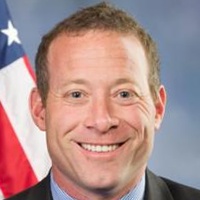
Josh Gottheimer
Representative
NJ
Josh Gottheimer
Representative
NJ
The Sikh American Anti-Discrimination Act of 2026 establishes a Department of Justice Task Force dedicated to combating anti-Sikh hate and discrimination. This Task Force is charged with formally defining anti-Sikh hate, developing educational programs for law enforcement and schools, and collaborating with the Sikh community. The bill mandates annual reporting to Congress on hate crimes, legal actions, and ongoing threats against Sikhs.
This act establishes special sentencing considerations for young offenders whose crimes were committed following prior victimization through trafficking, abuse, or assault.
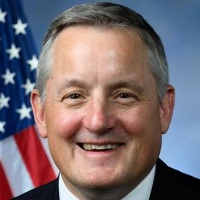
Bruce Westerman
Representative
AR
Bruce Westerman
Representative
AR
Sara’s Law and the Preventing Unfair Sentencing Act of 2026 creates special sentencing considerations for young offenders who committed crimes while being victims of prior trafficking, abuse, or assault. This legislation grants courts the authority to sentence these "youthful victim offenders" below mandatory minimums and suspend portions of their sentences to account for past trauma. The law specifically targets individuals under 18 whose offense was committed against a recent abuser.
This bill impeaches Secretary of Homeland Security Kristi Lynn Arnold Noem for high crimes and misdemeanors, citing willful refusal to comply with oversight law, violating the Impoundment Control Act, directing unlawful ICE misconduct, and misusing federal funds for personal gain.
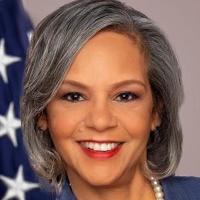
Robin Kelly
Representative
IL
Robin Kelly
Representative
IL
This resolution initiates impeachment proceedings against Secretary of Homeland Security Kristi Lynn Arnold Noem for high crimes and misdemeanors. The articles of impeachment charge her with willfully refusing to comply with Congressional oversight laws and violating the Impoundment Control Act by improperly withholding funds. Further articles allege she directed widespread misconduct by ICE agents that violated federal law and constitutional rights, and misused taxpayer funds for personal gain through improper contracting.