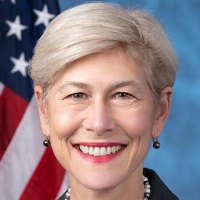
Legislative Activity
Track Deborah's sponsored bills, co-sponsored legislation, and voting record
The House of Representatives affirms every person's basic right to emergency health care, including abortion care.

Emilia Sykes
Representative
OH
Emilia Sykes
Representative
OH
This bill affirms the House of Representatives' belief that every person has the right to emergency health care, including abortion care. It argues that abortion restrictions endanger lives, force doctors to make impossible choices, and disproportionately harm people of color, low-income individuals, and LGBTQI individuals. The bill emphasizes that delays in emergency care due to abortion bans can lead to life-threatening situations and that everyone, including pregnant individuals, should have access to necessary medical care without discrimination.
The Puppy Protection Act of 2025 establishes stricter housing, daily care, veterinary, and breeding standards for dog dealers under the Animal Welfare Act.
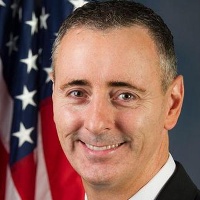
Brian Fitzpatrick
Representative
PA
Brian Fitzpatrick
Representative
PA
The Puppy Protection Act of 2025 significantly increases humane treatment standards for dog dealers under the Animal Welfare Act. This legislation mandates specific minimum space requirements, daily exercise access, and mandatory socialization for housed dogs. Furthermore, it establishes strict limits on female dog breeding frequency and age, alongside enhanced veterinary care protocols.
This act places a temporary moratorium on layoffs at NASA until the Fiscal Year 2026 budget is passed, with exceptions only for cause such as misconduct or poor performance.

Zoe Lofgren
Representative
CA
Zoe Lofgren
Representative
CA
The Saving NASA’s Workforce Act establishes a temporary moratorium on layoffs at the National Aeronautics and Space Administration (NASA). This freeze prevents the agency from conducting any reduction in force until Congress passes the full Fiscal Year 2026 budget. However, the bill allows NASA to terminate employees for specific reasons such as misconduct or poor performance.
This Act prohibits the Department of Energy from conducting layoffs or workforce reductions until Congress enacts the full-year budget for Fiscal Year 2026, with limited exceptions for cause.
Zoe Lofgren
Representative
CA
Zoe Lofgren
Representative
CA
The Saving DOE’s Workforce Act institutes a moratorium, freezing all non-cause-based layoffs at the Department of Energy (DOE) until Congress enacts the full-year budget for Fiscal Year 2026. This measure protects most career federal employees at the DOE from staff reductions during this period. Exceptions for removal are strictly limited to documented misconduct or poor performance.
The Down East Remembrance Act officially designates several specific creeks with new, permanent names for use in all federal records and maps.
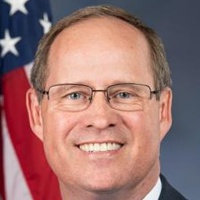
Gregory Murphy
Representative
NC
Gregory Murphy
Representative
NC
The Down East Remembrance Act officially designates several specific creeks with new, permanent names recognized by the U.S. government. This legislation assigns names like Noah Styron Creek and Hunter Parks Creek based on precise geographic coordinates. Moving forward, all federal records and documents must use these newly established official names for the designated waterways.
This act prohibits employers from using an applicant's past salary or benefit history when making hiring or compensation decisions.

Eleanor Norton
Representative
DC
Eleanor Norton
Representative
DC
The Salary History Question Prohibition Act makes it illegal for employers to consider an applicant's past salary or benefits history when making hiring or pay decisions. Employers are generally prohibited from asking about or using previous wages to set compensation limits for a new job. This law establishes civil penalties for violations and allows affected individuals to sue for damages if their wage history is unlawfully used.
This bill temporarily prohibits the National Science Foundation from conducting layoffs until Congress approves its full Fiscal Year 2026 funding, with exceptions only for specific misconduct or performance issues.
Zoe Lofgren
Representative
CA
Zoe Lofgren
Representative
CA
The Saving NSF’s Workforce Act imposes a temporary moratorium on layoffs and reductions in force at the National Science Foundation (NSF). This freeze will remain in effect until Congress enacts the full-year funding bill for Fiscal Year 2026. The bill allows the NSF to proceed with involuntary separations only for specific reasons, such as misconduct or poor performance.
This Act expands eligibility for certain SNAP benefits for veterans based on specific disability ratings or pension status, effective October 1, 2030.
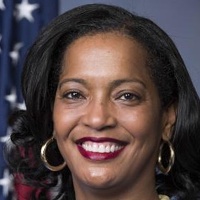
Jahana Hayes
Representative
CT
Jahana Hayes
Representative
CT
The Feed Hungry Veterans Act of 2025 expands eligibility for certain food assistance benefits for veterans. It updates the criteria for veterans based on service-connected disability ratings and adds specific categories of disabled or pensioned veterans who will now qualify. These changes are scheduled to take effect on October 1, 2030.
This Act freezes layoffs at the National Oceanic and Atmospheric Administration (NOAA) until Congress passes the full-year funding bill for fiscal year 2026, except for terminations based on cause.
Zoe Lofgren
Representative
CA
Zoe Lofgren
Representative
CA
The Saving NOAA’s Workforce Act establishes a moratorium on job reductions and layoffs at the National Oceanic and Atmospheric Administration (NOAA). This freeze prevents NOAA from initiating or carrying out involuntary reductions in force until Congress passes the full-year funding bill for fiscal year 2026. Career employees are protected from layoffs during this period unless termination is due to specific causes such as misconduct or poor performance.
This Act establishes the authority to create trusted trade agreements to diversify and strengthen the U.S. medical supply chain against future crises.
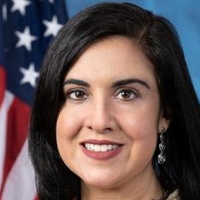
Nicole Malliotakis
Representative
NY
Nicole Malliotakis
Representative
NY
The Medical Supply Chain Resiliency Act aims to secure the U.S. supply of critical medical goods by diversifying trade relationships and reducing reliance on high-risk sources. It authorizes the President to enter into special "trusted trade partner agreements" that lower trade barriers with reliable allies. These agreements focus on regulatory cooperation, intellectual property protection, and ensuring supply chain stability during public health emergencies. The bill also establishes strict reporting and oversight mechanisms for Congress before any such agreement can take effect.
This Act prohibits the National Institute of Standards and Technology (NIST) from conducting layoffs until Congress passes the full-year budget for Fiscal Year 2026.
Zoe Lofgren
Representative
CA
Zoe Lofgren
Representative
CA
The Saving NIST’s Workforce Act places an immediate moratorium on layoffs and reductions in force (RIF) at the National Institute of Standards and Technology (NIST). This freeze will remain in effect until Congress passes the full-year budget for Fiscal Year 2026. During this period, NIST is prohibited from involuntarily separating most career employees except for documented misconduct or poor performance.
The Safe Vehicle Access for Survivors Act mandates that connected vehicle service providers quickly terminate an abuser's remote access to a survivor's vehicle upon request, while protecting the survivor's privacy and ensuring no fees are charged for the action.

Debbie Dingell
Representative
MI
Debbie Dingell
Representative
MI
The Safe Vehicle Access for Survivors Act mandates that providers of connected vehicle services must quickly terminate an abuser's remote access to a survivor's vehicle upon request, without imposing fees or requiring co-owner consent. This legislation requires providers to secure the survivor's information, offer clear instructions for regaining sole control, and establish specific notification procedures for all actions taken. The FCC is tasked with creating detailed regulations to ensure survivor safety and data confidentiality within two years of the bill's enactment.
The Major Richard Star Act ensures that military retirees with combat-related disabilities can concurrently receive their full military retirement pay and VA disability compensation without reduction.

Gus Bilirakis
Representative
FL
Gus Bilirakis
Representative
FL
The Major Richard Star Act ensures that military retirees with combat-related disabilities can receive both their military retirement pay and VA disability compensation concurrently without reduction. This law removes previous restrictions that caused military retirement pay to be offset by VA disability payments for these specific cases. The changes take effect on the first day of the month following the Act's enactment.
The HELPER Act of 2025 establishes a new FHA mortgage insurance program offering 100% financing with an upfront premium and no monthly premiums for eligible first responders, educators, and law enforcement officers.
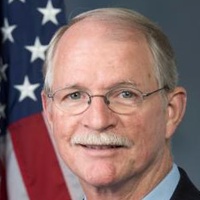
John Rutherford
Representative
FL
John Rutherford
Representative
FL
The HELPER Act of 2025 establishes a new FHA mortgage insurance program to assist first responders, educators, and law enforcement officers in purchasing homes. This program offers eligible first-time homebuyers 100% financing with no down payment required. Instead of monthly premiums, borrowers pay an upfront FHA insurance premium at closing.
This bill expands eligibility for veterans who served in Guam between August 15, 1958, and July 31, 1980, to receive a presumption of service connection for diseases associated with herbicide exposure.
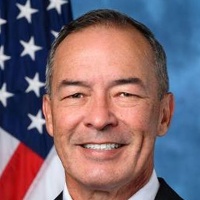
James (Jim) Moylan
Representative
GU
James (Jim) Moylan
Representative
GU
The Correcting Guam's History in the PACT Act expands eligibility for veterans who served in Guam to receive a presumption of service connection for diseases linked to herbicide exposure. This change specifically covers service in Guam between August 15, 1958, and July 31, 1980. Coverage for veterans who served in American Samoa remains unchanged.
This bill allows investors to defer taxes on capital gain dividends from mutual funds when those dividends are automatically reinvested until the shares are sold or the investor passes away.
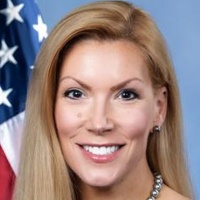
Beth Van Duyne
Representative
TX
Beth Van Duyne
Representative
TX
This bill, the Generating Retirement Ownership through Long-Term Holding Act, allows individual investors to defer paying taxes on capital gain dividends from mutual funds if those dividends are automatically reinvested into more fund shares. Taxes on these deferred gains are only due when the investor sells the shares or upon death. This provision aims to encourage long-term investment in mutual funds by providing immediate tax relief on reinvested earnings.
The Women's Retirement Protection Act strengthens spousal consent requirements for defined contribution plans, improves access to unbiased retirement information, and establishes grant programs to boost financial literacy for women and assist low-income women and survivors of domestic violence in obtaining retirement assets through QDROs.

Lauren Underwood
Representative
IL
Lauren Underwood
Representative
IL
The Women's Retirement Protection Act aims to address the significant retirement savings gap disproportionately affecting women by strengthening spousal protections in defined contribution plans like 401(k)s. The bill mandates spousal consent for certain distributions and beneficiary changes to safeguard retirement assets during divorce or death. Furthermore, it establishes grant programs to boost financial literacy for women and provide direct assistance for low-income women and survivors of domestic violence to secure court-ordered retirement benefits.
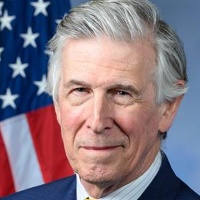
This act expands the Work Opportunity Tax Credit to include employers who hire qualified military spouses.
Donald Beyer
Representative
VA
Donald Beyer
Representative
VA
The Military Spouse Hiring Act amends the Internal Revenue Code to expand eligibility for the Work Opportunity Tax Credit (WOTC). This change allows employers to claim the tax credit for hiring qualified military spouses. A qualified military spouse is defined as someone certified as being married to a member of the U.S. Armed Forces.
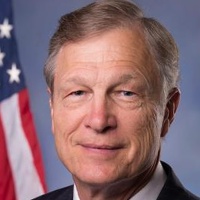
The REDI Act allows medical and dental interns and residents to defer both principal and interest payments on their student loans while in training.
Brian Babin
Representative
TX
Brian Babin
Representative
TX
The Resident Education Deferred Interest (REDI) Act amends federal student loan regulations to provide a specific deferment for medical and dental residents. This allows borrowers currently serving in an internship or residency program to pause principal payments and prevent interest accrual on their student loans during that training period.
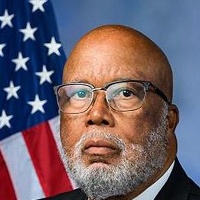
This Act converts Transportation Security Administration (TSA) personnel to standard federal employment rules under Title 5, establishes transition protections, mandates workforce reviews, and addresses labor relations and employee safety.
Bennie Thompson
Representative
MS
Bennie Thompson
Representative
MS
The Rights for the Transportation Security Administration Workforce Act transitions TSA personnel to standard federal employment rules under Title 5 of the U.S. Code by a set date no later than December 31, 2025. This mandates the freezing of current personnel policies during the transition while protecting current employee pay and benefits. The bill also requires extensive reviews by the Comptroller General on hiring, diversity, and workplace safety, and mandates consultation with employee representatives regarding labor relations. Finally, it ensures that screening agents retain collective bargaining rights and addresses specific concerns for Federal Air Marshals.