
Legislative Activity
Track Mike's sponsored bills, co-sponsored legislation, and voting record
The "Do No Harm Act" clarifies that the Religious Freedom Restoration Act cannot be used to bypass federal laws protecting against discrimination, ensuring equal opportunity, or safeguarding access to healthcare and other essential services.
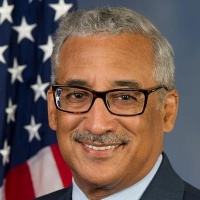
Robert Scott
Representative
VA
Robert Scott
Representative
VA
The "Do No Harm Act" amends the Religious Freedom Restoration Act of 1993 to ensure religious freedom is not used to justify discrimination or harm. It clarifies that the Act does not override federal laws protecting against discrimination, ensuring equal opportunity, or safeguarding access to healthcare and other essential services. This amendment confirms that the Religious Freedom Restoration Act applies only when the government is a party in a judicial proceeding.
The Farewell to Foam Act of 2025 bans the sale and distribution of expanded polystyrene food service ware, loose fill packaging, and coolers starting January 1, 2028, with escalating fines for non-compliance.

Lloyd Doggett
Representative
TX
Lloyd Doggett
Representative
TX
The Farewell to Foam Act of 2025 bans the sale and distribution of expanded polystyrene (Styrofoam) food service ware, loose fill packaging, and coolers starting January 1, 2028. The bill clearly defines these targeted foam products and the roles of manufacturers, distributors, and retailers involved in their supply chain. Enforcement begins with a written warning for first-time violations, followed by escalating fines for repeat offenses. The Administrator of the EPA is granted the authority to issue necessary regulations to implement the Act.
The BAH Restoration Act ensures that uniformed service members receive a basic housing allowance that covers the full cost of adequate housing based on location, pay grade, and dependency status.
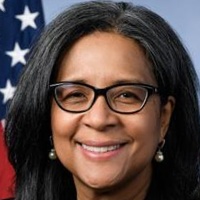
Marilyn Strickland
Representative
WA
Marilyn Strickland
Representative
WA
The BAH Restoration Act aims to restore the Basic Allowance for Housing (BAH) to cover 100% of service members' housing costs. This will be done by amending title 37 of the United States Code, ensuring that the monthly BAH is equivalent to the determined monthly cost of adequate housing based on pay grade, dependency status, and location. The Secretary of Defense will determine the specific housing costs in each area.
The John R. Lewis Voting Rights Advancement Act of 2025 aims to strengthen and update the Voting Rights Act of 1965 by addressing vote dilution and denial, establishing updated criteria for federal oversight of states and political subdivisions with a history of voting rights violations, and promoting transparency in election-related changes.
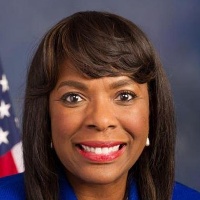
Terri Sewell
Representative
AL
Terri Sewell
Representative
AL
The John R. Lewis Voting Rights Advancement Act of 2025 amends the Voting Rights Act of 1965 to address vote dilution, denial, and abridgment claims, and to update which states and political subdivisions are subject to federal oversight based on a history of voting rights violations. It broadens the types of violations that allow a court to retain jurisdiction over a case, clarifies the Attorney General's authority to assign observers, and ensures transparency in voting-related changes. The Act also authorizes the Attorney General to demand documents and information to enforce voting rights and provides grants to small jurisdictions to assist with notification requirements.
The "Keeping Our Field Offices Open Act" prevents the Social Security Administration from closing or limiting access to field offices, hearing offices, and resident stations, ensuring continued service availability for the public.
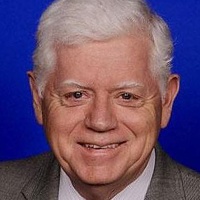
John Larson
Representative
CT
John Larson
Representative
CT
The "Keeping Our Field Offices Open Act" prevents the Social Security Administration (SSA) from closing or consolidating field offices, hearing offices, and resident stations, ensuring continued access to services. It requires the SSA Commissioner to justify any planned closures to Congress with detailed analysis and cost-benefit assessments, considering the impact on vulnerable populations. The bill mandates public notice, hearings, and a final report to Congress before any changes, allowing appeals and maintaining the number of offices at or above the January 20, 2025 level, excluding temporary emergency closures.
This bill restricts political appointees and special government employees from accessing Social Security data, establishes civil damages for unauthorized access, mandates Inspector General investigations, and requires a GAO study on the changes.
John Larson
Representative
CT
John Larson
Representative
CT
The Protecting Americans’ Social Security Data Act restricts political appointees and special government employees from accessing sensitive Social Security beneficiary data systems. It establishes a right for individuals to sue the government or responsible parties for unauthorized access or disclosure of their private Social Security information, including specified minimum damages. Furthermore, the bill mandates the Inspector General to investigate such violations and report findings to Congress within 30 days. Finally, it requires the GAO to conduct a comprehensive study on the impact of these new privacy and enforcement measures.
The Richard L. Trumka Protecting the Right to Organize Act of 2025 strengthens protections for workers' rights to organize and collectively bargain by modernizing labor laws, addressing unfair labor practices, and enhancing enforcement mechanisms.
Robert Scott
Representative
VA
Robert Scott
Representative
VA
This bill, the Richard L. Trumka Protecting the Right to Organize Act of 2025, seeks to amend the National Labor Relations Act and other labor laws to strengthen protections for workers' rights to organize and collectively bargain. It aims to modernize labor regulations by clarifying definitions, addressing unfair labor practices, enhancing enforcement, and increasing transparency in labor-management relations. The bill introduces measures such as electronic voting in union elections, strengthens whistleblower protections, and mandates studies on collective bargaining practices. Ultimately, the goal is to ensure fair treatment of workers and promote equitable labor practices.
The MERIT Act mandates the reinstatement of federal probationary employees affected by mass terminations occurring between January 20, 2025, and the Act's enactment, providing back pay and benefits.
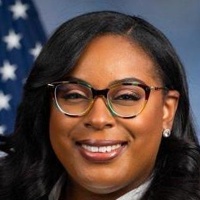
LaMonica McIver
Representative
NJ
LaMonica McIver
Representative
NJ
The MERIT Act requires federal agencies to reinstate probationary employees who were terminated as part of a mass termination event between January 20, 2025, and the Act's enactment date, providing them with back pay and benefits. The Act also mandates reports on government employee terminations and the reinstatement process. It defines key terms such as "affected probationary employee" and "mass termination" to clarify the scope and applicability of the Act. This act ensures that affected employees are treated as involuntarily separated without cause and outlines the process for determining back pay and providing notice to eligible employees.
The "Roberto Clemente Commemorative Coin Act" directs the Treasury to mint coins in 2027 honoring Roberto Clemente, with surcharges benefiting the Roberto Clemente Foundation.
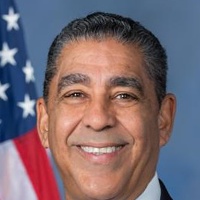
Adriano Espaillat
Representative
NY
Adriano Espaillat
Representative
NY
The Roberto Clemente Commemorative Coin Act directs the Department of Treasury to mint and issue gold, silver, and half-dollar coins in 2027 to commemorate the life and legacy of Roberto Clemente. The coins' designs will represent Clemente's life, including his baseball achievements and humanitarian work. Surcharges from the coin sales will benefit the Roberto Clemente Foundation, supporting their educational programs, youth sports initiatives, disaster relief efforts, and historic preservation projects. The Act ensures that the coin program will not incur any net cost to the United States government.
The "Safe Schools Improvement Act" amends the Elementary and Secondary Education Act of 1965, requiring states to establish policies that prevent and prohibit bullying and harassment in schools based on protected characteristics, ensuring a safe and inclusive learning environment for all students.

Linda Sánchez
Representative
CA
Linda Sánchez
Representative
CA
The Safe Schools Improvement Act aims to reduce bullying and harassment in schools by requiring states to establish policies prohibiting such conduct based on various characteristics, including race, sex, religion, and disability. It mandates annual notifications, data collection on incidents, biennial evaluations of programs, and regular reports to Congress to ensure accountability and effectiveness. This act does not infringe on existing nondiscrimination laws or freedom of speech but seeks to create a safer, more inclusive learning environment for all students.
The "Climate and Health Protection Act" continues funding for the CDC's Climate and Health program to help communities prepare for the public health effects of climate change.
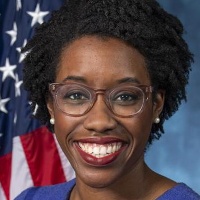
Lauren Underwood
Representative
IL
Lauren Underwood
Representative
IL
The Climate and Health Protection Act ensures the continuation of the Climate and Health program, managed by the CDC, to help communities prepare for the public health impacts of climate change. It authorizes \$110 million annually, starting in 2026, to support the program's efforts in providing guidance, developing tools, and offering leadership in climate change and health planning. These funds are specifically dedicated to the Climate and Health program and cannot be used for other purposes.
The MEME Act prohibits elected and high-ranking federal officials, as well as their families, from using their positions for personal financial gain by promoting or benefiting from financial instruments like stocks, commodities, and digital assets, with penalties including fines, imprisonment, and civil lawsuits.
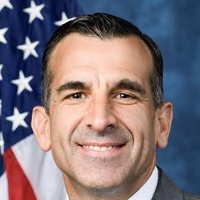
Sam Liccardo
Representative
CA
Sam Liccardo
Representative
CA
The MEME Act prohibits elected and other high-ranking federal officials, as well as their families, from promoting financial assets, including securities, commodities, and digital assets, for personal gain. It allows the Attorney General, private parties, and others to sue violators. Violators may face civil penalties up to $250,000, be required to return profits to the Treasury, and may face criminal penalties including fines and imprisonment. The Act aims to prevent public officials from using their positions for personal financial benefit, addressing bribery, insider trading, and corrupt foreign influence.
The PAST Act of 2025 significantly strengthens the Horse Protection Act by increasing penalties, banning specific action devices, and mandating licensed inspectors to combat the practice of horse soring.
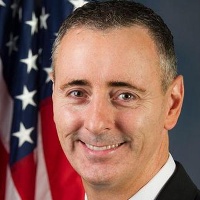
Brian Fitzpatrick
Representative
PA
Brian Fitzpatrick
Representative
PA
The PAST Act of 2025 significantly strengthens the Horse Protection Act to combat the painful practice of soring in specific horse breeds. This bill increases penalties for violations, establishes stricter licensing and oversight for inspectors, and explicitly bans the use of "action devices" designed to cause unnatural gaits. The legislation aims to enhance enforcement, ensure fairer competition, and hold violators accountable through increased fines and disqualifications.
The Pell Grant Sustainability Act indexes Federal Pell Grants to inflation to help keep up with the rising costs of college for lower-income students.
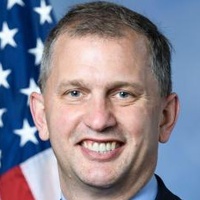
Sean Casten
Representative
IL
Sean Casten
Representative
IL
The Pell Grant Sustainability Act aims to increase the buying power of Pell Grants for lower-income students. It indexes the maximum Pell Grant award to inflation, starting with a \$1,060 increase for the 2024-2025 award year, and adjusts it annually based on the Consumer Price Index. This adjustment is added to the maximum Pell Grant specified in the latest appropriation act, ensuring Pell Grants keep pace with rising education costs. The bill also extends provisions of the Higher Education Act related to Pell Grants indefinitely.
The "Access to Reproductive Care for Servicemembers Act" ensures that members of the Armed Forces and their dependents can access leave and travel reimbursement for reproductive health care services, including abortion and fertility treatments, not covered by the Department of Defense, while safeguarding their privacy and prohibiting adverse actions.
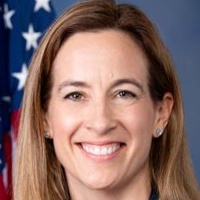
Mikie Sherrill
Representative
NJ
Mikie Sherrill
Representative
NJ
The "Access to Reproductive Care for Servicemembers Act" ensures that members of the Armed Forces and their dependents can access leave and reimbursement for travel expenses related to abortion services and assisted reproductive technology, such as in vitro fertilization, when these services are not available nearby. It protects the privacy of service members seeking such care and prohibits any adverse actions against them for utilizing these provisions. The bill aims to address barriers to reproductive healthcare created by state abortion restrictions and logistical challenges faced by military personnel.
This act reinstates criminal penalties for individuals who charge unauthorized fees to veterans for assisting with claims for VA benefits.
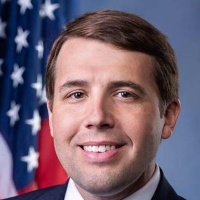
Chris Pappas
Representative
NH
Chris Pappas
Representative
NH
The GUARD VA Benefits Act establishes criminal penalties for individuals who charge veterans unauthorized fees for assisting with claims for benefits administered by the Department of Veterans Affairs. This legislation amends existing law to prohibit soliciting, contracting for, or receiving compensation for preparing or prosecuting VA benefit claims, except where explicitly authorized by other statutes.
The Sgt. Isaac Woodard, Jr. and Sgt. Joseph H. Maddox GI Bill Restoration Act of 2025 aims to restore GI Bill benefits to Black World War II veterans and their direct descendants who were denied them due to racial discrimination, and to address inequalities in benefits for female and minority veterans.
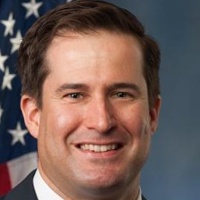
Seth Moulton
Representative
MA
Seth Moulton
Representative
MA
The Sgt. Isaac Woodard, Jr. and Sgt. Joseph H. Maddox GI Bill Restoration Act of 2025 aims to address historical inequities by extending housing and educational benefits to Black World War II veterans and their direct descendants who were previously denied these benefits due to racial discrimination. The bill amends Title 38 of the U.S. Code to include these veterans and their families in housing loan and educational assistance programs. It also establishes a panel to identify and recommend additional support for female and minority veterans.
This bill officially renames the Robert E. Lee Memorial as the Arlington House National Historic Site.
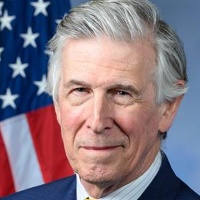
Donald Beyer
Representative
VA
Donald Beyer
Representative
VA
This bill officially redesignates the site currently known as the Robert E. Lee Memorial as the "Arlington House National Historic Site." It mandates that all official U.S. records, maps, and documents be updated to reflect this new name and repeals the previous joint resolutions that established the former designation.
The Default Proceed Sale Transparency Act aims to improve the National Instant Criminal Background Check System (NICS) by requiring firearm dealers to report firearm transfers when background checks are not immediately completed, mandating the creation of a reporting system for prioritization, and requiring annual reports on firearm transfers occurring after incomplete background checks.
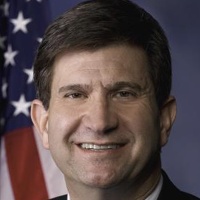
Bradley Schneider
Representative
IL
Bradley Schneider
Representative
IL
The Default Proceed Sale Transparency Act aims to improve the National Instant Criminal Background Check System (NICS) procedures by requiring firearm dealers to report firearm transfers to the FBI within 24 hours if a background check is not immediately completed. It mandates the creation of an online portal and hotline for reporting information to help the FBI prioritize background checks and prohibits destroying firearm transfer records until the background check is complete. Additionally, the Act requires the FBI and the Bureau of Alcohol, Tobacco, Firearms and Explosives to publish annual reports on firearm transfers that occur after a background check is not completed within the required timeframe.
The Humane Cosmetics Act of 2025 bans cosmetic animal testing in the U.S., restricts the use of animal testing data, and sets penalties for violations, while also preventing states from enacting conflicting regulations.
Donald Beyer
Representative
VA
Donald Beyer
Representative
VA
The Humane Cosmetics Act of 2025 bans cosmetic animal testing in the U.S. and restricts the use of animal testing data for cosmetic safety, with certain exceptions. It authorizes the Secretary of Health and Human Services to impose civil penalties for non-compliance and preempts states from enacting conflicting regulations. The Act defines key terms related to cosmetic animal testing and cosmetics.