Legislative Activity
Track Chris's sponsored bills, co-sponsored legislation, and voting record
The SECURE Minerals Act of 2026 establishes a government corporation to build and manage a national stockpile of critical minerals, aiming to secure U.S. supply chains and reduce foreign dependence.

Robert Wittman
Representative
VA
Robert Wittman
Representative
VA
The SECURE Minerals Act of 2026 establishes the Strategic Resilience Reserve Corporation to secure U.S. supply chains for critical minerals. This new entity will manage a national stockpile, finance domestic and allied production, and reduce reliance on foreign adversaries. The Act mandates supply chain targets, rigorous oversight, and public transparency for all operations.
This bill impeaches Secretary of Homeland Security Kristi Lynn Arnold Noem for high crimes and misdemeanors, citing willful refusal to comply with oversight law, violating the Impoundment Control Act, directing unlawful ICE misconduct, and misusing federal funds for personal gain.
Robin Kelly
Representative
IL
Robin Kelly
Representative
IL
This resolution initiates impeachment proceedings against Secretary of Homeland Security Kristi Lynn Arnold Noem for high crimes and misdemeanors. The articles of impeachment charge her with willfully refusing to comply with Congressional oversight laws and violating the Impoundment Control Act by improperly withholding funds. Further articles allege she directed widespread misconduct by ICE agents that violated federal law and constitutional rights, and misused taxpayer funds for personal gain through improper contracting.
This bill expresses support for the Iranian people protesting for a free and democratic Iran while condemning the Islamic Republic's violent repression.
Yassamin Ansari
Representative
AZ
Yassamin Ansari
Representative
AZ
This resolution expresses strong support for the Iranian people protesting for freedom, democracy, and basic human rights against the repressive Islamic Republic. It condemns the regime's brutal crackdown on demonstrators and demands an end to violence and the release of political prisoners. Furthermore, it urges the U.S. government to work with allies to deter further lethal violence against protesters.
This bill establishes a special base pay system that increases the salaries of Bureau of Prisons correctional officers and certain hourly employees by 35 percent for a five-year period, subject to review.

Dan Goldman
Representative
NY
Dan Goldman
Representative
NY
The Federal Correctional Officer Paycheck Protection Act of 2026 establishes a special pay system to increase the base pay for Bureau of Prisons (BOP) correctional officers by 35 percent. This legislation also provides a similar 35 percent wage increase for certain hourly BOP employees involved in inmate custody. The new pay authority is set to expire after five years, unless the Department of Justice Inspector General reports measurable progress in reducing the use of non-custodial staff for officer duties and excessive overtime.
This bill modifies deposits into the Crime Victims Fund by excluding certain False Claims Act recoveries and mandates an Inspector General audit of the Fund's sustainability.
Ann Wagner
Representative
MO
Ann Wagner
Representative
MO
This bill amends the Victims of Crime Act of 1984 to temporarily exclude certain False Claims Act recoveries from being deposited into the Crime Victims Fund through fiscal year 2029. It also mandates a comprehensive audit by the Department of Justice Inspector General on the Fund's sustainability and the impact of recent legislative changes. The resulting report will provide recommendations for improving the Fund's effectiveness and oversight.
This bill establishes new federal requirements and grant opportunities for colleges and universities to implement evidence-based programs for student and employee alcohol and substance misuse prevention, treatment, and recovery services.
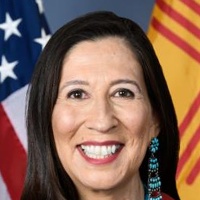
Teresa Leger Fernandez
Representative
NM
Teresa Leger Fernandez
Representative
NM
The Campus Prevention and Recovery Services for Students Act of 2026 strengthens federal requirements for colleges and universities to implement evidence-based programs addressing student alcohol and substance misuse. It expands grant opportunities to support recovery services, mental health integration, and overdose prevention on campus. Institutions participating in federal aid programs must certify they have an active prevention program compliant with these new standards.
This act prohibits the use of federal funds and official action for any invasion of NATO member territory.
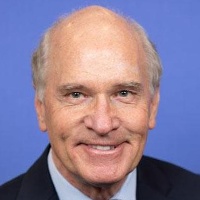
William Keating
Representative
MA
William Keating
Representative
MA
The **No Funds for NATO Invasion Act** prohibits the use of any federal funds for an invasion of any territory belonging to a member nation of the North Atlantic Treaty Organization (NATO). Furthermore, the bill bars U.S. officials from taking any action to execute such an invasion.
This act prohibits federal officials and employees from trading prediction market contracts while possessing material nonpublic government information.
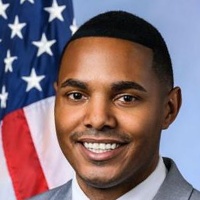
Ritchie Torres
Representative
NY
Ritchie Torres
Representative
NY
The Public Integrity in Financial Prediction Markets Act of 2026 prohibits federal officials and employees from trading in prediction market contracts while possessing material, nonpublic government information. This ban specifically targets transactions related to government policy, actions, or political outcomes. The goal is to prevent insider trading within these emerging financial markets by those with privileged access to government knowledge.
This resolution recognizes the 15th anniversary of the 2011 Tucson shooting, honoring the victims, survivors, and the ongoing advocacy of Gabby Giffords.
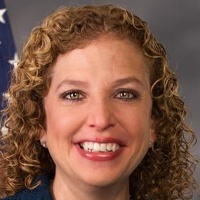
Debbie Wasserman Schultz
Representative
FL
Debbie Wasserman Schultz
Representative
FL
This resolution commemorates the 15th anniversary of the tragic January 8, 2011, Tucson shooting, honoring the six lives lost and the thirteen injured. It specifically commends the courage and ongoing advocacy of gun violence survivor and former Congresswoman Gabby Giffords. The resolution also recognizes the resilience of the community and reaffirms a commitment to ending political violence.
This act reforms the requirements and procedures for determining and maintaining duty status.
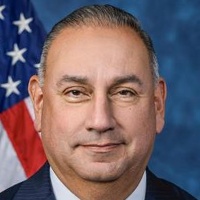
Gilbert Cisneros
Representative
CA
Gilbert Cisneros
Representative
CA
The Duty Status Reform Act aims to modernize and streamline the process for determining and managing duty status for federal employees. This legislation seeks to clarify existing regulations and ensure fair and consistent application of duty status rules across government agencies.
This act establishes federal criminal penalties for stealing packages delivered by private or commercial interstate carriers before the recipient takes possession.
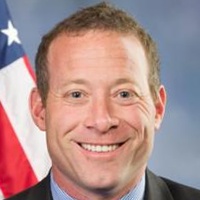
Josh Gottheimer
Representative
NJ
Josh Gottheimer
Representative
NJ
The Porch Pirates Act of 2025 establishes new federal criminal penalties for stealing or interfering with packages delivered by private or commercial carriers across state lines. This legislation asserts Congress's authority to extend protections against package theft to items shipped via services like FedEx or UPS, mirroring existing protections for the U.S. Postal Service. The bill specifically targets the theft of delivered packages before the recipient takes physical possession.
This act mandates the Department of Veterans Affairs to conduct a comprehensive review of veteran suicides and associated prescription practices over the preceding five years, followed by a public report to Congress.
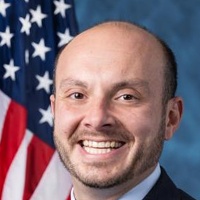
Andrew Garbarino
Representative
NY
Andrew Garbarino
Representative
NY
The Veteran Suicide Prevention Act mandates the Department of Veterans Affairs (VA) to conduct a comprehensive review of veteran suicides over the preceding five years, focusing on prescription practices. This review will analyze medication use, diagnoses, and demographic data for veterans who died by suicide while receiving VA care. The VA must then submit a detailed report of its findings and recommendations to Congress and the public.
The ARMENIA Security Partnership Act mandates a review of U.S. security assistance for Armenia and restricts aid to Azerbaijan unless specific conditions regarding regional peace and human rights are met.

Gus Bilirakis
Representative
FL
Gus Bilirakis
Representative
FL
The ARMENIA Security Partnership Act requires the Secretary of Defense to certify that Azerbaijan has taken specific steps toward peace and regional stability before continuing certain security waivers. If this certification cannot be made, the Act mandates a comprehensive review of Armenia’s defense needs and restricts the President’s authority to waive security assistance limitations. This legislation aims to bolster Armenia’s self-defense capabilities and deter regional aggression.
This bill temporarily funds the FAA using the Aviation Insurance Revolving Fund during a lapse in appropriations and extends non-premium war risk insurance provisions.
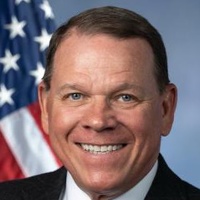
Sam Graves
Representative
MO
Sam Graves
Representative
MO
The Aviation Funding Solvency Act establishes a temporary mechanism to ensure the Federal Aviation Administration (FAA) can continue essential operations if Congress fails to pass regular appropriations. This allows the FAA Administrator to draw upon the Aviation Insurance Revolving Fund to maintain operations at the previous year's funding rate. The temporary funding ceases once a new appropriation or continuing resolution is enacted. The bill also makes a technical amendment regarding non-premium war risk insurance.
This Act prohibits the Department of Defense from using fiscal year 2026 funds to implement hiring freezes, reductions in force, or unjustified hiring delays at public shipyards.
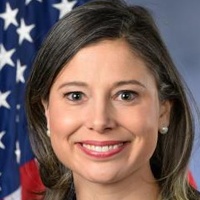
Maggie Goodlander
Representative
NH
Maggie Goodlander
Representative
NH
This act prohibits the Department of Defense from using fiscal year 2026 funds to implement a hiring freeze, a reduction in force, or unjustified delays in filling vacant positions at public shipyards. The goal is to ensure stable staffing levels necessary for shipyard operations.
The Essential Caregivers Act of 2025 guarantees nursing home and long-term care residents the right to designate an essential caregiver who maintains access to them even during public health emergencies.
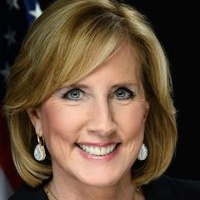
Claudia Tenney
Representative
NY
Claudia Tenney
Representative
NY
The Essential Caregivers Act of 2025 protects the rights of residents in long-term care facilities to designate an essential caregiver who can provide support and companionship. This legislation ensures that these caregivers maintain in-person access to residents even during public health emergencies when general visitation is restricted. By establishing clear protocols and an appeals process, the bill aims to prevent the harmful effects of isolation and ensure residents continue to receive vital care and advocacy.
This bill, the ESTUARIES Act, amends the National Estuary Program to officially add the Mississippi Sound and extends its funding authorization through fiscal year 2031, while placing specific restrictions on using funds for the Mississippi Sound's inclusion in fiscal years 2025 and 2026.
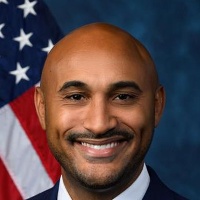
Shomari Figures
Representative
AL
Shomari Figures
Representative
AL
The ESTUARIES Act amends the Federal Water Pollution Control Act to officially add the Mississippi Sound to the National Estuary Program and extends the program's funding authorization through fiscal year 2031. However, the bill places specific restrictions on the EPA Administrator regarding the use of funds to implement this addition during fiscal years 2025 and 2026. This ensures that the expansion of the program is contingent upon specific funding levels in the near term.
This bill authorizes Congress to award Congressional Gold Medals to the 1980 U.S. Men's Olympic Ice Hockey team for their historic "Miracle on Ice" victory.
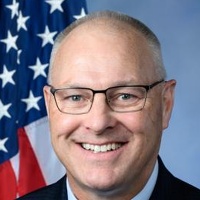
Pete Stauber
Representative
MN
Pete Stauber
Representative
MN
This bill, the Miracle on Ice Congressional Gold Medal Act, officially authorizes Congress to award Congressional Gold Medals to the 1980 U.S. Men's Olympic Ice Hockey Team for their historic "Miracle on Ice" victory. The medals will be struck by the Treasury and permanently displayed at specific national sports museums. The Act also permits the sale of duplicate bronze medals to cover production costs.
This act nullifies a recent Executive Order regarding federal labor relations and ensures existing collective bargaining agreements remain in effect.
Jared Golden
Representative
ME
Jared Golden
Representative
ME
The Protect America's Workforce Act nullifies a specific Executive Order issued in March 2025 concerning exclusions from federal labor-management relations programs. This legislation ensures that any existing collective bargaining agreements between federal agencies and employee unions remain fully in effect until their stated expiration dates. The Act also prohibits the use of federal funds to implement the overturned Executive Order.
This bill extends enhanced premium tax credits for 2026, establishes strict anti-fraud measures for health insurance agents and brokers, imposes new accountability and transparency requirements on Pharmacy Benefit Managers (PBMs) in Medicare, and extends the 2026 open enrollment period.
Jennifer Kiggans
Representative
VA
Jennifer Kiggans
Representative
VA
The CommonGround for Affordable Health Care Act extends enhanced premium tax credits for Marketplace health insurance through 2026, while also establishing strict new penalties and verification processes to combat fraud by agents and brokers in health insurance exchanges. Furthermore, the bill imposes significant new transparency and accountability requirements on Pharmacy Benefit Managers (PBMs) contracting with Medicare Part D plans. Finally, it extends the 2026 open enrollment period and creates a fast-track legislative process for future premium tax credit reform bills.