Legislative Activity
Track Chris's sponsored bills, co-sponsored legislation, and voting record
This Act mandates that health plans cover medically necessary treatment for congenital anomalies or birth defects affecting the eyes, ears, teeth, mouth, or jaw to restore normal function and appearance.
Neal Dunn
Representative
FL
Neal Dunn
Representative
FL
The Ensuring Lasting Smiles Act mandates that group health plans and insurance policies provide comprehensive coverage for medically necessary treatment related to congenital anomalies or birth defects affecting the eyes, ears, teeth, mouth, or jaw. This coverage must include services needed to restore normal function and appearance, including necessary dental and orthodontic support. Plans must apply cost-sharing rules no more restrictive than those for other medical benefits, excluding purely cosmetic procedures.
This Act enhances the FAA's Collegiate Training Initiative, establishes new grant programs, funds training equipment, creates retention incentives for air traffic controllers, and mandates improvements to mental health support and airport radar safety reporting.
Nicholas Begich
Representative
AK
Nicholas Begich
Representative
AK
The Air Traffic Control Workforce Development Act of 2025 aims to strengthen the air traffic control pipeline by improving the Collegiate Training Initiative (CTI) program and establishing new grants for participating colleges. The bill also funds new training equipment and creates financial incentives to both encourage trainees to complete their certification and retain experienced controllers. Finally, it mandates improvements to mental health support for controllers and requires a report on the future of airport radar safety systems.
Violet's Law mandates that federal research facilities establish procedures to place retired dogs, cats, nonhuman primates, guinea pigs, hamsters, and rabbits with approved rescue organizations, sanctuaries, shelters, or individuals.
Nancy Mace
Representative
SC
Nancy Mace
Representative
SC
Violet's Law mandates that federal research facilities establish procedures to place retired research animals, including dogs, cats, and primates, into new homes. These facilities must adhere to the Animal Welfare Act standards and ensure animals are certified healthy by a veterinarian before adoption. Eligible placements include registered animal rescue organizations, sanctuaries, shelters, or private individuals.
This bill expands the definition of "law enforcement officer" for federal retirement purposes under FERS and CSRS to include specific IRS, Postal Inspection, and VA police employees, and establishes rules for how current employees can count prior service under the new designation.
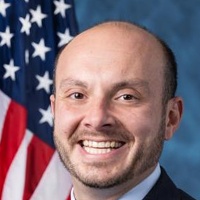
Andrew Garbarino
Representative
NY
Andrew Garbarino
Representative
NY
The Law Enforcement Officers Equity Act expands the definition of "law enforcement officer" for federal retirement purposes under both the Federal Employees Retirement System (FERS) and the Civil Service Retirement System (CSRS). This change adds specific IRS, Postal Inspection Service, and VA police roles to those eligible for enhanced retirement benefits. The bill also establishes procedures for current officers to elect to have their prior service counted under these new definitions, which may require a payment from the employee and their employing agency.
This Act prohibits the advertising and provision of paid conversion therapy intended to change an individual's sexual orientation or gender identity, empowering the FTC and State Attorneys General to enforce these prohibitions.
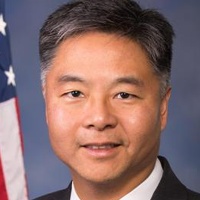
Ted Lieu
Representative
CA
Ted Lieu
Representative
CA
The Therapeutic Fraud Prevention Act of 2025 declares that practices attempting to change an individual's sexual orientation or gender identity for payment constitute an unfair and deceptive business practice. Citing professional consensus on the ineffectiveness and harm of such "conversion therapy," the bill prohibits its provision and advertising. Enforcement authority is granted to the Federal Trade Commission (FTC), and the law allows both the U.S. Attorney General and State Attorneys General to file civil actions against violators.
The VA Employee Fairness Act of 2025 streamlines collective bargaining rules for Veterans Health Administration employees by modifying existing statutes while preserving the Secretary's authority regarding incentive pay and expedited hiring.
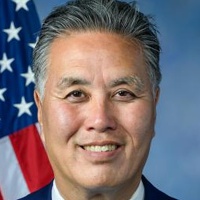
Mark Takano
Representative
CA
Mark Takano
Representative
CA
The VA Employee Fairness Act of 2025 modifies the collective bargaining rules for employees of the Veterans Health Administration (VHA) by streamlining existing statutes. This act removes outdated subsections related to bargaining and renumbers the remaining relevant section. Importantly, these changes do not affect the Secretary of Veterans Affairs' existing authority regarding incentive pay or expedited hiring processes.
This Act officially renames the "Taipei Economic and Cultural Representative Office" to the "Taiwan Representative Office" to align U.S. policy with treating Taiwan with the courtesies afforded to other nations, without altering the official U.S. stance on Taiwan's status.
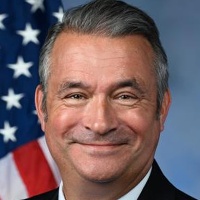
Don Bacon
Representative
NE
Don Bacon
Representative
NE
This Act officially renames Taiwan's primary diplomatic office in the U.S. from the "Taipei Economic and Cultural Representative Office" to the "Taiwan Representative Office." It directs the U.S. government to treat this office with the diplomatic courtesies afforded to other foreign nations, consistent with existing U.S. policy. This renaming does not alter the official U.S. stance on Taiwan's international status or restore full diplomatic relations.
This act establishes research grants and training programs to develop and implement PFAS-free, next-generation turnout gear to protect firefighters from occupational illness and injury.
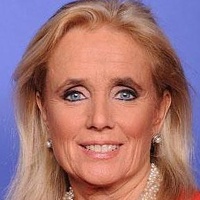
Debbie Dingell
Representative
MI
Debbie Dingell
Representative
MI
The PFAS Alternatives Act aims to protect firefighters by funding research and development for next-generation turnout gear that eliminates harmful PFAS chemicals. The bill establishes grants through NIOSH to create safer, PFAS-free protective equipment and separate funding for training programs on the proper care of this new gear. Ultimately, this legislation seeks to reduce occupational illness and injury among fire and EMS personnel.
The Shipbuilding and Harbor Infrastructure for Prosperity and Security for America Act of 2025 establishes a centralized maritime authority, creates a dedicated funding trust, strengthens sealift capability, mandates increased use of U.S.-flagged vessels, invests heavily in domestic shipbuilding, and enhances workforce development and tax incentives for the maritime industry.
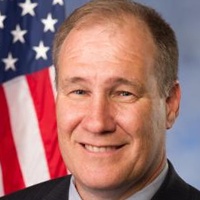
Trent Kelly
Representative
MS
Trent Kelly
Representative
MS
The **Shipbuilding and Harbor Infrastructure for Prosperity and Security for America Act of 2025** is a comprehensive bill designed to revitalize the U.S. maritime industry and secure critical supply chains. It establishes new centralized oversight for maritime policy, creates a dedicated Maritime Security Trust Fund financed by new vessel taxes, and mandates significant federal investment in domestic shipbuilding and workforce development. The legislation also imposes stricter cargo preference rules and tax incentives to ensure U.S.-flagged vessels dominate international commerce and defense sealift operations.
This bill mandates that colleges use a standardized, consumer-friendly financial aid offer form clearly detailing costs, separating grants from loans, and calculating the true out-of-pocket net price for students.
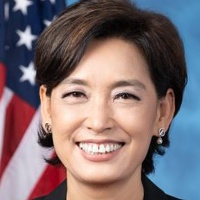
Young Kim
Representative
CA
Young Kim
Representative
CA
The Understanding the True Cost of College Act of 2025 mandates that all institutions receiving federal student aid must use a new, standardized "Financial Aid Offer" form. This form will clearly break down direct and indirect college costs, explicitly separate grants from loans, and prominently display the student's estimated net price. The goal is to ensure students can easily compare aid packages and understand the true financial commitment before enrolling.
The SBIR/STTR Reauthorization Act of 2025 extends critical federal research and development programs for small businesses, increases funding commitments, streamlines commercialization pathways, and enhances program oversight.
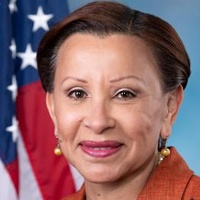
Nydia Velázquez
Representative
NY
Nydia Velázquez
Representative
NY
The SBIR/STTR Reauthorization Act of 2025 extends and significantly enhances federal research and development programs designed to support small businesses. It increases mandatory agency spending on these innovation programs, streamlines the path for award winners to secure commercial contracts with the government, and improves outreach to diverse entrepreneurs. Overall, the bill aims to boost federal investment in small business technology while increasing transparency and oversight of the programs through 2030.
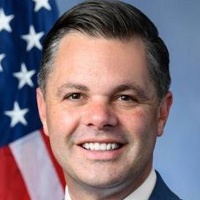
The ReConnecting Rural America Act of 2025 overhauls federal funding to prioritize grants and loans for building high-speed, 100/100 Mbps broadband infrastructure in underserved rural areas.
Zachary (Zach) Nunn
Representative
IA
Zachary (Zach) Nunn
Representative
IA
The ReConnecting Rural America Act of 2025 significantly overhauls federal funding to expand high-speed internet access in underserved rural areas. This legislation prioritizes grants and loans for projects delivering at least 100 Mbps symmetrical speeds, focusing heavily on communities currently lacking adequate service. The bill sets strict buildout timelines, mandates participation in affordability programs, and establishes specific priority criteria for funding distribution through 2030.
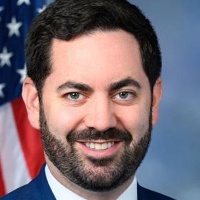
This act prohibits the federal government from procuring certain items containing the harmful chemicals PFOS or PFOA, prioritizing safer alternatives.
Michael Lawler
Representative
NY
Michael Lawler
Representative
NY
The PFAS–Free Procurement Act of 2025 prohibits the federal government from purchasing certain items containing harmful PFAS chemicals, specifically PFOS or PFOA. This ban applies to new or renewed contracts for covered items like stain-resistant furniture, cookware, and utensils. Agencies must prioritize procuring safer, PFAS-free alternatives when available.
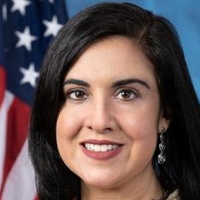
The Better CARE for Animals Act of 2025 strengthens the enforcement of the Animal Welfare Act by expanding investigative authority, establishing new civil penalties up to \$10,000 per day, and explicitly granting the Attorney General power to file civil actions, including seeking seizure and forfeiture of animals.
Nicole Malliotakis
Representative
NY
Nicole Malliotakis
Representative
NY
The Better CARE for Animals Act of 2025 significantly strengthens enforcement of the Animal Welfare Act by clarifying definitions and expanding the scope of investigations. It grants the Attorney General explicit authority to file civil actions seeking penalties up to $10,000 per day, and mandates that collected fines help cover temporary animal care costs. The bill also requires the Secretary of Agriculture and the Attorney General to establish a formal agreement for coordinated enforcement.
The Equality Act comprehensively prohibits discrimination based on sex, sexual orientation, and gender identity across key areas including public accommodations, employment, housing, credit, and jury service.
Mark Takano
Representative
CA
Mark Takano
Representative
CA
The Equality Act comprehensively expands federal civil rights protections against discrimination based on sex, sexual orientation, and gender identity across key areas of American life. It amends existing laws to prohibit discrimination in public accommodations, housing, credit, employment, and federal funding. The purpose of the bill is to provide consistent, explicit, and comprehensive remedies for individuals facing bias in these essential sectors.
This Act prohibits the use of federal funds for medical research involving live animal testing in designated foreign countries, including China, Iran, North Korea, and Russia.

Lisa McClain
Representative
MI
Lisa McClain
Representative
MI
The Accountability in Foreign Animal Research Act prohibits the use of federal funds for medical research or experiments involving live vertebrate animals conducted in or controlled by designated foreign countries, including China, Iran, North Korea, and Russia. This legislation prevents the Department of Health and Human Services from directly funding or supporting any entity in these nations that conducts such animal testing. The Secretary of HHS is also granted the authority to add other "countries of concern" to this banned list, subject to reporting requirements to Congress.
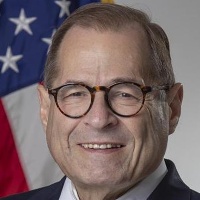
This Act authorizes the President to impose sanctions, including asset freezes and visa bans, on foreign individuals involved in violence, property destruction, or displacement in the West Bank.
Jerrold Nadler
Representative
NY
Jerrold Nadler
Representative
NY
The West Bank Violence Prevention Act of 2025 declares extreme settler violence and displacement in the West Bank a threat to U.S. national security interests. This Act mandates the President to impose sanctions, including asset freezes and visa bans, on foreign individuals responsible for undermining peace and stability in the region. The Treasury Department must report to Congress on the implementation of these sanctions every 90 days.
This bill increases the authorized funding for comprehensive service programs aimed at assisting homeless veterans through fiscal year 2024 and sets a specific funding level for 2025.
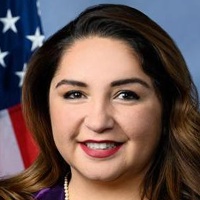
Delia Ramirez
Representative
IL
Delia Ramirez
Representative
IL
This bill aims to strengthen support for homeless veterans by increasing the authorization of appropriations for comprehensive service programs. It extends the funding authorization through fiscal year 2024 and sets a specific funding target of \$350 million for fiscal year 2025. Moving forward, the bill authorizes necessary funding for these vital services indefinitely.
This bill mandates specific, optional cancer screenings and related medical services for Department of Defense firefighters based on age and risk factors.
Don Bacon
Representative
NE
Don Bacon
Representative
NE
The Federal Firefighter Cancer Detection and Prevention Act of 2025 mandates specific, regular cancer screenings for Department of Defense (DoD) firefighters as part of their annual health evaluations. This includes tailored testing for breast, colon, and prostate cancers, based on age and risk factors. While these screenings are offered, participation remains optional for the individual firefighter. The DoD must track participation and anonymized results to monitor cancer trends within the firefighting community.
The Youth Workforce Readiness Act of 2025 establishes grants for out-of-school programs run by community organizations to prepare eligible youth (ages 6-18) for employment through work experience, training, and mentorship, while also strengthening local Youth Councils.
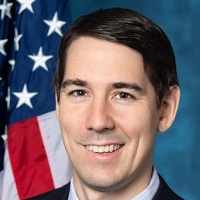
Josh Harder
Representative
CA
Josh Harder
Representative
CA
The Youth Workforce Readiness Act of 2025 establishes a competitive grant program to fund national organizations in developing comprehensive, out-of-school workforce readiness programs for youth aged 6 to 18. This Act aims to boost employment opportunities by connecting youth education and training with employer needs through community partnerships. Furthermore, it strengthens youth voices by mandating the reestablishment and integration of Youth Councils within local workforce boards to advise on training and readiness initiatives.