Legislative Activity
Track Jimmy's sponsored bills, co-sponsored legislation, and voting record
This bill establishes a commission of medical and former government experts to evaluate a President's physical or mental capacity to discharge the duties of the office when directed by Congress.
Jamie Raskin
Representative
MD
Jamie Raskin
Representative
MD
This bill establishes the Commission on Presidential Capacity to Discharge the Powers and Duties of the Office, a body tasked with evaluating the physical or mental fitness of the President. The Commission, composed of medical experts and former high-ranking officials, can be directed by Congress to examine the President. Its findings regarding the President's ability to execute their duties are then reported to Congress and the Vice President.
This bill expands eligibility and flexibility for the Tree Assistance Program to better support orchardists and nursery growers in recovering from natural disasters, pests, and biennial events.
Bill Huizenga
Representative
MI
Bill Huizenga
Representative
MI
The Protecting America’s Orchardists and Nursery Tree Growers Act updates the Tree Assistance Program to provide more flexible support for growers impacted by natural disasters and pests. The bill expands eligibility criteria, streamlines the application process, and allows for greater flexibility in replanting strategies. These changes ensure that orchardists and nursery growers can recover more effectively and adapt their operations to changing environmental conditions.
The SACRED Act establishes federal criminal penalties and civil remedies for the intimidation, harassment, or obstruction of individuals accessing places of religious worship.
Thomas Suozzi
Representative
NY
Thomas Suozzi
Representative
NY
The SACRED Act establishes federal criminal penalties and civil remedies for individuals who intimidate, harass, or obstruct those attempting to enter or exit places of religious worship. By creating a 100-foot protected zone, the bill aims to safeguard the First Amendment right to religious freedom while ensuring the physical safety of congregants.
This resolution seeks to nullify the Department of Education’s recent rule regarding the William D. Ford Federal Direct Loan Program.
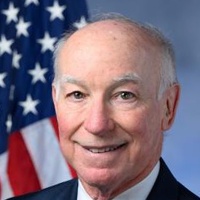
Joe Courtney
Representative
CT
Joe Courtney
Representative
CT
This resolution seeks to exercise congressional disapproval of the Department of Education’s recent rule regarding the William D. Ford Federal Direct Loan Program. If passed, the resolution would nullify the rule, rendering it without force or effect.
The SCHEDULES Act of 2026 mandates that the VA establish and publicly report on standardized timelines for veteran appointment scheduling to ensure timely access to both internal and community care.
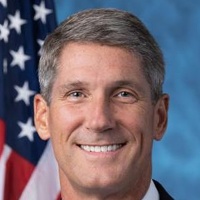
C. Franklin
Representative
FL
C. Franklin
Representative
FL
The SCHEDULES Act of 2026 mandates that the Department of Veterans Affairs establish and publish a clear, comprehensive standard for the maximum allowable wait time between a medical referral and an appointment. To ensure accountability, the bill requires the VA to submit quarterly and annual reports to Congress detailing facility performance, national rankings, and ongoing efforts to improve timely access to care.
This resolution formally recognizes the persistence of the gender wage gap in the United States and reaffirms a commitment to achieving equal pay for equal work.
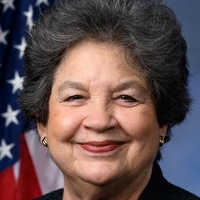
Lois Frankel
Representative
FL
Lois Frankel
Representative
FL
This resolution formally recognizes the persistent gender wage gap in the United States and its significant negative impact on women, families, and the national economy. It highlights the systemic factors contributing to pay disparities across various demographics and occupations. Ultimately, the resolution reaffirms Congress's commitment to achieving equal pay for equal work.
The Fertilizer Transparency Act of 2026 mandates weekly price and quantity reporting for fertilizer manufacturers and wholesalers to provide farmers with greater market transparency through a public USDA dashboard.
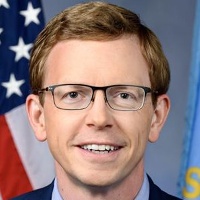
Dusty Johnson
Representative
SD
Dusty Johnson
Representative
SD
The Fertilizer Transparency Act of 2026 mandates weekly price and quantity reporting for fertilizer manufacturers and wholesalers to increase market transparency for farmers. The bill also establishes a public dashboard to track these reports alongside new weekly retail price surveys conducted by the USDA. These measures aim to provide clearer market data while protecting confidential business information and maintaining existing antitrust oversight.
The SHARE Act excludes certain proceeds from shared appreciation mortgages from federal income tax for qualifying low-to-moderate-income homeowners.
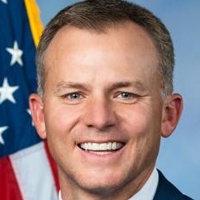
Blake Moore
Representative
UT
Blake Moore
Representative
UT
The SHARE Act proposes to amend the Internal Revenue Code to exclude certain proceeds from shared appreciation mortgages from federal gross income for eligible borrowers. This means borrowers would not pay federal income tax on the shared appreciation portion of these specific second mortgages. The bill aims to provide tax relief for homeowners utilizing these unique financing arrangements.
The Supporting VA Families Act provides Department of Veterans Affairs employees with four additional weeks of unpaid parental leave following the birth, adoption, or foster placement of a child.
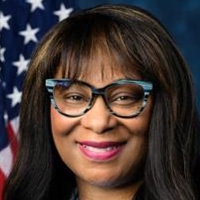
Janelle Bynum
Representative
OR
Janelle Bynum
Representative
OR
The Supporting VA Families Act establishes a supplemental parental leave program for Department of Veterans Affairs employees. This legislation provides eligible staff with four additional administrative weeks of unpaid leave following the birth, adoption, or foster care placement of a child. This benefit is designed to supplement, rather than replace, existing family and medical leave entitlements.
This resolution designates March 21, 2026, as "National Women in Agriculture Day" to honor the vital contributions and leadership of women across the U.S. agricultural sector.
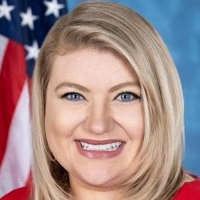
Katherine Cammack
Representative
FL
Katherine Cammack
Representative
FL
This resolution designates March 15–21, 2026, as a period to celebrate the vital contributions of women across the U.S. agricultural sector. It honors the millions of female producers, researchers, and educators who drive innovation and sustain the nation's food supply. By recognizing these leaders, the bill aims to inspire the next generation of women to pursue careers in agriculture and agribusiness.
This bill amends the Federal Funding Accountability and Transparency Act to require federal award information to be posted publicly within three days of issuance rather than thirty.
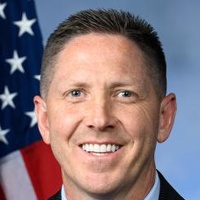
Josh Brecheen
Representative
OK
Josh Brecheen
Representative
OK
This bill amends the Federal Funding Accountability and Transparency Act of 2006 to increase government transparency. It mandates that information regarding federal awards be published online within three days of issuance, significantly accelerating the current 30-day reporting requirement to provide the public with near real-time access.
The Momnibus Act is a comprehensive legislative package designed to improve maternal health outcomes and reduce racial disparities by addressing social determinants, expanding nutritional and mental health support, diversifying the perinatal workforce, and investing in data-driven, community-based care.
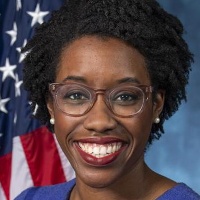
Lauren Underwood
Representative
IL
Lauren Underwood
Representative
IL
The Momnibus Act is a comprehensive legislative package designed to end preventable maternal mortality and close racial and ethnic disparities in maternal health outcomes. By addressing social determinants of health, expanding nutritional and mental health support, and investing in a diverse, culturally competent workforce, the bill provides a holistic framework for improving care. Through targeted federal grants, enhanced data collection, and innovative technology, the Act aims to ensure that all pregnant and postpartum individuals receive the equitable, high-quality care they deserve.
The ACE Act amends the Elementary and Secondary Education Act to reform federal grant distribution formulas, ensuring funding is more equitably allocated to school districts based on poverty concentration rather than total student population.
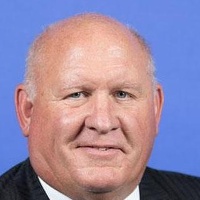
Glenn Thompson
Representative
PA
Glenn Thompson
Representative
PA
The All Children are Equal (ACE) Act aims to reform federal education funding formulas to ensure a more equitable distribution of resources. By phasing out the "number weighting" system that currently favors large school districts, the bill seeks to better support smaller districts with high concentrations of poverty. Starting in fiscal year 2026, these grants will be calculated based solely on the percentage of economically disadvantaged students, correcting systemic funding imbalances.
This bill exempts H-1B healthcare workers from a $100,000 entry fee to help address workforce shortages.
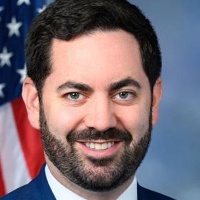
Michael Lawler
Representative
NY
Michael Lawler
Representative
NY
The H-1Bs for Physicians and the Healthcare Workforce Act exempts healthcare workers from a $100,000 entry fee requirement currently imposed on certain H-1B nonimmigrant visa petitions. This legislation aims to remove financial barriers for medical professionals, ensuring they are not subject to fees exceeding standard immigration costs.
The Save Our Sequoias Act establishes a comprehensive federal framework to protect, restore, and manage giant sequoia groves through collaborative partnerships, emergency response programs, and long-term reforestation strategies.
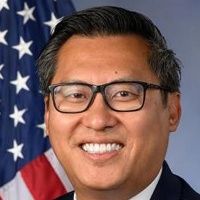
Vince Fong
Representative
CA
Vince Fong
Representative
CA
The Save Our Sequoias Act establishes a comprehensive, multi-agency framework to protect and restore giant sequoia groves from the escalating threats of wildfire, insects, and drought. The legislation creates a collaborative coalition to assess grove health, streamlines emergency protection projects, and authorizes dedicated funding and strike teams to accelerate reforestation and forest management efforts. By fostering partnerships between federal, state, and Tribal entities, the Act aims to ensure the long-term resilience and survival of these iconic trees.
The Enhanced Iran Sanctions Act of 2025 mandates broad economic and immigration sanctions on foreign individuals, entities, and financial institutions that support Iran’s nuclear, missile, drone, or terrorist activities, while specifically targeting the country's petroleum and petrochemical sectors.
Michael Lawler
Representative
NY
Michael Lawler
Representative
NY
The Enhanced Iran Sanctions Act of 2025 strengthens U.S. policy by imposing mandatory sanctions on foreign persons and financial institutions that support Iran’s nuclear, ballistic missile, drone, and terrorist activities. The bill specifically targets Iran’s petroleum and petrochemical sectors to cut off funding for these malign programs. Additionally, it expands the State Department’s "Rewards for Justice" program to incentivize the reporting of individuals who evade these sanctions.
This act expands the Good Neighbor Authority to allow Indian tribes and counties to enter into long-term, 20-year agreements with the federal government for land restoration and recreation projects.
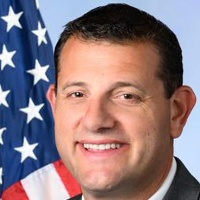
David Valadao
Representative
CA
David Valadao
Representative
CA
The Long-Term Good Neighbor Authority Act expands federal land management partnerships by authorizing the Secretary of Agriculture to enter into agreements directly with counties, in addition to states and Indian tribes. These agreements, which now include both restoration and recreation services, can be established for terms of up to 20 years.
The Infant Formula Safety Modernization Act of 2026 mandates stricter manufacturing testing, rapid pathogen reporting, and enhanced Congressional oversight to ensure the safety of infant formula.

Rosa DeLauro
Representative
CT
Rosa DeLauro
Representative
CT
The Infant Formula Safety Modernization Act of 2026 strengthens federal oversight by mandating rigorous pathogen testing, stricter manufacturing facility standards, and rapid reporting of contamination. The bill requires manufacturers to promptly notify the FDA of positive test results and ensures that Congress is kept informed of critical safety and inspection issues. These measures aim to enhance the safety and quality of infant formula products for all consumers.
This resolution urges Japan to enact a nationwide ban on the slaughter and trade of dogs and cats for human consumption.
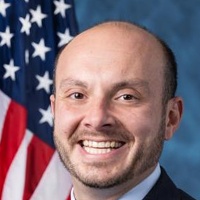
Andrew Garbarino
Representative
NY
Andrew Garbarino
Representative
NY
This resolution expresses the House of Representatives' disapproval of the slaughter of dogs and cats for human consumption. It urges Japan to enact a nationwide ban on the practice, citing the shared values and commitment to animal welfare between the United States and Japan.
The BRUSH Fires Act mandates a comprehensive study by the Forest Service to improve wildfire mitigation strategies and effectiveness specifically within shrubland ecosystems.
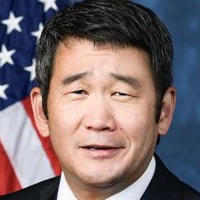
Dave Min
Representative
CA
Dave Min
Representative
CA
The BRUSH Fires Act mandates a comprehensive, one-year study by the Forest Service to evaluate the effectiveness of current wildfire mitigation methods in shrubland ecosystems. This study must analyze fuel management, ignition source control, and implementation hurdles to determine best practices. The resulting report will provide Congress with recommendations for improving fire risk reduction and enhancing partnerships to protect communities near wildlands.