Legislative Activity
Track Scott's sponsored bills, co-sponsored legislation, and voting record
The "Expanding Child Care Access Act of 2025" establishes a tax credit of up to $5,000 for qualified child care startup expenses for licensed family child care providers.
Herbert Conaway
Representative
NJ
Herbert Conaway
Representative
NJ
The "Expanding Child Care Access Act of 2025" introduces a tax credit, up to $5,000, for qualified child care startup expenses incurred by licensed family child care providers. This credit aims to support individuals starting or expanding licensed child care services within their primary residence, covering expenses such as licensing fees, supplies, insurance, and necessary equipment or renovations. The credit is available for a limited time and cannot be claimed for expenses already covered by other deductions or credits.
This bill establishes an Office of Gun Violence Prevention within the Department of Justice to coordinate gun violence prevention efforts, evaluate related programs and policies, recommend evidence-based strategies, and assist communities affected by gun violence.
Maxwell Frost
Representative
FL
Maxwell Frost
Representative
FL
The "Office of Gun Violence Prevention Act of 2025" establishes an Office of Gun Violence Prevention within the Department of Justice, led by a Director appointed by the Attorney General, to coordinate gun violence prevention efforts, evaluate related laws and programs, and recommend evidence-based policies to Congress and the President. The Director will also convene an advisory council comprising various officials and at least 12 additional individuals representing gun violence survivors, community violence intervention service providers, and other relevant groups. The Office will also assist communities affected by gun violence with crisis response activities, such as providing access to mental health services and suicide prevention resources. Finally, the act authorizes the appropriation of necessary funds to carry out the provisions of the bill.
The "More Homes on the Market Act" increases the tax exclusion for profit from the sale of a primary residence, incentivizing homeowners to sell and increasing housing supply.
Jimmy Panetta
Representative
CA
Jimmy Panetta
Representative
CA
The "More Homes on the Market Act" increases the tax exclusion for profit from the sale of a primary residence, raising it to $500,000 for single filers and $1,000,000 for married couples filing jointly. These amounts will be adjusted for inflation starting in 2025. This change encourages homeowners to sell their properties, thereby increasing the availability of homes on the market.
The "PSA Screening for HIM Act" ensures that high-risk men, including African-American men and those with a family history of prostate cancer, have access to prostate cancer screenings without cost-sharing under group health plans and insurance coverage.
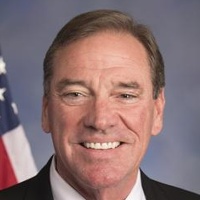
Neal Dunn
Representative
FL
Neal Dunn
Representative
FL
The "PSA Screening for HIM Act" aims to improve early detection of prostate cancer by requiring group health plans and health insurance issuers to cover prostate cancer screenings without cost-sharing for high-risk men aged 40 and over, including African-American men and those with a family history of the disease. This coverage mandate ensures that high-risk individuals have access to potentially life-saving screenings, aligning with the goal of reducing prostate cancer-related deaths and improving treatment outcomes. The Act defines "men with a family history of prostate cancer" as those with a first-degree relative with prostate cancer, associated cancers, or genetic alterations linked to increased risk. This provision is set to take effect for plan years starting on or after January 1, 2026.
The "Ending DOGE Conflicts Act" mandates financial disclosures for special government employees who own or lead companies contracting with the federal government, ensuring transparency and preventing conflicts of interest.
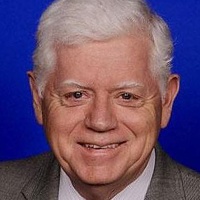
John Larson
Representative
CT
John Larson
Representative
CT
The "Ending DOGE Conflicts Act" mandates that special government employees with financial ties to companies contracting with the federal government must adhere to strict financial disclosure requirements. It requires the Director of the Office of Government Ethics to certify these employees' financial reports and prohibits them from performing official duties until compliance is confirmed.
The United States-Israel Defense Partnership Act of 2025 bolsters defense cooperation between the U.S. and Israel through joint programs, funding increases, and extended authorities related to countering unmanned systems, anti-tunnel technology, emerging technologies, and war reserve stockpiles, while also exploring Israel's inclusion in the national technology and industrial base and assessing integrated air and missile defense in the CENTCOM region.
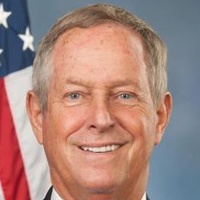
Joe Wilson
Representative
SC
Joe Wilson
Representative
SC
The United States-Israel Defense Partnership Act of 2025 seeks to bolster the defense relationship between the United States and Israel through joint initiatives and increased cooperation. It establishes programs to counter unmanned systems, extend anti-tunnel and counter-UAS cooperation, and promote collaboration in emerging technologies like AI and cybersecurity. The act also mandates the establishment of a Defense Innovation Unit office in Israel and assesses integrated air and missile defense in the U.S. Central Command region. Finally, it explores Israel's potential inclusion in the national technology and industrial base.
This proposed constitutional amendment establishes that constitutional rights apply only to natural persons and grants governments the authority to regulate political spending to ensure fair democratic participation.
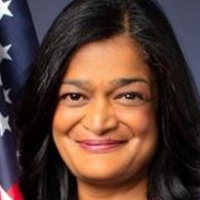
Pramila Jayapal
Representative
WA
Pramila Jayapal
Representative
WA
This proposed constitutional amendment establishes that constitutional rights belong exclusively to natural persons, not artificial entities like corporations. It further empowers governments to regulate campaign contributions and expenditures to ensure fair political participation, explicitly stating that spending money to influence elections is not protected as free speech. Finally, the amendment includes a specific provision to ensure these changes do not restrict the freedom of the press.
The "Alternatives to PAIN Act" aims to improve Medicare Part D coverage for non-opioid pain management drugs by reducing cost-sharing and removing barriers like step therapy and prior authorization, starting in 2026.
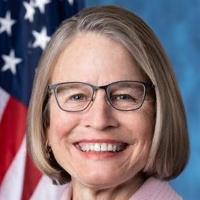
Mariannette Miller-Meeks
Representative
IA
Mariannette Miller-Meeks
Representative
IA
The "Alternatives to PAIN Act" amends Medicare Part D to improve access to non-opioid pain management drugs by waiving deductibles and ensuring they are placed on the lowest cost-sharing tier starting in 2026. The Act also prohibits the use of step therapy and prior authorization requirements for these drugs, further easing access for patients. These changes aim to provide more accessible alternatives for pain management, reducing reliance on opioids.
The "National Plan for Epilepsy Act" aims to create a comprehensive national strategy to improve epilepsy prevention, diagnosis, treatment, and research through coordinated federal efforts and an advisory council.
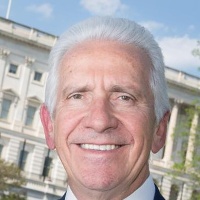
Jim Costa
Representative
CA
Jim Costa
Representative
CA
The "National Plan for Epilepsy Act" aims to address the significant impact of epilepsy by establishing a comprehensive national plan for its prevention, diagnosis, treatment, and cure. This act mandates the creation of an Advisory Council on Epilepsy Research, Care, and Services, composed of federal and non-federal experts, to evaluate and improve federally funded epilepsy efforts. The council will provide recommendations to enhance coordination, diagnosis, treatment, research, and public awareness, and reduce the financial burden of epilepsy on families. Ultimately, the act seeks to improve the lives of individuals with epilepsy and their caregivers through coordinated research, improved access to care, and enhanced public awareness.
Prohibits federal funds from being used to eliminate the United States Agency for International Development (USAID) as an independent entity, requiring the Secretary of State to certify compliance.
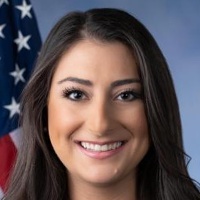
Sara Jacobs
Representative
CA
Sara Jacobs
Representative
CA
The "Protect US National Security Act" ensures that federal funds cannot be used to eliminate the United States Agency for International Development (USAID) as an independent entity. It asserts that only an act of Congress can eliminate USAID. The Secretary of State must certify compliance with this requirement to Congress within 30 days of the act's enactment and annually for 5 years.
This bill excludes certain veterans’ disability benefits from income calculations for HUD-VASH and other housing assistance programs to increase eligibility for unhoused disabled veterans.
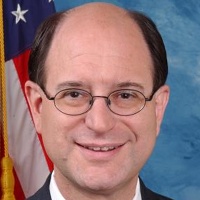
Brad Sherman
Representative
CA
Brad Sherman
Representative
CA
The Housing Unhoused Disabled Veterans Act aims to increase housing accessibility for veterans by excluding VA disability benefits from income calculations for HUD-VASH and other specific housing programs. By disregarding these benefits when determining eligibility, the bill ensures that disabled veterans can more easily qualify for essential housing assistance.
The Credit Union Board Modernization Act updates federal requirements to allow credit unions to determine board meeting frequency based on their age and financial performance ratings.
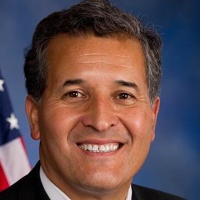
Juan Vargas
Representative
CA
Juan Vargas
Representative
CA
The Credit Union Board Modernization Act updates federal requirements for board of directors meetings, moving away from a mandatory monthly schedule. Under this bill, meeting frequency will be determined by a credit union’s age and its financial performance ratings, allowing high-performing institutions greater operational flexibility while maintaining oversight for newer or lower-rated credit unions.
The "Freedom to Invest in Tomorrow's Workforce Act" expands the use of 529 savings accounts to cover expenses related to postsecondary credentialing programs, including tuition, fees, books, supplies, equipment, and testing fees.

Robert Wittman
Representative
VA
Robert Wittman
Representative
VA
The "Freedom to Invest in Tomorrow's Workforce Act" amends Section 529 savings accounts to include expenses related to postsecondary credentialing programs. This allows 529 funds to cover costs like tuition, fees, books, supplies, and testing fees for recognized programs and credentials, as defined by the bill. These changes would apply to distributions made after the bill is enacted.
The "Protecting Sensitive Locations Act" restricts immigration enforcement actions at sensitive locations like schools and places of worship, requiring discretion and oversight.
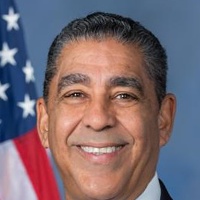
Adriano Espaillat
Representative
NY
Adriano Espaillat
Representative
NY
The "Protecting Sensitive Locations Act" amends the Immigration and Nationality Act to restrict immigration enforcement actions within 1,000 feet of sensitive locations like schools, hospitals, and places of worship, except in exigent circumstances. It mandates training, reporting, and oversight for enforcement activities near these locations, and invalidates evidence obtained in violation of the Act. The Act aims to ensure discretion and limit enforcement impact on sensitive community spaces, while also requiring annual reports to Congress on enforcement actions taken in sensitive locations.
The Protect Our Letter Carriers Act of 2025 authorizes $7 billion to upgrade postal security infrastructure while mandating dedicated federal prosecutors for postal crimes and increasing sentencing guidelines for assaults against postal employees.
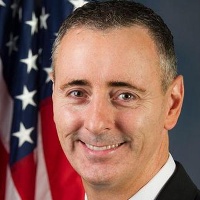
Brian Fitzpatrick
Representative
PA
Brian Fitzpatrick
Representative
PA
The Protect Our Letter Carriers Act of 2025 aims to enhance the safety of postal workers by funding high-security infrastructure upgrades, including electronic mailbox keys. The bill also mandates the appointment of dedicated federal prosecutors for postal crimes in every judicial district and requires stricter sentencing guidelines for those who assault or rob postal employees.
The Scientific Integrity Act mandates federal agencies to establish and enforce scientific integrity policies that protect scientific research from political interference, ensure open communication of scientific findings, and provide whistleblower protection for scientists.
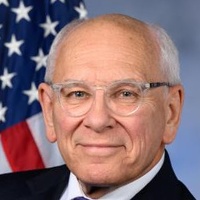
Paul Tonko
Representative
NY
Paul Tonko
Representative
NY
The Scientific Integrity Act mandates that federal agencies that fund, conduct, or oversee scientific research establish and enforce scientific integrity policies. These policies aim to protect scientists from political interference, ensure the open communication of scientific findings, and establish clear processes for reporting and addressing scientific misconduct. The Act requires agencies to appoint Scientific Integrity Officers, provide regular training, and report on misconduct complaints, with oversight from the Office of Science and Technology Policy and Congress. It also protects the rights of federal employees and contractors to share their findings and prevents the suppression or distortion of scientific data.
The Project Turnkey Act authorizes $1 billion in annual funding for states and local organizations to acquire, convert, and operate properties to combat homelessness and expand affordable housing.
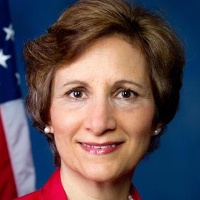
Suzanne Bonamici
Representative
OR
Suzanne Bonamici
Representative
OR
The Project Turnkey Act establishes a $1 billion annual program to address homelessness and housing instability by providing flexible funding to states, local governments, and nonprofits. These funds support a wide range of activities, including the acquisition and conversion of properties into affordable housing, rental assistance, and essential supportive services. By streamlining requirements and expanding eligible uses, the program aims to rapidly increase housing capacity for vulnerable individuals and families.
The "Truth in Tuition Act of 2025" mandates that colleges provide students with clear, multi-year tuition schedules or single-year schedules with cost estimates, ensuring transparency in education expenses.
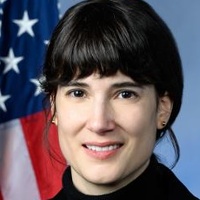
Marie Gluesenkamp Perez
Representative
WA
Marie Gluesenkamp Perez
Representative
WA
The "Truth in Tuition Act of 2025" mandates that colleges provide students with clear information about tuition costs, either through a multi-year tuition schedule or a single-year schedule accompanied by a multi-year cost estimate. Colleges opting for single-year schedules must also disclose the historical accuracy of their estimates. The Secretary of Education has the authority to waive these requirements under specific circumstances. This act aims to provide students with greater transparency and predictability regarding the cost of their education.
The "Taxpayer Data Protection Act" limits access to the Treasury Department's payment systems to authorized personnel and requires investigation and reporting of unauthorized access.

Haley Stevens
Representative
MI
Haley Stevens
Representative
MI
The Taxpayer Data Protection Act limits access to the Treasury Department's payment systems to Treasury employees or contractors with satisfactory performance reviews and security clearances. It sets specific criteria for individuals accessing the system, including conflict of interest restrictions, training, and ethics agreements. The Act also mandates the Treasury Department's Inspector General to investigate and report to Congress on any unauthorized system use.
Establishes a commission to study the feasibility of creating a National Museum of Italian American History and Culture in Washington, D.C., funded through private contributions.
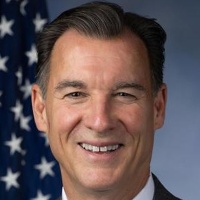
Thomas Suozzi
Representative
NY
Thomas Suozzi
Representative
NY
This bill establishes a commission to study the feasibility of creating a National Museum of Italian American History and Culture in Washington, D.C. The commission will develop recommendations for a plan of action, including a fundraising plan to support the museum's establishment, operation, and maintenance without federal funds. The commission will submit reports to the President and Congress, and will conclude 30 days after submitting its final reports. No federal funds will be used for the commission's work.