This act establishes a bipartisan task force to evaluate the impact of the affordable housing crisis on life outcomes and federal program costs, providing recommendations to Congress for improvement.
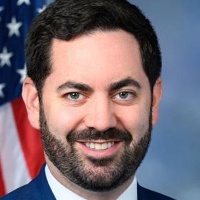
Michael Lawler
Representative
NY-17
The Task Force on the Impact of the Affordable Housing Crisis Act of 2026 establishes a bipartisan commission to evaluate how the lack of affordable housing affects key life outcomes, such as health, education, and economic stability. The Task Force will quantify the financial burden this crisis places on government programs and provide Congress with evidence-based recommendations to improve policy effectiveness. Ultimately, this initiative aims to leverage affordable housing as a tool to enhance public well-being and strengthen community revitalization.
New Task Force to Map the Domino Effect of the Affordable Housing Crisis Through 2030
It is no secret that the rent is too high, but a new piece of legislation aims to prove exactly how that high rent makes everything else in your life harder. The Task Force on the Impact of the Affordable Housing Crisis Act of 2026 creates an 18-member expert panel to stop looking at housing in a vacuum. Instead, they are tasked with putting a price tag on how housing instability drains other systems, from local school budgets to emergency room costs. By defining affordable housing strictly as spending no more than 30% of your income on rent and utilities, the bill sets a clear benchmark to measure who is falling through the cracks and how that ripples through the economy.
Connecting the Dots from Rent to Reality
This isn't just about counting houses; it’s about measuring the stress on a family’s entire life. The task force is required by Section 5 to investigate how the lack of a stable home affects a person’s health, their kids' education, and even their ability to get to work. Imagine a parent who has to move every six months because of rising costs; this bill wants to quantify how that instability affects their child’s test scores and the local school's resources. By looking at "life outcomes," the government is essentially trying to see if spending a dollar on housing might save two dollars on healthcare or unemployment benefits down the road.
A Bipartisan Deep Dive into the Data
The task force will be a mix of 18 academics and policy pros, split evenly between appointments from both sides of the aisle. They aren't just sitting in a room talking, either—Section 6 gives them the teeth to pull data directly from other federal agencies and hold public hearings. This means they can look at real numbers from the Department of Labor or Health and Human Services to see the overlap between housing costs and poverty levels. For the average person, this could mean that future government programs are designed more efficiently, recognizing that you can’t fix employment or health issues if someone doesn’t have a reliable place to sleep.
The Two-Year Clock and Public Input
Time is built into the bill to ensure this doesn't become a permanent bureaucracy. The task force has a two-year lifespan once the members are appointed, and they are legally required to open a 90-day window for public comment. This is the part where regular folks—whether you're a contractor seeing housing costs spike or a retail manager struggling to keep staff who can't afford to live near the store—get to weigh in. The final goal is a comprehensive report to Congress that doesn't just list problems, but offers specific recommendations on how to use housing as a tool to make other federal programs actually work for the people they’re supposed to serve.