Legislative Activity
Track Mark's sponsored bills, co-sponsored legislation, and voting record
This Act establishes a new CDC center to declare racism a public health crisis and funds research and programs to dismantle structural racism and study the health impacts of police violence.
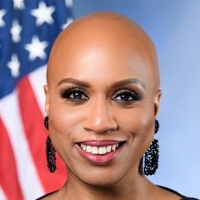
Ayanna Pressley
Representative
MA
Ayanna Pressley
Representative
MA
The Anti-Racism in Public Health Act of 2025 establishes a new National Center on Antiracism and Health within the CDC to declare racism a public health crisis and develop policies to dismantle structural inequities. It also creates a dedicated program within the CDC to research the health consequences of police violence and develop public health strategies to prevent related injuries and deaths. Both initiatives mandate extensive data collection, research funding, and public education to promote racial equity in health outcomes.
This Act establishes an Advisory Council to survey needs, identify best practices, and disseminate comprehensive resources for victims of all forms of gun violence.
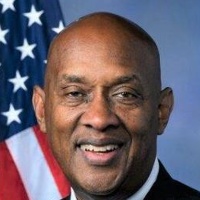
Dwight Evans
Representative
PA
Dwight Evans
Representative
PA
The Resources for Victims of Gun Violence Act of 2025 establishes an Advisory Council, led by HHS, to assess the needs of gun violence victims and service providers. This Council will survey stakeholders, review existing support programs, and identify best practices for medical, financial, and mental health assistance. Its primary function is to compile and widely distribute a comprehensive list of available federal, state, and nonprofit resources to ensure victims can easily access necessary aid.
This resolution expresses Congressional support for library staff, recognizes the essential community services libraries provide, and defends the right of all citizens to freely access information.
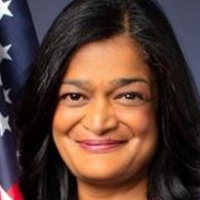
Pramila Jayapal
Representative
WA
Pramila Jayapal
Representative
WA
This resolution expresses strong support for library staff and the essential, expanded community services libraries provide, from social support to digital access. It calls for funding commensurate with these vital roles and defends the right of all citizens to freely access information. Furthermore, the bill supports the civil rights and union voice of library workers against threats and censorship.
This Act makes the existing tax credit for adoption expenses fully refundable, allowing taxpayers to receive the excess credit amount as a refund for tax years beginning after December 31, 2025.
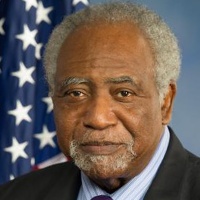
Danny Davis
Representative
IL
Danny Davis
Representative
IL
The Adoption Tax Credit Refundability Act of 2025 makes the existing tax credit for adoption expenses fully refundable, meaning taxpayers can receive the excess credit amount as a refund. This is achieved by renumbering the credit section and updating related tax code references. The bill also mandates new regulations for verifying adoptions via standardized affidavits. These changes will apply to tax years beginning after December 31, 2025.
This resolution supports designating April 10th as "Dolores Huerta Day" to honor the lifelong accomplishments and legacy of the trailblazing labor and civil rights leader.
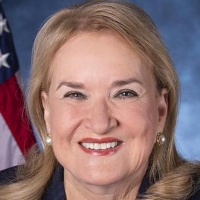
Sylvia Garcia
Representative
TX
Sylvia Garcia
Representative
TX
This resolution supports the designation of April 10th as "Dolores Huerta Day" to honor her legacy as a trailblazing labor and civil rights leader. It recognizes her foundational work co-founding the United Farm Workers and her lifelong fight for economic justice, workers' rights, and equality. The bill formally celebrates her accomplishments without creating new laws or programs.
The SOAR Act of 2025 reforms Medicare oxygen benefits by removing competitive bidding, establishing specific supplier responsibilities, enhancing fraud protection through electronic documentation, and enshrining patient rights for supplemental oxygen recipients.
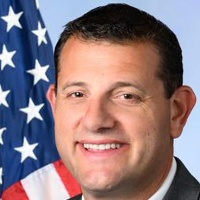
David Valadao
Representative
CA
David Valadao
Representative
CA
The SOAR Act of 2025 aims to significantly reform Medicare access to supplemental oxygen by removing it from the competitive bidding program and establishing new payment rates. The bill also mandates clearer documentation requirements for medical necessity using electronic templates and restores clinical judgment in claim audits. Finally, it establishes specific rights for oxygen beneficiaries and improves reimbursement for respiratory therapists.
The WISE Act aims to remove barriers for immigrant survivors of crime and abuse seeking legal status, while significantly reforming and expanding protections within the U-visa program and other victim-based immigration relief.
Pramila Jayapal
Representative
WA
Pramila Jayapal
Representative
WA
The Working for Immigrant Safety and Empowerment (WISE) Act aims to strengthen protections and streamline legal pathways for non-citizen survivors of crime and abuse, including domestic violence and trafficking. The bill reforms the U-visa program by eliminating its annual cap and speeding up work authorization for victims. It also establishes new protections against detention and deportation for victims with pending humanitarian applications and expands access to public benefits for certain lawfully present noncitizens.
This Act mandates comprehensive mental health education within the military's Transition Assistance Program and the VA's Solid Start Program to better support servicemembers leaving the military and reduce veteran suicide.
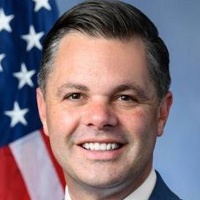
Zachary (Zach) Nunn
Representative
IA
Zachary (Zach) Nunn
Representative
IA
This Act mandates improvements to the mental health components of the Department of Defense's Transition Assistance Program (TAP) and the Department of Veterans Affairs' Solid Start Program. It ensures transitioning service members and new veterans receive comprehensive information on available mental health services, suicide risk, and related support resources. The Secretaries of Defense and Veterans Affairs must jointly report to Congress on these updates within one year of enactment.
This Act expands Medicare coverage to include audiology services provided directly by qualified audiologists starting in 2027, removing physician supervision and referral requirements.

Gus Bilirakis
Representative
FL
Gus Bilirakis
Representative
FL
The Medicare Audiology Access Improvement Act of 2025 expands Medicare coverage for audiology services, beginning in 2027. This legislation allows qualified audiologists to provide diagnostic and treatment services without physician referral or supervision, as permitted by state law. The bill also specifies payment rates and includes audiologists in coverage for Rural Health Clinics and Federally Qualified Health Centers.
This bill establishes the American Family Act, which revamps the Child Tax Credit into a system of refundable monthly advance payments for qualifying children and a separate credit for other dependents.
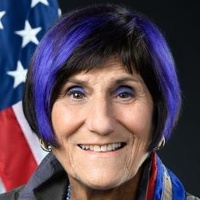
Rosa DeLauro
Representative
CT
Rosa DeLauro
Representative
CT
The American Family Act fundamentally overhauls the Child Tax Credit by replacing the annual lump sum with a system of advance, refundable monthly payments delivered directly to families. These monthly allowances vary based on the child's age, with higher amounts provided for younger children. The bill also establishes a separate, smaller credit for other dependents and outlines procedures for annual renewal and reconciliation of advance payments when filing taxes.
This resolution urges the United States to lead global efforts to halt the nuclear arms race, reduce existing stockpiles, and implement verifiable measures to prevent nuclear war.
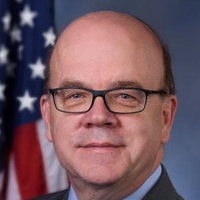
James McGovern
Representative
MA
James McGovern
Representative
MA
This resolution urges the United States to immediately prioritize global nuclear disarmament and lead the world back from the brink of nuclear war. It calls on the President to negotiate verifiable arms reduction treaties with all nuclear states to halt the arms race and prevent catastrophic conflict. Key actions include renouncing "first use," ending hair-trigger alert postures, and ceasing the development of new nuclear weapons. Furthermore, the bill demands comprehensive support, cleanup, and economic transition planning for communities and workers affected by past and present nuclear activities.
The Gas-Operated Semi-Automatic Firearms Exclusion (GOSAFE) Act prohibits the manufacture, sale, and possession of certain gas-operated semi-automatic firearms and large-capacity ammunition feeding devices, while establishing a formal process for firearm determinations and funding buy-back programs.
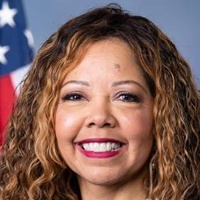
Lucy McBath
Representative
GA
Lucy McBath
Representative
GA
The Gas-Operated Semi-Automatic Firearms Exclusion Act (GOSAFE Act) prohibits the manufacture, sale, and possession of certain gas-operated semi-automatic firearms and large-capacity ammunition feeding devices (over 10 rounds). The bill establishes a formal process managed by the Attorney General and ATF to list prohibited firearms, while grandfathering existing possessions under strict transfer rules. Furthermore, it permits states to use federal Byrne grants for voluntary buy-back programs targeting these newly restricted items. Violations carry significant fines and potential prison sentences.
This act bans bump stocks and similar devices that increase the firing rate of semi-automatic firearms, requiring registration for any previously modified weapons.
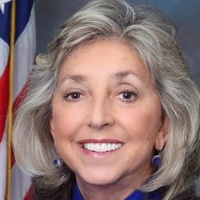
Dina Titus
Representative
NV
Dina Titus
Representative
NV
The Closing the Bump Stock Loophole Act of 2025 seeks to amend federal gun laws by banning devices and modifications that significantly increase the rate of fire of semiautomatic firearms, effectively treating them like machineguns. The bill specifically prohibits the manufacture, sale, or possession of such accessories and modified firearms after 120 days of enactment. Existing owners of previously modified firearms must register them under the National Firearms Act within that same timeframe to legally keep them.
This bill prevents Congress from using the reconciliation process to cut funding or eligibility for Medicaid and SNAP until January 20, 2029.
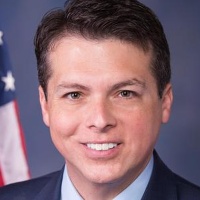
Brendan Boyle
Representative
PA
Brendan Boyle
Representative
PA
The Hands Off Medicaid and SNAP Act of 2025 prevents Congress from using the budget reconciliation process to cut funding or eligibility for Medicaid and the Supplemental Nutrition Assistance Program (SNAP). This protection establishes a significant procedural roadblock against reducing benefits for these essential social programs. However, this restriction is temporary and is set to expire on January 20, 2029.
This Act prohibits federal funding for police in schools and establishes grants to help districts replace law enforcement with mental health and support staff.
Ayanna Pressley
Representative
MA
Ayanna Pressley
Representative
MA
The Counseling Not Criminalization in Schools Act aims to shift federal funding away from placing police officers in schools toward hiring mental health professionals and implementing evidence-based support services. This legislation prohibits the use of federal funds for school law enforcement personnel and establishes a major grant program to support local districts transitioning away from police contracts. The goal is to replace policing with systems of care to create safer, more equitable school environments, especially for marginalized students.
This Act mandates the high-resolution surveying and mapping of the Great Lakes lakebeds by NOAA, with data to be made publicly available by the end of 2030.

Lisa McClain
Representative
MI
Lisa McClain
Representative
MI
The Great Lakes Mapping Act of 2025 mandates a high-resolution survey and mapping of the Great Lakes lakebeds, to be completed by December 31, 2030. Led by NOAA, this effort requires collaboration with state and regional partners to collect and catalog detailed bathymetric data. The resulting high-resolution map and associated data must be made publicly available as it is completed and fully released within 180 days of project completion.
This Act establishes federal minimum standards for public employee collective bargaining rights, allowing states to maintain their own laws if they meet or exceed these standards, otherwise the Federal Labor Relations Authority will enforce federal rules.
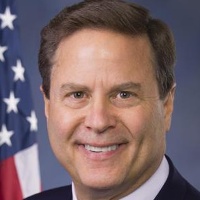
Donald Norcross
Representative
NJ
Donald Norcross
Representative
NJ
The Public Service Freedom to Negotiate Act of 2025 establishes federal minimum standards for collective bargaining rights for public employees across the nation. It requires the Federal Labor Relations Authority (FLRA) to review state laws to ensure they substantially provide these minimum rights, including the right to organize and bargain collectively. If a state fails to meet these standards, the FLRA will administer federal labor relations rules for the uncovered employees. The Act also prohibits strikes or lockouts that would measurably disrupt emergency or public safety services.
The Raise the Wage Act of 2025 gradually increases the federal minimum wage to \$17.00, phases out subminimum wages for tipped employees and workers with disabilities, and eliminates the subminimum wage for young workers.
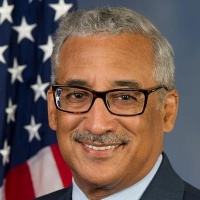
Robert Scott
Representative
VA
Robert Scott
Representative
VA
The Raise the Wage Act of 2025 establishes a phased increase of the federal minimum wage, culminating in a \$17.00 per hour rate five years after enactment, followed by automatic annual adjustments tied to median wage growth. This bill also phases out the lower minimum wage for tipped employees and workers under 20, ensuring they eventually earn the standard federal minimum wage. Furthermore, it sets a schedule to eliminate subminimum wages for individuals with disabilities and prohibits the issuance of new special certificates allowing for lower pay.
This Act allows employees to fully deduct union dues above the line and restores the itemized deduction for certain other job-related business expenses.
Brendan Boyle
Representative
PA
Brendan Boyle
Representative
PA
The Tax Fairness for Workers Act restores key federal tax deductions for employees, effective after 2024. This legislation makes union dues fully deductible "above the line," meaning they reduce Adjusted Gross Income without itemizing. Additionally, it allows itemizers to deduct certain other job-related business expenses that were previously limited.
This act authorizes $20 million annually through fiscal year 2030 for the NINDS to supplement research specifically focused on unruptured brain aneurysms across diverse populations.
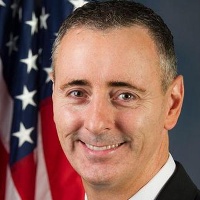
Brian Fitzpatrick
Representative
PA
Brian Fitzpatrick
Representative
PA
The Ellie Helton, Lisa Colagrossi, Kristen Shafer Englert, Teresa Anne Lawrence, and Jennifer Sedney Focused Research Act, or "Ellies Law," addresses the high incidence and devastating impact of brain aneurysms in the U.S. The bill authorizes $20 million annually from Fiscal Year 2026 through 2030 for the National Institute of Neurological Disorders and Stroke (NINDS). This dedicated funding is specifically intended to supplement existing research efforts focused on unruptured intracranial aneurysms across diverse populations.