
Legislative Activity
Track Ilhan's sponsored bills, co-sponsored legislation, and voting record
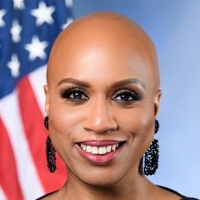
This resolution recognizes March 10, 2026, as "Abortion Provider Appreciation Day" to honor the essential care provided by abortion staff and to affirm a commitment to protecting their safety and access to reproductive healthcare.
Ayanna Pressley
Representative
MA
Ayanna Pressley
Representative
MA
This resolution recognizes March 10, 2026, as "Abortion Provider Appreciation Day" to honor the essential care and dedication of abortion providers and clinic staff. It highlights the challenges and violence faced by these professionals while affirming a commitment to protecting their safety and ensuring universal access to abortion care. The resolution further condemns legislative and judicial actions that restrict reproductive rights and worsen health inequities.
This bill amends the Fair Labor Standards Act to extend minimum wage and overtime protections to home care workers by removing certain exemptions for casual babysitting and caregiving services.

Alexandria Ocasio-Cortez
Representative
NY
Alexandria Ocasio-Cortez
Representative
NY
The Fair Wages for Home Care Workers Act amends the Fair Labor Standards Act to ensure essential wage and overtime protections for caregivers. By updating definitions and removing outdated exemptions, the bill guarantees that home care workers receive the fair compensation and labor standards they deserve.
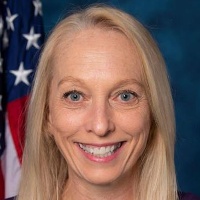
The Take Back Our Hospitals Act of 2026 prohibits Medicare payments to hospitals and skilled nursing facilities owned or controlled by private equity funds or real estate investment trusts.
Mary Scanlon
Representative
PA
Mary Scanlon
Representative
PA
The Take Back Our Hospitals Act of 2026 prohibits Medicare payments to hospitals and skilled nursing facilities owned or controlled by private equity funds or real estate investment trusts. This legislation aims to reduce the influence of investment firms in healthcare by mandating divestiture or loss of federal funding. Existing facilities are granted a three-year transition period to comply with these new ownership restrictions.
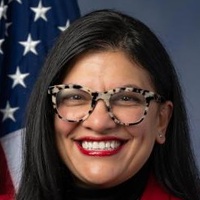
This bill reforms the Espionage Act to narrow the scope of potential prosecutions and establishes new legal defenses for whistleblowers who disclose classified information in the public interest.
Rashida Tlaib
Representative
MI
Rashida Tlaib
Representative
MI
The Daniel Ellsberg Press Freedom and Whistleblower Protection Act of 2026 reforms federal espionage laws to better protect journalists and whistleblowers. The bill narrows the scope of who can be prosecuted for disclosing classified information and introduces new legal defenses for those who expose government misconduct, illegal acts, or threats to public safety.
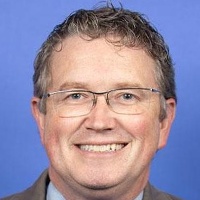
This resolution directs the President to remove U.S. Armed Forces from unauthorized hostilities against Iran, pursuant to the War Powers Resolution.
Thomas Massie
Representative
KY
Thomas Massie
Representative
KY
This resolution directs the President, under the authority of the War Powers Resolution, to immediately remove U.S. Armed Forces from unauthorized hostilities against the Islamic Republic of Iran. It asserts that military action must cease unless Congress has formally declared war or passed a specific authorization for the use of force. The bill explicitly states that it does not authorize new military action nor does it impede necessary self-defense against an immediate attack.
This resolution urges the President to order U.S. flags flown at half-staff to honor the life and legacy of civil rights leader Reverend Jesse Jackson.
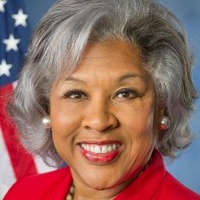
Joyce Beatty
Representative
OH
Joyce Beatty
Representative
OH
This resolution formally honors the life and enduring legacy of civil rights leader Reverend Jesse Louis Burns Jackson, Sr. It recognizes his significant contributions to the Civil Rights Movement, including his work with Dr. Martin Luther King, Jr. and his founding of Operation PUSH. The bill specifically urges the President to order that the U.S. flag be flown at half-staff in his memory.
The Data Center Community Impact Act establishes a federal grant fund to support infrastructure and community development in areas affected by data centers while mandating a comprehensive study on their environmental and socioeconomic impacts.
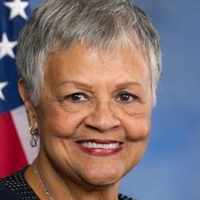
Bonnie Watson Coleman
Representative
NJ
Bonnie Watson Coleman
Representative
NJ
The Data Center Community Impact Act establishes a federal fund to provide grants to state, local, and tribal governments for infrastructure, housing, and environmental projects in communities affected by data center operations. The bill prioritizes support for low-income communities and communities of color, which are often disproportionately impacted by the energy and water demands of these facilities. Additionally, the Act mandates a comprehensive federal study to assess the long-term environmental, economic, and public health effects of data centers on these vulnerable populations.
This act renames Medicare Advantage to the Alternative Private Health Plan program and imposes a $\$100,000$ civil money penalty for advertising plans using the term "Medicare" in their title.
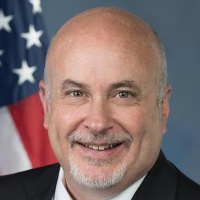
Mark Pocan
Representative
WI
Mark Pocan
Representative
WI
The Save Medicare Act renames the Medicare Advantage program to the "Alternative Private Health Plan program." It also establishes a significant civil money penalty of \$100,000 for any entity that advertises a Part C plan using the term "Medicare" in its title. The bill mandates an orderly transition to the new program name by October 15, 2023.
This bill strengthens democracy by banning foreign spending in U.S. elections, increasing transparency for "dark money" in politics, and mandating clear disclosure of funders in political advertising.
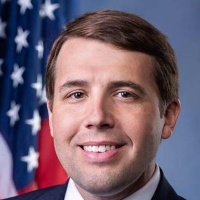
Chris Pappas
Representative
NH
Chris Pappas
Representative
NH
The Democracy Is Strengthened by Casting Light On Spending in Elections Act of 2026 aims to increase transparency and security in U.S. elections. It closes loopholes to ban foreign national spending in elections, mandates disclosure for "dark money" political spending, and requires clear funding disclosures on political ads. The bill also centralizes legal challenges to campaign finance laws in Washington, D.C., for faster resolution.
The Direct File Act of 2026 establishes a permanent, free, government-owned online tax filing system within the IRS while prohibiting agreements that restrict the government from providing tax preparation services.
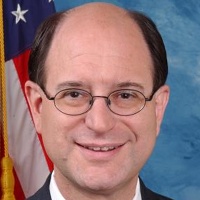
Brad Sherman
Representative
CA
Brad Sherman
Representative
CA
The Direct File Act of 2026 establishes a permanent, free, government-owned online tax filing system within the IRS, ensuring taxpayers have a simplified and accessible way to file their returns. The bill prohibits the Treasury from entering into agreements that restrict the government's ability to provide these services and mandates the integration of state tax filing options. Additionally, it streamlines the tax process by setting new filing deadlines for employer information returns to improve efficiency for all taxpayers.
This resolution honors the life, legacy, and enduring commitment to civil rights and equality of Reverend Jesse Louis Jackson, Sr.
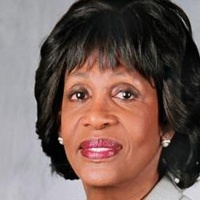
Maxine Waters
Representative
CA
Maxine Waters
Representative
CA
This resolution honors the life, leadership, and enduring legacy of Reverend Jesse Louis Jackson, Sr. It recognizes his pivotal role as a civil rights leader, his groundbreaking political campaigns, and his global advocacy for human rights and equality. The measure encourages all Americans to continue his work by moving forward with hope rather than fear and division.
This act restricts the transfer of surplus military equipment from the Department of Defense to local law enforcement agencies by banning certain military gear and imposing strict new accountability and community notification requirements.
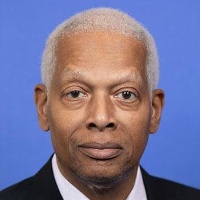
Henry Johnson
Representative
GA
Henry Johnson
Representative
GA
The Stop Militarizing Law Enforcement Act aims to significantly restrict the transfer of surplus military equipment from the Department of Defense to local law enforcement agencies. This bill bans the transfer of many military-grade items, such as armored vehicles and certain weapons, while imposing strict new public notification, local approval, and annual accountability requirements for any approved transfers. The legislation seeks to prevent the inappropriate militarization of police forces by increasing oversight and limiting access to combat-ready gear.
The Connect the Grid Act establishes a national transmission planning framework, expands federal authority over transmission permitting, brings ERCOT under FERC jurisdiction, and mandates reliability upgrades between regional grids.
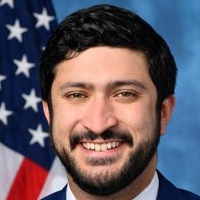
Gregorio Casar
Representative
TX
Gregorio Casar
Representative
TX
The Connect the Grid Act aims to modernize and expand the national electric transmission system through comprehensive planning, federal permitting authority for critical projects, and enhanced interregional coordination. It specifically brings the Texas grid (ERCOT) under greater federal oversight and mandates new reliability standards for interconnections with neighboring regions. The bill also increases funding for transmission infrastructure and promotes the use of domestic materials and labor standards.
This resolution recognizes the vital historical significance, economic impact, and essential role of Black history museums and cultural institutions in telling the full American story, especially leading up to the nation's 250th anniversary.
Ayanna Pressley
Representative
MA
Ayanna Pressley
Representative
MA
This resolution formally recognizes the vital historical significance and contributions of Black history museums and cultural institutions across the United States. It affirms that these essential pillars correct historical omissions by preserving irreplaceable records and telling a full, accurate American story. The bill encourages federal agencies and the public to support these institutions, especially as the nation approaches its 250th anniversary.
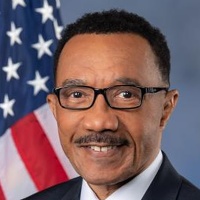
The African American History Act of 2026 authorizes the National Museum of African American History and Culture to develop and support educational programs, resources, and curricula to enhance the teaching of African American history nationwide.
Kweisi Mfume
Representative
MD
Kweisi Mfume
Representative
MD
The African American History Act of 2026 authorizes the National Museum of African American History and Culture to develop and expand educational resources, curricula, and digital programming for students and educators nationwide. By providing $10 million in annual funding through 2030, the Act aims to promote a deeper understanding of African American history through a social justice and anti-bias lens. Additionally, the legislation encourages the development of similar educational initiatives across other Smithsonian museums dedicated to diverse American histories.
The Healthy Hair Act prohibits the use of formaldehyde in hair straightening and smoothing products and mandates an FDA study on the associated health risks.

Shontel Brown
Representative
OH
Shontel Brown
Representative
OH
The Healthy Hair Act prohibits the sale of hair straightening and smoothing products that contain formaldehyde or formaldehyde-releasing substances. Additionally, the bill mandates that the FDA and NIOSH conduct comprehensive studies on the health impacts of these chemicals, particularly for salon workers, to inform future regulatory actions.
This resolution designates Black History Month 2026, honors the contributions of Black Americans through the "Unsung Souls" and "Righteous Intercessors" recognitions, and affirms the importance of a complete national narrative.

Al Green
Representative
TX
Al Green
Representative
TX
This resolution officially recognizes Black History Month and adopts "A Century of Black History Commemorations" as the theme for 2026. It honors the contributions of Black Americans by establishing categories for "Unsung Souls" and "Righteous Intercessors." Ultimately, the bill affirms that Black history commemorations are essential for a complete national narrative and inspiring future progress toward liberty and justice for all.
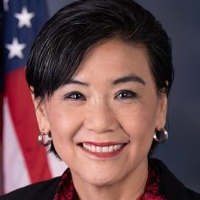
The Southeast Asian Deportation Relief Act of 2026 provides relief from detention and removal, grants work authorization, and establishes a process for reopening cases for certain long-term residents from Cambodia, Laos, and Vietnam.
Judy Chu
Representative
CA
Judy Chu
Representative
CA
The Southeast Asian Deportation Relief Act of 2026 provides significant relief for long-term residents from Cambodia, Laos, and Vietnam facing deportation. It prohibits the detention and removal of eligible individuals who entered the U.S. before 2008 and grants them permanent work authorization. Furthermore, the Act establishes a streamlined process for those previously ordered removed to reopen and terminate their immigration cases, effectively vacating past removal orders.
The Head Start for America’s Children Act updates and expands the Head Start program by increasing funding, enhancing staff compensation and mental health support, and improving services for children with disabilities, English learners, and Native American communities.
Rashida Tlaib
Representative
MI
Rashida Tlaib
Representative
MI
The "Head Start for America’s Children Act" updates and expands the federal Head Start program to better support the developmental, mental health, and educational needs of infants, toddlers, and children. The bill increases funding for core operations and specialized initiatives, establishes new requirements for staff compensation and professional development, and introduces pilot programs to improve access in high-poverty areas and on college campuses. Additionally, it strengthens support for Native American and migrant/seasonal programs, enhances services for children with disabilities, and mandates new standards to prevent the use of seclusion and restraint.
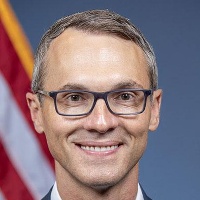
This act reforms the process for negotiating pay and benefits for Postal Service supervisors, managers, and postmasters, ensuring timely proposals and binding dispute resolution.
James Walkinshaw
Representative
VA
James Walkinshaw
Representative
VA
The Postal Supervisors, Managers, and Postmasters Fairness Act of 2026 updates the process for determining pay and benefits for Postal Service supervisory personnel. This bill requires the Postal Service to formally propose pay changes to supervisor organizations before existing decisions expire or after related union contracts are settled. Any unresolved disputes regarding these proposals will result in a final, binding determination issued quickly by a review panel.