
Legislative Activity
Track Eleanor's sponsored bills, co-sponsored legislation, and voting record
This Act establishes a grant program to fund mobile screening units to increase access to vital cancer screenings, particularly for lung cancer, in rural and underserved communities.
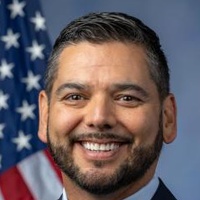
Raul Ruiz
Representative
CA
Raul Ruiz
Representative
CA
The Mobile Cancer Screening Act establishes a grant program to fund the creation and operation of mobile screening units, such as vans, to increase access to vital cancer screenings in rural and underserved communities. These grants will help organizations purchase vehicles, acquire necessary technology, and cover operational costs, prioritizing applicants who can significantly reduce screening gaps and provide immediate follow-up care. The Secretary must report to Congress on the program's impact on patient outcomes and screening rates within four years of enactment.
This comprehensive act establishes federal entitlements and grants to ensure access to affordable, high-quality child care and universal preschool for young children while significantly increasing compensation for early childhood educators.
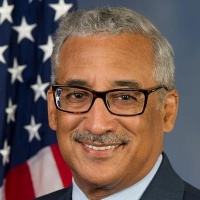
Robert Scott
Representative
VA
Robert Scott
Representative
VA
The Child Care for Working Families Act establishes comprehensive federal programs to ensure access to high-quality, affordable child care and universal preschool for young children. The legislation creates an entitlement program for child care, mandates that provider reimbursement rates cover actual costs and ensure living wages for staff, and establishes free, universal preschool for 3- and 4-year-olds. Additionally, it provides dedicated funding to stabilize childcare providers and extend the operating hours and compensation for Head Start staff.
The Resilient Transit Act of 2025 establishes new federal grants to help public transportation systems improve resilience against climate change impacts, while also updating definitions and authorizing increased funding levels.
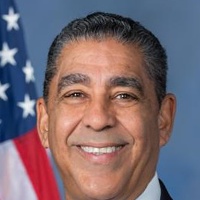
Adriano Espaillat
Representative
NY
Adriano Espaillat
Representative
NY
The Resilient Transit Act of 2025 establishes a new grant program to help public transportation agencies harden their systems against climate change impacts like flooding and extreme weather. These grants will fund specific resilience improvements, such as installing flood barriers and upgrading heat-vulnerable equipment. The bill also defines key vulnerable communities for priority consideration and mandates annual reporting on how the funds are used. Finally, it increases funding authorizations for related transportation programs.
The Cool Corridors Act of 2025 extends funding for the Healthy Streets program to prioritize installing green infrastructure like trees along transportation routes in heat-vulnerable communities to mitigate extreme heat and improve transit access.
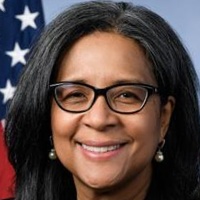
Marilyn Strickland
Representative
WA
Marilyn Strickland
Representative
WA
The Cool Corridors Act of 2025 aims to combat extreme heat and improve transportation safety by funding the installation of green infrastructure, like trees, along walking, biking, and transit routes. This legislation reauthorizes and updates the Healthy Streets program to prioritize these cooling projects in the most vulnerable and underserved communities. The Act defines "cool corridors" and establishes clear criteria for demonstration projects focused on heat mitigation and long-term maintenance.
This bill mandates the Attorney General to release nearly all unclassified Department of Justice records related to Jeffrey Epstein within 30 days, with limited exceptions for victim privacy or active investigations.
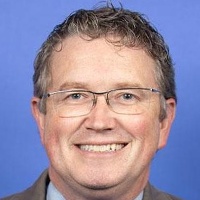
Thomas Massie
Representative
KY
Thomas Massie
Representative
KY
This bill, titled the Epstein Files Transparency Act, mandates the Attorney General to release nearly all unclassified Department of Justice records related to Jeffrey Epstein within 30 days of enactment. The legislation strictly limits the justifications for withholding or redacting documents, prohibiting secrecy based on political sensitivity or potential embarrassment. The only permissible redactions involve victim privacy, child sexual abuse material, or narrowly defined threats to active investigations or national security classifications. Upon completion, the Attorney General must submit a detailed report to Congress listing all released and withheld materials, including an unredacted list of all named government officials.
This Act establishes increased federal research, public education, and provider information dissemination regarding uterine fibroids, with a focus on addressing racial disparities and non-hysterectomy treatment options.
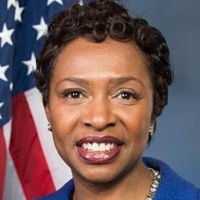
Yvette Clarke
Representative
NY
Yvette Clarke
Representative
NY
The Stephanie Tubbs Jones Uterine Fibroid Research and Education Act of 2025 aims to significantly increase federal research, public education, and provider awareness regarding uterine fibroids. The bill mandates expanded research coordination across federal agencies and authorizes funding to study the condition, which disproportionately affects minority women. It also requires the creation of public awareness campaigns detailing non-hysterectomy treatment options and mandates data collection on Medicaid/CHIP spending for fibroid treatments.
This act enables states to apply for federal waivers to create and implement their own comprehensive, budget-neutral universal healthcare systems.
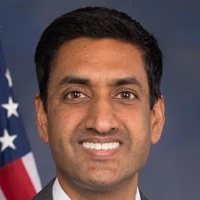
Ro Khanna
Representative
CA
Ro Khanna
Representative
CA
The State-Based Universal Health Care Act of 2025 empowers individual states to design and implement their own comprehensive universal health coverage systems. States can apply for a federal waiver to bypass most existing federal health insurance rules, including major parts of the ACA, Medicare, and Medicaid. In exchange for waiving federal funding, the federal government will transfer equivalent funds to the state, provided the state commits to covering at least 95% of its residents within five years and maintains budget neutrality for the federal government.
This Act establishes strict transparency and consent requirements for businesses using automatic renewals and free-to-paid trial conversions, empowering the FTC to enforce against deceptive practices like "dark patterns."
Yvette Clarke
Representative
NY
Yvette Clarke
Representative
NY
The Consumer Online Payment Transparency and Integrity Act establishes strict new rules for businesses using automatic renewals and free-to-paid trial conversions. It mandates clear upfront disclosures, requires express consent for annual renewals, and demands easy, comparable cancellation methods for consumers. The Federal Trade Commission is empowered to enforce these provisions, treating violations as unfair or deceptive practices and specifically targeting the use of "dark patterns."
This resolution supports the designation of July as Uterine Fibroids Awareness Month to highlight the commonality, disproportionate impact, and need for increased research and treatment options for uterine fibroids.
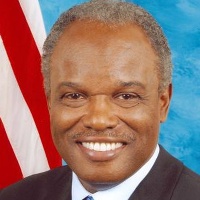
David Scott
Representative
GA
David Scott
Representative
GA
This resolution supports the designation of July as Uterine Fibroids Awareness Month to highlight the significant health impact of these common growths on women. It recognizes the disproportionate burden of fibroids on Black and Hispanic women and calls for increased research and improved treatment options. The bill encourages the President to issue a proclamation supporting national awareness activities throughout July.
The Tribal Access to Clean Water Act of 2025 authorizes significant federal funding and technical assistance across multiple agencies to rapidly expand and improve access to safe drinking water and sanitation infrastructure for Indian Tribes and Native Hawaiian communities.
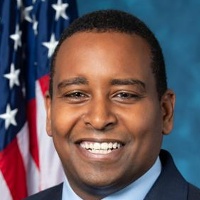
Joe Neguse
Representative
CO
Joe Neguse
Representative
CO
The Tribal Access to Clean Water Act of 2025 aims to address the critical lack of safe and reliable water infrastructure on Tribal lands and for the Native Hawaiian Community. This bill expands eligibility for federal water and sanitation funding, authorizes significant new appropriations across the Departments of Agriculture and Health and Human Services (IHS), and provides crucial technical assistance to help these communities access and manage these resources. Ultimately, the Act seeks to fulfill the federal trust responsibility by ensuring all Tribal residents have access to clean, safe drinking water and adequate sanitation systems.
This act mandates the Law Revision Counsel to revise the United States Code to use gender-neutral language without altering the substantive meaning of the law.
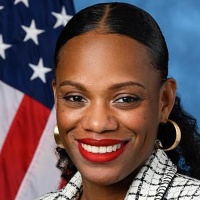
Summer Lee
Representative
PA
Summer Lee
Representative
PA
The Equality in Laws Act mandates that the U.S. Code be revised to use gender-neutral language throughout. This process, overseen by the Law Revision Counsel of the House of Representatives, involves replacing gendered pronouns and terms with neutral alternatives. The goal is to update the language without altering the original legal meaning or intent of existing statutes.
This resolution demands the immediate handover of all unclassified federal documents related to the Jeffrey Epstein investigation within 14 days, authorizing subpoenas if the executive branch fails to comply.
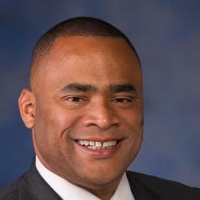
Marc Veasey
Representative
TX
Marc Veasey
Representative
TX
This resolution demands that federal agencies immediately release all unclassified documents related to the Jeffrey Epstein investigation. Congress is asserting its constitutional authority to compel transparency regarding Epstein's network, client lists, and internal agency communications. Agencies have 14 days to comply before the House initiates subpoena proceedings to force disclosure.
This resolution recognizes climate change as a major public health threat and directs federal agencies, particularly HHS, to coordinate action, speed up funding for resilience, and prioritize the health and safety of vulnerable populations.
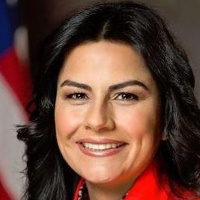
Nanette Barragán
Representative
CA
Nanette Barragán
Representative
CA
This resolution recognizes that climate change poses a severe and growing threat to public health across the United States, exacerbating issues like poor air quality, extreme heat, and disease spread. It directs federal agencies, particularly the Department of Health and Human Services (HHS), to rapidly deploy climate resilience funding and technical assistance, prioritizing underserved communities. Furthermore, the bill calls for strengthening key public health offices, improving data collection, and ensuring worker safety through new heat standards. Ultimately, it mandates coordinated federal action to prepare the healthcare system and protect vulnerable populations from climate-related health crises.
This resolution expresses support for designating July 10th as Journeyman Lineworkers Recognition Day to honor the dangerous and essential service provided by these workers, especially during crises.
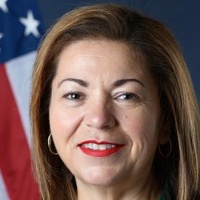
Linda Sánchez
Representative
CA
Linda Sánchez
Representative
CA
This resolution expresses support for designating July 10th as Journeyman Lineworkers Recognition Day. It honors the essential and dangerous work performed by these skilled professionals, especially their heroic efforts in restoring power after major disasters. The day serves to recognize their service and remember those who have lost their lives performing this vital work.
This resolution formally recognizes the significant and persistent wage gap disproportionately affecting Black women in the United States.
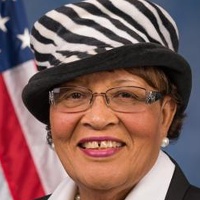
Alma Adams
Representative
NC
Alma Adams
Representative
NC
This resolution formally recognizes the significant and persistent wage disparity faced by Black women in the United States. It highlights that despite existing equal pay laws, Black women earn substantially less than their male counterparts, leading to massive lifetime earnings losses. Congress uses this measure to emphasize the urgent need to address both racial and gender discrimination to achieve true pay equity.
This Act updates the Higher Education Act of 1965 to explicitly include Head Start and Early Head Start programs under the definition of eligible community services.
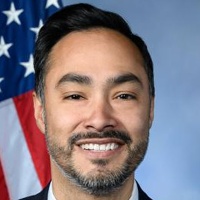
Joaquin Castro
Representative
TX
Joaquin Castro
Representative
TX
The Head Start for Our Future Act updates the Higher Education Act of 1965 by replacing the term "literacy training" with "child development and early learning" when describing eligible community services. This change explicitly ensures that Head Start and Early Head Start programs are recognized under this section of the law. The bill aims to better reflect the comprehensive nature of early childhood education services.
This Act mandates the FDA to systematically reassess the safety of at least ten existing food chemicals every three years, beginning in 2026, and take regulatory action if any substance is found to be unsafe.

Janice Schakowsky
Representative
IL
Janice Schakowsky
Representative
IL
The Food Chemical Reassessment Act of 2025 mandates that the FDA systematically review the safety of at least ten existing food ingredients every three years, starting in 2026. This process targets substances like certain food additives, colorings, and GRAS ingredients, prioritizing those with the greatest public health concern. If a reassessment determines a substance is unsafe, the FDA is required to take regulatory action, such as repealing approvals or revoking authorizations. The Act also establishes an advisory committee to guide the FDA on reassessment standards and methods.
This Act phases out the use of aircraft in wild horse and burro roundups, mandates camera recording during any remaining aerial operations, and requires a GAO report on humane management alternatives.
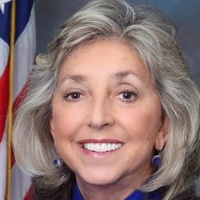
Dina Titus
Representative
NV
Dina Titus
Representative
NV
The Wild Horse and Burro Protection Act of 2025 aims to reform the management of wild horses and burros on federal lands by phasing out the use of helicopters in roundups over two years. This legislation mandates increased transparency through camera requirements on any remaining aircraft used during this transition. Furthermore, it directs the GAO to report on humane, non-aircraft population management alternatives and their economic impacts.
This bill prohibits executive branch personnel from using physical force or detention against a Member of Congress conducting official oversight activities on federally controlled property, provided the Member is not posing an immediate physical danger.
Summer Lee
Representative
PA
Summer Lee
Representative
PA
The Congressional Oversight Access Act prohibits federal employees from using physical force or detaining a Member of Congress who is conducting official oversight activities on federally controlled property. This protection applies when the Member identifies themselves and is not posing a clear and immediate physical danger. The Act ensures Congress can monitor federal operations while still respecting necessary security screenings.
The Building Civic Bridges Act establishes an Office of Civic Bridgebuilding to fund and promote research-backed projects that reduce community division and strengthen social connection, using only donated funds.
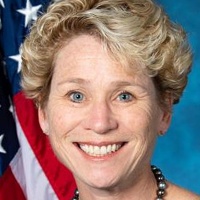
Chrissy Houlahan
Representative
PA
Chrissy Houlahan
Representative
PA
The Building Civic Bridges Act establishes a new Office of Civic Bridgebuilding within the National and Community Service Corporation to promote activities that unite divided communities. This Office will manage a competitive, research-backed grant program to fund local projects focused on reducing conflict and improving social cohesion. The Act mandates that the program be implemented using only donated funds, with no new federal appropriations authorized.