
Legislative Activity
Track Eleanor's sponsored bills, co-sponsored legislation, and voting record
This bill expands Medicaid coverage for certain individuals with breast or cervical cancer and mandates coverage for breast reconstruction following a mastectomy.
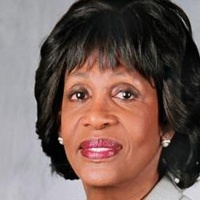
Maxine Waters
Representative
CA
Maxine Waters
Representative
CA
The Medicaid Breast Cancer Access to Treatment Act expands Medicaid eligibility to cover certain individuals who have had breast or cervical cancer. This legislation also mandates that Medicaid coverage must include breast reconstruction surgery following a medically necessary mastectomy. These changes aim to ensure comprehensive care and remove financial barriers for cancer survivors under the program.
This Act mandates clear disclosure of all fees in consumer loans for solar energy systems and prohibits mandatory arbitration clauses in those financing contracts.
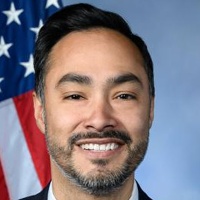
Joaquin Castro
Representative
TX
Joaquin Castro
Representative
TX
The Sunshine on Solar Lending Act aims to increase transparency in consumer loans used to finance solar energy systems. It amends the Truth in Lending Act to mandate clear disclosure of all associated third-party and dealer fees within these financing transactions. Furthermore, the bill prohibits mandatory arbitration clauses in solar financing contracts. These new disclosure requirements will apply to all solar financing deals established on or after the Act's effective date.
This Act establishes the Office of Climate Change and Health Equity within HHS to develop a national strategic action plan, supported by an advisory board and expert reports, to protect public health from climate change impacts.

Doris Matsui
Representative
CA
Doris Matsui
Representative
CA
The Climate Change Health Protection and Promotion Act of 2025 establishes a new Office of Climate Change and Health Equity within HHS to coordinate federal efforts against climate-related health threats. This office is tasked with developing a comprehensive national strategic action plan to prepare the U.S. health sector for climate impacts, with a special focus on vulnerable communities. The Act also creates a science advisory board and mandates regular expert reports to ensure the national strategy is based on the best available science and continuously updated.
This Act mandates federal standards requiring employers to implement comprehensive heat illness and injury prevention programs to protect workers from dangerous heat stress.
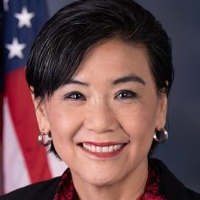
Judy Chu
Representative
CA
Judy Chu
Representative
CA
The Asunción Valdivia Heat Illness, Injury, and Fatality Prevention Act of 2025 mandates that employers protect workers from dangerous heat stress by establishing comprehensive safety standards. This Act requires the Secretary of Labor to create evidence-based rules covering engineering controls, administrative procedures, required training, and paid rest breaks to prevent heat-related illness. Furthermore, the law establishes strict enforcement mechanisms, whistleblower protections, and specific timelines for the implementation of these new federal heat protection standards.
This Act mandates research into cosmetic health disparities affecting communities of color and salon workers, funds safer alternative development, establishes resource centers for beauty justice and worker safety, and requires translated safety data sheets for professional products, while also regulating synthetic braids.

Janice Schakowsky
Representative
IL
Janice Schakowsky
Representative
IL
The Cosmetic Safety for Communities of Color and Professional Salon Workers Act of 2025 aims to enhance cosmetic safety through targeted research into health disparities affecting communities of color and salon workers. The bill mandates improved access to safety data sheets in multiple languages for professional products and establishes two new National Resource Centers to empower these communities and workers. Finally, it brings synthetic hair braids under FDA cosmetic regulation, requiring new safety standards and labeling.
This Act mandates increased ingredient and supply chain transparency for cosmetics, establishes federal standards while preserving stricter state regulations, and requires the FDA to maintain a public list of harmful trace constituents.
Janice Schakowsky
Representative
IL
Janice Schakowsky
Representative
IL
The Cosmetic Supply Chain Transparency Act of 2025 enhances cosmetic regulation by requiring detailed ingredient and supply chain information sharing between brand owners and suppliers. This law mandates the FDA to create a public list of harmful, nonfunctional chemical traces that suppliers must eventually test for and certify. Importantly, this federal legislation preserves the right of states to enact stricter ingredient or transparency rules than those established here.
This bill establishes strict limits and reporting requirements for donations made to Presidential Libraries and Centers, particularly targeting lobbyists, federal contractors, and foreign nationals while a president is in or recently out of office.
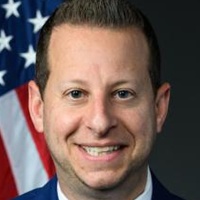
Jared Moskowitz
Representative
FL
Jared Moskowitz
Representative
FL
This bill amends federal law to establish strict limits and reporting requirements for donations made to Presidential Libraries and Centers. It prohibits certain restricted entities, such as lobbyists and federal contractors, from donating while a President is in office or for two years after they leave. The legislation also imposes an aggregate $10,000 lifetime donation cap per person and mandates public disclosure of all significant contributions.
The Toxic-Free Beauty Act of 2025 bans the intentional use of specific harmful chemicals and limits certain contaminants in cosmetic products sold in the U.S., effective January 1, 2027, while preserving states' rights to enact stricter regulations.
Janice Schakowsky
Representative
IL
Janice Schakowsky
Representative
IL
The Toxic-Free Beauty Act of 2025 establishes new federal standards for cosmetic safety by banning the intentional addition of specific harmful chemicals, such as formaldehyde and certain parabens, in products sold in the U.S. It also sets maximum allowable limits for certain contaminants like 1,4 dioxane and lead. Importantly, this federal legislation does not preempt stricter state laws regarding cosmetic ingredients. These new requirements will take effect for products shipped interstate starting January 1, 2027.
This bill prohibits U.S. Immigration and Customs Enforcement (ICE) from using federal funds to detain or transport U.S. citizens during civil immigration enforcement activities.

Pramila Jayapal
Representative
WA
Pramila Jayapal
Representative
WA
The Stop ICE from Kidnapping U.S. Citizens Act strictly prohibits U.S. Immigration and Customs Enforcement (ICE) from using any federal funds for civil immigration enforcement activities involving U.S. citizens. Specifically, this bill bans ICE from spending money to detain or transport any citizen of the United States. This measure ensures federal funds are not used to wrongfully target or remove American citizens.
The Housing Is a Human Right Act of 2025 shifts federal focus from penalizing homelessness to investing in supportive alternatives, increasing housing infrastructure funding, and ensuring equitable access to housing and voting rights.
Pramila Jayapal
Representative
WA
Pramila Jayapal
Representative
WA
The Housing Is a Human Right Act of 2025 aims to combat homelessness and housing instability through comprehensive federal action. It establishes new funding streams and infrastructure investments to build affordable housing and provide direct support services while shifting local responses away from criminalizing poverty. Furthermore, the Act introduces new taxes on high-value real estate transactions to fund these initiatives and mandates stronger civil rights protections across federal housing and assistance programs.
This resolution urges Congress to prioritize the rapid and equitable development of solutions that address the unique health vulnerabilities of children facing extreme weather and poor air quality.
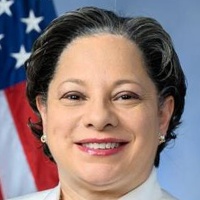
Jennifer McClellan
Representative
VA
Jennifer McClellan
Representative
VA
This resolution expresses the sense of Congress that extreme weather poses unique and severe threats to the health and well-being of children. It urges that solutions to address these escalating dangers must be rapidly and equitably developed and deployed with children's specific vulnerabilities in mind. The bill calls for prioritizing the physical and mental health needs of children in all future climate adaptation and air quality planning efforts.
The PRESUME Act prohibits the VA from requiring veterans to provide proof of a specific measured radiation dose to be recognized as a radiation-exposed veteran.
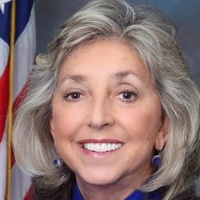
Dina Titus
Representative
NV
Dina Titus
Representative
NV
The PRESUME Act, or Providing Radiation Exposed Servicemembers Undisputed Medical Eligibility Act, simplifies the process for veterans seeking recognition for radiation exposure during service. This bill prohibits the Department of Veterans Affairs (VA) from requiring veterans to provide proof of a specific, measured radiation dose to be officially classified as a radiation-exposed veteran. This change ensures that service members exposed to radiation are not denied status due to a lack of precise dosimetry records.
This Act mandates that federal agencies must provide current and former employees with easy and timely access to their official personnel files.
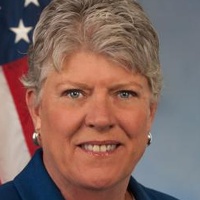
Julia Brownley
Representative
CA
Julia Brownley
Representative
CA
The Protecting Federal Employee Rights to Personnel Files Act of 2025 ensures current and former federal employees have a right to easily access their official personnel records. The bill mandates that agencies must provide electronic and physical copies of these files within seven days upon request for current employees. Furthermore, separating employees will automatically receive their file within seven days of their departure.
This Act amends bankruptcy law to make it easier for struggling student loan borrowers to discharge their debt by removing the "undue hardship" standard.
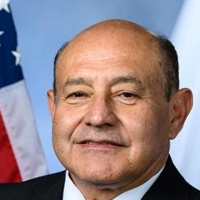
J. Correa
Representative
CA
J. Correa
Representative
CA
The Student Loan Bankruptcy Improvement Act of 2025 aims to reform the bankruptcy process for student loan borrowers. This bill seeks to lower the current, overly difficult standard required to discharge student loan debt in bankruptcy proceedings. By making these changes, Congress intends to provide struggling borrowers with a genuine opportunity for a financial fresh start.
This resolution declares the Trump administration's fossil fuel directives a health and safety emergency disproportionately harming children's fundamental rights by worsening climate change and suppressing climate science.
Janice Schakowsky
Representative
IL
Janice Schakowsky
Representative
IL
This resolution declares a health and safety emergency disproportionately affecting children due to prior administration directives that promoted fossil fuels and suppressed climate science. Congress asserts that these actions harm children's fundamental rights to life and a stable environment by worsening climate change impacts. The bill demands the current administration cease policies that increase greenhouse gases and restore access to suppressed climate research. Ultimately, it calls for aligning all energy and climate laws with the duty to protect the rights and future of young people.
This bill mandates comprehensive online and label disclosure of all cosmetic ingredients, especially fragrances and flavors, while preserving stronger state regulations.
Janice Schakowsky
Representative
IL
Janice Schakowsky
Representative
IL
The Cosmetic Hazardous Ingredient Right to Know Act of 2025 significantly updates cosmetic regulation by mandating comprehensive ingredient disclosure, especially for fragrances and flavors, on both product labels and brand owner websites. This law requires detailed, machine-readable online ingredient lists and specific hazard warnings on packaging if certain harmful chemicals are present. Importantly, this federal act preserves the authority of states to enact stricter ingredient bans or transparency requirements.
This Act establishes grant programs to expand education, training, and research in palliative care and hospice, while also mandating the dissemination of related information to the public and providers.
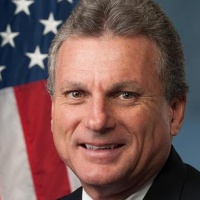
Earl Carter
Representative
GA
Earl Carter
Representative
GA
The Palliative Care and Hospice Education and Training Act aims to significantly expand the palliative care and hospice workforce through new federal grant programs for education, training, and career incentives. It also mandates the creation of a national strategy to enhance NIH research in this field and requires the dissemination of clear, evidence-based information about palliative care services to patients and providers. Crucially, the bill clarifies that funds cannot be used to promote or provide services intended to cause a patient's death.
This Act mandates a comprehensive federal study to investigate the potential link between the use of chemical hair straighteners and the incidence of uterine cancer, with a specific focus on disparities among women of color.
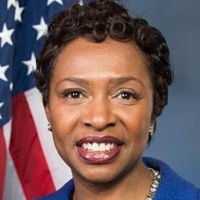
Yvette Clarke
Representative
NY
Yvette Clarke
Representative
NY
The Uterine Cancer Study Act of 2025 mandates a comprehensive federal study to investigate the potential link between the use of chemical hair straighteners and the risk of developing uterine cancer. This research must specifically examine disparities in cancer rates among women of color. The study will ultimately recommend whether the FDA should require additional safety testing for these hair products.
This Act prohibits the intentional feeding of bears, including for hunting bait, on federal public lands managed by the National Park Service, Wildlife Refuges, BLM, and National Forests.

Shri Thanedar
Representative
MI
Shri Thanedar
Representative
MI
The Don't Feed the Bears Act of 2025 prohibits the intentional feeding of bears, including for hunting bait, on federal public lands managed by the National Park Service and Wildlife Refuges. This Act mandates that the Secretaries of the Interior and Agriculture develop and enforce new regulations to stop bear baiting on Bureau of Land Management and National Forest System lands within one year. The goal is to prevent bears from losing their natural fear of humans, which causes property damage and dangerous encounters. Exceptions are allowed only for bear welfare, public safety, or authorized research.
The People's Response Act establishes a new federal division and grant programs to fund community-led, evidence-based approaches that reduce contact with the criminal justice system and promote public safety, especially for historically marginalized communities.

Summer Lee
Representative
PA
Summer Lee
Representative
PA
The People’s Response Act establishes a new Division on Community Safety within HHS to research and fund evidence-based, non-punitive methods for improving public safety. The law creates several grant programs to directly support community-led organizations, local governments, and states in implementing these "qualified approaches." These efforts prioritize reducing contact with the criminal justice system and providing comprehensive support to historically marginalized communities. The Act also mandates the creation of advisory bodies to ensure the work centers the needs and experiences of those most impacted by systemic harm.