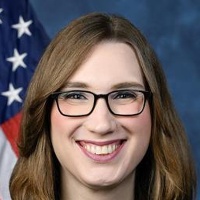
Legislative Activity
Track Sarah's sponsored bills, co-sponsored legislation, and voting record
The VA Employee Fairness Act of 2025 streamlines collective bargaining rules for Veterans Health Administration employees by modifying existing statutes while preserving the Secretary's authority regarding incentive pay and expedited hiring.
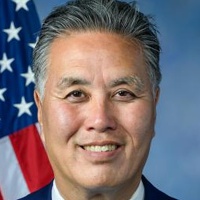
Mark Takano
Representative
CA
Mark Takano
Representative
CA
The VA Employee Fairness Act of 2025 modifies the collective bargaining rules for employees of the Veterans Health Administration (VHA) by streamlining existing statutes. This act removes outdated subsections related to bargaining and renumbers the remaining relevant section. Importantly, these changes do not affect the Secretary of Veterans Affairs' existing authority regarding incentive pay or expedited hiring processes.
This bill expands the definition of "law enforcement officer" for federal retirement purposes under FERS and CSRS to include specific IRS, Postal Inspection, and VA police employees, and establishes rules for how current employees can count prior service under the new designation.
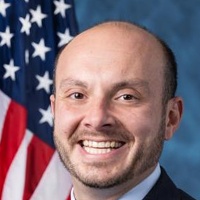
Andrew Garbarino
Representative
NY
Andrew Garbarino
Representative
NY
The Law Enforcement Officers Equity Act expands the definition of "law enforcement officer" for federal retirement purposes under both the Federal Employees Retirement System (FERS) and the Civil Service Retirement System (CSRS). This change adds specific IRS, Postal Inspection Service, and VA police roles to those eligible for enhanced retirement benefits. The bill also establishes procedures for current officers to elect to have their prior service counted under these new definitions, which may require a payment from the employee and their employing agency.
This Act requires Federal Housing Enterprises to use state-regulated title protection products for mortgages or hold extra capital reserves against those without such protection.
Andrew Garbarino
Representative
NY
Andrew Garbarino
Representative
NY
The Protecting America's Property Rights Act aims to enhance the security of mortgages purchased by Federal Housing Enterprises by requiring the use of state-regulated title protection products. If these regulated products are not used, the Enterprises must hold additional capital reserves against those mortgages. This legislation mandates the Director to quickly establish rules ensuring compliance with these new title risk management standards.
This Act establishes federal penalties for assaulting hospital personnel and creates a grant program to help medical facilities improve workforce safety.

Madeleine Dean
Representative
PA
Madeleine Dean
Representative
PA
The Save Healthcare Workers Act aims to protect hospital personnel by making assault against them a federal crime with severe penalties. It also establishes a new federal grant program to help hospitals implement crucial safety measures, such as violence prevention training and physical security upgrades. This legislation seeks to reduce workplace violence in healthcare settings across the nation.
The SAFE STEPS for Veterans Act of 2025 establishes a dedicated VA Office of Falls Prevention to standardize care, boost research, and implement educational campaigns to reduce falls among veterans.
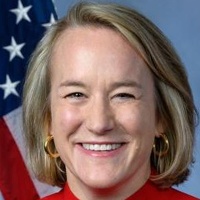
Nicole (Nikki) Budzinski
Representative
IL
Nicole (Nikki) Budzinski
Representative
IL
The SAFE STEPS for Veterans Act of 2025 establishes a dedicated Office of Falls Prevention within the VA to centralize and standardize all efforts to reduce falls among veterans. This office will set care standards, oversee national education campaigns, and promote research into evidence-based prevention programs. The Act also mandates specific falls risk assessments and prevention services for veterans in VA nursing homes and updates requirements for extended care services.
This act establishes research grants and training programs to develop and implement PFAS-free, next-generation turnout gear to protect firefighters from occupational illness and injury.

Debbie Dingell
Representative
MI
Debbie Dingell
Representative
MI
The PFAS Alternatives Act aims to protect firefighters by funding research and development for next-generation turnout gear that eliminates harmful PFAS chemicals. The bill establishes grants through NIOSH to create safer, PFAS-free protective equipment and separate funding for training programs on the proper care of this new gear. Ultimately, this legislation seeks to reduce occupational illness and injury among fire and EMS personnel.
This bill mandates that certain immigration officers prominently display large, visible identification during all immigration enforcement actions.
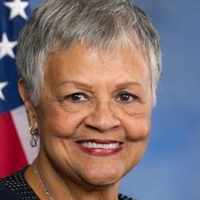
Bonnie Watson Coleman
Representative
NJ
Bonnie Watson Coleman
Representative
NJ
This bill mandates that certain immigration officers from agencies like CBP and ICE must clearly display large, highly visible identification during all enforcement actions. The identification, at least 12x6 inches, cannot be obscured by external gear like body armor. This ensures clear identification of immigration officers while they are actively carrying out their duties.
The Community Services Block Grant Improvement Act of 2025 updates program goals, redefines eligibility using 200% of the poverty line, sets specific funding levels through 2032, and overhauls state application, oversight, and local agency governance requirements to better combat poverty and promote self-sufficiency.
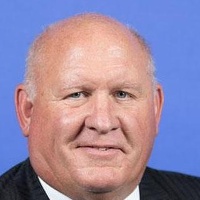
Glenn Thompson
Representative
PA
Glenn Thompson
Representative
PA
The Community Services Block Grant Improvement Act of 2025 aims to strengthen federal efforts to combat poverty by updating the core goals and operational rules of the Community Services Block Grant program. The bill revises definitions, sets a specific annual funding authorization through Fiscal Year 2032, and tightens requirements for state plans and local agency governance, including mandating tripartite boards. Ultimately, these changes seek to ensure grant funds are effectively used by local entities to promote the self-sufficiency of low-income individuals and families.
The Clean Slate Act of 2025 establishes automatic and petition-based sealing of certain federal criminal records for individuals who meet specific criteria related to nonviolent offenses and completion of their sentences.
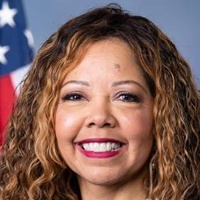
Lucy McBath
Representative
GA
Lucy McBath
Representative
GA
The Clean Slate Act of 2025 establishes new federal rules for automatically sealing certain criminal records, particularly for nonviolent marijuana offenses or arrests that did not result in conviction. It also creates a process allowing individuals convicted of specific nonviolent federal offenses to petition the court to seal their records after completing their sentences. Once sealed, these records are generally inaccessible, promoting rehabilitation, though exceptions exist for law enforcement and specific background checks.
The Fresh Start Act of 2025 ties federal gun violence prevention grants to states implementing automatic criminal record expungement laws and requires detailed annual reporting on the process broken down by demographics.
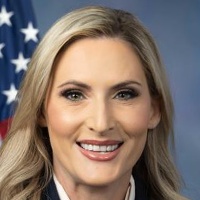
Laurel Lee
Representative
FL
Laurel Lee
Representative
FL
The Fresh Start Act of 2025 incentivizes states to adopt automatic criminal record expungement laws by tying them to federal gun violence prevention grants. This legislation requires states receiving these funds to automatically clear or seal eligible criminal records without requiring individual action or payment of outstanding fees. Recipients must also annually report detailed data on the process, broken down by race, ethnicity, and gender, which the Attorney General will then make public.
This bill bans the manufacture, sale, and transfer of specific semiautomatic assault weapons and large-capacity ammunition feeding devices while grandfathering existing possessions and establishing new transfer requirements.
Lucy McBath
Representative
GA
Lucy McBath
Representative
GA
The Assault Weapons Ban of 2025 comprehensively defines and bans the manufacture, sale, and transfer of specific semiautomatic assault weapons and large capacity ammunition feeding devices. The bill grandfathers existing weapons but imposes new requirements for their secure storage and mandates dealer involvement for future private transfers. It also allows federal grant money to be used by states for buy-back programs targeting these banned items.
This act mandates that states must replace the exact amount of Electronic Benefit Transfer (EBT) benefits stolen from households receiving SNAP.

Grace Meng
Representative
NY
Grace Meng
Representative
NY
The Fairness for Victims of SNAP Skimming Act of 2025 mandates that states must replace the exact amount of Electronic Benefit Transfer (EBT) benefits stolen from households. This legislation ensures that the replacement benefit amount precisely matches the value of the stolen funds. It simplifies and clarifies the process for compensating victims of EBT skimming.
The Better CARE for Animals Act of 2025 strengthens the enforcement of the Animal Welfare Act by expanding investigative authority, establishing new civil penalties up to \$10,000 per day, and explicitly granting the Attorney General power to file civil actions, including seeking seizure and forfeiture of animals.
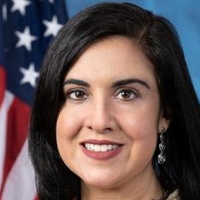
Nicole Malliotakis
Representative
NY
Nicole Malliotakis
Representative
NY
The Better CARE for Animals Act of 2025 significantly strengthens enforcement of the Animal Welfare Act by clarifying definitions and expanding the scope of investigations. It grants the Attorney General explicit authority to file civil actions seeking penalties up to $10,000 per day, and mandates that collected fines help cover temporary animal care costs. The bill also requires the Secretary of Agriculture and the Attorney General to establish a formal agreement for coordinated enforcement.
The Equality Act comprehensively prohibits discrimination based on sex, sexual orientation, and gender identity across key areas including public accommodations, employment, housing, credit, and jury service.
Mark Takano
Representative
CA
Mark Takano
Representative
CA
The Equality Act comprehensively expands federal civil rights protections against discrimination based on sex, sexual orientation, and gender identity across key areas of American life. It amends existing laws to prohibit discrimination in public accommodations, housing, credit, employment, and federal funding. The purpose of the bill is to provide consistent, explicit, and comprehensive remedies for individuals facing bias in these essential sectors.
This bill repeals the Arctic National Wildlife Refuge oil and gas program and designates over 1.5 million acres of the refuge as protected wilderness.
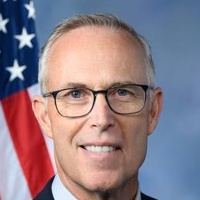
Jared Huffman
Representative
CA
Jared Huffman
Representative
CA
The Arctic Refuge Protection Act officially repeals the previous law authorizing oil and gas leasing in the Arctic National Wildlife Refuge. This legislation simultaneously designates approximately 1.56 million acres within the Refuge as protected wilderness under the National Wilderness Preservation System. The Secretary of the Interior is now required to manage this newly designated land according to strict wilderness preservation standards.
This Act establishes comprehensive assistance programs through USAID for Vietnamese individuals affected by Agent Orange exposure and mandates HHS to conduct health assessments and establish support centers for Vietnamese Americans.
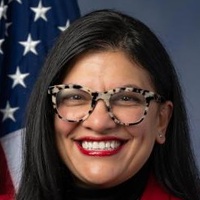
Rashida Tlaib
Representative
MI
Rashida Tlaib
Representative
MI
The Victims of Agent Orange Act of 2025 aims to address the ongoing health and environmental damage caused by the use of herbicides, including Agent Orange, during the Vietnam War. This legislation establishes comprehensive assistance programs through USAID for affected individuals and environmental cleanup in Vietnam. Furthermore, it mandates health assessments and the creation of dedicated health centers by HHS to support Vietnamese Americans impacted by the toxic exposure.
The Agent Orange Relief Act of 2025 expands benefits for children of male Vietnam veterans, funds health studies for affected Vietnamese Americans, and mandates research into the ongoing health effects of Agent Orange exposure.
Rashida Tlaib
Representative
MI
Rashida Tlaib
Representative
MI
The Agent Orange Relief Act of 2025 aims to address the ongoing health crises stemming from the U.S. use of herbicides during the Vietnam War. This legislation expands benefits for children of male veterans born with certain birth defects and mandates new research into intergenerational health effects. Furthermore, the Act requires the Department of Health and Human Services to fund health studies and establish treatment centers for affected Vietnamese Americans. Agencies are given 18 months to fully implement these provisions, followed by mandatory quarterly progress reports to Congress.
This Act authorizes the President to impose sanctions, including asset freezes and visa bans, on foreign individuals involved in violence, property destruction, or displacement in the West Bank.
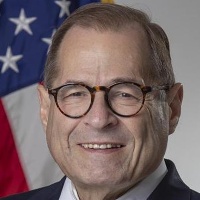
Jerrold Nadler
Representative
NY
Jerrold Nadler
Representative
NY
The West Bank Violence Prevention Act of 2025 declares extreme settler violence and displacement in the West Bank a threat to U.S. national security interests. This Act mandates the President to impose sanctions, including asset freezes and visa bans, on foreign individuals responsible for undermining peace and stability in the region. The Treasury Department must report to Congress on the implementation of these sanctions every 90 days.
The TREES Act of 2025 establishes a federal grant program to fund tree planting projects specifically designed to reduce residential energy consumption, prioritizing areas with high energy burdens and low tree canopy.

Doris Matsui
Representative
CA
Doris Matsui
Representative
CA
The TREES Act of 2025 establishes a new federal grant program managed by the Secretary of Energy to fund community-based tree planting projects. These grants aim to reduce residential energy consumption by strategically planting trees for shade and wind protection. Priority funding will be given to projects that maximize energy savings for low-income households and benefit underserved neighborhoods. The program is authorized to plant at least 300,000 trees annually, with federal funding covering 90% of eligible project costs.
This bill limits the Medicare coinsurance amount for certain ambulatory surgical center services to the annual inpatient hospital deductible, effective January 1, 2026.
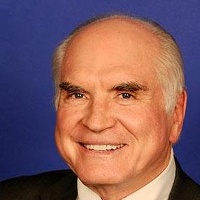
Mike Kelly
Representative
PA
Mike Kelly
Representative
PA
This bill amends Medicare rules to cap the out-of-pocket coinsurance amount beneficiaries must pay for certain services provided in an Ambulatory Surgical Center (ASC). If the standard ASC coinsurance exceeds the annual inpatient hospital deductible, the beneficiary's cost will be limited to that deductible amount. The Secretary will cover the difference owed to the ASC.