Legislative Activity
Track Nathaniel's sponsored bills, co-sponsored legislation, and voting record
The CREATE Act increases the spending limits and extends the expiration date for tax benefits related to qualified productions.
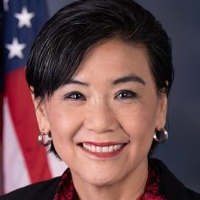
Judy Chu
Representative
CA
Judy Chu
Representative
CA
The CREATE Act, or Creative Relief and Expensing for Artistic Entertainment Act, modifies tax rules for qualified productions by significantly increasing the allowable spending limits for certain tax benefits. This legislation also introduces automatic inflation adjustments for these dollar amounts starting in 2027. Furthermore, the bill extends the expiration date for these beneficial tax provisions from the end of 2025 to the end of 2030.
The USTRx Act establishes a Chief Pharmaceutical Trade Negotiator to combat unfair foreign drug pricing practices and ensure high-income countries pay their fair share for U.S.-developed medicines.
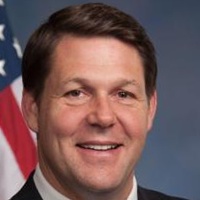
Jodey Arrington
Representative
TX
Jodey Arrington
Representative
TX
The Use Sovereignty To reduce Rx (USTRx) Act establishes a new Chief Pharmaceutical Trade Negotiator within the Office of the United States Trade Representative to combat unfair foreign drug pricing policies. This legislation mandates annual reviews of high-income countries to identify practices that disadvantage U.S. pharmaceutical innovation and requires the development of formal response plans to ensure foreign nations pay their fair share of drug development costs.
This bill prohibits the Department of Transportation from using, procuring, or contracting for LiDAR technology originating from specified foreign adversaries.
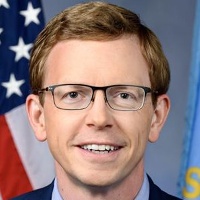
Dusty Johnson
Representative
SD
Dusty Johnson
Representative
SD
The Securing Infrastructure from Adversaries Act of 2025 prohibits the Department of Transportation (DOT) from procuring or contracting for the use of certain foreign-made LiDAR technology identified in related defense legislation. This ban applies to purchases, contracts, and the use of federal loan or grant funds for this restricted technology, generally beginning in mid-2026. The Secretary of Transportation may only waive this prohibition if it is certified to be in the national interest of the United States. Certain safety testing and regulatory exemption activities remain exempt from these restrictions.
This bill requires the District of Columbia to allow Members of Congress with valid concealed carry permits from their home states to carry concealed firearms within the District.
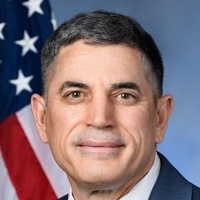
Andrew Clyde
Representative
GA
Andrew Clyde
Representative
GA
This bill would require the District of Columbia to recognize valid concealed carry permits or the legal right to carry a concealed firearm held by Members of Congress from their home states. Specifically, it allows Senators, Representatives, Delegates, and Resident Commissioners to carry a concealed firearm in D.C. provided they meet federal eligibility requirements and carry proper identification.
This Act increases penalties for health plans and insurers that violate surprise billing rules, imposes severe financial penalties for late payments after dispute resolution, and mandates more frequent and detailed transparency reporting on enforcement actions.
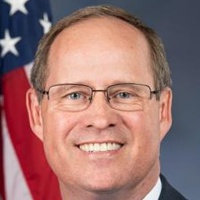
Gregory Murphy
Representative
NC
Gregory Murphy
Representative
NC
The No Surprises Act Enforcement Act significantly increases financial penalties for group health plans and insurance issuers that violate balance billing protections. It establishes steep fines, including up to $\$10,000$ per affected individual for serious non-compliance. Furthermore, the bill imposes severe penalties, including triple the disputed amount plus interest, for failing to make required payments promptly after an Independent Dispute Resolution (IDR) determination. Finally, it mandates more frequent and detailed transparency reporting on enforcement actions and violations.
The SAVES Act establishes a VA pilot program to award grants to nonprofits providing service dogs and veterinary insurance to eligible veterans managing specific service-connected conditions.
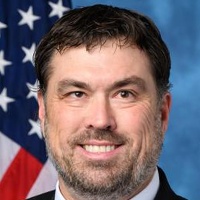
Morgan Luttrell
Representative
TX
Morgan Luttrell
Representative
TX
The SAVES Act establishes a Department of Veterans Affairs (VA) pilot program to award grants to nonprofit organizations that provide service dogs to eligible veterans. These grants, up to $\$2,000,000$ each, will fund the training and provision of service dogs for veterans with qualifying conditions like PTSD or TBI. The bill also extends the expiration date for certain limits on veterans' pension payments until February 2033.
This bill officially renames the United States Postal Service facility at 505 East 9th Avenue in Amarillo, Texas, as the "Mayor Jerry H. Hodge Post Office Building."
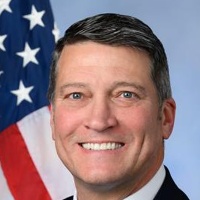
Ronny Jackson
Representative
TX
Ronny Jackson
Representative
TX
This bill officially renames the United States Postal Service facility located at 505 East 9th Avenue in Amarillo, Texas. The building will now be known as the "Mayor Jerry H. Hodge Post Office Building." This designation requires all official records and documents to use the new name for this specific location.
This bill establishes a State judicial threat intelligence and resource center to monitor threats, coordinate security, and report on incidents targeting state and local judges and court staff.
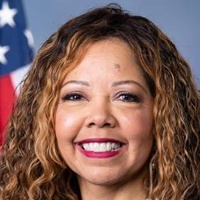
Lucy McBath
Representative
GA
Lucy McBath
Representative
GA
This bill establishes a new State judicial threat intelligence and resource center to enhance the security of state and local judges and court staff. The center will provide training, monitor threats, standardize reporting, and create a national database for incidents against the judiciary. It also requires annual reporting to Congress on the number and severity of threats received.
This Act modernizes seasonal agricultural CDLs by allowing online renewal for eligible employees and clarifying that implements of husbandry are not considered commercial motor vehicles.
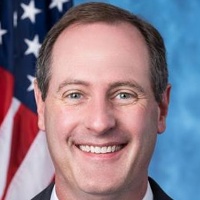
Tracey Mann
Representative
KS
Tracey Mann
Representative
KS
The Seasonal Agriculture CDL Modernization Act streamlines the process for farm workers by allowing states to establish online systems for renewing seasonal, restricted Commercial Driver's Licenses (CDLs). This legislation also clarifies that implements of husbandry (farm equipment) are not classified as commercial motor vehicles for licensing purposes. Overall, the bill aims to modernize and simplify CDL requirements for those in the farm-related service industries.
This bill amends federal law to include violations related to rioting within the definition of racketeering activity.
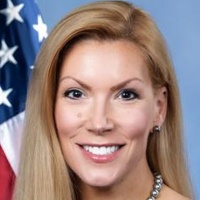
Beth Van Duyne
Representative
TX
Beth Van Duyne
Representative
TX
This bill amends federal law to explicitly include violations related to rioting within the definition of "racketeering activity." By adding this specific crime to the list under Title 18, Section 1961(1), the legislation makes participation in such activities subject to serious federal racketeering charges. This change treats rioting violations similarly to other established offenses like bribery or extortion for the purposes of federal prosecution.
This bill eliminates the 190-day lifetime limit on inpatient psychiatric hospital services covered by Medicare, effective January 1, 2027.
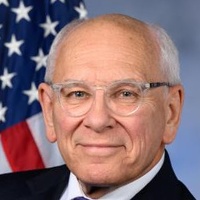
Paul Tonko
Representative
NY
Paul Tonko
Representative
NY
The Medicare Mental Health Inpatient Equity Act of 2025 eliminates the outdated 190-day lifetime limit for inpatient psychiatric hospital services covered by Medicare. This crucial change ensures that beneficiaries will no longer face a cap on the total number of days Medicare will cover for necessary inpatient psychiatric care. The provision takes effect for services received on or after January 1, 2027.
This Act prohibits U.S. commerce and services for vessels associated with ports in Western Hemisphere trade partners that have illegally seized access-controlling land belonging to American entities since 2024.
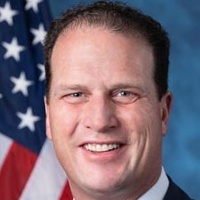
August Pfluger
Representative
TX
August Pfluger
Representative
TX
The Defending American Property Abroad Act of 2025 targets foreign governments in the Western Hemisphere that have seized or unfairly controlled port infrastructure essential to U.S. trade access since early 2024. The bill requires the executive branch to identify this "prohibited property" and subsequently ban any associated vessels from accessing U.S. ports or receiving services. Furthermore, the Act expands the definition of unfair trade practices to explicitly include the nationalization or discriminatory treatment of U.S. assets by foreign nations.
This Act prohibits the Federal Reserve from directly or indirectly issuing a Central Bank Digital Currency (CBDC) and bars the Fed from developing or using one for monetary policy without explicit Congressional authorization.
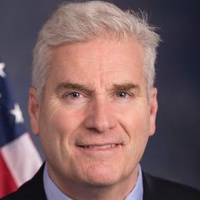
Tom Emmer
Representative
MN
Tom Emmer
Representative
MN
The Anti-CBDC Surveillance State Act strictly prohibits the Federal Reserve from directly or indirectly issuing a Central Bank Digital Currency (CBDC) to individuals. This legislation prevents the Fed from developing, testing, or implementing any digital currency that functions as a direct liability of the Federal Reserve. Furthermore, Congress asserts that any authority to create such a digital asset must explicitly come from Congress itself.
This act enhances protections for Medicare beneficiaries receiving orthotic and prosthetic care by ensuring required training accompanies direct shipments and expanding exemptions within competitive acquisition programs.
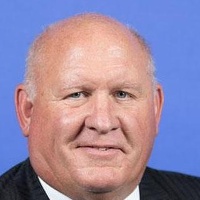
Glenn Thompson
Representative
PA
Glenn Thompson
Representative
PA
The Medicare Orthotics and Prosthetics Patient-Centered Care Act aims to enhance protections for Medicare beneficiaries receiving custom braces and artificial limbs. This bill ensures that payment will not be made for certain devices shipped directly to a patient without required training from a qualified practitioner. Additionally, it expands exemptions from competitive bidding for certain providers and clarifies access to replacement custom orthotic devices.
This Act prohibits the District of Columbia from establishing or maintaining Sister City relationships with foreign adversary nations and restricts the use of federal funds for related outreach without certification of compliance.
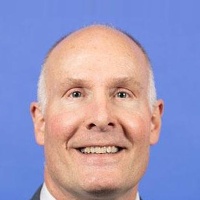
John Moolenaar
Representative
MI
John Moolenaar
Representative
MI
The District of Columbia Sister City Integrity Act prohibits the District from establishing new Sister City relationships with any city or region located in a country designated as a foreign adversary. Existing partnerships with such nations must be terminated within 180 days or upon the agreement's expiration. Furthermore, the District cannot use federal funds for international liaison services without certifying compliance with this Act to the President.
The SHIELD Act amends federal unemployment rules to prohibit benefits for individuals unemployed due to active participation in or direct stake in a labor dispute or strike.
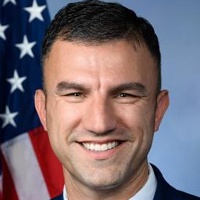
Rudy Yakym
Representative
IN
Rudy Yakym
Representative
IN
The Securing Help for Involuntary Employment Loss and Displacement Act (SHIELD Act) revises federal requirements for state unemployment programs regarding labor disputes. This bill mandates that states deny regular unemployment benefits to individuals unemployed due to a strike or labor dispute in which they actively participated or had a direct stake. The new federal conditions take effect in two years, though states may adopt them sooner.
The Equal Shot Act of 2025 prohibits the Small Business Administration from denying financial assistance to qualified applicants solely based on their involvement in the firearms industry.
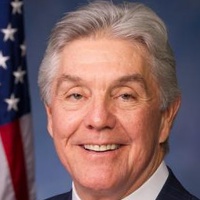
Roger Williams
Representative
TX
Roger Williams
Representative
TX
The Equal Shot Act of 2025 prohibits the Small Business Administration (SBA) from denying financial assistance to otherwise qualified applicants solely based on their involvement in the firearms industry. This legislation ensures that businesses defined as "firearm entities," their affiliates, or trade associations are not unfairly rejected for SBA loans or guarantees. The Act clearly defines these terms to prevent discrimination against businesses involved in manufacturing, selling, or servicing firearms and related accessories.
The SOIL Act of 2025 prohibits designated foreign adversaries from purchasing or leasing land near sensitive U.S. national security sites.
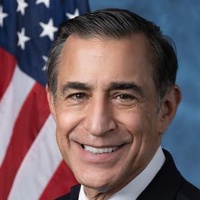
Darrell Issa
Representative
CA
Darrell Issa
Representative
CA
The Saving Our Invaluable Land Act of 2025 (SOIL Act) prohibits specified foreign adversaries, including China, Iran, North Korea, and Russia, from purchasing or leasing land within a 10-mile radius of sensitive U.S. national security sites. This measure amends the Defense Production Act to safeguard military bases, ports, and other critical government facilities from foreign acquisition or control. The goal is to prevent foreign surveillance and protect national security operations near vital infrastructure.
This resolution formally condemns the violent attack on the U.S. Border Patrol facility in McAllen, Texas, on July 7, 2025, while expressing support for law enforcement personnel.
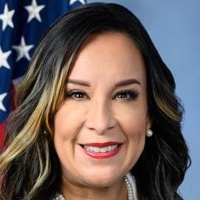
Mónica De La Cruz
Representative
TX
Mónica De La Cruz
Representative
TX
This resolution formally condemns the violent attack on the U.S. Border Patrol facility in McAllen, Texas, on July 7, 2025. It expresses support for the injured agents and reaffirms Congress's strong backing for the dedicated men and women of the Border Patrol. The bill emphasizes that such violence against law enforcement is unacceptable and undermines national security efforts.
This bill authorizes the creation and sale of commemorative coins for the 2028 Los Angeles and 2034 Salt Lake City Olympic and Paralympic Games to help fund the events, with all surcharges going to the respective organizing committees after covering production costs.
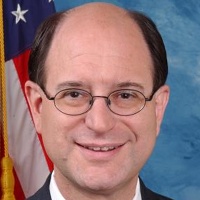
Brad Sherman
Representative
CA
Brad Sherman
Representative
CA
This Act authorizes the Secretary of the Treasury to mint and sell special commemorative coins for the 2028 Los Angeles Olympic and Paralympic Games and the 2034 Salt Lake City Winter Olympic and Paralympic Games. The coins will feature designs celebrating American athletes and the Games themselves. All surcharges collected from the sale of these coins will be directed to the respective organizing committees to help fund the events and related youth sports programs. The entire program must be conducted at no cost to the U.S. Government.