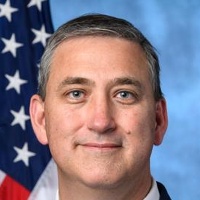
Legislative Activity
Track Nathaniel's sponsored bills, co-sponsored legislation, and voting record
This bill allows participants aged 50 and older to roll over employer contributions from a 401(k) plan into an individual retirement annuity before retirement and updates the required rollover explanation provided to taxpayers.
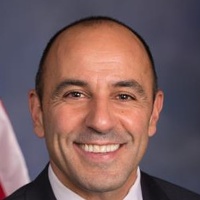
Jimmy Panetta
Representative
CA
Jimmy Panetta
Representative
CA
This bill, the Retirement Simplification and Clarity Act, amends tax code to allow participants aged 50 and older to roll over employer contributions from their 401(k) plan directly into an individual retirement annuity before retirement. It also updates the required written explanation provided to taxpayers regarding rollover rules to ensure it is concise and clearly outlines key tax implications and options. These provisions are set to take effect for taxable years beginning after December 31, 2025.
This resolution expresses condolences for the victims of the July 4 Texas floods, honors heroic efforts, and pledges continued support for recovery.

Chip Roy
Representative
TX
Chip Roy
Representative
TX
This resolution expresses the House's deep condolences for the lives lost during the catastrophic July 4th flooding in the Texas Hill Country. It honors the heroism of first responders and volunteers who aided in rescue efforts. Furthermore, the resolution commits the House to stand with the impacted communities in their ongoing recovery and rebuilding process.
This bill mandates the U.S. Trade Representative to take action to ensure Mexico complies with its USMCA energy trade obligations to protect American commerce.
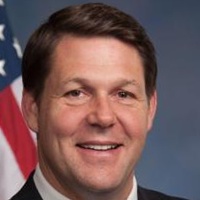
Jodey Arrington
Representative
TX
Jodey Arrington
Representative
TX
The Mexican Energy Trade Enforcement Act mandates the U.S. Trade Representative (USTR) to take specific actions to compel Mexico to comply with its energy trade obligations under the USMCA. The USTR must either request a dispute resolution panel or require non-discriminatory market access for U.S. energy companies. This legislation aims to protect U.S. commerce from Mexican policies that favor state-owned energy companies.
The GAIN AI Act of 2025 prohibits the export of advanced integrated circuits to countries of concern unless the exporter first offers a right of first refusal to United States persons.

John Moolenaar
Representative
MI
John Moolenaar
Representative
MI
The GAIN AI Act of 2025 establishes new export controls on advanced integrated circuits destined for "countries of concern." This legislation mandates that exporters must first offer a right of first refusal to United States persons before seeking a license for such exports. The Act also creates a "trusted United States person" designation to exempt certain domestic entities from these licensing requirements.
This bill establishes an expedited approval process for U.S. natural gas exports to most foreign nations, excluding those under sanctions or deemed national security risks.
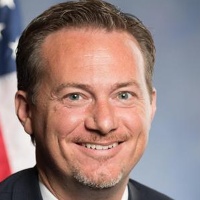
Michael Cloud
Representative
TX
Michael Cloud
Representative
TX
The Natural Gas Export Expansion Act aims to boost the U.S. economy by streamlining and expediting the approval process for exporting natural gas to allied nations. This legislation removes previous regulatory hurdles, ensuring faster authorization for exports, while maintaining exclusions for sanctioned countries or those deemed national security risks. Furthermore, it automatically approves natural gas trade with Canada and Mexico.
The SAFE Drivers Act mandates that all commercial driver's license applicants and renewal candidates must pass a standardized English proficiency test approved by the FMCSA.
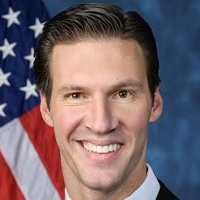
Pat Harrigan
Representative
NC
Pat Harrigan
Representative
NC
The SAFE Drivers Act mandates that all applicants for a Commercial Driver's License (CDL) or learner's permit must pass a standardized English proficiency test approved by the FMCSA. This requirement applies immediately upon the bill's enactment for all new and renewing applicants. States are responsible for administering the test, and failure to comply with these new federal oversight rules may result in the withholding of federal highway funding.
This bill prohibits the EPA from reallocating the renewable fuel obligations of small refineries granted exemptions, ensuring those volumes remain tied to the exempt facility while still counting toward the parent company's overall production for compliance calculations.
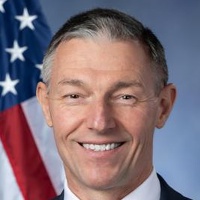
Mike Kennedy
Representative
UT
Mike Kennedy
Representative
UT
The Protect Consumers from Reallocation Costs Act of 2025 prohibits the EPA from reallocating the renewable fuel volume obligations of small refineries that receive exemption extensions. This ensures that the volume remains tied to the exempt refinery rather than being shifted to other obligated parties. Furthermore, the bill requires the EPA to count the fuel produced by an exempt small refinery when calculating the overall production obligations for its parent company.
This bill authorizes the creation and sale of a limited-edition, silver one-dollar commemorative coin honoring the late activist Charles "Charlie" Kirk.
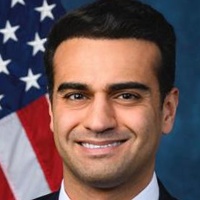
Abraham Hamadeh
Representative
AZ
Abraham Hamadeh
Representative
AZ
This bill authorizes the Secretary of the Treasury to mint and issue up to 400,000 special one-dollar silver commemorative coins honoring the late activist Charles "Charlie" Kirk. The coins must feature his likeness on the obverse and the inscription "well done, good and faithful servant" on the reverse. All costs associated with the production and sale of these coins must be covered by the revenue generated, ensuring no net cost to the U.S. Treasury.
This bill establishes the "CHOICE arrangement" as a new type of employer-funded health reimbursement plan integrated with individual market coverage, provides tax incentives for offering it, and allows participants to use pre-tax cafeteria plan funds for their coverage.
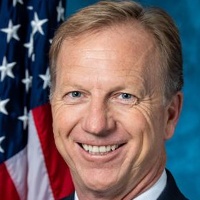
Kevin Hern
Representative
OK
Kevin Hern
Representative
OK
The Choice Arrangement Act of 2025 establishes new rules for employer-funded Health Reimbursement Arrangements (HRAs) integrated with individual health insurance, creating a "CHOICE arrangement." This legislation outlines specific nondiscrimination, substantiation, and notice requirements for employers offering these plans. Furthermore, the Act allows participants to use pre-tax cafeteria plan funds for their coverage and introduces a new, temporary tax credit for eligible small and medium-sized employers who offer these arrangements.
This bill establishes stricter, mandatory prompt payment deadlines and penalties for Medicare Advantage organizations when paying clean claims submitted by healthcare providers.
Jodey Arrington
Representative
TX
Jodey Arrington
Representative
TX
The Medicare Advantage Prompt Pay Act establishes stricter deadlines for Medicare Advantage organizations to pay clean claims submitted by doctors and suppliers. This legislation mandates that MA plans must pay at least 95% of electronic claims within 14 days and other clean claims within 30 days, starting January 1, 2027. Failure to meet these new prompt payment requirements will result in mandatory interest payments to providers and potential civil monetary penalties of up to $25,000 per violation for the MA organization. The Act also requires MA plans to begin reporting detailed data on their payment timeliness to the Secretary.
This bill establishes a new federal tax credit for individuals who donate cash to approved workforce development or apprenticeship training programs, capped at \$1,700 annually.
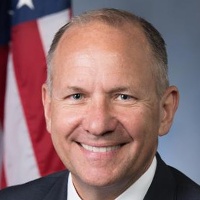
Lloyd Smucker
Representative
PA
Lloyd Smucker
Representative
PA
The USA Workforce Investment Act establishes a new federal tax credit for individuals who donate cash to approved workforce development or apprenticeship training programs. This credit is capped at \$1,700 annually and cannot be claimed alongside a standard charitable deduction for the same contribution. Any unused credit can be carried forward for up to five years.
This Act mandates that new passenger motor vehicles sold in the U.S. must include standard equipment capable of receiving AM broadcast radio signals.

Gus Bilirakis
Representative
FL
Gus Bilirakis
Representative
FL
The AM Radio for Every Vehicle Act of 2025 mandates that the Secretary of Transportation establish a rule requiring AM broadcast radio receivers to be installed as standard equipment in new passenger motor vehicles. This requirement aims to ensure public access to AM radio signals, which are often used for emergency alerts. The bill also directs a GAO study on the effectiveness of AM radio within the national emergency alert system compared to other technologies. Finally, the Act preempts state and local laws on this matter and includes a sunset provision eight years after enactment.
This bill amends the Social Security Act to provide Medicare coverage for FDA-approved multi-cancer early detection screening tests starting in 2028.
Jodey Arrington
Representative
TX
Jodey Arrington
Representative
TX
The Nancy Gardner Sewell Medicare Multi-Cancer Early Detection Screening Coverage Act amends the Social Security Act to provide Medicare Part B coverage for multi-cancer early detection screening tests starting January 1, 2028. This legislation establishes clear criteria for qualifying tests and outlines payment structures to ensure beneficiaries have access to these advanced diagnostic tools. Importantly, this coverage is designed to complement, rather than replace, existing Medicare-covered cancer screenings.
This act amends the Fair Labor Standards Act to exclude direct sellers and qualified real estate agents from the definition of "employee."
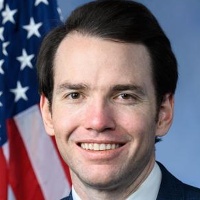
Kevin Kiley
Representative
CA
Kevin Kiley
Representative
CA
This act, the Direct Seller and Real Estate Agent Harmonization Act, amends the Fair Labor Standards Act to clarify employment status. Specifically, it excludes direct sellers and qualified real estate agents from the definition of "employee." This change aligns labor standards with existing IRS classifications for these professions.
This Act ensures the automatic continuation of pay for active duty military personnel and essential civilian support staff if Congress fails to pass a budget for fiscal year 2026.
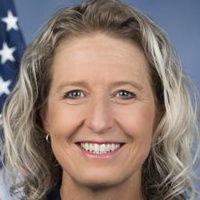
Jennifer Kiggans
Representative
VA
Jennifer Kiggans
Representative
VA
The Pay Our Troops Act of 2026 ensures that active duty military personnel and essential civilian support staff continue to receive their pay if Congress has not yet passed the full budget for fiscal year 2026. This act provides automatic continuing appropriations from the Treasury to prevent a lapse in military salaries due to budget delays. The funding automatically terminates once a new budget or continuing resolution is passed, or on January 1, 2027, whichever comes first.
This resolution strongly condemns the assassination of Charlie Kirk and calls for national change inspired by his life and tragic death.
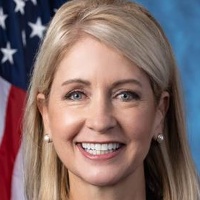
Mary Miller
Representative
IL
Mary Miller
Representative
IL
This resolution strongly condemns the assassination of conservative activist Charlie Kirk on September 10, 2025, during his national speaking tour. It honors his life, his founding of Turning Point USA, and his dedication to conservative principles. Ultimately, the document calls for national unity and reaffirms the commitment to protecting the right to peaceful assembly and free expression.
The RESULTS Act reforms how Medicare determines payment rates for clinical diagnostic laboratory tests by mandating the use of comprehensive, real-world private payor claims data collected from an independent entity.
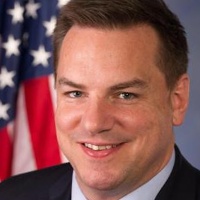
Richard Hudson
Representative
NC
Richard Hudson
Representative
NC
The Reforming and Enhancing Sustainable Updates to Laboratory Testing Services Act of 2025 (RESULTS Act) aims to improve Medicare payment rates for clinical lab tests by mandating the collection of more accurate, real-world payment data directly from large, independent private insurance claims databases. This legislation updates definitions, collection timelines, and calculation methods to ensure Medicare payments for widely available tests reflect current market rates. It also establishes default payment rules if sufficient private payor data cannot be secured.
This act ensures that essential Border Patrol Agents and Customs Officers receive their salaries during a government shutdown in fiscal year 2026.
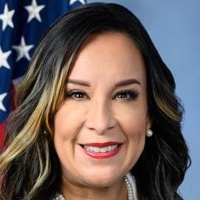
Mónica De La Cruz
Representative
TX
Mónica De La Cruz
Representative
TX
The Pay Our Border Patrol and Customs Agents Act ensures that essential U.S. Border Patrol Agents and Customs and Border Protection officers who must work during a government shutdown in fiscal year 2026 will receive their salaries. This legislation appropriates necessary funds from the Treasury to cover these payments during the lapse in appropriations. The goal is to guarantee that critical border security personnel are paid even if the government temporarily closes.
This Act pauses scheduled Medicare home health payment reductions for 2026 and 2027 to ensure continued beneficiary access to services.
Kevin Hern
Representative
OK
Kevin Hern
Representative
OK
The Home Health Stabilization Act of 2025 aims to ensure continued access to Medicare home health services by pausing automatic payment reductions scheduled for 2026 and 2027. This is achieved by mandating a positive adjustment to the standard payment rate to fully offset proposed cuts. Furthermore, the bill clarifies that these temporary payment increases will not negatively impact future rate calculations for providers.
The DETECT Act of 2025 mandates a report on the potential for the IRS to utilize artificial intelligence to detect tax fraud.
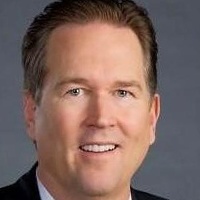
Vern Buchanan
Representative
FL
Vern Buchanan
Representative
FL
The DETECT Act of 2025 mandates a report from the Comptroller General assessing the potential for the IRS to utilize artificial intelligence (AI) to enhance the detection of tax fraud. This report must be delivered to key Congressional committees within 180 days of the Act's enactment. Essentially, the bill initiates a study on leveraging AI for improved tax compliance tracking.