Legislative Activity
Track Morgan's sponsored bills, co-sponsored legislation, and voting record
This act increases funding for the Defense Health Agency's research, development, testing, and evaluation, specifically ensuring support for Congressionally Directed Medical Research Programs as outlined in prior appropriations acts.
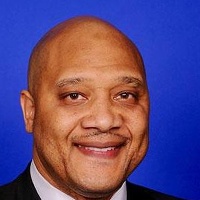
André Carson
Representative
IN
André Carson
Representative
IN
The Medical Research for Our Troops Act increases the budget for the Defense Health Agency's research, development, testing, and evaluation (RDT&E). This legislation specifically restores and increases funding for these critical defense health programs. The restored funds must be used to support all previously directed medical research programs and initiatives as outlined in prior appropriations acts.
This Act permanently protects inventoried roadless areas within the National Forest System from new road construction and logging, upholding existing federal "Roadless Rule" prohibitions.
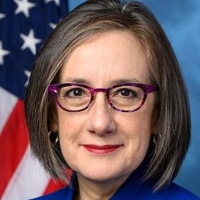
Andrea Salinas
Representative
OR
Andrea Salinas
Representative
OR
The Roadless Area Conservation Act of 2025 aims to provide lasting protection for inventoried roadless areas within the National Forest System. This legislation codifies existing federal regulations, known as the "Roadless Rule," which generally prohibits the construction of new roads or the cutting of timber in these sensitive zones. The purpose is to safeguard critical ecological benefits, clean water sources, and wildlife habitats while maintaining the Forest Service's multiple-use management mission.
This Act establishes new procedures for Federal Firearms Licensees when background checks are delayed, mandates reporting on delayed and denied transfers, and removes a specific time limit from existing background check law.
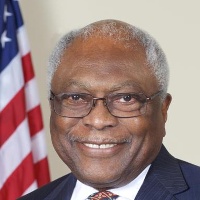
James Clyburn
Representative
SC
James Clyburn
Representative
SC
The Enhanced Background Checks Act of 2025 reforms federal firearm background check procedures, establishing a formal petition process for buyers when the system delays a decision beyond 10 business days. This bill removes the previous 10-day time limit on background checks under the Brady Act while mandating extensive reporting from the GAO and FBI on the effectiveness and outcomes of these delayed transfers. Furthermore, the Attorney General must report on the law's impact on domestic violence victims within 150 days of enactment.
The Runaway and Homeless Youth and Trafficking Prevention Act of 2025 updates federal programs to enhance support, prevention, and data collection for runaway, homeless, and trafficked youth through updated grant requirements and service mandates.
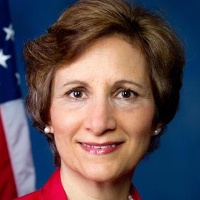
Suzanne Bonamici
Representative
OR
Suzanne Bonamici
Representative
OR
The Runaway and Homeless Youth and Trafficking Prevention Act of 2025 updates federal programs to better support and protect runaway, homeless, and trafficked youth. This legislation modernizes grant programs to ensure services are trauma-informed, culturally sensitive, and address critical needs like housing, education, and mental health. It also expands communication channels to include online outreach and strengthens coordination across federal agencies to combat youth homelessness and exploitation.
This Act mandates that most private firearm transfers must go through a licensed dealer to ensure background checks are performed on all purchasers.
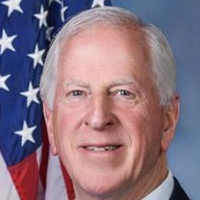
Mike Thompson
Representative
CA
Mike Thompson
Representative
CA
The Bipartisan Background Checks Act of 2025 aims to strengthen existing federal background check systems to prevent prohibited persons from acquiring firearms. This bill primarily mandates that most private firearm transfers must be facilitated through a licensed dealer who will conduct a background check. The legislation includes specific exceptions for family gifts, law enforcement, and temporary transfers under emergency circumstances.
The Pride In Mental Health Act of 2025 establishes grants and federal initiatives to improve mental health services and research specifically for LGBTQ+ youth while explicitly prohibiting the use of funds for conversion therapy.
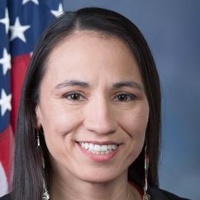
Sharice Davids
Representative
KS
Sharice Davids
Representative
KS
The Pride In Mental Health Act of 2025 establishes a new grant program to improve mental health and substance abuse outcomes for LGBTQ+ youth through culturally competent care and resource development. These grants strictly prohibit funding for conversion therapy practices. The bill also mandates federal data collection on LGBTQ+ youth mental health and requires a report on the needs of those in foster care.
This act repeals certain provisions of the Protection of Lawful Commerce in Arms Act and allows federal gun trace information to be discoverable and admissible in civil proceedings.
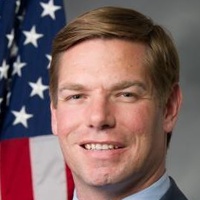
Eric Swalwell
Representative
CA
Eric Swalwell
Representative
CA
The Equal Access to Justice for Victims of Gun Violence Act of 2025 repeals key provisions of the Protection of Lawful Commerce in Arms Act. This legislation allows federal gun trace information to be discoverable and admissible as evidence in civil lawsuits and administrative hearings. The bill aims to provide victims of gun violence with greater access to relevant data in legal proceedings.
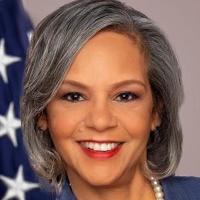
This resolution expresses strong support for designating June 6, 2025, as National Gun Violence Awareness Day and June 2025 as National Gun Violence Awareness Month to honor victims and promote awareness.
Robin Kelly
Representative
IL
Robin Kelly
Representative
IL
This resolution expresses strong support for designating June 6, 2025, as "National Gun Violence Awareness Day" and June 2025 as "National Gun Violence Awareness Month." It highlights the devastating scale of gun violence in the U.S., recognizing the thousands of annual deaths and injuries across all demographics. The bill encourages Americans to wear orange on the designated day to honor victims and promote increased awareness and community action regarding gun safety.
The Menstrual Equity For All Act of 2025 mandates the provision of free menstrual products across schools, correctional facilities, federal buildings, and workplaces, while also expanding coverage under Medicaid and eliminating sales tax on these essential items.

Grace Meng
Representative
NY
Grace Meng
Representative
NY
The Menstrual Equity For All Act of 2025 aims to eliminate period poverty by ensuring access to free menstrual products across various sectors of society. This comprehensive bill mandates the availability of these essential supplies in K-12 schools, colleges, correctional facilities, federal buildings, and workplaces with over 100 employees. Furthermore, it expands coverage under Medicaid, allocates specific funding through social service block grants and TANF programs, and prohibits states from taxing menstrual products.
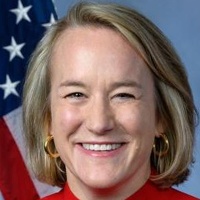
This bill establishes a Veterans Experience Office within the VA, led by a Chief Officer, to strategically improve customer satisfaction and service delivery based on direct veteran feedback.
Nicole (Nikki) Budzinski
Representative
IL
Nicole (Nikki) Budzinski
Representative
IL
The Improving Veterans’ Experience Act of 2025 establishes a new Veterans Experience Office within the Department of Veterans Affairs, led by a Chief Officer reporting directly to the Secretary. This office is tasked with creating a unified strategy to improve veteran satisfaction by collecting feedback, assessing service quality, and advising other VA departments. The Secretary must submit an annual report to Congress detailing customer feedback and proposed solutions for barriers preventing veterans from accessing benefits.
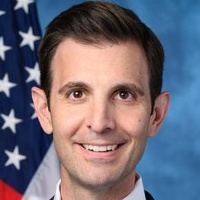
This bill protects striking and locked-out workers by preventing employers from terminating or altering their group health plan coverage during a labor dispute and establishes significant civil penalties for violations.
Chris Deluzio
Representative
PA
Chris Deluzio
Representative
PA
The Striking and Locked Out Workers Healthcare Protection Act ensures that employers cannot terminate or alter group health plan coverage for employees during a lawful strike or an employer-initiated lockout. This legislation aims to prevent employers from using health benefits as leverage during labor disputes. The bill also establishes significant civil penalties, including fines up to \$150,000 per violation, for employers who interfere with this coverage, and allows for individual liability for directors and officers involved in such violations.
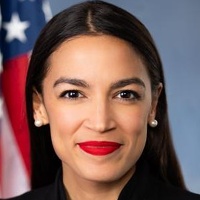
The DEFIANCE Act of 2025 establishes a federal civil right of action against the creation, possession with intent to share, or sharing of nonconsensual sexually explicit digital forgeries, or "deepfakes."
Alexandria Ocasio-Cortez
Representative
NY
Alexandria Ocasio-Cortez
Representative
NY
The DEFIANCE Act of 2025 establishes a federal civil cause of action against the creation, possession with intent to share, or sharing of nonconsensual intimate digital forgeries, often known as deepfakes. This legislation updates existing law to specifically address image-based sexual abuse created through AI or digital manipulation, regardless of whether the image is labeled as fake. Victims can sue for significant statutory damages, attorney's fees, and injunctive relief to stop the spread of the harmful content. The Act ensures that this new federal standard does not preempt or limit stronger existing State or Tribal laws.
The Fit to Serve Act prohibits discrimination against service members and recruits in the Armed Forces based on their gender identity.
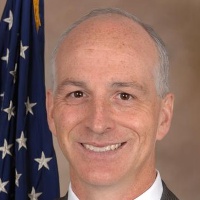
Adam Smith
Representative
WA
Adam Smith
Representative
WA
The Fit to Serve Act prohibits the U.S. Armed Forces from discriminating against service members based on their gender identity. This means military branches cannot set different standards, involuntarily discharge personnel, or deny medically necessary healthcare due to a service member's gender identity. The bill ensures equal opportunity for joining, serving, and receiving care regardless of one's internal sense of self.
This bill restricts the transfer of specific offensive military articles and defense services to Israel until Congress authorizes their use for specified purposes and Israel provides written assurances of compliance with international law.
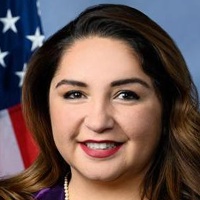
Delia Ramirez
Representative
IL
Delia Ramirez
Representative
IL
This bill imposes significant restrictions on the transfer of specific defense articles and services to Israel. Transfers of listed military equipment, such as certain bombs and ammunition, are prohibited unless Congress first passes a law detailing their specific authorized use. Furthermore, Israel must provide satisfactory written assurances that the items will only be used for those stated purposes and in compliance with international law.
The College for All Act of 2025 establishes federal-state partnerships and grants to eliminate tuition and fees at public and tribal colleges, boosts Pell Grants, and increases funding for minority-serving institutions.
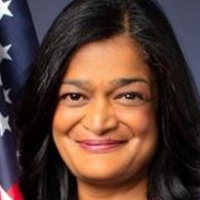
Pramila Jayapal
Representative
WA
Pramila Jayapal
Representative
WA
The College for All Act of 2025 establishes a Federal-State partnership to eliminate tuition and required fees at public and Tribal colleges for eligible students, while significantly increasing Federal Pell Grant maximum awards and expanding eligibility to include many "Dreamer students." The bill also creates new grant programs to cover tuition at private non-profit HBCUs and MSIs, and funds initiatives to improve student success and support for low-income and first-generation students. Finally, it increases overall appropriations for HBCUs, Tribal Colleges, and other Minority-Serving Institutions.
This Act establishes mandatory ethics codes, recusal standards, and enhanced financial disclosure requirements for Supreme Court Justices and federal judges.
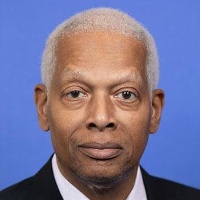
Henry Johnson
Representative
GA
Henry Johnson
Representative
GA
The Supreme Court Ethics, Recusal, and Transparency Act of 2025 establishes a mandatory, public code of conduct and a formal complaint process for Supreme Court Justices, modeled after procedures for lower federal judges. The bill also institutes stricter disclosure requirements for gifts and financial ties, and mandates judicial disqualification in cases involving recent lobbying contact or significant financial relationships with involved parties. Furthermore, it creates new review panels for disqualification motions and requires parties and *amici* to disclose financial supporters connected to the case.
This bill establishes the Veterans Advisory Committee on Equal Access to advise the VA on improving accessibility for disabled veterans and extends the limitation on certain veteran pension payments in nursing facilities.
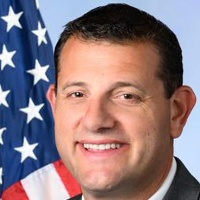
David Valadao
Representative
CA
David Valadao
Representative
CA
The Veterans Accessibility Advisory Committee Act of 2025 establishes a new advisory committee within the VA to focus on improving physical, digital, and service accessibility for veterans with disabilities. This committee, composed of veterans, experts, and VA staff, will review compliance with accessibility laws and provide recommendations to the VA Secretary. Additionally, the bill extends the expiration date for a limitation on certain pension payments for veterans residing in nursing facilities.
This resolution expresses support for designating May 17, 2025, as "Necrotizing Enterocolitis Awareness Day" to highlight the devastating impact of this disease on vulnerable infants.
Mike Thompson
Representative
CA
Mike Thompson
Representative
CA
This resolution expresses strong support for designating May 17, 2025, as "Necrotizing Enterocolitis Awareness Day." It highlights that NEC is a devastating condition and the leading cause of death for many premature infants. The bill emphasizes the need to raise public awareness about prevention methods, such as the use of human milk, and address disparities in care.
This joint resolution disapproves and blocks the proposed military sale of F-16 components and related services to the United Arab Emirates.
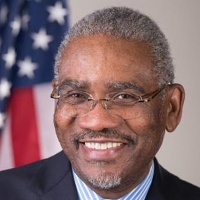
Gregory Meeks
Representative
NY
Gregory Meeks
Representative
NY
This joint resolution seeks to disapprove and halt a specific proposed foreign military sale of F-16 aircraft components, spare parts, and related support services to the Government of the United Arab Emirates. Congress is exercising its authority under the Arms Export Control Act to block this transaction. If passed, the defense articles and services outlined in Transmittal No. 2525 will not be sold to the UAE.
This joint resolution expresses congressional disapproval to prohibit the proposed foreign military sale of specific defense articles and services to the United Arab Emirates.
Gregory Meeks
Representative
NY
Gregory Meeks
Representative
NY
This joint resolution seeks to formally disapprove and prohibit a specific proposed foreign military sale to the United Arab Emirates. The bill directly blocks the transfer of defense articles, including Chinook helicopters, specialized navigation systems, and communications equipment. Essentially, Congress is using its authority to stop this particular arms deal from moving forward.