Legislative Activity
Track Morgan's sponsored bills, co-sponsored legislation, and voting record
The "No TSA Data for ICE Act" prohibits the Department of Homeland Security from sharing TSA passenger data with immigration enforcement agencies and protects Trusted Traveler program participants from retaliation for exercising their First Amendment rights.
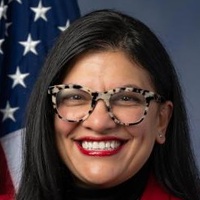
Rashida Tlaib
Representative
MI
Rashida Tlaib
Representative
MI
The "No TSA Data for ICE Act" prohibits the Department of Homeland Security from sharing sensitive passenger data from the TSA or private brokers with immigration enforcement agencies. Additionally, the bill protects participants in Trusted Traveler programs by preventing the government from suspending or denying enrollment based on an individual's participation in First Amendment-protected activities.
The Federal Naming Standards Act prohibits naming federal buildings, facilities, or programs after elected officials or political appointees until at least 10 years after they leave office.
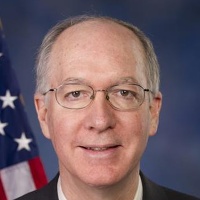
Bill Foster
Representative
IL
Bill Foster
Representative
IL
The Federal Naming Standards Act prohibits federal buildings, facilities, and programs from being named after elected officials or political appointees until at least 10 years after they leave office. This legislation aims to prevent the politicization of public property by establishing strict waiting periods and oversight by agency inspectors general. It includes specific exemptions for deceased individuals and historical or educational contexts.
The TPS Review Act strengthens judicial oversight and establishes congressional review for decisions to terminate Temporary Protected Status, ensuring that such actions are evidence-based and subject to legal challenge.
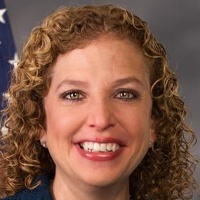
Debbie Wasserman Schultz
Representative
FL
Debbie Wasserman Schultz
Representative
FL
The Temporary Protected Status (TPS) Review Act strengthens oversight of government decisions to terminate TPS designations by reinstating judicial review and requiring that such decisions be supported by a comprehensive administrative record. The bill also subjects TPS terminations to congressional review under the Congressional Review Act, ensuring these decisions are subject to greater accountability. Additionally, it provides legal protections for beneficiaries by automatically staying terminations during the pendency of any legal challenges.
This bill directs the Small Business Administration to develop and distribute multilingual educational resources to help small business owners and their employees understand their rights and responsibilities regarding immigration enforcement and compliance.
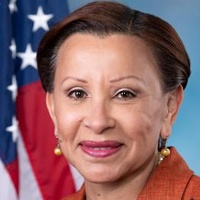
Nydia Velázquez
Representative
NY
Nydia Velázquez
Representative
NY
The Businessowner Immigration Rights and Responsibilities Information Act of 2026 directs the Small Business Administration to develop and distribute comprehensive educational resources regarding immigration enforcement. These materials will provide small business owners and their employees with clear guidance on their legal rights, compliance responsibilities, and best practices for handling enforcement actions. Available in multiple languages, these resources aim to ensure businesses are well-informed and prepared while navigating complex immigration regulations.
The Right to IVF Act of 2026 establishes a nationwide right to fertility care, mandates comprehensive insurance coverage for reproductive services, and expands access to fertility treatments for veterans and federal employees.
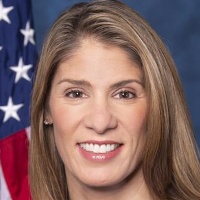
Lori Trahan
Representative
MA
Lori Trahan
Representative
MA
The Right to IVF Act of 2026 establishes a nationwide statutory right to access assisted reproductive technology (ART) and intrauterine insemination (IUI) while prohibiting states from imposing restrictive barriers. The bill further expands family-building support by mandating comprehensive fertility coverage across private insurance, Medicare, Medicaid, and federal employee health plans. Additionally, it guarantees expanded access to fertility services and preservation for military service members and veterans.
This bill establishes new payment rules and prohibitions for Pharmacy Benefit Managers (PBMs) administering federal employee health plans, including penalties for noncompliance.
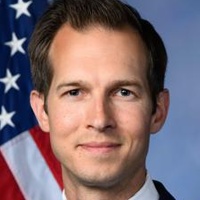
Jake Auchincloss
Representative
MA
Jake Auchincloss
Representative
MA
This bill, the Pharmacists Fight Back in Federal Employee Health Benefit Plans Act, establishes new rules for Pharmacy Benefit Managers (PBMs) administering prescription drug benefits for federal employees. It mandates specific reimbursement rates for pharmacies and prohibits PBMs from engaging in anti-competitive practices like steering patients to affiliated pharmacies. The legislation also institutes civil monetary penalties and potential debarment for PBMs that fail to comply with these new requirements.
This resolution recognizes July 21, 2026, as Black Women’s Equal Pay Day to raise awareness of the persistent wage gap and reaffirm the commitment to achieving pay equity.
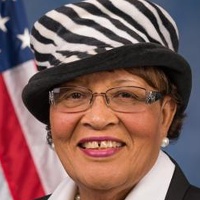
Alma Adams
Representative
NC
Alma Adams
Representative
NC
This resolution recognizes July 21, 2026, as Black Women’s Equal Pay Day to highlight the persistent and significant wage gap between Black women and white, non-Hispanic men. It calls attention to the systemic racial and gender-based barriers contributing to this disparity and reaffirms a commitment to achieving true pay equity.
The Justice for Incarcerated Moms Act aims to improve maternal health outcomes for incarcerated individuals by prohibiting the shackling of pregnant prisoners and establishing federal and state programs to provide comprehensive prenatal and postpartum care.

Ayanna Pressley
Representative
MA
Ayanna Pressley
Representative
MA
The Justice for Incarcerated Moms Act aims to improve maternal health outcomes and reduce disparities for pregnant and postpartum individuals in the criminal justice system. The bill mandates the end of shackling for pregnant individuals in federal and state facilities and establishes comprehensive model programs to provide prenatal and postpartum care. Additionally, it creates a grant program for state and local facilities to improve maternal health services and requires a federal report to identify and address systemic barriers to care.
This bill mandates electronic prior authorization, increases transparency through required data reporting, and establishes faster decision timelines for Medicare Advantage plans to improve timely access to care for seniors.

Mike Kelly
Representative
PA
Mike Kelly
Representative
PA
The Improving Seniors’ Timely Access to Care Act of 2025 aims to streamline and modernize the prior authorization process within Medicare Advantage plans. This bill mandates the adoption of electronic prior authorization systems and significantly increases transparency regarding approval rates and decision times starting in 2027. Furthermore, it establishes new enrollee protections and grants the Secretary authority to enforce faster decision timeframes for medical services.
This resolution designates July 10th as Journeyman Lineworkers Recognition Day to honor the essential service and sacrifices of the professionals who maintain our nation’s power grid.

Linda Sánchez
Representative
CA
Linda Sánchez
Representative
CA
This resolution designates July 10th as Journeyman Lineworkers Recognition Day to honor the essential, high-risk work performed by these skilled professionals. It pays tribute to the lineworkers who provide critical service during emergencies and recognizes those who have made the ultimate sacrifice in the line of duty.
The Sunshine for Our Kids Act of 2026 establishes permanent standard time nationwide while granting states the authority to opt into year-round daylight saving time.

Mary Scanlon
Representative
PA
Mary Scanlon
Representative
PA
The Sunshine for Our Kids Act of 2026 establishes standard time as the permanent default across the United States. Additionally, the bill provides states with the flexibility to adopt daylight saving time year-round through state legislation.
This act increases and ties future monthly black lung disability benefits for miners to annual cost-of-living adjustments to restore their original value.

Summer Lee
Representative
PA
Summer Lee
Representative
PA
The Support Our Miners Act aims to restore the real value of monthly disability benefits for coal miners suffering from black lung disease. This legislation sets the 2026 benefit rate to match the inflation-adjusted value of the original 1969 payment. Starting in 2027, benefits will be automatically adjusted annually based on the Consumer Price Index to ensure they keep pace with the cost of living.
This bill expands Small Business Administration (SBA) loan eligibility to include investments in business software, cloud computing services, and artificial intelligence tools.
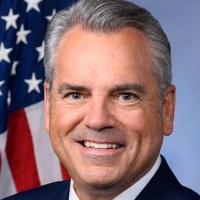
Mark Alford
Representative
MO
Mark Alford
Representative
MO
The Small Business Technological Advancement Act expands the eligibility of Small Business Administration (SBA) 7(a) loans to include investments in business software and cloud computing services. This update allows small businesses to utilize loan funds for essential operational tools, including those powered by artificial intelligence, to improve efficiency and service delivery.
This bill renames and revises the Great American Outdoors Act's maintenance fund, increases dedicated funding through new, higher fees for foreign visitors, and sets spending priorities for deferred maintenance across public lands agencies.
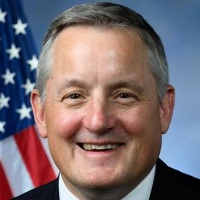
Bruce Westerman
Representative
AR
Bruce Westerman
Representative
AR
This bill, the Great American Outdoors Act 250, significantly reforms and renames the existing public lands restoration fund to the America’s Legacy Restoration Fund. It secures dedicated funding streams, primarily from energy revenues and new fees on foreign visitors, to address critical deferred maintenance across the National Park Service, Forest Service, and other public land agencies. The legislation establishes strict spending priorities for infrastructure repair while also creating pilot programs for enhancing outdoor recreation and sportsmen's access. Finally, it mandates increased transparency and accountability through standardized metrics and public reporting on all funded projects.
This bill establishes a mandatory timeline and binding arbitration process to expedite the negotiation of first-time collective bargaining agreements between employers and newly certified unions.
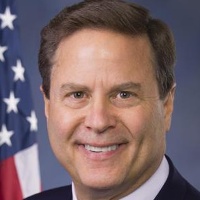
Donald Norcross
Representative
NJ
Donald Norcross
Representative
NJ
The Faster Labor Contracts Act aims to speed up the process of securing a first collective bargaining agreement after a union is certified. It establishes a mandatory timeline, including mediation and binding arbitration, if an agreement is not reached within 90 days of bargaining. This process is designed to prevent lengthy delays that currently weaken the union's position. The bill also requires a GAO report on current time-to-contract averages.
The Jewish American Security Act aims to combat rising antisemitism through enhanced security grants, new protections for Jewish students in education, and increased transparency requirements for online platforms regarding hate speech.

Dan Goldman
Representative
NY
Dan Goldman
Representative
NY
The Jewish American Security Act addresses the rising threat of antisemitism across the nation. This bill mandates new protections for Jewish students in educational settings and significantly increases funding and administrative support for securing Jewish community institutions. Furthermore, it requires increased transparency from large online platforms regarding their moderation of antisemitic content and mandates federal assessments of domestic and transnational antisemitic threats.
This act prohibits the construction of triumphal arches in Lady Bird Johnson Park and restricts arches over 50 feet tall on other National Park Service land in the capital region to protect the viewshed of Arlington National Cemetery.
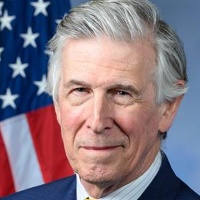
Donald Beyer
Representative
VA
Donald Beyer
Representative
VA
This act, the Arlington National Cemetery Viewshed Protection Act, prohibits the construction of any new triumphal arches in Lady Bird Johnson Park. It also restricts the building of any triumphal arch over 50 feet tall on other National Park Service land within the capital region unless explicitly authorized by Congress. The legislation aims to protect the visual landscape surrounding Arlington National Cemetery.
The American High-Speed Rail Act significantly expands federal support for high-speed rail development by increasing funding, broadening eligibility, updating safety and technology requirements, and facilitating property acquisition and freight right-of-way transfers.
Seth Moulton
Representative
MA
Seth Moulton
Representative
MA
The American High-Speed Rail Act significantly expands federal support for high-speed and higher-speed rail development by increasing funding limits, broadening eligibility for public-private partnerships, and establishing new planning and safety requirements. The bill authorizes substantial funding through 2031 for corridor development and planning, while also creating pathways for acquiring necessary right-of-way property and ensuring labor protections on federally-funded infrastructure. It also refines definitions, setting the threshold for true "high-speed rail" at 186 mph or more, and introduces a new category for "higher-speed rail."
This bill, the DONOR Milk Act, regulates pasteurized donor human milk as a critical food by requiring annual safety inspections for processing facilities and providing grants to help nonprofit milk banks meet food safety standards.

Rosa DeLauro
Representative
CT
Rosa DeLauro
Representative
CT
The DONOR Milk Act aims to enhance the safety and oversight of pasteurized donor human milk by regulating it as a critical food under federal law. This legislation mandates annual safety inspections for all processing facilities and requires them to register as food establishments. Furthermore, it establishes a grant program to assist nonprofit milk banks in meeting these new food safety standards.
This bill authorizes the minting and sale of commemorative gold and silver coins to honor the 25th anniversary of the September 11, 2001, terrorist attacks, with surcharges supporting the National September 11 Memorial and Museum.
Dan Goldman
Representative
NY
Dan Goldman
Representative
NY
This bill authorizes the Secretary of the Treasury to mint and issue commemorative gold and silver coins marking the 25th anniversary of the September 11, 2001, terrorist attacks. The coins will honor the victims, first responders, and survivors, with designs selected in consultation with the National September 11 Memorial and Museum. All surcharges from the sale of these coins will be paid directly to the Memorial and Museum to support its operations and maintenance.