Legislative Activity
Track Barry's sponsored bills, co-sponsored legislation, and voting record
This bill mandates that elementary, secondary, and higher education institutions must certify compliance with biological fairness requirements in women's sports to receive federal funding, with penalties for non-compliance.
Garland Barr
Representative
KY
Garland Barr
Representative
KY
The Defend Girls Athletics Act mandates that elementary, secondary, and higher education institutions must certify compliance with Executive Order 14201 regarding biological fairness in women's sports to receive federal funding. This certification must be renewed annually for K-12 districts and by July 1st for colleges and universities. Failure to comply or report results in the immediate requirement to return unobligated federal funds and ineligibility for future federal financial assistance until compliance is restored.
The SAMS Act of 2025 codifies several existing Executive Orders related to critical minerals into permanent federal law.
Gary Palmer
Representative
AL
Gary Palmer
Representative
AL
The SAMS Act of 2025 codifies several previous Executive Orders into permanent law, specifically focusing on policies related to critical minerals. This action elevates existing presidential directives concerning these vital resources to the full force and effect of statutory law. The bill ensures the long-term legal standing of established critical mineral supply chain strategies.
This resolution expresses Congress's strong belief that "The Star-Spangled Banner" must be performed in public using the original English lyrics written by Francis Scott Key.
Stephanie Bice
Representative
OK
Stephanie Bice
Representative
OK
This resolution expresses the sense of Congress that any public performance of "The Star-Spangled Banner" must adhere strictly to the original English lyrics written by Francis Scott Key. It affirms the importance of preserving the historical integrity and unifying symbolism of the national anthem. The bill strongly encourages adherence to the original text as written in 1814.
The ICE Act establishes criminal penalties for knowingly interfering with or obstructing U.S. Immigration and Customs Enforcement officers during immigration enforcement duties.
Randall Fine
Representative
FL
Randall Fine
Representative
FL
The Initiating Criminal Enforcement Act (ICE Act) establishes new federal penalties for individuals who knowingly interfere with or obstruct U.S. Immigration and Customs Enforcement (ICE) officers during the execution of their duties. This includes actively blocking enforcement actions or intentionally damaging government property used by ICE personnel. Violators of this law could face fines and up to five years in prison.
The SAFER at the Border Act restricts the Secretary of Homeland Security's authority to parole certain individuals, including known or suspected terrorists and special interest aliens, into the United States.
Nicholas Langworthy
Representative
NY
Nicholas Langworthy
Representative
NY
The Safeguarding Americans From Extremist Risk (SAFER) at the Border Act aims to enhance national security by establishing clear definitions for "known terrorist," "special interest alien," and "suspected terrorist." This legislation significantly restricts the Secretary of Homeland Security's authority to use parole for individuals arriving at the border. Specifically, it prohibits parole for anyone identified as a terrorist, a national security risk, or inadmissible due to terrorism-related activities.
This resolution commemorates the 65th anniversary of the Marshall Space Flight Center and recognizes its continued leadership in developing the Space Launch System and advancing human space exploration.
Dale Strong
Representative
AL
Dale Strong
Representative
AL
This resolution commemorates the 65th anniversary of the Marshall Space Flight Center (MSFC) and recognizes its vital role in American space exploration history, from the Saturn V to the current Artemis missions. It specifically commends MSFC for its leadership in developing the Space Launch System (SLS), the rocket central to returning humans to the Moon and exploring deep space. The bill honors the workforce for their continued innovation and commitment to advancing NASA's goals.
The TPS Reform Act of 2025 transfers the authority to designate, extend, or terminate Temporary Protected Status from the executive branch to Congress through new legislative acts.

Chip Roy
Representative
TX
Chip Roy
Representative
TX
The TPS Reform Act of 2025 fundamentally shifts the authority for designating and extending Temporary Protected Status (TPS) from the executive branch to Congress. Under this Act, Congress must pass specific legislation to grant initial TPS or approve any extensions based on ongoing conflict or disaster conditions. The Secretary of Homeland Security assumes the administrative responsibilities previously held by the Attorney General regarding TPS.
This Act prohibits federal executive agencies from asking about or accepting responses related to gender identity on official forms or surveys, limiting sex/gender options to male or female.
Nancy Mace
Representative
SC
Nancy Mace
Representative
SC
The Restoring Biological Truth in Government Act prohibits federal executive agencies from asking about or accepting responses regarding gender identity on official forms or surveys. This legislation mandates that agencies only allow selections for "male" or "female," strictly defining these terms based on biological sex characteristics related to reproductive capability. The Office of Management and Budget is tasked with issuing guidance to ensure agency compliance within 180 days.
The PAPA Act of 2025 restricts the use of ADS-B tracking data, limits government access to it, and establishes new public disclosure and spending requirements for airports imposing fees on general aviation aircraft.
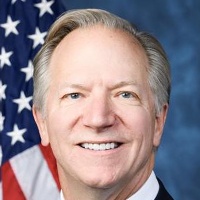
Robert Onder
Representative
MO
Robert Onder
Representative
MO
The Pilot and Aircraft Privacy Act of 2025 (PAPA Act) restricts the use of Automatic Dependent Surveillance-Broadcast (ADS-B) data to prevent unauthorized revenue collection and limits access by federal, state, and local government officials. The bill also establishes new public disclosure and oversight requirements for airports wishing to impose landing or takeoff fees specifically on general aviation aircraft. Any fees collected must be dedicated solely to airside safety projects.
The Protect RAIL Act makes non-citizens inadmissible to the U.S. and deportable if they commit or conspire to commit crimes involving theft or tampering with goods shipped across state or international lines.

Paul Gosar
Representative
AZ
Paul Gosar
Representative
AZ
The Protect RAIL Act amends immigration law to prevent non-citizens convicted of or admitting to crimes involving the theft or tampering of goods shipped across state or international lines from entering the United States. Furthermore, this bill makes non-citizens already in the U.S. deportable if they have committed such offenses related to interstate or foreign shipments.
The LEDGER Act mandates the establishment of a comprehensive, government-wide system to track and record the exact destination and availability period of every federal expenditure.
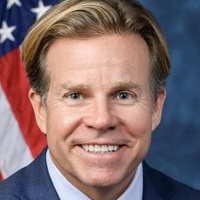
Mike Haridopolos
Representative
FL
Mike Haridopolos
Representative
FL
The LEDGER Act mandates the creation of a comprehensive, centralized system managed by the Secretary of the Treasury to track every expenditure made by all branches of the U.S. Government. This new system must detail exactly where federal funds are spent and how long those funds were available for obligation. The goal is to significantly enhance the traceability and transparency of government spending.
This resolution censures Representative LaMonica McIver and removes her from the Committee on Homeland Security following her alleged interference with federal officers at an immigration facility.
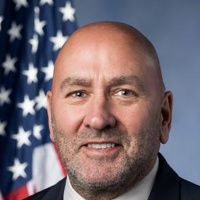
Clay Higgins
Representative
LA
Clay Higgins
Representative
LA
This resolution formally censures Representative LaMonica McIver following her indictment for allegedly interfering with federal officers at an immigration facility. As a result of her conduct, the House is officially expressing its strong disapproval and immediately removing her from the Committee on Homeland Security. This action is taken because her alleged actions are deemed not to reflect creditably upon the House.
This bill prohibits the District of Columbia from enacting or enforcing any law or policy that restricts cooperation with federal, state, or local entities regarding immigration enforcement and information sharing.
Clay Higgins
Representative
LA
Clay Higgins
Representative
LA
The District of Columbia Federal Immigration Compliance Act of 2025 prohibits the District of Columbia from enacting or maintaining any laws or policies that restrict cooperation with federal, state, or local entities on immigration enforcement matters. This legislation mandates that D.C. officials must share information regarding citizenship or immigration status and comply with lawful detainer requests from the Department of Homeland Security. Essentially, the Act prevents D.C. from operating as a sanctuary jurisdiction.
The Truth in Gender Act of 2025 mandates that all federal agencies define and use biological sex—male or female—in place of gender identity across policies, records, and intimate facility designations.
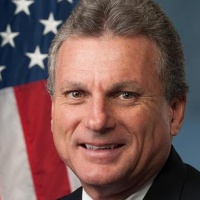
Earl Carter
Representative
GA
Earl Carter
Representative
GA
The Truth in Gender Act of 2025 mandates that all federal agencies define and use "sex" strictly according to biological classification (male or female) in laws, documents, and records. This legislation requires the removal of language promoting "gender ideology" from federal policies and prohibits asking for gender identity on official forms. Furthermore, it directs federal entities to ensure privacy and housing in intimate spaces, such as prisons and shelters, are based on biological sex. The Act also prioritizes the enforcement of rights related to sex-based distinctions and single-sex spaces.
This bill expands the scope of expedited removal procedures by streamlining the inspection process for applicants seeking admission to the United States.
Nancy Mace
Representative
SC
Nancy Mace
Representative
SC
The Expedited Removal Expansion Act of 2025 modifies immigration inspection procedures by streamlining references to inadmissibility grounds under Section 235(b)(1) of the Immigration and Nationality Act. This legislation removes specific exceptions related to misrepresentation and documentation requirements during initial entry screenings. The bill simplifies the language officers use when determining inadmissibility for applicants seeking admission to the U.S.
This bill prohibits males from participating in athletic programs or activities designated for women or girls at the U.S. military service academies.
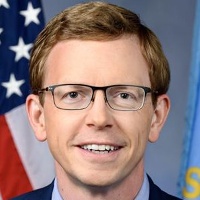
Dusty Johnson
Representative
SD
Dusty Johnson
Representative
SD
This bill prohibits males from participating in any athletic program or activity at the U.S. military service academies that is designated for women or girls. It mandates that sex in this context is defined by reproductive biology and genetics at birth. While males may practice with women's teams, they cannot displace female athletes from rosters, competition opportunities, or scholarships.
This bill mandates the deportation and permanent inadmissibility of non-citizens who commit acts of violence against law enforcement or public property during civil unrest, with enhanced enforcement during declared emergencies.

Dan Crenshaw
Representative
TX
Dan Crenshaw
Representative
TX
The Returning Illegals over Turmoil Act establishes new grounds for the deportation and permanent inadmissibility of non-citizens who incite or participate in violent acts against law enforcement or public property during civil unrest. This legislation mandates strict enforcement during declared emergencies and grants the Secretary of Homeland Security expedited removal authority under those conditions. Furthermore, individuals removed under these provisions are permanently barred from receiving any form of immigration relief or future DACA eligibility.
This act strips federal funding from any state or local jurisdiction deemed non-compliant with federal immigration enforcement cooperation requests.
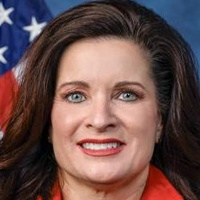
Sheri Biggs
Representative
SC
Sheri Biggs
Representative
SC
The Mobilizing Against Sanctuary Cities Act mandates that the Attorney General annually identify state and local jurisdictions that fail to cooperate with federal immigration enforcement requests, such as honoring detainers. Jurisdictions deemed non-compliant will immediately lose eligibility for all federal financial assistance for at least one year. Funding will only be restored after the Attorney General certifies that the area has corrected its non-compliance.
This bill repeals the Freedom of Access to Clinic Entrances (FACE) Act, effectively removing federal criminal penalties for obstructing access to reproductive health clinics.
Chip Roy
Representative
TX
Chip Roy
Representative
TX
The FACE Act Repeal Act of 2025 seeks to eliminate federal protections that currently prohibit the obstruction of reproductive health clinic entrances, the use of force or threats against patients and providers, and the intentional damage of clinic property. If enacted, this legislation would immediately repeal these federal criminal prohibitions and apply to all pending or future prosecutions.
This bill mandates the denial or revocation of U.S. passports for individuals charged with or convicted of providing material support to foreign terrorist organizations.
Sheri Biggs
Representative
SC
Sheri Biggs
Representative
SC
The No Passports for Terrorists and Traffickers Act mandates the denial or revocation of U.S. passports for individuals charged with or convicted of providing material support to designated foreign terrorist organizations. This measure grants the Secretary of State the authority to restrict travel for those deemed affiliated with terrorism. Exceptions exist for urgent humanitarian needs or safe return to the United States, and affected individuals retain the right to appeal the decision.