
Legislative Activity
Track Roger's sponsored bills, co-sponsored legislation, and voting record
The SAVE Moms and Babies Act of 2026 prohibits the FDA from approving new abortion drugs and imposes strict in-person dispensing and safety requirements on previously approved abortion drugs.
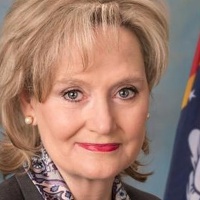
Cindy Hyde-Smith
Senator
MS
Cindy Hyde-Smith
Senator
MS
The SAVE Moms and Babies Act of 2026 aims to prohibit the FDA from approving any new abortion drugs and severely restrict the use of previously approved ones. This legislation mandates strict in-person administration, rigorous safety protocols, and enhanced reporting requirements for existing abortion-inducing medications. The bill seeks to ensure comprehensive medical oversight and patient safety measures surrounding the use of these drugs.
The Pregnant Students’ Rights Act requires colleges and universities to inform students of their rights, available accommodations, and support resources regarding pregnancy and parenting.
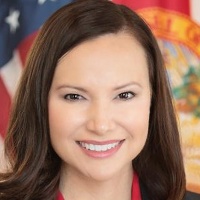
Ashley Moody
Senator
FL
Ashley Moody
Senator
FL
The Pregnant Students’ Rights Act requires colleges and universities to provide students with clear information regarding their rights, available accommodations, and support resources for carrying a pregnancy to term. Institutions must distribute this information through various channels, including student handbooks, orientations, and official websites, to ensure students are aware of their protections under Title IX.
This resolution honors the life, achievements, and legacy of former Senator Ben Nighthorse Campbell, recognizing his military service, athletic career, and significant legislative contributions.

Michael Bennet
Senator
CO
Michael Bennet
Senator
CO
This resolution honors the life, achievements, and legacy of former Senator Ben Nighthorse Campbell. It recognizes his distinguished service in the Air Force, his Olympic athletic career, and his historic tenure in the U.S. Congress. The resolution specifically highlights his landmark legislative accomplishments, including establishing the National Museum of the American Indian. The Senate expresses its sorrow and will recess as a mark of respect for his memory.
This act makes fraud a deportable offense, mandates detention for non-citizens convicted of fraud, and establishes automatic denaturalization for naturalized citizens convicted of certain crimes.

Marsha Blackburn
Senator
TN
Marsha Blackburn
Senator
TN
The Fraud Accountability Act makes fraud a deportable offense for non-citizens, regardless of the loss threshold. This legislation also mandates detention for non-citizens convicted of these fraud crimes. Furthermore, it establishes a process for the automatic revocation of citizenship for naturalized citizens convicted of certain serious crimes, including fraud.
This act lowers the earned income threshold for the refundable child tax credit from \$3,000 to just \$1, making it more accessible to working families.
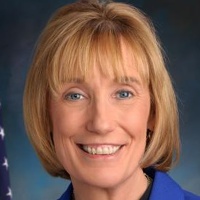
Margaret Hassan
Senator
NH
Margaret Hassan
Senator
NH
The Stronger Start for Working Families Act aims to significantly expand access to the refundable Child Tax Credit. This legislation lowers the required earned income threshold for eligibility from \$3,000 to just \$1. These changes are set to take effect for taxable years beginning after December 31, 2025.
This act expands federal assistance for post-wildfire emergencies to include environmental remediation, debris removal on public and private lands, and EPA support for hazardous waste cleanup.

Jeff Merkley
Senator
OR
Jeff Merkley
Senator
OR
This Act expands federal assistance available after wildfires to include environmental remediation efforts alongside traditional fire suppression. It authorizes debris removal from both public and private lands following eligible fires, even without a major disaster declaration. Furthermore, the bill allows the EPA to deploy resources to help states manage hazardous waste and substances during post-fire cleanup.
This bill mandates the FDA to update federal regulations by replacing references to "animal tests" with "nonclinical tests" within one year of enactment.
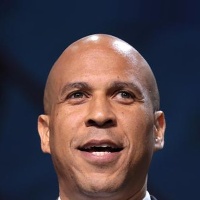
Cory Booker
Senator
NJ
Cory Booker
Senator
NJ
The FDA Modernization Act 3.0 mandates the FDA to update federal regulations by replacing references to "animal tests" with the broader term "nonclinical tests." This action ensures regulatory consistency following recent legislative changes regarding drug development methods. The required interim final rule will take effect immediately upon publication.
This resolution designates December 2, 2025, as World Nuclear Energy Day to recognize the historical, economic, and national security contributions of nuclear energy.

James Risch
Senator
ID
James Risch
Senator
ID
This resolution officially designates December 2, 2025, as "World Nuclear Energy Day." It recognizes the historical milestones and significant contributions of nuclear energy to the U.S. economy, national security, and carbon-free electricity generation. The resolution celebrates the innovators in the field and encourages continued global cooperation in advancing safe nuclear technology.
This bill establishes the PBM Price Transparency and Accountability Act to mandate transparent pricing, prohibit spread pricing in Medicaid, ensure fair pharmacy access and PBM accountability in Medicare Part D, and require extensive reporting across both programs.

Michael Crapo
Senator
ID
Michael Crapo
Senator
ID
The PBM Price Transparency and Accountability Act aims to increase fairness and oversight in prescription drug pricing across Medicaid and Medicare Part D. It mandates transparent payment models for Medicaid, prohibiting abusive spread pricing by Pharmacy Benefit Managers (PBMs). Additionally, the bill establishes new network access standards for Medicare pharmacies and imposes strict compensation and reporting requirements on PBMs to ensure accountability to Medicare plans.
This bill establishes new federal crimes and penalties for violence against law enforcement and public safety officials, limits habeas relief for their murderers, restricts damages in civil suits related to felonies, and expands firearm carrying rights for officers.
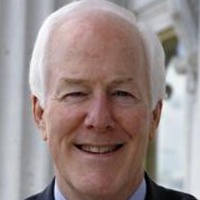
John Cornyn
Senator
TX
John Cornyn
Senator
TX
The Back the Blue Act of 2025 establishes new federal crimes and harsher penalties for killing or assaulting law enforcement officers and other public safety officials. The bill also creates specific aggravating factors for the federal death penalty in such cases and places new restrictions on federal habeas corpus relief for related state convictions. Finally, it expands federal protections allowing active and retired law enforcement officers to carry firearms in various federal locations.
This resolution condemns the Iranian government's systematic persecution of the Baha'i minority and its ongoing violations of international human rights covenants.
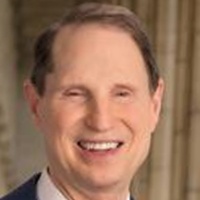
Ron Wyden
Senator
OR
Ron Wyden
Senator
OR
This resolution strongly condemns the Government of Iran for its ongoing, state-sponsored persecution of the Baha'i religious minority. It highlights decades of systematic human rights abuses, including imprisonment, job discrimination, and violence against Baha'is. The resolution urges the Iranian government to immediately release all religious prisoners and reverse discriminatory policies. Furthermore, it calls on the U.S. President and Secretary of State to condemn these actions and utilize existing authorities to impose sanctions on responsible Iranian officials.
The AI Workforce PREPARE Act establishes new government processes, research hubs, and data collection methods to understand, forecast, and prepare the U.S. workforce for the impacts of artificial intelligence.
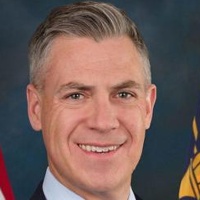
Jim Banks
Senator
IN
Jim Banks
Senator
IN
The AI Workforce PREPARE Act is comprehensive legislation designed to help the U.S. government understand, forecast, and respond to the impact of Artificial Intelligence on the American workforce. It establishes new data collection methods, creates specialized research hubs, and mandates public forecasting competitions to track AI adoption and job displacement. Ultimately, the bill aims to ensure that federal job training, unemployment, and workforce policies are informed by the best available data on AI's evolving role in the economy.
This bill increases the tax exclusion for profit made from selling a principal residence for both single and married taxpayers.
John Cornyn
Senator
TX
John Cornyn
Senator
TX
The More Homes on the Market Act aims to encourage homeowners to sell by significantly increasing the tax exclusion on profits from the sale of a principal residence. This bill raises the maximum exclusion from $250,000 to $500,000 for single filers and from $500,000 to $1,000,000 for married couples filing jointly. Furthermore, these new thresholds will be adjusted for inflation annually starting in 2026.
This bill revises Small Business Investment Company (SBIC) leverage limits and redefines private capital to encourage investment in targeted small businesses, including those in low-income areas and specific technology sectors.
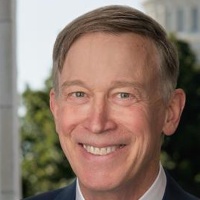
John Hickenlooper
Senator
CO
John Hickenlooper
Senator
CO
The Investing in All of America Act of 2025 amends the Small Business Investment Act to redefine "private capital" for Small Business Investment Companies (SBICs) by excluding direct government funding when calculating leverage. The bill also adjusts the maximum leverage amounts available to single and commonly controlled SBICs. Finally, it expands the ability for SBICs to exclude certain investments in targeted areas, such as low-income or rural businesses, from their leverage calculations.
This act mandates new FDA requirements for pediatric cancer drug investigations and extends the priority review voucher program to incentivize treatments for rare pediatric diseases.
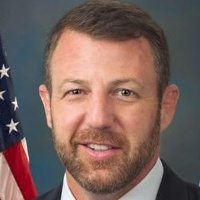
Markwayne Mullin
Senator
OK
Markwayne Mullin
Senator
OK
The Mikaela Naylon Give Kids a Chance Act of 2025 enhances the FDA's authority to require pediatric investigations for new molecularly targeted cancer drugs. It also extends the priority review voucher program designed to incentivize the development of treatments for rare pediatric diseases until September 2030. Furthermore, the bill mandates studies to assess the effectiveness of these new drug investigation requirements and the existing voucher program.
This bill prohibits U.S. citizens from holding foreign citizenship and requires existing dual citizens to renounce one nationality within one year or automatically lose their U.S. citizenship.
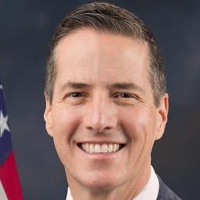
Bernie Moreno
Senator
OH
Bernie Moreno
Senator
OH
The Exclusive Citizenship Act of 2025 aims to ensure that U.S. citizenship is held exclusively by requiring current dual citizens to renounce their foreign citizenship within one year of enactment. Any U.S. citizen who voluntarily acquires foreign citizenship after the law takes effect will automatically lose their U.S. citizenship. Failure to comply with the renunciation requirement by the deadline results in the voluntary relinquishment of U.S. citizenship.
This bill extends and enhances the Work Opportunity Tax Credit for employers hiring from targeted groups, adds military spouses as an eligible category, and promotes hiring in key industries.
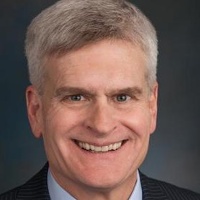
Bill Cassidy
Senator
LA
Bill Cassidy
Senator
LA
This bill, the Improve and Enhance the Work Opportunity Tax Credit Act, extends and significantly increases the Work Opportunity Tax Credit (WOTC) for employers hiring from targeted groups through 2030. It raises the base credit amount, adjusts key figures for inflation, and adds qualified military spouses as an eligible group. Furthermore, the legislation mandates federal agencies to promote the hiring of WOTC-eligible individuals within critical sectors like manufacturing and healthcare.
This resolution designates November 20, 2025, as National Rural Health Day to recognize the unique healthcare challenges faced by rural communities and to support policies improving rural health access and affordability.
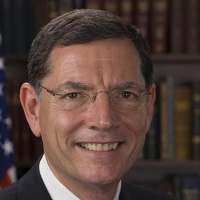
John Barrasso
Senator
WY
John Barrasso
Senator
WY
This resolution officially designates November 20, 2025, as "National Rural Health Day." It recognizes the unique healthcare challenges faced by rural communities, including provider shortages and hospital vulnerability. The Senate expresses support for rural health providers and commits to advancing policies that improve healthcare access and affordability in these areas.
This bill mandates the inclusion of specific non-opioid pain management drugs in the Department of Veterans Affairs' national formulary to reduce opioid reliance among veterans.

Shelley Capito
Senator
WV
Shelley Capito
Senator
WV
The NOPAIN for Veterans Act mandates that the Department of Veterans Affairs (VA) must include specific, FDA-approved non-opioid pain management drugs in its national formulary. This ensures veterans have access to alternatives that do not act on opioid receptors for pain relief. The bill sets clear deadlines for the inclusion of these non-opioid products.
The Halo Act establishes federal criminal penalties for knowingly approaching or harassing federal immigration enforcement officers after receiving a warning while they are performing their duties.
Ashley Moody
Senator
FL
Ashley Moody
Senator
FL
The Halo Act establishes new federal criminal penalties for individuals who obstruct immigration enforcement activities. Specifically, it prohibits knowingly approaching or remaining near a federal immigration enforcement officer after being warned, threatening the officer with physical harm, or harassing the officer while they are performing a lawful duty. Violators of this new offense could face fines or imprisonment for up to five years.