Legislative Activity
Track Jeff's sponsored bills, co-sponsored legislation, and voting record
This resolution recognizes the significant threat climate change poses to U.S. home values and the stability of the mortgage market.

Sheldon Whitehouse
Senator
RI
Sheldon Whitehouse
Senator
RI
This resolution recognizes that climate change poses a significant and measurable threat to the U.S. mortgage market and overall home values. It details the substantial financial losses already incurred and projected due to sea-level rise and increased natural disasters. The bill further declares that these climate-related risks could trigger broader economic instability, similar to past housing crises.
This resolution recognizes the increase in climate change-driven extreme weather events alongside the dismantling of vital weather monitoring and alert systems.
Sheldon Whitehouse
Senator
RI
Sheldon Whitehouse
Senator
RI
This resolution recognizes the increasing threat of climate change-driven extreme weather events while simultaneously noting significant staffing and budget cuts to critical weather monitoring systems like the National Weather Service. It formally acknowledges the link between climate change and severe weather, mourns recent losses of life, and stresses the urgent need to fully fund and staff essential weather safety infrastructure.
This resolution recognizes that climate change is intensifying wildfires and calls for fully funding federal wildfire prevention and response efforts.
Sheldon Whitehouse
Senator
RI
Sheldon Whitehouse
Senator
RI
This resolution formally recognizes that climate change is significantly increasing the frequency, intensity, and destructiveness of wildfires across the nation. It highlights the documented evidence linking rising global temperatures and drought to longer, more severe fire seasons. The resolution further acknowledges the immense economic costs and human toll of these events, such as the 2025 Los Angeles fires. Ultimately, it calls for fully funding and staffing federal efforts to prevent and respond to this growing wildfire risk.
This resolution recognizes the health dangers of ozone pollution and supports the EPA's 2024 methane standards to reduce smog.
Sheldon Whitehouse
Senator
RI
Sheldon Whitehouse
Senator
RI
This resolution recognizes the serious health risks associated with ozone pollution, including lung disease and cardiovascular problems. It expresses the Senate's support for the Environmental Protection Agency's (EPA) 2024 methane pollution standards. Furthermore, the resolution urges the EPA to continue taking action to reduce smog pollution.
This act reauthorizes and makes permanent the Wildlife Crossings Program, providing \$100 million annually through 2031 and increasing federal funding for small, rural, and disadvantaged communities.

Angela Alsobrooks
Senator
MD
Angela Alsobrooks
Senator
MD
This act reauthorizes and makes permanent the Wildlife Crossings Program, dedicating \$100 million annually from 2027 through 2031. It increases federal funding support, especially for small, rural, and disadvantaged communities, and provides technical assistance to Tribal entities. The bill aims to enhance wildlife connectivity by establishing this long-term federal program.
The GRACE Act mandates a minimum annual refugee admission ceiling of 125,000, establishes regional allocation requirements, and enforces rigorous quarterly reporting on refugee processing and admissions.
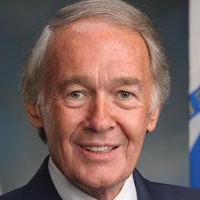
Edward Markey
Senator
MA
Edward Markey
Senator
MA
The Guaranteed Refugee Admission Ceiling Enhancement (GRACE) Act establishes a minimum annual refugee admission goal of 125,000 and mandates regional allocation plans based on global resettlement needs. The bill also introduces rigorous quarterly reporting requirements for the President regarding refugee processing, security vetting, and admission timelines. These measures aim to increase transparency and ensure accountability in meeting annual refugee resettlement targets.
This resolution acknowledges the accelerated rise in sea levels due to human-caused climate change and calls for the U.S. to achieve net-zero emissions by 2050.
Sheldon Whitehouse
Senator
RI
Sheldon Whitehouse
Senator
RI
This resolution formally acknowledges the accelerated rise in sea levels driven by human-caused climate change. It further declares that the United States must achieve net-zero greenhouse gas emissions by 2050 at the latest.
The Schedules That Work Act establishes rights for employees to request predictable work schedules and mandates advance notice, predictability pay, and rest periods for workers in covered sectors.

Elizabeth Warren
Senator
MA
Elizabeth Warren
Senator
MA
The Schedules That Work Act aims to provide employees, particularly those in retail, food service, and warehouse sectors, with greater stability and predictability in their work hours. It grants employees the right to request schedule changes for caregiving, education, or other needs, and requires employers to discuss these requests in good faith. Furthermore, the Act mandates advance notice of schedules, predictability pay for last-minute changes, and a minimum rest period between shifts.
This resolution recognizes that particulate matter pollution, largely from fossil fuels, causes serious health issues like heart attacks, asthma, strokes, and premature death.
Sheldon Whitehouse
Senator
RI
Sheldon Whitehouse
Senator
RI
This resolution formally recognizes that exposure to particulate matter pollution is a significant public health threat, causing serious conditions like heart attacks, asthma, and strokes. The bill highlights that fossil fuel combustion is a major source of this pollution, disproportionately affecting millions, including many children. Ultimately, the Senate affirms the need for the EPA to maintain and enforce strong national standards to protect public health from these airborne particles.
This resolution recognizes that unaddressed climate change poses a severe threat of financial market collapse to the national and global economies.
Sheldon Whitehouse
Senator
RI
Sheldon Whitehouse
Senator
RI
This resolution formally recognizes that unaddressed climate change poses a severe threat to national and global financial stability through increased extreme weather events and resulting insurance market collapse. It acknowledges expert warnings that these impacts could lead to massive economic losses and systemic financial risk. The Senate declares that an early, orderly transition to a low-carbon economy is necessary to avoid catastrophic financial shocks.
This resolution formally recognizes the direct link between climate change-fueled natural disasters and the sharp increase in U.S. homeowners' insurance premiums.
Sheldon Whitehouse
Senator
RI
Sheldon Whitehouse
Senator
RI
This resolution formally recognizes the direct link between climate change and the dramatic, ongoing increase in U.S. property insurance premiums. It highlights that soaring annual insured losses from natural disasters are driving up costs for homeowners nationwide. The resolution asserts that failing to address climate change will further exacerbate housing affordability issues.
This resolution formally recognizes that human-caused climate change is significantly warming the oceans, leading to severe ecological, economic, and public health risks.
Sheldon Whitehouse
Senator
RI
Sheldon Whitehouse
Senator
RI
This resolution formally recognizes that human-caused climate change is rapidly warming the world's oceans. It details the severe economic, ecological, and public health risks associated with this warming, including harm to marine life, increased storm intensity, and the spread of harmful bacteria. The Senate acknowledges the significant damage ocean warming is causing to global marine ecosystems and coastal communities.
This resolution affirms that the Federal Government should support school district investment in clean school buses to improve children's health and educational outcomes by reducing diesel pollution.
Sheldon Whitehouse
Senator
RI
Sheldon Whitehouse
Senator
RI
This resolution affirms that the Federal Government should actively support school districts in investing in clean school buses. It highlights the significant health risks posed by diesel exhaust to children and the positive impact clean alternatives, like electric buses, would have on air quality and educational outcomes. The bill encourages continued federal support for this transition, building on past bipartisan efforts.
This resolution affirms that climate change caused by fossil fuel emissions is real and supported by scientific evidence.
Sheldon Whitehouse
Senator
RI
Sheldon Whitehouse
Senator
RI
This resolution formally acknowledges that climate change, driven by fossil fuel emissions, is a scientifically proven reality. It asserts that the evidence supporting climate change is robust and has been established over decades of research.
This resolution recognizes that renewable energy facilities are the cheapest to operate and that reliance on fossil fuels drives up wholesale electricity prices.
Sheldon Whitehouse
Senator
RI
Sheldon Whitehouse
Senator
RI
This resolution recognizes that renewable energy facilities are the cheapest to operate, while reliance on fossil fuel plants drives up wholesale electricity prices. It formally acknowledges that using the lowest-cost power sources first is standard practice in electricity markets. The bill highlights that increasing demand met by higher-cost fossil fuels directly leads to higher consumer prices.
The Lowering American Energy Costs Act of 2025 mandates restrictions on U.S. natural gas exports to stabilize domestic energy prices and reduce costs for American households and industries.
Edward Markey
Senator
MA
Edward Markey
Senator
MA
The Lowering American Energy Costs Act of 2025 seeks to reduce domestic energy prices by restricting the export of U.S.-produced natural gas. The bill mandates that the President implement a rule prohibiting such exports, with limited exemptions allowed only for national security or critical ally needs, subject to Congressional approval. This legislation aims to protect households and the industrial sector from the price volatility and increased costs associated with high volumes of liquefied natural gas (LNG) exports.
This bill establishes a federal regulatory framework for cannabinoid products, funds public health initiatives to prevent underage use, and launches research and grant programs to address cannabis-impaired driving.

Ron Wyden
Senator
OR
Ron Wyden
Senator
OR
The Cannabinoid Safety and Regulation Act establishes a comprehensive federal framework for regulating cannabinoid products under the FDA, setting national standards for safety, manufacturing, and labeling. It also allocates significant funding for public health initiatives focused on preventing underage cannabis use and launches a major research and grant program to address cannabis-impaired driving. This bill aims to ensure consumer safety while supporting data collection and prevention efforts across the country.
This Act establishes employer liability for federal law enforcement agencies when their officers deprive individuals of their constitutional or legal rights.

Alejandro Padilla
Senator
CA
Alejandro Padilla
Senator
CA
This Act establishes the **Accountability for Federal Law Enforcement Act** to create direct employer liability for federal law enforcement agencies when their officers violate an individual's constitutional or legal rights. It allows civil actions against the United States for officer misconduct, regardless of whether an official policy caused the violation or if the officer has individual immunity. This measure waives sovereign immunity for claims against federal agencies under these circumstances.
This bill prohibits the implementation of the WISeR model and similar payment models under the Medicare program to protect seniors' care.
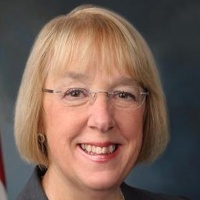
Patty Murray
Senator
WA
Patty Murray
Senator
WA
The Seniors Deserve SMARTER Care Act of 2025 aims to protect Medicare beneficiaries by prohibiting the implementation of the Wasteful and Inappropriate Services Reduction (WISeR) model. This legislation prevents the Department of Health and Human Services from introducing the WISeR model or any substantially similar payment and service delivery system under Medicare.
This act eliminates the waiting periods for Social Security disability insurance and Medicare coverage for individuals diagnosed with metastatic breast cancer.

Christopher Murphy
Senator
CT
Christopher Murphy
Senator
CT
The Metastatic Breast Cancer Access to Care Act aims to immediately improve financial and healthcare access for individuals diagnosed with metastatic breast cancer. This legislation eliminates the standard five-month waiting period for Social Security disability insurance benefits. Furthermore, it waives the 24-month waiting period required before these patients become eligible for Medicare coverage.