
Legislative Activity
Track Jeff's sponsored bills, co-sponsored legislation, and voting record
This resolution condemns the Iranian government's systematic persecution of the Baha'i minority and its ongoing violations of international human rights covenants.

Ron Wyden
Senator
OR
Ron Wyden
Senator
OR
This resolution strongly condemns the Government of Iran for its ongoing, state-sponsored persecution of the Baha'i religious minority. It highlights decades of systematic human rights abuses, including imprisonment, job discrimination, and violence against Baha'is. The resolution urges the Iranian government to immediately release all religious prisoners and reverse discriminatory policies. Furthermore, it calls on the U.S. President and Secretary of State to condemn these actions and utilize existing authorities to impose sanctions on responsible Iranian officials.
The Artificial Intelligence Civil Rights Act of 2025 establishes comprehensive federal standards to prevent algorithmic discrimination, mandate rigorous auditing and transparency for high-impact AI systems, and empower individuals and agencies to enforce these new civil rights protections.
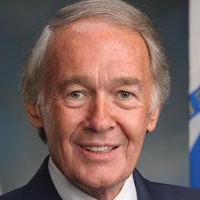
Edward Markey
Senator
MA
Edward Markey
Senator
MA
The Artificial Intelligence Civil Rights Act of 2025 establishes comprehensive rules to prevent discrimination by automated decision-making systems in critical areas like hiring, housing, and credit. It mandates that companies rigorously test, audit, and report on their algorithms for fairness and safety before and after deployment. The bill empowers the FTC, state attorneys general, and private citizens to enforce these standards, while also creating a dedicated federal workforce to oversee AI compliance. Ultimately, this legislation aims to increase accountability and ensure fairness when algorithms make consequential decisions about people's lives.
This act mandates the creation of electronic, searchable firearm record databases by the ATF for law enforcement tracing while restricting searches from using personally identifiable information.

Sheldon Whitehouse
Senator
RI
Sheldon Whitehouse
Senator
RI
The Crime Gun Tracing Modernization Act of 2025 mandates the creation of electronic, searchable firearm record databases by the ATF's National Tracing Center. These databases will consolidate existing firearm transaction records to aid law enforcement investigations. Crucially, the system must be searchable by firearm descriptors but explicitly prohibited from being searched using any personally identifiable information of individuals.
This Act prohibits discrimination based on religion, sex, or marital status in federally funded child welfare services while establishing measures to improve outcomes for LGBTQ youth in care.

Kirsten Gillibrand
Senator
NY
Kirsten Gillibrand
Senator
NY
The John Lewis Every Child Deserves a Family Act prohibits discrimination based on religion, sex, or marital status in federally funded child welfare services. This aims to increase the number of available, stable foster and adoptive homes, particularly for LGBTQ youth and youth of color who are overrepresented in the system. The bill mandates federal guidance, cultural competency training, and the establishment of a resource center to improve safety and permanency outcomes for all children in care. Entities found in violation may face the withholding of federal payments.
This Act establishes special enrollment periods for pregnant individuals, mandates maternity coverage for dependents, and secures continuous Medicaid/CHIP coverage for new mothers for one year postpartum.

Angela Alsobrooks
Senator
MD
Angela Alsobrooks
Senator
MD
The Healthy Maternity and Obstetric Medicine (Healthy MOM) Act aims to improve maternal and newborn health outcomes by ensuring comprehensive and affordable maternity coverage. It establishes special enrollment periods for pregnant individuals across various health plans, including employer-sponsored and exchange plans. Furthermore, the bill mandates that dependent coverage must include maternity care and makes 12 months of continuous postpartum coverage mandatory under Medicaid and CHIP.
This act restores previous agricultural laws by repealing sections of Public Law 11921 to enhance food security for American families and farmers.
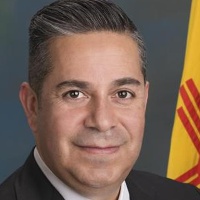
Ben Luján
Senator
NM
Ben Luján
Senator
NM
The Restoring Food Security for American Families and Farmers Act of 2025 aims to strengthen domestic food security by repealing specific sections of a previous law (Public Law 11921). This repeal effectively reinstates the original statutes that were previously altered by those sections.
This resolution supports the Transgender Day of Remembrance by recognizing the epidemic of violence against transgender people and memorializing those lost this year.

Mazie Hirono
Senator
HI
Mazie Hirono
Senator
HI
This resolution supports the goals of Transgender Day of Remembrance by formally recognizing the epidemic of violence targeting transgender people. It specifically honors the lives lost to violence over the past year, particularly transgender women of color. The resolution calls on Congress and the executive branch to enact inclusive legislation and policies to protect transgender lives and ensure their dignity.
This act establishes federal requirements mandating licensed dealers to conduct background checks for most private firearm transfers between unlicensed individuals.

Christopher Murphy
Senator
CT
Christopher Murphy
Senator
CT
The Background Check Expansion Act mandates that nearly all private firearm transfers between unlicensed individuals must go through a licensed dealer to complete a federal background check. This legislation establishes a universal background check requirement for these transactions, with specific exceptions for family gifts and law enforcement transfers. The bill aims to close loopholes in existing firearm transfer laws while explicitly prohibiting the creation of a national firearms registry.
This Act prohibits discrimination in health insurance coverage for gender-affirming care, establishes grants to improve medical education and provider training in this area, and expands capacity at community health centers.
Edward Markey
Senator
MA
Edward Markey
Senator
MA
The Transgender Health Care Access Act aims to ensure equitable access to gender-affirming care by prohibiting insurance discrimination and establishing federal nondiscrimination protections. The bill also invests significantly in improving the healthcare workforce by creating grant programs to enhance medical education and training in gender-affirming and culturally competent care. Finally, it supports community health centers in building their capacity to deliver these essential services, particularly in rural areas.
The EXPERTS Act of 2025 aims to increase transparency and accountability in federal rulemaking by mandating disclosures for submitted studies, streamlining agency review processes, establishing new judicial review standards, and creating an Office of the Public Advocate.

Elizabeth Warren
Senator
MA
Elizabeth Warren
Senator
MA
The EXPERTS Act of 2025 aims to reform the federal rulemaking process by increasing transparency and accountability across executive agencies. It mandates extensive disclosure requirements for studies and funding sources submitted during public comment periods and establishes new standards for judicial review of agency actions. Furthermore, the bill creates an Office of the Public Advocate to focus on social equity in regulations and streamlines the review timeline for significant regulatory actions by the Office of Information and Regulatory Affairs (OIRA).
This act expands and increases funding for federal grant programs to improve safety, health, and wellness training and research for the commercial fishing industry, specifically addressing issues like substance use disorder and worker fatigue.
Edward Markey
Senator
MA
Edward Markey
Senator
MA
This Act enhances safety and wellness in the commercial fishing industry by expanding federal grant programs for safety training and research. It specifically directs funding toward addressing behavioral and physical health risks, such as worker fatigue and substance use disorder, for vessel operators and crew. The legislation also updates the grant award process and increases authorized funding through fiscal year 2029.
This bill codifies the Six Assurances to Taiwan as official U.S. policy and establishes a mandatory congressional review process for any presidential action that would alter these assurances.
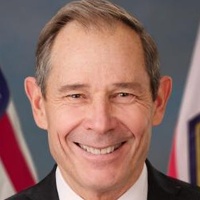
John Curtis
Senator
UT
John Curtis
Senator
UT
This bill formally codifies the "Six Assurances" made by the Reagan Administration regarding U.S. policy toward Taiwan, emphasizing commitments on arms sales and non-mediation. It declares that maintaining peace in the Taiwan Strait and determining Taiwan's future peacefully are vital U.S. interests. Furthermore, the Act establishes a mandatory congressional review process that the President must follow before taking specific actions that would alter these long-standing assurances.
This resolution designates November 20, 2025, as National Rural Health Day to recognize the unique healthcare challenges faced by rural communities and to support policies improving rural health access and affordability.
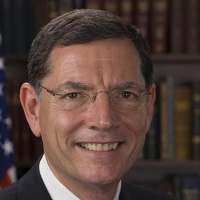
John Barrasso
Senator
WY
John Barrasso
Senator
WY
This resolution officially designates November 20, 2025, as "National Rural Health Day." It recognizes the unique healthcare challenges faced by rural communities, including provider shortages and hospital vulnerability. The Senate expresses support for rural health providers and commits to advancing policies that improve healthcare access and affordability in these areas.
This bill expands civil liability for constitutional and civil rights violations committed by law enforcement officers to include states, the federal government, and local governments under broader circumstances.
Sheldon Whitehouse
Senator
RI
Sheldon Whitehouse
Senator
RI
The Constitutional Accountability Act aims to strengthen the enforcement of constitutional and civil rights by reforming liability under 42 U.S.C. § 1983. This bill expands who can be sued, making government entities, including states and the federal government, directly liable for constitutional violations committed by their law enforcement officers. It explicitly waives sovereign immunity for these claims, ensuring victims have a clear path to remedy constitutional wrongs.
This bill amends the Revised Statutes to allow civil actions against individuals acting under the authority of the United States or any state.
Sheldon Whitehouse
Senator
RI
Sheldon Whitehouse
Senator
RI
The Bivens Act of 2025 amends existing federal law to clarify the scope of civil actions that can be brought against individuals acting under federal authority. This legislation specifically modifies Section 1979 of the Revised Statutes to ensure its application extends to actions taken by federal agents.
This act repeals a specific provision from a 2026 appropriations act to reinstate a 2005 law regarding the Legislative Branch.
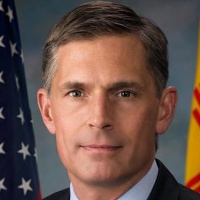
Martin Heinrich
Senator
NM
Martin Heinrich
Senator
NM
The Anti-Cash Grab Act repeals a specific provision (Section 213 of division C of the Continuing Appropriations Act, 2026). This repeal effectively restores a previous law, Section 10 of the Legislative Branch Appropriations Act, 2005. The legislation is designed to take effect retroactively as if the repealed section had never been enacted.
This resolution recognizes National Native American Heritage Month and celebrates the rich cultures, history, and enduring contributions of Native Americans to the United States.

Lisa Murkowski
Senator
AK
Lisa Murkowski
Senator
AK
This resolution officially recognizes November as National Native American Heritage Month. It celebrates the rich cultures, histories, and significant contributions of Native Americans to the United States across various fields. The resolution also reaffirms the government's commitment to tribal self-governance and the government-to-government relationship with Indian Tribes.
This Act amends the Federal Tort Claims Act to prohibit claims brought by the President or an individual who becomes President while the claim is pending.
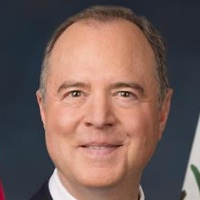
Adam Schiff
Senator
CA
Adam Schiff
Senator
CA
The "No Torts for Trump Act" amends the Federal Tort Claims Act to prohibit lawsuits against the federal government brought by the sitting President or any individual who subsequently becomes President. This new exception bars such claims from being heard in federal court, regardless of when the underlying incident occurred.
This resolution expresses the Senate's support for designating November 8, 2025, as "National First-Generation College Celebration Day" to recognize students whose parents did not complete a bachelor's degree.

Roger Marshall
Senator
KS
Roger Marshall
Senator
KS
This resolution expresses the Senate's support for designating November 8, 2025, as "National First-Generation College Celebration Day." The day honors first-generation college students, defined as those whose parents lack a bachelor's degree, recognizing the unique challenges they face. This date commemorates the anniversary of the landmark Higher Education Act of 1965, which aimed to increase access to postsecondary education. The resolution urges nationwide recognition of these students' vital contributions to the future workforce.
This resolution condemns the Chinese Communist Party's persecution of religious minorities and reaffirms the U.S. commitment to promoting global religious freedom.

Ted Cruz
Senator
TX
Ted Cruz
Senator
TX
This resolution condemns the Chinese Communist Party's severe persecution of religious minority groups, including Christians, Muslims, and Buddhists. It specifically denounces the detention of Pastor "Ezra" Jin Mingri and Zion Church leaders amid a broader campaign to "sinicize" religion. The measure reaffirms the United States' global commitment to promoting religious freedom and calls for the immediate release of all wrongfully detained religious practitioners in China.