
Legislative Activity
Track Doris's sponsored bills, co-sponsored legislation, and voting record
The EATS Act of 2025 expands eligibility for SNAP benefits by removing previous restrictions for students enrolled at least half-time in recognized educational programs.
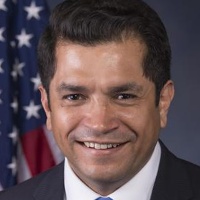
Jimmy Gomez
Representative
CA
Jimmy Gomez
Representative
CA
The EATS Act of 2025 significantly updates eligibility for the Supplemental Nutrition Assistance Program (SNAP) by removing previous restrictions that often disqualified students. This legislation explicitly includes bona fide students enrolled at least half-time in recognized educational programs as eligible participants for food assistance. These changes take effect on January 2, 2026.
The Ethics in Energy Act of 2025 prohibits covered utilities from passing the costs of political influence activities onto ratepayers and mandates detailed annual reporting of such expenses to FERC.
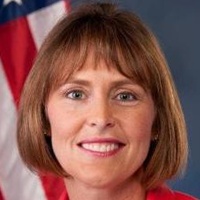
Kathy Castor
Representative
FL
Kathy Castor
Representative
FL
The Ethics in Energy Act of 2025 prohibits covered electric and natural gas utilities from passing the costs of political influencing activities onto their customers through rate requests. The Act mandates that FERC establish new accounting rules to segregate these "covered expenses" and requires utilities to submit detailed annual reports on all such political spending. Utilities found to have wrongly charged ratepayers for these expenses will face significant financial penalties, with collected funds split between customer rebates and enforcement.
This act repeals the prohibition on Medicaid payments to certain healthcare entities and mandates retroactive payment for services already rendered under the repealed ban.
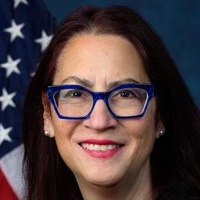
Laura Friedman
Representative
CA
Laura Friedman
Representative
CA
The Restoring Essential Healthcare Act repeals an outdated ban that prevented Medicaid from making payments to certain healthcare providers. This legislation ensures that these previously prohibited entities will now be reimbursed for medical services rendered between the enactment of the original ban and the passage of this Act. In short, it restores payment eligibility and retroactively covers past services.
This act authorizes $50 million annually from 2026 through 2031 for the CDC to conduct research on firearms safety and gun violence prevention.
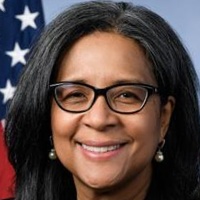
Marilyn Strickland
Representative
WA
Marilyn Strickland
Representative
WA
The Gun Violence Prevention Research Act of 2025 authorizes $50 million annually for the Centers for Disease Control and Prevention (CDC) to conduct or support research on firearms safety and gun violence prevention. This dedicated funding is authorized for each fiscal year from 2026 through 2031. This new allocation is separate from and in addition to any existing CDC research funding.
This Act expands Medicare coverage for hereditary cancer genetic testing, preventative surgeries, and evidence-based cancer screenings for at-risk individuals.
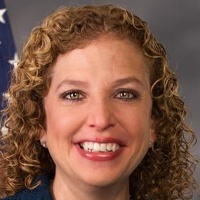
Debbie Wasserman Schultz
Representative
FL
Debbie Wasserman Schultz
Representative
FL
The Reducing Hereditary Cancer Act expands Medicare coverage for individuals with a family or personal history suggestive of hereditary cancer. This legislation mandates Medicare coverage for appropriate genetic testing and risk-reducing preventive surgeries. Furthermore, it allows for expanded, evidence-based cancer screenings for individuals already diagnosed with a hereditary cancer gene mutation.
This Act establishes a grant program to help rural residents afford point-of-use or point-of-entry water treatment systems to address immediate drinking water contamination issues.
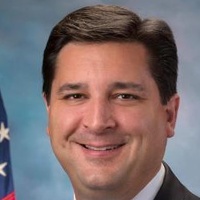
David Rouzer
Representative
NC
David Rouzer
Representative
NC
The Healthy Drinking Water Affordability Act establishes the Healthy H2O Program to provide grants for improving drinking water quality in rural areas. These grants help eligible households and small facilities address contamination from issues like lead or PFAS by covering the costs of certified water treatment systems, installation, and testing. The program prioritizes private well owners and requires annual reporting on contamination trends and program effectiveness.
This bill establishes a new system for distributing up to 2,000 additional Medicare-funded residency positions annually from 2026 through 2032, prioritizing hospitals serving underserved areas, and mandates a study on strategies to increase workforce diversity.
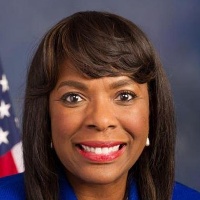
Terri Sewell
Representative
AL
Terri Sewell
Representative
AL
The Resident Physician Shortage Reduction Act of 2025 establishes a structured process for distributing up to 2,000 additional, federally funded residency positions annually between fiscal years 2026 and 2032. This distribution prioritizes hospitals serving in underserved areas, those already training above their limit, and those committed to primary care and general surgery training. The bill also mandates a study and report by the Comptroller General on effective strategies to increase diversity within the health professional workforce.
The Keep Kids Covered Act extends continuous Medicaid and CHIP coverage for children and former foster youth to ensure longer periods without re-enrollment.
Kathy Castor
Representative
FL
Kathy Castor
Representative
FL
The Keep Kids Covered Act aims to ensure children maintain continuous health coverage under Medicaid and CHIP for longer periods. This legislation extends continuous eligibility for children under age 19, significantly increasing the duration they remain covered without needing to re-enroll. Furthermore, it grants former foster youth continuous Medicaid eligibility until they turn 26.
This bill updates the eligibility requirements for creating records of lawful admission for long-term residents by changing the qualifying entry date to a minimum of seven years of U.S. residency prior to application.
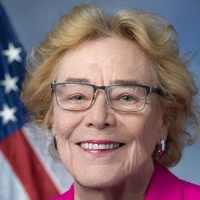
Zoe Lofgren
Representative
CA
Zoe Lofgren
Representative
CA
This bill, the Renewing Immigration Provisions of the Immigration Act of 1929, updates the eligibility requirements for creating records of lawful admission for long-term residents. It replaces a fixed entry date with a new standard requiring applicants to have resided in the U.S. for at least seven years prior to applying. These revised provisions will take effect 60 days after the Act is enacted.
This constitutional amendment prohibits immunity from criminal prosecution for federal officials based on their official duties and bars the President from self-pardoning.
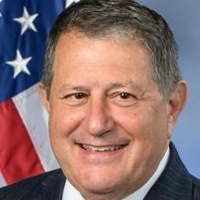
Joseph Morelle
Representative
NY
Joseph Morelle
Representative
NY
This proposed constitutional amendment would eliminate immunity from criminal prosecution for federal officials, including the President, based on their official duties. It also explicitly prohibits the President from issuing a self-pardon for any federal crimes. If ratified, these changes would take effect immediately.
The EACH Act of 2025 mandates that all federally funded health programs and facilities must cover and provide abortion services, while also prohibiting federal interference with private insurance coverage.
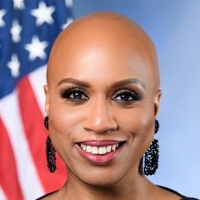
Ayanna Pressley
Representative
MA
Ayanna Pressley
Representative
MA
The EACH Act of 2025 aims to ensure equal access to abortion coverage by requiring all federally funded health programs and facilities to cover abortion services. This legislation prohibits federal interference with state or private insurance coverage of abortion and repeals Section 1303 of the Affordable Care Act. Ultimately, the bill seeks to eliminate financial and insurance barriers to abortion care, particularly for low-income individuals relying on programs like Medicaid.
Ally's Act mandates that certain private health insurance plans must cover auditory implant devices, related services, and upgrades for qualifying individuals without imposing stricter cost-sharing or treatment limitations than other medical benefits.
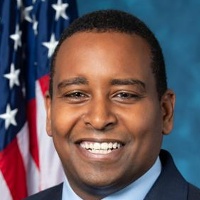
Joe Neguse
Representative
CO
Joe Neguse
Representative
CO
The Ally's Act mandates that certain private health insurance plans must cover auditory implant devices, related supplies, and necessary services for qualifying individuals. This coverage must be comparable to other medical and surgical benefits regarding cost-sharing and treatment limitations. Furthermore, plans cannot deny coverage if a physician or qualified audiologist determines the required hearing items or services are medically necessary. These new requirements take effect for plan years beginning on or after January 1, 2026.
This Act prohibits insurance companies from discriminating against living organ donors when issuing life, disability, or long-term care policies and mandates the updating of educational materials regarding donation risks and insurance implications.
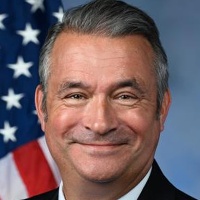
Don Bacon
Representative
NE
Don Bacon
Representative
NE
The Living Donor Protection Act of 2025 prohibits life, disability, and long-term care insurance companies from denying coverage or increasing premiums solely because an individual is a living organ donor. This legislation ensures that living donors are not financially penalized for their altruistic act. Additionally, the bill requires the Secretary of HHS to update educational materials to accurately reflect the insurance protections afforded to living donors.
This bill amends the Family and Medical Leave Act to explicitly qualify time taken for an employee's own organ donation surgery as a serious health condition.
Don Bacon
Representative
NE
Don Bacon
Representative
NE
This bill amends the Family and Medical Leave Act (FMLA) to explicitly clarify that time taken off for an employee's own organ donation surgery qualifies as a serious health condition. This ensures both private and federal sector workers receive FMLA protection for recovery from organ donation. The legislation also specifies how federal employees must substitute existing paid leave when taking FMLA time for this purpose.
This bill restricts the use of federal law enforcement and military personnel for domestic crowd control, mandates clear identification, limits operations to federal property unless requested by state and local officials, and requires public reporting of deployments.
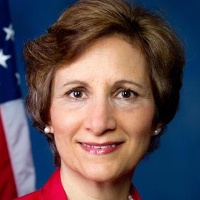
Suzanne Bonamici
Representative
OR
Suzanne Bonamici
Representative
OR
The Preventing Authoritarian Policing Tactics on America’s Streets Act establishes strict limitations on the deployment of federal law enforcement and military personnel for domestic crowd control. This bill mandates that all federal personnel involved in such situations must clearly display identifying information, such as their name and agency. Furthermore, it generally restricts their operations to federal property unless specific state and local requests are made or the Insurrection Act is invoked. Agencies must also publicly report details of any deployment within 24 hours.
This Act establishes a federal catastrophic property loss reinsurance program to backstop primary insurers offering all-perils policies, while also mandating studies on relocation funds and earthquake coverage feasibility.
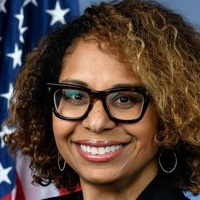
Sydney Kamlager-Dove
Representative
CA
Sydney Kamlager-Dove
Representative
CA
The Incorporating National Support for Unprecedented Risks and Emergencies Act (INSURE Act) establishes a federal catastrophic property loss reinsurance program managed by the Treasury Secretary to provide backup coverage for primary insurers. This program phases in coverage for perils like wind, wildfire, and flood, requiring participating insurers to offer "all-perils" policies and engage in loss prevention partnerships. The Act also mandates studies on creating a relocation fund for uninsurable properties and assessing the feasibility of including earthquake coverage in standard policies. Finally, it launches a pilot program for multi-year property insurance policies with restrictions on mid-term premium increases related to reassessed disaster risk.
This bill mandates comprehensive online and label disclosure of all cosmetic ingredients, especially fragrances and flavors, while preserving stronger state regulations.

Janice Schakowsky
Representative
IL
Janice Schakowsky
Representative
IL
The Cosmetic Hazardous Ingredient Right to Know Act of 2025 significantly updates cosmetic regulation by mandating comprehensive ingredient disclosure, especially for fragrances and flavors, on both product labels and brand owner websites. This law requires detailed, machine-readable online ingredient lists and specific hazard warnings on packaging if certain harmful chemicals are present. Importantly, this federal act preserves the authority of states to enact stricter ingredient bans or transparency requirements.
This Act mandates federal standards requiring employers to implement comprehensive heat illness and injury prevention programs to protect workers from dangerous heat stress.
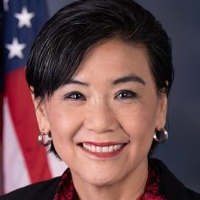
Judy Chu
Representative
CA
Judy Chu
Representative
CA
The Asunción Valdivia Heat Illness, Injury, and Fatality Prevention Act of 2025 mandates that employers protect workers from dangerous heat stress by establishing comprehensive safety standards. This Act requires the Secretary of Labor to create evidence-based rules covering engineering controls, administrative procedures, required training, and paid rest breaks to prevent heat-related illness. Furthermore, the law establishes strict enforcement mechanisms, whistleblower protections, and specific timelines for the implementation of these new federal heat protection standards.
The Toxic-Free Beauty Act of 2025 bans the intentional use of specific harmful chemicals and limits certain contaminants in cosmetic products sold in the U.S., effective January 1, 2027, while preserving states' rights to enact stricter regulations.
Janice Schakowsky
Representative
IL
Janice Schakowsky
Representative
IL
The Toxic-Free Beauty Act of 2025 establishes new federal standards for cosmetic safety by banning the intentional addition of specific harmful chemicals, such as formaldehyde and certain parabens, in products sold in the U.S. It also sets maximum allowable limits for certain contaminants like 1,4 dioxane and lead. Importantly, this federal legislation does not preempt stricter state laws regarding cosmetic ingredients. These new requirements will take effect for products shipped interstate starting January 1, 2027.
This Act mandates research into cosmetic health disparities affecting communities of color and salon workers, funds safer alternative development, establishes resource centers for beauty justice and worker safety, and requires translated safety data sheets for professional products, while also regulating synthetic braids.
Janice Schakowsky
Representative
IL
Janice Schakowsky
Representative
IL
The Cosmetic Safety for Communities of Color and Professional Salon Workers Act of 2025 aims to enhance cosmetic safety through targeted research into health disparities affecting communities of color and salon workers. The bill mandates improved access to safety data sheets in multiple languages for professional products and establishes two new National Resource Centers to empower these communities and workers. Finally, it brings synthetic hair braids under FDA cosmetic regulation, requiring new safety standards and labeling.