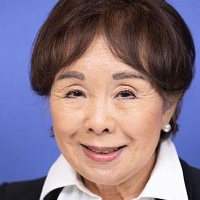
Legislative Activity
Track Doris's sponsored bills, co-sponsored legislation, and voting record
This resolution honors Senate President Pro Tempore Monique Limón for her historic service as the first Latina and first mother to hold the position.
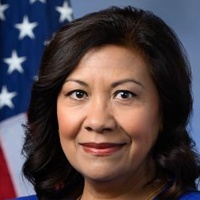
Norma Torres
Representative
CA
Norma Torres
Representative
CA
This resolution honors Senator Monique Limón for her historic service and achievements as the first Latina and first mother to serve as President pro Tempore of the California State Senate. It recognizes her background as a first-generation college graduate and dedicated educator. The bill commends her legislative leadership, particularly her work championing issues for working families. Finally, it celebrates her swearing-in ceremony for this landmark role.
The Public Health Air Quality Act of 2025 establishes comprehensive new monitoring, reporting, and data transparency requirements for industrial air toxics and ambient air quality across the nation.
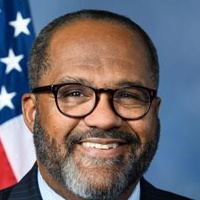
Troy Carter
Representative
LA
Troy Carter
Representative
LA
The Public Health Air Quality Act of 2025 aims to significantly enhance air quality monitoring and public data access across the United States. It establishes new federal requirements for industrial facilities to monitor and report hazardous air pollutant emissions, including real-time fenceline data. The Act also mandates the deployment of hundreds of new, advanced air quality monitors in vulnerable communities to better assess compliance with National Ambient Air Quality Standards. Ultimately, this legislation seeks to use improved, publicly accessible data to protect public health from industrial air pollution.
This Act establishes a competitive grant program through the EPA to help entities reduce food waste by 50 percent by 2035 compared to 2015 levels.
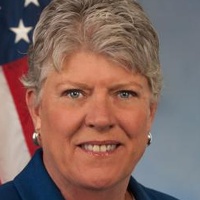
Julia Brownley
Representative
CA
Julia Brownley
Representative
CA
The Zero Food Waste Act establishes a competitive grant program through the EPA to achieve a 50% reduction in national food waste by 2035. These grants will support state, local, tribal governments, and nonprofits in studying, planning, collecting data on, and implementing projects to reduce food waste. The legislation prioritizes funding for projects that prevent waste and benefit communities disproportionately affected by environmental harms.
This act nullifies a recent Executive Order regarding federal labor relations and ensures existing collective bargaining agreements remain in effect.
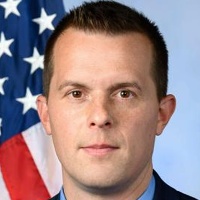
Jared Golden
Representative
ME
Jared Golden
Representative
ME
The Protect America's Workforce Act nullifies a specific Executive Order issued in March 2025 concerning exclusions from federal labor-management relations programs. This legislation ensures that any existing collective bargaining agreements between federal agencies and employee unions remain fully in effect until their stated expiration dates. The Act also prohibits the use of federal funds to implement the overturned Executive Order.
This resolution commends state and local governments for championing reproductive rights as human rights while condemning abortion restrictions and criminalization following the *Dobbs* decision.
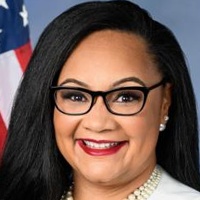
Nikema Williams
Representative
GA
Nikema Williams
Representative
GA
This concurrent resolution commends state and local governments for championing reproductive rights as human rights following the overturning of *Roe v. Wade*. It declares that denying abortion care leads to severe health risks and highlights the criminalization of pregnancy outcomes across the U.S. The resolution urges states to repeal abortion restrictions and affirm that reproductive rights are fundamental human rights.
The Reuniting Families Act overhauls the immigration system to drastically reduce visa backlogs, recognize permanent partnerships, expand diversity visas, and expedite the reunification of refugee families.
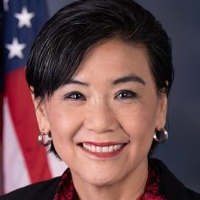
Judy Chu
Representative
CA
Judy Chu
Representative
CA
The Reuniting Families Act is comprehensive legislation designed to significantly reform U.S. immigration by reducing massive visa backlogs and prioritizing family reunification across various categories. It achieves this by recapturing unused visas, reclassifying certain family members as "immediate relatives," and creating new pathways for permanent partners and refugees to join their loved ones. Ultimately, the bill aims to keep families together, speed up legal immigration processes, and address past discrimination in the visa system.
This bill significantly increases civil penalties across various federal labor laws, strengthens enforcement for health plan compliance, establishes penalties for employer unfair labor practices, and treats certain recordkeeping failures as continuing violations.
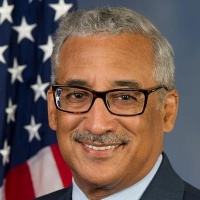
Robert Scott
Representative
VA
Robert Scott
Representative
VA
The Labor Enforcement to Securely Protect Workers (LETS Protect Workers) Act significantly increases civil penalties for violations across major federal labor laws, including child labor, wage and hour, and workplace safety standards. It strengthens enforcement mechanisms for mine safety violations and retaliation against miners, while also establishing new penalties for employer unfair labor practices under the National Labor Relations Act. Furthermore, the bill enhances enforcement for health plan parity and makes certain recordkeeping failures under OSHA and FLSA continuing violations.
This bill officially designates the U.S. Postal Service facility at 130 South Patterson Avenue in Santa Barbara, California, as the Brigadier General Frederick R. Lopez Post Office Building.
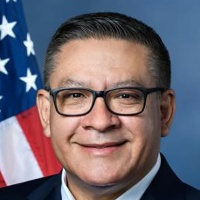
Salud Carbajal
Representative
CA
Salud Carbajal
Representative
CA
This bill officially designates the United States Postal Service facility located at 130 South Patterson Avenue in Santa Barbara, California, as the **Brigadier General Frederick R. Lopez Post Office Building**. This change ensures all federal records and documents will use the new name for this specific post office.
The HELP Copays Act mandates that financial assistance from non-profits and drug manufacturers must count toward a patient's deductible, copay, and out-of-pocket maximum for prescription drugs.
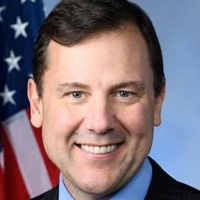
Thomas Kean
Representative
NJ
Thomas Kean
Representative
NJ
The HELP Copays Act requires that financial assistance provided by non-profit organizations and drug manufacturers must count toward a patient's deductible, copayments, and out-of-pocket maximums for prescription drugs. This change ensures that patient assistance dollars directly reduce the amount a patient must pay before their coverage fully kicks in. The legislation specifically applies to specialty drugs and those subject to utilization management. These provisions will take effect for plan years beginning on or after January 1, 2026.
The Dignity for Detained Immigrants Act establishes comprehensive standards, rigorous oversight, and new custody procedures to ensure humane treatment and due process for all noncitizens detained by the Department of Homeland Security, while phasing out for-profit detention facilities.

Pramila Jayapal
Representative
WA
Pramila Jayapal
Representative
WA
The Dignity for Detained Immigrants Act aims to overhaul immigration detention by establishing mandatory, high standards based on ABA guidelines and increasing transparency through rigorous, unannounced inspections. The bill prohibits the use of private, for-profit detention facilities within three years and ends the mandatory detention of most noncitizens, prioritizing release or community-based alternatives. Furthermore, it establishes new due process rights, including timely custody hearings, a presumption of release, and prohibitions on detaining children or using solitary confinement.
This act rescinds significant immigration enforcement funding while establishing multiple new tax credits aimed at increasing housing affordability for first-time buyers, builders of starter homes, and renters, alongside incentives for converting commercial buildings into affordable housing.
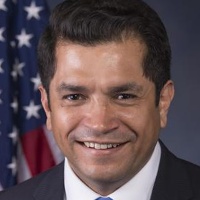
Jimmy Gomez
Representative
CA
Jimmy Gomez
Representative
CA
The Make Housing Affordable and Defend Democracy Act aims to increase housing accessibility through several tax incentives while simultaneously rescinding significant funding previously allocated for immigration enforcement. Key provisions establish new tax credits for first-time homebuyers, builders of starter homes, and the conversion of commercial buildings into affordable rentals. Additionally, the bill introduces a Renter Tax Credit for those spending over 30% of their income on rent, with an option for monthly advance payments.
The Mikaela Naylon Give Kids a Chance Act primarily focuses on enhancing pediatric drug research, ensuring completion of pediatric study requirements, extending incentives for rare pediatric disease treatments, and making targeted updates to FDA and organ transplant network operations.
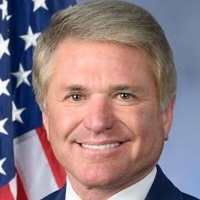
Michael McCaul
Representative
TX
Michael McCaul
Representative
TX
The Mikaela Naylon Give Kids a Chance Act focuses primarily on improving pediatric drug development and ensuring patient access to necessary treatments. This legislation mandates new research requirements for molecularly targeted pediatric cancer drugs, strengthens FDA enforcement of pediatric study completion, and extends incentives for developing drugs for rare pediatric diseases. Additionally, the bill updates organ transplant network functions and establishes an Abraham Accords Office within the FDA to enhance international regulatory cooperation.
The CARE for Moms Act aims to combat the maternal health crisis by expanding postpartum Medicaid coverage, funding quality improvement collaboratives, supporting the doula workforce, and establishing mobile health units for rural areas, while also increasing tobacco taxes.
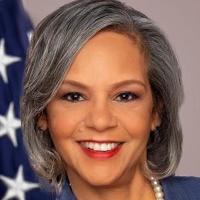
Robin Kelly
Representative
IL
Robin Kelly
Representative
IL
The CARE for Moms Act aims to combat the rising maternal mortality crisis in the U.S. through significant federal investments and policy changes. The bill establishes grant programs to support state quality collaboratives and expand the doula workforce. Crucially, it mandates 12 months of postpartum coverage under Medicaid and CHIP, alongside requiring oral health services for pregnant and new mothers. Finally, the Act increases federal excise taxes on tobacco products to fund these maternal health initiatives.
This Act prohibits discrimination based on religion, sex, or marital status in federally funded child welfare services to improve outcomes for all children, especially LGBTQ youth.
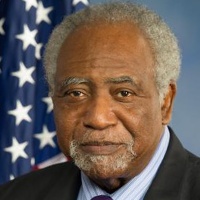
Danny Davis
Representative
IL
Danny Davis
Representative
IL
The John Lewis Every Child Deserves a Family Act prohibits discrimination based on religion, sex, or marital status in federally funded child welfare services. This aims to increase the number of stable, family-like placements for children, especially for LGBTQ youth who are overrepresented in foster care. The bill mandates federal guidance, training, and data collection to improve safety and well-being outcomes for all children involved in the system.
This bill expands Medicare drug price negotiation to private insurance, applies inflation rebates to commercial drugs, and establishes annual out-of-pocket limits for prescription drugs under private health insurance.
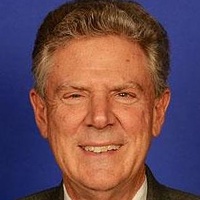
Frank Pallone
Representative
NJ
Frank Pallone
Representative
NJ
The Lowering Drug Costs for American Families Act aims to significantly reduce prescription drug expenses for consumers. It expands the federal drug price negotiation program to cover more drugs and extends negotiated prices to most private health insurance plans. Furthermore, the bill applies inflation rebates to the commercial market and establishes new annual out-of-pocket spending caps for prescription drugs under private insurance starting in 2027. It also sets specific, lower cost-sharing requirements for covered insulin products.
The Find It Early Act mandates no-cost coverage for additional, recommended breast cancer screenings for high-risk individuals across private insurance, Medicare, Medicaid, TRICARE, and VA health programs starting in 2026.

Rosa DeLauro
Representative
CT
Rosa DeLauro
Representative
CT
The Find It Early Act mandates that certain individuals at increased risk for breast cancer receive additional, recommended screenings with no out-of-pocket costs. This coverage requirement applies across private health plans, Medicare, Medicaid, TRICARE, and the Department of Veterans Affairs. These provisions are set to take effect starting January 1, 2026.
This bill officially renames the United States Postal Service facility at 28201 Franklin Parkway in Santa Clarita, California, as the "Deputy Ryan Clinkunbroomer Post Office Building."
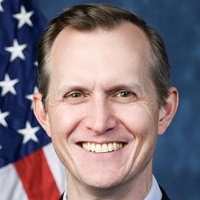
George Whitesides
Representative
CA
George Whitesides
Representative
CA
This bill officially designates the United States Postal Service facility at 28201 Franklin Parkway in Santa Clarita, California, as the "Deputy Ryan Clinkunbroomer Post Office Building." The legislation ensures that all future official references to this location will use the new name.
This bill establishes sanctions against foreign individuals responsible for human rights violations against LGBTQI people and mandates enhanced tracking and reporting of such abuses in annual human rights reports.
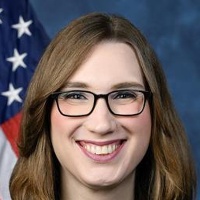
Sarah McBride
Representative
DE
Sarah McBride
Representative
DE
The Global Respect Act aims to promote and protect the human rights of LGBTQI individuals worldwide. It mandates the President to identify and report foreign persons responsible for human rights violations against LGBTQI people, leading to their inadmissibility to the United States. Furthermore, the Act requires enhanced tracking and reporting of violence and discrimination targeting individuals based on sexual orientation, gender identity, or sex characteristics in the annual human rights reports.
This act repeals specific sections of a prior reconciliation act to restore previous laws affecting American families and farmers.
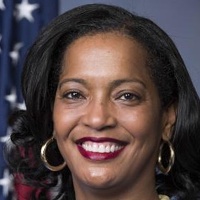
Jahana Hayes
Representative
CT
Jahana Hayes
Representative
CT
The Restoring Food Security for American Families and Farmers Act of 2025 aims to strengthen domestic food security by repealing specific sections of a prior reconciliation act. This action effectively revives the original laws that were previously amended by the repealed provisions. The bill seeks to revert existing agricultural and food-related statutes to their pre-amendment status.
This bill establishes a permanent Special Envoy for the Human Rights of LGBTQI+ Peoples within the Department of State to advance U.S. policy countering global criminalization, violence, and discrimination against LGBTQI+ individuals.
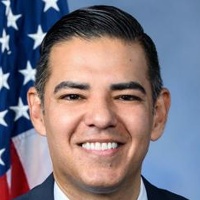
Robert Garcia
Representative
CA
Robert Garcia
Representative
CA
This bill, the International Human Rights Defense Act of 2025, establishes a permanent Special Envoy for the Human Rights of LGBTQI+ Peoples within the Department of State. It codifies U.S. policy to actively combat international criminalization, violence, and discrimination against LGBTQI+ individuals worldwide. The legislation also mandates enhanced reporting on these abuses in annual human rights reports and authorizes assistance to support related protection efforts abroad.