
Legislative Activity
Track Doris's sponsored bills, co-sponsored legislation, and voting record
The Air America Act of 2025 authorizes one-time monetary awards to former Air America employees or their survivors for service supporting the CIA between 1950 and 1976.
Glenn Grothman
Representative
WI
Glenn Grothman
Representative
WI
The Air America Act of 2025 recognizes the sacrifices of former Air America employees who served the U.S. Government between 1950 and 1976. This Act authorizes a one-time monetary award, up to $40,000 plus potential additional amounts, for qualifying service members or their survivors. The CIA Director is responsible for administering these payments, which are capped at a total of $60 million, and establishing the application procedures. Decisions made by the Director regarding these awards are final and not subject to judicial review.
This bill extends the Medicare ground ambulance payment pilot program through 2028 to ensure continued patient access to these essential medical services.
Claudia Tenney
Representative
NY
Claudia Tenney
Representative
NY
The Protecting Access to Ground Ambulance Medical Services Act of 2025 extends the current Medicare payment structure for ground ambulance services. This change ensures continuity in how these vital services are reimbursed under existing rules. Specifically, the temporary payment pilot program is extended through 2028, preventing an immediate change in payment policy.
This Act updates Medicare coverage and payment rules for home infusion therapy starting in 2026 to ensure continued patient access, clarify covered services, and adjust supplier reimbursement.
Vern Buchanan
Representative
FL
Vern Buchanan
Representative
FL
The Preserving Patient Access to Home Infusion Act updates Medicare coverage and payment rules for home infusion therapy starting in 2026 to ensure continued patient access. The bill explicitly adds pharmacy services to covered home infusion care and clarifies payment calculations for suppliers, including transitional rules based on infusion hours. Furthermore, it expands who can establish and review patient care plans to include nurse practitioners and physician assistants. Finally, the Act modifies definitions and payment rules for certain non-pump infusion drugs and stops separate Medicare payment for specific disposable supplies when infusion therapy is already being reimbursed.
The Major Richard Star Act ensures that military retirees with combat-related disabilities can concurrently receive their full military retirement pay and VA disability compensation without reduction.

Gus Bilirakis
Representative
FL
Gus Bilirakis
Representative
FL
The Major Richard Star Act ensures that military retirees with combat-related disabilities can receive both their military retirement pay and VA disability compensation concurrently without reduction. This law removes previous restrictions that caused military retirement pay to be offset by VA disability payments for these specific cases. The changes take effect on the first day of the month following the Act's enactment.
This Act mandates federal research to identify chemical compounds causing smoke taint in wine grapes and develop testing and mitigation strategies for growers.
Mike Thompson
Representative
CA
Mike Thompson
Representative
CA
The Smoke Exposure Research Act of 2025 mandates new federal research to understand and mitigate the impact of wildfire smoke on wine grapes and resulting wine. This research will focus on identifying harmful chemical compounds, developing reliable testing methods, and creating practical solutions for growers. The Secretary of Agriculture will coordinate this effort with universities in key wine-producing states using dedicated funding through 2030.
This Act eliminates the waiting periods for Social Security disability benefits and Medicare coverage for individuals diagnosed with metastatic breast cancer.
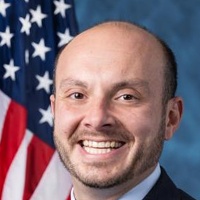
Andrew Garbarino
Representative
NY
Andrew Garbarino
Representative
NY
The Metastatic Breast Cancer Access to Care Act aims to improve support for individuals diagnosed with metastatic breast cancer. This bill eliminates the standard waiting period for receiving Social Security disability insurance benefits and waives the 24-month waiting period for Medicare coverage. These changes ensure immediate access to crucial financial and healthcare support upon diagnosis.
This Act converts Transportation Security Administration (TSA) personnel to standard federal employment rules under Title 5, establishes transition protections, mandates workforce reviews, and addresses labor relations and employee safety.
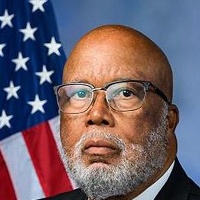
Bennie Thompson
Representative
MS
Bennie Thompson
Representative
MS
The Rights for the Transportation Security Administration Workforce Act transitions TSA personnel to standard federal employment rules under Title 5 of the U.S. Code by a set date no later than December 31, 2025. This mandates the freezing of current personnel policies during the transition while protecting current employee pay and benefits. The bill also requires extensive reviews by the Comptroller General on hiring, diversity, and workplace safety, and mandates consultation with employee representatives regarding labor relations. Finally, it ensures that screening agents retain collective bargaining rights and addresses specific concerns for Federal Air Marshals.
This bill establishes a temporary, capped tax credit for businesses investing in translational research for neurodegenerative diseases and psychiatric conditions, prioritizing scientifically meritorious projects and public-private partnerships.
Mike Thompson
Representative
CA
Mike Thompson
Representative
CA
The Mental Health Research Accelerator Act of 2025 establishes a new 25% tax credit for businesses investing in translational research for neurodegenerative diseases and psychiatric conditions. This credit is subject to annual spending caps and allocation rules prioritizing scientific merit and public-private partnerships. The goal is to accelerate the development of new treatments and devices for central nervous system disorders.
Designates April 5, 2025, as "Barth Syndrome Awareness Day" to raise awareness, encourage research, and support those affected by this rare genetic disorder.
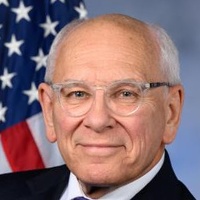
Paul Tonko
Representative
NY
Paul Tonko
Representative
NY
This bill supports the designation of April 5, 2025, as "Barth Syndrome Awareness Day" to raise awareness, encourage early diagnosis, and promote research for this rare and life-threatening genetic disorder. It recognizes the challenges in diagnosis and treatment, while also acknowledging the role of the Orphan Drug Act and the importance of patient perspectives. The bill aims to advance research, develop new treatments, and improve regulatory pathways for ultra-rare diseases like Barth syndrome.
The Farewell to Foam Act of 2025 bans the sale and distribution of expanded polystyrene food service ware, loose fill packaging, and coolers starting January 1, 2028, with escalating fines for non-compliance.

Lloyd Doggett
Representative
TX
Lloyd Doggett
Representative
TX
The Farewell to Foam Act of 2025 bans the sale and distribution of expanded polystyrene (Styrofoam) food service ware, loose fill packaging, and coolers starting January 1, 2028. The bill clearly defines these targeted foam products and the roles of manufacturers, distributors, and retailers involved in their supply chain. Enforcement begins with a written warning for first-time violations, followed by escalating fines for repeat offenses. The Administrator of the EPA is granted the authority to issue necessary regulations to implement the Act.
The "Do No Harm Act" clarifies that the Religious Freedom Restoration Act cannot be used to bypass federal laws protecting against discrimination, ensuring equal opportunity, or safeguarding access to healthcare and other essential services.
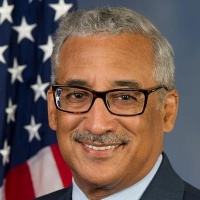
Robert Scott
Representative
VA
Robert Scott
Representative
VA
The "Do No Harm Act" amends the Religious Freedom Restoration Act of 1993 to ensure religious freedom is not used to justify discrimination or harm. It clarifies that the Act does not override federal laws protecting against discrimination, ensuring equal opportunity, or safeguarding access to healthcare and other essential services. This amendment confirms that the Religious Freedom Restoration Act applies only when the government is a party in a judicial proceeding.
The "Keeping Our Field Offices Open Act" prevents the Social Security Administration from closing or limiting access to field offices, hearing offices, and resident stations, ensuring continued service availability for the public.
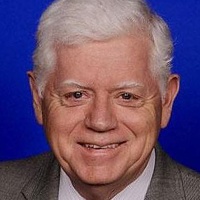
John Larson
Representative
CT
John Larson
Representative
CT
The "Keeping Our Field Offices Open Act" prevents the Social Security Administration (SSA) from closing or consolidating field offices, hearing offices, and resident stations, ensuring continued access to services. It requires the SSA Commissioner to justify any planned closures to Congress with detailed analysis and cost-benefit assessments, considering the impact on vulnerable populations. The bill mandates public notice, hearings, and a final report to Congress before any changes, allowing appeals and maintaining the number of offices at or above the January 20, 2025 level, excluding temporary emergency closures.
The John R. Lewis Voting Rights Advancement Act of 2025 aims to strengthen and update the Voting Rights Act of 1965 by addressing vote dilution and denial, establishing updated criteria for federal oversight of states and political subdivisions with a history of voting rights violations, and promoting transparency in election-related changes.
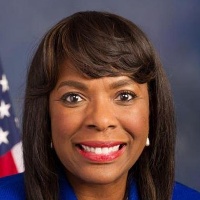
Terri Sewell
Representative
AL
Terri Sewell
Representative
AL
The John R. Lewis Voting Rights Advancement Act of 2025 amends the Voting Rights Act of 1965 to address vote dilution, denial, and abridgment claims, and to update which states and political subdivisions are subject to federal oversight based on a history of voting rights violations. It broadens the types of violations that allow a court to retain jurisdiction over a case, clarifies the Attorney General's authority to assign observers, and ensures transparency in voting-related changes. The Act also authorizes the Attorney General to demand documents and information to enforce voting rights and provides grants to small jurisdictions to assist with notification requirements.
The Richard L. Trumka Protecting the Right to Organize Act of 2025 strengthens protections for workers' rights to organize and collectively bargain by modernizing labor laws, addressing unfair labor practices, and enhancing enforcement mechanisms.
Robert Scott
Representative
VA
Robert Scott
Representative
VA
This bill, the Richard L. Trumka Protecting the Right to Organize Act of 2025, seeks to amend the National Labor Relations Act and other labor laws to strengthen protections for workers' rights to organize and collectively bargain. It aims to modernize labor regulations by clarifying definitions, addressing unfair labor practices, enhancing enforcement, and increasing transparency in labor-management relations. The bill introduces measures such as electronic voting in union elections, strengthens whistleblower protections, and mandates studies on collective bargaining practices. Ultimately, the goal is to ensure fair treatment of workers and promote equitable labor practices.
This bill restricts political appointees and special government employees from accessing Social Security data, establishes civil damages for unauthorized access, mandates Inspector General investigations, and requires a GAO study on the changes.
John Larson
Representative
CT
John Larson
Representative
CT
The Protecting Americans’ Social Security Data Act restricts political appointees and special government employees from accessing sensitive Social Security beneficiary data systems. It establishes a right for individuals to sue the government or responsible parties for unauthorized access or disclosure of their private Social Security information, including specified minimum damages. Furthermore, the bill mandates the Inspector General to investigate such violations and report findings to Congress within 30 days. Finally, it requires the GAO to conduct a comprehensive study on the impact of these new privacy and enforcement measures.
This bill repeals four executive orders related to energy and environmental policies issued on January 20, 2025, and prohibits the use of federal funds to implement them, while affirming that the bill does not reduce any existing presidential powers.
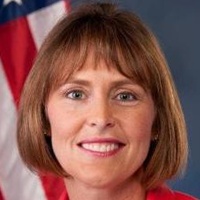
Kathy Castor
Representative
FL
Kathy Castor
Representative
FL
This bill repeals four executive orders related to energy and environmental policies issued on January 20, 2025. It stops the use of federal funds to implement these orders, but does not reduce any existing presidential powers.
The "Safe Schools Improvement Act" amends the Elementary and Secondary Education Act of 1965, requiring states to establish policies that prevent and prohibit bullying and harassment in schools based on protected characteristics, ensuring a safe and inclusive learning environment for all students.
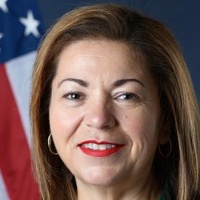
Linda Sánchez
Representative
CA
Linda Sánchez
Representative
CA
The Safe Schools Improvement Act aims to reduce bullying and harassment in schools by requiring states to establish policies prohibiting such conduct based on various characteristics, including race, sex, religion, and disability. It mandates annual notifications, data collection on incidents, biennial evaluations of programs, and regular reports to Congress to ensure accountability and effectiveness. This act does not infringe on existing nondiscrimination laws or freedom of speech but seeks to create a safer, more inclusive learning environment for all students.
This resolution recognizes the serious health impacts of polycystic ovary syndrome (PCOS) and designates September as "PCOS Awareness Month" to promote education, research, and improved care.
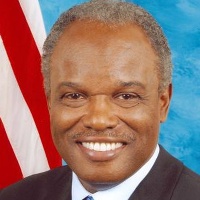
David Scott
Representative
GA
David Scott
Representative
GA
This resolution recognizes polycystic ovary syndrome (PCOS) as a serious health condition that significantly impacts the reproductive, metabolic, and mental well-being of millions of women. It expresses support for designating September as "PCOS Awareness Month" to improve public education, encourage earlier diagnosis, and promote further research into treatments and a potential cure.
The PAST Act of 2025 significantly strengthens the Horse Protection Act by increasing penalties, banning specific action devices, and mandating licensed inspectors to combat the practice of horse soring.
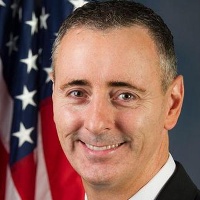
Brian Fitzpatrick
Representative
PA
Brian Fitzpatrick
Representative
PA
The PAST Act of 2025 significantly strengthens the Horse Protection Act to combat the painful practice of soring in specific horse breeds. This bill increases penalties for violations, establishes stricter licensing and oversight for inspectors, and explicitly bans the use of "action devices" designed to cause unnatural gaits. The legislation aims to enhance enforcement, ensure fairer competition, and hold violators accountable through increased fines and disqualifications.
This act reinstates criminal penalties for individuals who charge unauthorized fees to veterans for assisting with claims for VA benefits.
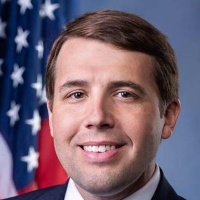
Chris Pappas
Representative
NH
Chris Pappas
Representative
NH
The GUARD VA Benefits Act establishes criminal penalties for individuals who charge veterans unauthorized fees for assisting with claims for benefits administered by the Department of Veterans Affairs. This legislation amends existing law to prohibit soliciting, contracting for, or receiving compensation for preparing or prosecuting VA benefit claims, except where explicitly authorized by other statutes.