Legislative Activity
Track Jim's sponsored bills, co-sponsored legislation, and voting record
The Keep Seniors Fed Act amends the Food and Nutrition Act of 2008 to include Title II Social Security payments when calculating eligibility for food assistance benefits.
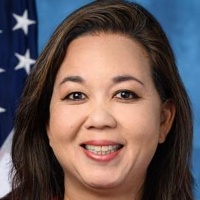
Jill Tokuda
Representative
HI
Jill Tokuda
Representative
HI
The Keep Seniors Fed Act makes technical amendments to the Food and Nutrition Act of 2008 regarding how income is calculated for food assistance eligibility. Specifically, it mandates that income received under Title II of the Social Security Act must now be counted when determining eligibility for benefits. These changes will take effect 90 days after the bill is signed into law.
This Act prohibits grocery stores from price gouging, using personal surveillance data to set individualized prices, and mandates disclosure of facial recognition use, while banning electronic shelf labels in larger stores.
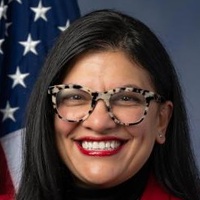
Rashida Tlaib
Representative
MI
Rashida Tlaib
Representative
MI
The Stop Price Gouging in Grocery Stores Act of 2025 aims to protect consumers by prohibiting grocery stores from charging "grossly excessive" prices for food items. The bill also bans stores from adjusting prices based on personal tracking data, such as facial recognition, and requires clear signage if facial recognition technology is used. Furthermore, it mandates that large physical grocery stores must use printed signs instead of electronic shelf labels for displaying prices.
This act mandates that the Department of Veterans Affairs must provide abortion care, counseling, and related services and medication to eligible veterans and certain other individuals.
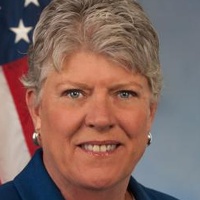
Julia Brownley
Representative
CA
Julia Brownley
Representative
CA
The Reproductive Freedom for Veterans Act mandates that the Department of Veterans Affairs (VA) must now provide abortion care, counseling, and related medication as part of the medical services offered to eligible veterans and certain other beneficiaries. This legislation formally amends existing VA health care provisions to include these reproductive health services.
The Ending Homelessness Act of 2025 expands housing vouchers into an entitlement program, prohibits source-of-income discrimination, and provides dedicated funding streams to address unmet needs and align health and housing services.

Maxine Waters
Representative
CA
Maxine Waters
Representative
CA
The Ending Homelessness Act of 2025 aims to significantly reduce homelessness by making housing choice vouchers an entitlement program starting in 2029 and immediately expanding the voucher supply for extremely low-income families. The bill also prohibits housing discrimination based on source of income and establishes new, dedicated funding streams for emergency relief and supportive services under the McKinney-Vento Act. Finally, it repeals certain ineligibility criteria for housing assistance and sets priorities for funding based on local policies that encourage affordable housing and decriminalize homelessness.
This Act mandates that the U.S. government's annual human rights reports abroad must include detailed findings on the status of reproductive rights, aligning U.S. foreign policy with international human rights standards.
Julie Johnson
Representative
TX
Julie Johnson
Representative
TX
The Reproductive Rights are Human Rights Act of 2025 establishes that reproductive rights are fundamental human rights based on international commitments. This bill mandates that the State Department must include a detailed, required section on the status of reproductive rights in every country within its annual human rights reports. These reports must cover access to contraception, abortion services, and instances of reproductive coercion or discrimination against marginalized groups. The Act aims to ensure robust U.S. monitoring and accountability regarding global reproductive health and autonomy.
This resolution recognizes the 50th anniversary of Cabo Verde's independence and celebrates the deep historical ties and contributions of Cabo Verdean-Americans to both nations.
Hakeem Jeffries
Representative
NY
Hakeem Jeffries
Representative
NY
This resolution recognizes the 50th anniversary of the independence of the Republic of Cabo Verde and celebrates the deep, historical ties between the U.S. and Cabo Verde. It honors the significant contributions of Cabo Verdean-Americans to both nations and acknowledges Cabo Verde's commitment to democracy and good governance. The document also commends Cabo Verde's role in international affairs, including its support for Ukraine.
This bill repeals specific prior health reconciliation provisions and expands eligibility for the Premium Tax Credit by removing the 400% income cap and adjusting the subsidy calculation formula.
Adam Gray
Representative
CA
Adam Gray
Representative
CA
The Protecting Health Care and Lowering Costs Act of 2025 repeals specific prior reconciliation health provisions. This bill significantly expands eligibility for the Premium Tax Credit by eliminating the 400% Federal Poverty Level income cap. It also updates the subsidy calculation formula to ensure a smoother, linear adjustment of assistance across various income levels.
This bill establishes comprehensive reproductive and fertility preservation assistance for active-duty service members and expands fertility treatment and adoption assistance benefits for eligible veterans.
Rick Larsen
Representative
WA
Rick Larsen
Representative
WA
The Veteran Families Health Services Act of 2025 expands reproductive and fertility care for service members and veterans. Title I mandates comprehensive fertility preservation and treatment for active-duty personnel and their families. Title II formally establishes fertility treatment, counseling, and adoption assistance as covered benefits for eligible veterans through the VA. This bill aims to remove barriers and reduce financial burdens for military families seeking to start or expand their families.
This resolution honors Dr. Paul Farmer by urging the U.S. to adopt a global health solidarity strategy that addresses preventable deaths through increased aid, support for local health systems, and actions to counteract economic injustices harming low-income nations.

Janice Schakowsky
Representative
IL
Janice Schakowsky
Representative
IL
This resolution honors Dr. Paul Farmer by urging the U.S. government to adopt a 21st-century global health solidarity strategy to end preventable deaths worldwide. It calls for significantly increased U.S. aid, focused on strengthening local health systems through "accompaniment," while simultaneously taking action to stop economic injustices that drain resources from developing nations. Ultimately, the bill demands that U.S. development policy prioritize global health equity alongside addressing historical harms like slavery and colonialism.
The Transnational Repression Policy Act establishes a national strategy and mandates training to protect individuals in the U.S. and abroad from harassment, intimidation, and human rights abuses orchestrated by foreign governments.
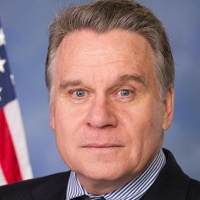
Christopher Smith
Representative
NJ
Christopher Smith
Representative
NJ
The Transnational Repression Policy Act establishes a comprehensive U.S. strategy to protect individuals within the country and abroad from harassment, intimidation, and abuse by foreign governments. The law mandates interagency coordination to develop a national strategy, enhance training for federal personnel, and direct the Department of Homeland Security and the Department of Justice to create resources to combat these foreign interference tactics domestically. Ultimately, this Act aims to increase international cooperation and hold foreign actors accountable for violating human rights across borders.
The EATS Act of 2025 expands eligibility for SNAP benefits by removing previous restrictions for students enrolled at least half-time in recognized educational programs.
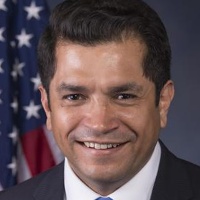
Jimmy Gomez
Representative
CA
Jimmy Gomez
Representative
CA
The EATS Act of 2025 significantly updates eligibility for the Supplemental Nutrition Assistance Program (SNAP) by removing previous restrictions that often disqualified students. This legislation explicitly includes bona fide students enrolled at least half-time in recognized educational programs as eligible participants for food assistance. These changes take effect on January 2, 2026.
This act repeals the prohibition on Medicaid payments to certain healthcare entities and mandates retroactive payment for services already rendered under the repealed ban.
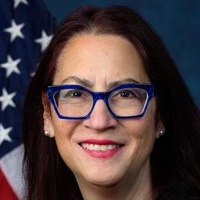
Laura Friedman
Representative
CA
Laura Friedman
Representative
CA
The Restoring Essential Healthcare Act repeals an outdated ban that prevented Medicaid from making payments to certain healthcare providers. This legislation ensures that these previously prohibited entities will now be reimbursed for medical services rendered between the enactment of the original ban and the passage of this Act. In short, it restores payment eligibility and retroactively covers past services.
The Pigs and Public Health Act reforms humane handling standards for nonambulatory pigs and increases public health transparency through confidential reporting mechanisms and whistleblower protections.
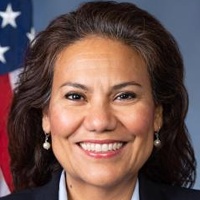
Veronica Escobar
Representative
TX
Veronica Escobar
Representative
TX
The Pigs and Public Health Act enacts sweeping reforms for the humane handling and processing of pigs, banning certain growth-promoting drugs and establishing strict transportation and euthanasia standards for nonambulatory animals. It also significantly increases public health transparency by creating a confidential reporting portal for violations and strengthening whistleblower protections for employees. Furthermore, the bill mandates a study on the public health risks associated with nonambulatory pigs entering the food system. These measures aim to improve animal welfare while empowering workers to report safety concerns.
The Protected Time Off Act establishes a federal minimum accrual rate of one hour of paid annual leave for every 25 hours worked, while protecting employees' rights to use and enforce this earned time off.
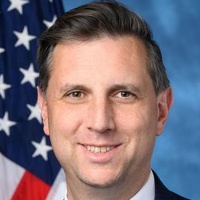
Seth Magaziner
Representative
RI
Seth Magaziner
Representative
RI
The Protected Time Off Act establishes a federal minimum standard for earned paid annual leave, requiring employers to grant employees at least one hour of paid time off for every 25 hours worked, up to 80 hours annually. This law specifies how leave is accrued, used, and rolled over, while protecting employees from retaliation for exercising these rights. It also ensures that existing state laws or agreements that provide more generous leave benefits remain in effect. Enforcement mechanisms are established, largely mirroring those under the Fair Labor Standards Act, allowing both government investigation and direct employee lawsuits.
This Act eliminates age restrictions and simplifies premium requirements for adult children covered under the TRICARE Young Adult program.
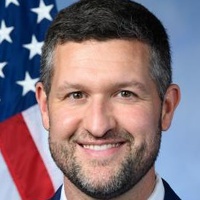
Patrick Ryan
Representative
NY
Patrick Ryan
Representative
NY
The Health Care Fairness for Military Families Act of 2025 significantly improves the TRICARE Young Adult (TYA) program for military dependents. This legislation eliminates the age restriction for TYA eligibility and removes the separate premium requirement for coverage. These changes aim to provide broader and simpler healthcare access for adult children of service members.
The ICBM Act halts funding for the troubled Sentinel missile program, redirects those funds to education, and mandates a comprehensive study on extending the life of existing Minuteman III missiles.
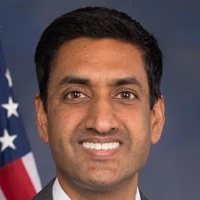
Ro Khanna
Representative
CA
Ro Khanna
Representative
CA
The Investing in Children Before Missiles (ICBM) Act pauses the troubled Sentinel missile replacement program due to significant cost overruns and delays. The bill mandates redirecting unspent research and development funds from the Sentinel and W87-1 warhead programs directly to the Department of Education for elementary and secondary school funding. Furthermore, it requires an independent study to analyze extending the life of the existing Minuteman III missiles until at least 2050 as an alternative to the new ICBM system.
The RAP Act of 2025 generally prohibits the use of a defendant's creative or artistic expressions as evidence in court unless the prosecution meets a high burden of proof demonstrating the work's literal relevance to the case.

Henry Johnson
Representative
GA
Henry Johnson
Representative
GA
The Restoring Artistic Protection Act of 2025 (RAP Act) seeks to limit the admissibility of a defendant's creative or artistic expression in court proceedings. This bill adds a new rule to the Federal Rules of Evidence, generally banning the use of a defendant's art as evidence against them. The government can only introduce such evidence if it meets strict exceptions requiring clear and convincing proof that the art directly relates to the facts of the case and possesses unique evidentiary value. If admitted, the court must provide specific instructions to the jury regarding its consideration.
This Act prohibits businesses from using automated systems that rely on personal data surveillance to set individualized prices or determine worker wages, while preserving stronger state and collective bargaining protections.
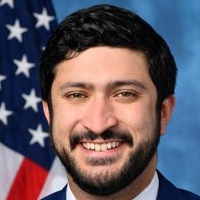
Gregorio Casar
Representative
TX
Gregorio Casar
Representative
TX
The Stop AI Price Gouging and Wage Fixing Act of 2025 prohibits businesses from using automated systems that analyze personal data to set individualized prices or determine employee wages. This legislation establishes strict transparency requirements for any permitted pricing exceptions and grants enforcement power to the FTC, EEOC, State Attorneys General, and private citizens. Furthermore, the Act ensures that existing state laws providing greater protections and collective bargaining rights remain fully in effect.
This bill updates the eligibility requirements for creating records of lawful admission for long-term residents by changing the qualifying entry date to a minimum of seven years of U.S. residency prior to application.
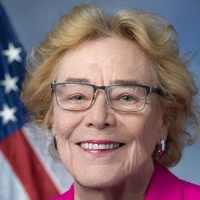
Zoe Lofgren
Representative
CA
Zoe Lofgren
Representative
CA
This bill, the Renewing Immigration Provisions of the Immigration Act of 1929, updates the eligibility requirements for creating records of lawful admission for long-term residents. It replaces a fixed entry date with a new standard requiring applicants to have resided in the U.S. for at least seven years prior to applying. These revised provisions will take effect 60 days after the Act is enacted.
This bill grants college athletes who receive compensation from their schools the right to organize and collectively bargain under federal labor law.

Summer Lee
Representative
PA
Summer Lee
Representative
PA
The College Athlete Right to Organize Act amends the National Labor Relations Act to formally recognize college athletes receiving compensation as employees. This grants them the right to organize and collectively bargain with their universities and athletic conferences over wages and working conditions. The bill ensures that this new employee status does not negatively impact their current tax status or eligibility for federal financial aid. The National Labor Relations Board is given jurisdiction to oversee these new labor relations.