Legislative Activity
Track Jim's sponsored bills, co-sponsored legislation, and voting record
This Act mandates studies, creates tracking systems, and establishes an advisory committee to review the deportation of noncitizen veterans while streamlining pathways for noncitizen service members to gain citizenship.
Mark Takano
Representative
CA
Mark Takano
Representative
CA
The Veteran Service Recognition Act of 2025 aims to improve immigration pathways and protections for noncitizen service members and veterans. The bill mandates studies on previously removed noncitizen veterans, establishes a system within DHS to track noncitizen veterans facing removal, and creates an advisory committee to review deportation cases. Furthermore, it streamlines the path to citizenship for active duty service members and allows certain removed noncitizen veterans to adjust their status to lawful permanent resident.
This joint resolution directs the President to remove U.S. Armed Forces from hostilities against certain designated groups and states unless Congress authorizes the use of force, while preserving the right to self-defense.
Jason Crow
Representative
CO
Jason Crow
Representative
CO
This joint resolution directs the President to remove U.S. Armed Forces from hostilities initiated after February 20, 2025, against designated terrorist groups or drug trafficking organizations without prior Congressional authorization. It asserts Congress's constitutional power to declare war and finds recent military strikes against vessels lacked proper justification. The bill allows for continued use of forces for self-defense or authorized counternarcotics support, but explicitly states drug trafficking alone does not constitute an armed attack.
This Act mandates the restoration of previously available learning materials in Department of Defense Education Activity (DoDEA) schools and establishes new review processes to limit the Secretary of Defense's ability to issue sweeping curriculum or event restrictions.
Jamie Raskin
Representative
MD
Jamie Raskin
Representative
MD
The Stop Censoring Military Families Act mandates the immediate restoration of previously available learning materials in Department of Defense Education Activity (DoDEA) schools and prevents new restrictions until after the 2026–2027 academic year. It establishes strict notification and review processes before the Secretary of Defense can issue major directives affecting multiple DoDEA schools. Furthermore, the Act nullifies several specific Executive Orders within the Department of Defense and requires a study on establishing an independent body to manage DoDEA curricula.
The Safe Step Act mandates that group health plans using medication step therapy establish clear, timely exception processes for patients and doctors when required drugs are medically inappropriate or ineffective.
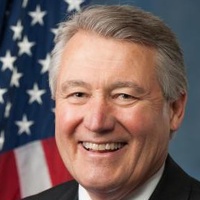
Rick Allen
Representative
GA
Rick Allen
Representative
GA
The Safe Step Act establishes mandatory, transparent exception processes for health plans that use "step therapy" protocols for prescription drugs. This ensures patients or their doctors can quickly request coverage for a prescribed medication when specific clinical criteria are met, such as previous treatment failure or risk of harm. Plans must decide on standard requests within 72 hours and urgent requests within 24 hours, and approved exceptions must last for at least one year. Furthermore, insurers must report detailed data annually on exception requests, approvals, and denials to the Secretary of Health and Human Services.
This bill reauthorizes and modifies the Safe Streets and Roads for All program by increasing dedicated funding for planning grants and adding billions to the program's total funding through 2031.
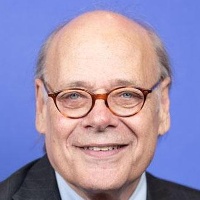
Steve Cohen
Representative
TN
Steve Cohen
Representative
TN
The Safe Streets for All Reauthorization and Improvement Act modifies the existing Safe Streets and Roads for All program. This legislation mandates that at least 20% of available funds must be dedicated to planning grants annually, replacing previous requirements. Additionally, it increases the total funding pool for the program by an extra \$5 billion for fiscal years 2027 through 2031.
The SHINE for Autumn Act of 2025 establishes federal grants for states to improve stillbirth surveillance, data collection, and risk factor research while mandating the development of standardized educational guidelines on stillbirth.
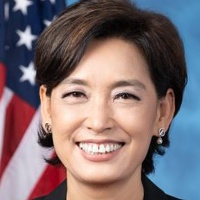
Young Kim
Representative
CA
Young Kim
Representative
CA
The SHINE for Autumn Act of 2025 aims to significantly improve federal support for state-level stillbirth research and data collection. It authorizes grants for states to enhance surveillance, track risk factors, and build local capacity for analyzing stillbirth data, provided the information remains de-identified. Furthermore, the bill mandates the development of standardized guidelines and educational materials regarding stillbirth awareness and risk factors, developed in consultation with experts and bereaved families.
This bill mandates that federally funded higher education institutions update their harassment policies to explicitly cover technology-facilitated harassment and establishes a competitive grant program to fund anti-harassment initiatives.
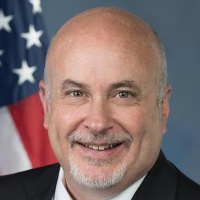
Mark Pocan
Representative
WI
Mark Pocan
Representative
WI
The Tyler Clementi Higher Education Anti-Harassment Act of 2025 mandates that colleges receiving federal funds update their policies to explicitly prohibit and detail procedures for addressing harassment based on protected characteristics, including technology-facilitated abuse. The bill also establishes a competitive grant program, funded up to $50 million annually, to support campus efforts in harassment prevention, training, and support services. This legislation adds new requirements without superseding existing civil rights protections.
The Future Generations Protection Act mandates zero greenhouse gas emissions from new power plants, bans hydraulic fracturing starting in 2029, and restricts crude oil and natural gas exports while prioritizing a just transition away from fossil fuels.

Janice Schakowsky
Representative
IL
Janice Schakowsky
Representative
IL
The Future Generations Protection Act aims to combat climate change by immediately banning greenhouse gas emissions from new power plants and halting the approval of most new Liquefied Natural Gas (LNG) terminals. It also establishes a nationwide ban on hydraulic fracturing starting in 2029 and generally prohibits the export of domestically produced crude oil and natural gas, with limited exceptions for oil swaps and historical trade relationships. Furthermore, the Act mandates that the energy transition prioritize environmental justice, fairness for fossil fuel workers, and strong labor union involvement.
This resolution expresses deep concern over severe restrictions on religious freedom abroad and urges robust U.S. diplomatic engagement to promote this fundamental human right globally.
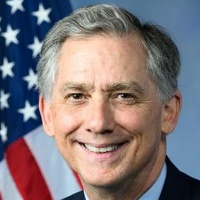
J. Hill
Representative
AR
J. Hill
Representative
AR
This resolution expresses the strong belief of Congress in the fundamental human right to religious freedom globally. It urges the U.S. to maintain diplomatic engagement with nations that severely restrict these freedoms to promote both societal prosperity and stable partnerships. The bill specifically highlights countries flagged for serious religious freedom violations and affirms the U.S. commitment to leading international efforts on this issue.
This Act mandates that most health insurance plans, Medicare Part D, Medicaid, and CHIP must cover specific, currently recommended vaccines without out-of-pocket costs for a limited time.
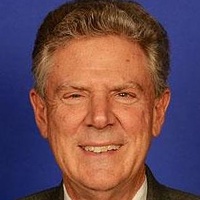
Frank Pallone
Representative
NJ
Frank Pallone
Representative
NJ
The Protecting Free Vaccines Act mandates that most private health insurance plans must cover specific vaccines recommended by the CDC's Advisory Committee on Immunization Practices (ACIP) without any out-of-pocket costs until January 1, 2030. This requirement also updates coverage rules for Medicare Part D, Medicaid, and CHIP to ensure continuity of coverage for these recommended immunizations. The bill locks in coverage based on the ACIP recommendations in place as of October 25, 2024, across various federal health programs.
This constitutional amendment grants Congress and the states the authority to regulate campaign contributions and expenditures, and to establish public financing systems for political campaigns.
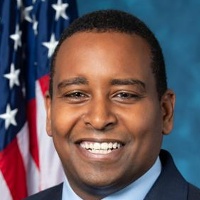
Joe Neguse
Representative
CO
Joe Neguse
Representative
CO
This constitutional amendment seeks to grant Congress and the states the authority to regulate contributions and expenditures in political campaigns. It specifically allows for the establishment of public financing systems to offset the influence of private money in elections. The amendment ensures that any regulations enacted must not infringe upon the freedom of the press.
This bill mandates that the wealthiest Americans pay annual taxes on the unrealized gains of their covered assets and removes several existing tax deferral mechanisms for these "applicable taxpayers."
Steve Cohen
Representative
TN
Steve Cohen
Representative
TN
The Billionaires Income Tax Act fundamentally changes how the wealthiest Americans are taxed by eliminating the ability to defer taxes on investment gains, requiring annual recognition of appreciation on covered assets. This legislation treats transfers like gifts or death as taxable sales and imposes stricter tax rules across various investment and compensation scenarios for "applicable taxpayers." Ultimately, the bill aims to ensure immediate taxation on wealth accumulation for high-net-worth individuals and associated entities starting in 2026.
This Act mandates that new passenger motor vehicles sold in the U.S. must include standard equipment capable of receiving AM broadcast radio signals.

Gus Bilirakis
Representative
FL
Gus Bilirakis
Representative
FL
The AM Radio for Every Vehicle Act of 2025 mandates that the Secretary of Transportation establish a rule requiring AM broadcast radio receivers to be installed as standard equipment in new passenger motor vehicles. This requirement aims to ensure public access to AM radio signals, which are often used for emergency alerts. The bill also directs a GAO study on the effectiveness of AM radio within the national emergency alert system compared to other technologies. Finally, the Act preempts state and local laws on this matter and includes a sunset provision eight years after enactment.
This bill amends the Social Security Act to provide Medicare coverage for FDA-approved multi-cancer early detection screening tests starting in 2028.
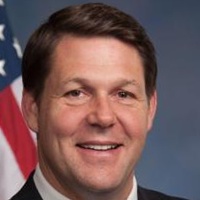
Jodey Arrington
Representative
TX
Jodey Arrington
Representative
TX
The Nancy Gardner Sewell Medicare Multi-Cancer Early Detection Screening Coverage Act amends the Social Security Act to provide Medicare Part B coverage for multi-cancer early detection screening tests starting January 1, 2028. This legislation establishes clear criteria for qualifying tests and outlines payment structures to ensure beneficiaries have access to these advanced diagnostic tools. Importantly, this coverage is designed to complement, rather than replace, existing Medicare-covered cancer screenings.
This bill mandates dedicated, funded resources for specialized 988 Suicide Prevention Lifeline services for LGBTQ+ youth.
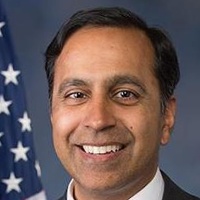
Raja Krishnamoorthi
Representative
IL
Raja Krishnamoorthi
Representative
IL
The **988 LGBTQ+ Youth Access Act of 2025** addresses the high rates of suicide risk among LGBTQ youth by strengthening specialized support through the national crisis hotline. This bill mandates that dedicated resources and services, such as a specific dialing option, must be maintained for LGBTQ individuals contacting 988. Furthermore, it requires that at least 9 percent of appropriated funds for the hotline be specifically reserved to ensure these specialized services for LGBTQ youth remain fully operational.
The FAMILY Act establishes a national paid family and medical leave insurance program administered by the Social Security Administration, providing benefits for caregiving related to serious health conditions or victims of violence.
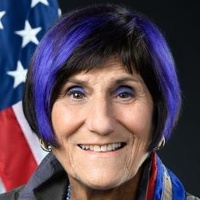
Rosa DeLauro
Representative
CT
Rosa DeLauro
Representative
CT
The FAMILY Act establishes a national Paid Family and Medical Leave Insurance program administered by a new office within the Social Security Administration. This program provides monthly benefits to eligible individuals who take time off for qualified caregiving reasons, including serious health conditions or victims of violence. The Act also sets forth detailed eligibility requirements, benefit calculation formulas, and job protection guarantees for employees utilizing the leave. Finally, it creates a funding mechanism to support existing state-level paid leave programs that meet federal standards.
This bill establishes the National Infrastructure Bank to finance major U.S. infrastructure projects while granting the Bank and its investors favorable federal tax exemptions.
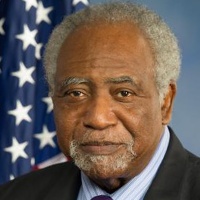
Danny Davis
Representative
IL
Danny Davis
Representative
IL
The National Infrastructure Bank Act of 2025 establishes a new, mixed-ownership federal corporation chartered to finance major infrastructure projects across the nation. This legislation authorizes the Bank to raise substantial capital and issue significant loans to spur economic growth while prioritizing projects in disadvantaged communities. Furthermore, the bill grants the Bank and its specific investors favorable tax exemptions to encourage participation and operation.
This resolution honors the life and assassination of Honduran human rights defender Juan López, condemns the ongoing violence against environmental activists in the Bajo Agúan region, and urges support for investigations into his murder and broader anti-corruption efforts in Honduras.
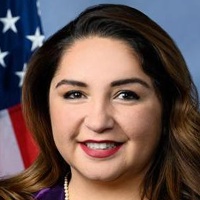
Delia Ramirez
Representative
IL
Delia Ramirez
Representative
IL
This resolution formally honors the life and tragic assassination of Honduran human rights and environmental defender Juan López. It commemorates the one-year anniversary of his murder and condemns the ongoing violence against land defenders in the Bajo Aguán region. Furthermore, the resolution supports efforts to combat corruption and impunity in Honduras, including calls for international assistance in investigating López's killing. Finally, it urges the U.S. government to increase support for Honduran civil society groups defending human rights and democracy.
The George Floyd Justice in Policing Act of 2025 comprehensively reforms policing by increasing accountability, mandating transparency through data collection, restricting dangerous tactics, and prohibiting sexual misconduct by officials acting under color of law.
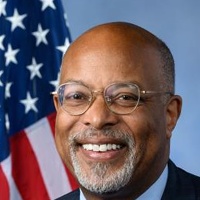
Glenn Ivey
Representative
MD
Glenn Ivey
Representative
MD
The George Floyd Justice in Policing Act of 2025 is a comprehensive bill designed to increase police accountability and transparency nationwide through federal mandates and funding incentives. It reforms standards for prosecuting civil rights violations, eliminates qualified immunity, and establishes national registries for police misconduct and use-of-force data. Furthermore, the Act bans specific dangerous police tactics like chokeholds and restricts the transfer of military equipment to local departments.
This resolution expresses support for designating September 14, 2025, as "National Food is Medicine Day" to promote the use of medically tailored food interventions for managing chronic diseases and improving public health.
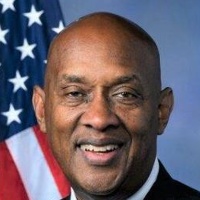
Dwight Evans
Representative
PA
Dwight Evans
Representative
PA
This resolution expresses strong support for designating September 14, 2025, as "National Food is Medicine Day." It recognizes that integrating medically tailored food and nutrition interventions into healthcare is a promising strategy for preventing and managing chronic diseases while potentially lowering overall healthcare costs. The bill urges the Department of Health and Human Services to fund research and integrate proven "food is medicine" programs into standard care delivery. Ultimately, it calls for collaboration across federal agencies and private partners to expand the effective use of food as a vital component of health treatment.