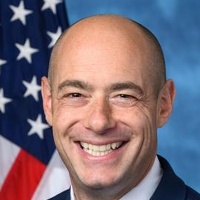
Legislative Activity
Track Greg's sponsored bills, co-sponsored legislation, and voting record
The Hands Off Our Social Security Act prohibits unauthorized tampering with benefits, data mining, privatization, workforce reductions, and office closures without explicit Congressional approval.
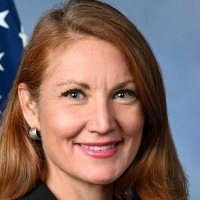
Melanie Stansbury
Representative
NM
Melanie Stansbury
Representative
NM
The Hands Off Our Social Security Act is designed to safeguard the functionality and integrity of the Social Security Administration (SSA). This bill prohibits the SSA from tampering with benefits, engaging in unauthorized data mining, or privatizing services. Furthermore, it prevents the agency from closing local offices or reducing staff without explicit approval from Congress. Ultimately, the Act ensures that essential services and communication channels remain accessible to beneficiaries.
This act establishes a new federal tax credit covering 50% of qualified infertility treatment expenses, subject to annual and income limitations, with up to $\$5,000$ being refundable.
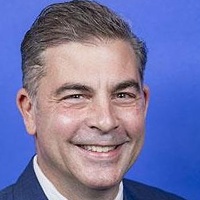
Mike Carey
Representative
OH
Mike Carey
Representative
OH
The Infertility Treatment Affordability Act of 2025 establishes a new federal tax credit equal to 50% of qualified expenses paid for infertility treatments. This credit is subject to annual limits and income phase-outs, with up to $\$5,000$ being potentially refundable. The Act aims to reduce the financial burden of fertility care for eligible individuals and families.
Ally's Act mandates that certain private health insurance plans must cover auditory implant devices, related services, and upgrades for qualifying individuals without imposing stricter cost-sharing or treatment limitations than other medical benefits.
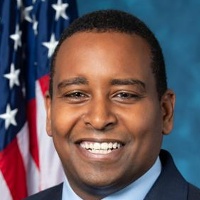
Joe Neguse
Representative
CO
Joe Neguse
Representative
CO
The Ally's Act mandates that certain private health insurance plans must cover auditory implant devices, related supplies, and necessary services for qualifying individuals. This coverage must be comparable to other medical and surgical benefits regarding cost-sharing and treatment limitations. Furthermore, plans cannot deny coverage if a physician or qualified audiologist determines the required hearing items or services are medically necessary. These new requirements take effect for plan years beginning on or after January 1, 2026.
This bill establishes a State judicial threat intelligence and resource center to monitor threats, coordinate security, and report on incidents targeting state and local judges and court staff.
Lucy McBath
Representative
GA
Lucy McBath
Representative
GA
This bill establishes a new State judicial threat intelligence and resource center to enhance the security of state and local judges and court staff. The center will provide training, monitor threats, standardize reporting, and create a national database for incidents against the judiciary. It also requires annual reporting to Congress on the number and severity of threats received.
The Supporting Apprenticeship Colleges Act of 2025 establishes grant programs to boost outreach for construction and manufacturing apprenticeships and to fund academic advising and student support services for apprentices in those fields.
Angie Craig
Representative
MN
Angie Craig
Representative
MN
The Supporting Apprenticeship Colleges Act of 2025 establishes two grant programs totaling \$10 million annually to boost construction and manufacturing apprenticeships. The first program funds community outreach to recruit students and connect programs with local employers, particularly in rural areas. The second program provides funds for expanded academic advising and student support services to improve program retention and completion rates. The Act also formally defines specialized apprenticeship colleges and sets reporting requirements for grant recipients.
The EACH Act of 2025 mandates that all federally funded health programs and facilities must cover and provide abortion services, while also prohibiting federal interference with private insurance coverage.
Ayanna Pressley
Representative
MA
Ayanna Pressley
Representative
MA
The EACH Act of 2025 aims to ensure equal access to abortion coverage by requiring all federally funded health programs and facilities to cover abortion services. This legislation prohibits federal interference with state or private insurance coverage of abortion and repeals Section 1303 of the Affordable Care Act. Ultimately, the bill seeks to eliminate financial and insurance barriers to abortion care, particularly for low-income individuals relying on programs like Medicaid.
This constitutional amendment prohibits immunity from criminal prosecution for federal officials based on their official duties and bars the President from self-pardoning.
Joseph Morelle
Representative
NY
Joseph Morelle
Representative
NY
This proposed constitutional amendment would eliminate immunity from criminal prosecution for federal officials, including the President, based on their official duties. It also explicitly prohibits the President from issuing a self-pardon for any federal crimes. If ratified, these changes would take effect immediately.
This Act mandates interim partial payments to small businesses for approved cost increases resulting from government-directed changes to existing construction contracts.
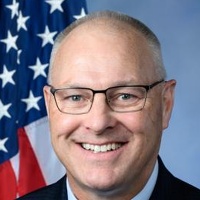
Pete Stauber
Representative
MN
Pete Stauber
Representative
MN
The Small Business Payment for Performance Act of 2025 ensures that small businesses receive prompt interim payments when the government mandates changes to their existing construction contracts. Upon requesting an equitable adjustment for contract modifications, the agency must issue an immediate partial payment covering at least 50% of the estimated additional costs. This legislation also mandates that prime contractors promptly pass these interim funds down to affected subcontractors.
This bill allows tax-exempt small nonprofit employers to claim retirement plan startup and auto-enrollment tax credits against their payroll taxes.
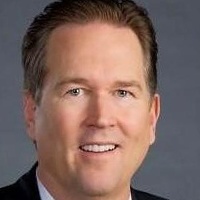
Vern Buchanan
Representative
FL
Vern Buchanan
Representative
FL
The Small Nonprofit Retirement Security Act of 2025 allows tax-exempt nonprofit organizations to claim valuable federal retirement plan startup and auto-enrollment tax credits. Instead of receiving a refund, eligible nonprofits can apply these credits directly against their required payroll tax obligations. This measure aims to encourage small tax-exempt employers to establish retirement plans for their employees.
This bill places a temporary moratorium on the closure or restriction of access to National Oceanic and Atmospheric Administration (NOAA) facilities until 180 days after a required justification report is submitted to Congress.
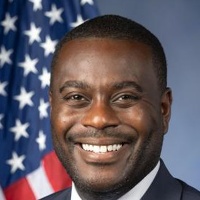
Gabe Amo
Representative
RI
Gabe Amo
Representative
RI
The Stop NOAA Closures Act places a temporary moratorium on the closure or restriction of access to any National Oceanic and Atmospheric Administration (NOAA) facilities. This freeze remains in effect until 180 days after key officials submit a required report to Congress detailing the criteria and process for any future facility changes. After the moratorium lifts, any major facility action will still require a 30-day advance notice and justification report to Congress, except in cases of immediate emergency threatening staff safety.
This Act mandates that federal agencies must provide current and former employees with easy and timely access to their official personnel files.
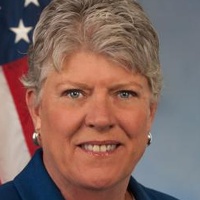
Julia Brownley
Representative
CA
Julia Brownley
Representative
CA
The Protecting Federal Employee Rights to Personnel Files Act of 2025 ensures current and former federal employees have a right to easily access their official personnel records. The bill mandates that agencies must provide electronic and physical copies of these files within seven days upon request for current employees. Furthermore, separating employees will automatically receive their file within seven days of their departure.
This Act mandates that VA medical staff promptly certify the deaths of veterans who died from natural causes within 48 hours to expedite burial and survivor benefits.
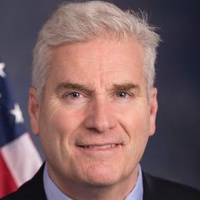
Tom Emmer
Representative
MN
Tom Emmer
Representative
MN
The Veteran Burial Timeliness and Death Certificate Accountability Act addresses significant delays in obtaining death certificates for veterans who die from natural causes, often due to VA medical staff delays. This bill mandates that VA medical providers must certify a veteran's death within 48 hours or allow the local medical examiner to step in. Furthermore, the VA must annually report on its compliance with this new timely certification requirement.
This comprehensive act establishes federal entitlements and grants to ensure access to affordable, high-quality child care and universal preschool for young children while significantly increasing compensation for early childhood educators.
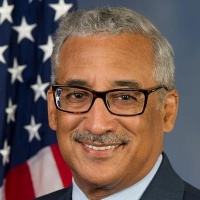
Robert Scott
Representative
VA
Robert Scott
Representative
VA
The Child Care for Working Families Act establishes comprehensive federal programs to ensure access to high-quality, affordable child care and universal preschool for young children. The legislation creates an entitlement program for child care, mandates that provider reimbursement rates cover actual costs and ensure living wages for staff, and establishes free, universal preschool for 3- and 4-year-olds. Additionally, it provides dedicated funding to stabilize childcare providers and extend the operating hours and compensation for Head Start staff.
This resolution demands the immediate handover of all unclassified federal documents related to the Jeffrey Epstein investigation within 14 days, authorizing subpoenas if the executive branch fails to comply.
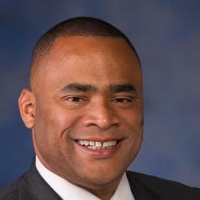
Marc Veasey
Representative
TX
Marc Veasey
Representative
TX
This resolution demands that federal agencies immediately release all unclassified documents related to the Jeffrey Epstein investigation. Congress is asserting its constitutional authority to compel transparency regarding Epstein's network, client lists, and internal agency communications. Agencies have 14 days to comply before the House initiates subpoena proceedings to force disclosure.
This Act updates the Higher Education Act of 1965 to explicitly include Head Start and Early Head Start programs under the definition of eligible community services.
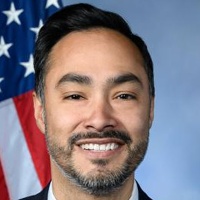
Joaquin Castro
Representative
TX
Joaquin Castro
Representative
TX
The Head Start for Our Future Act updates the Higher Education Act of 1965 by replacing the term "literacy training" with "child development and early learning" when describing eligible community services. This change explicitly ensures that Head Start and Early Head Start programs are recognized under this section of the law. The bill aims to better reflect the comprehensive nature of early childhood education services.
The PBM Reform Act of 2025 mandates sweeping changes to increase transparency, ensure fair pharmacy access in Medicare, and prohibit abusive spread pricing in Medicaid by holding Pharmacy Benefit Managers accountable for their financial dealings.
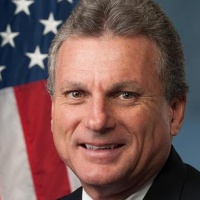
Earl Carter
Representative
GA
Earl Carter
Representative
GA
The Pharmacy Benefit Manager Reform Act of 2025 aims to increase transparency and accountability across the prescription drug supply chain. It mandates fairer pharmacy network access for Medicare beneficiaries and imposes strict new financial reporting and service fee requirements on Pharmacy Benefit Managers (PBMs) working with Medicare and private health plans. Furthermore, the bill establishes new federal mechanisms to accurately track drug acquisition costs in Medicaid and explicitly bans the practice of "spread pricing" in state Medicaid contracts.
This resolution expresses support for designating July 10th as Journeyman Lineworkers Recognition Day to honor the dangerous and essential service provided by these workers, especially during crises.
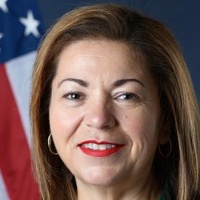
Linda Sánchez
Representative
CA
Linda Sánchez
Representative
CA
This resolution expresses support for designating July 10th as Journeyman Lineworkers Recognition Day. It honors the essential and dangerous work performed by these skilled professionals, especially their heroic efforts in restoring power after major disasters. The day serves to recognize their service and remember those who have lost their lives performing this vital work.
This bill changes the appointment process for the Director of the Bureau of Prisons to require confirmation by the President and Senate, and establishes a 10-year term limit.
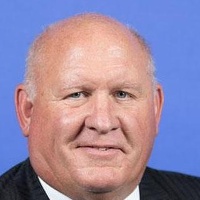
Glenn Thompson
Representative
PA
Glenn Thompson
Representative
PA
The Federal Prisons Accountability Act of 2025 seeks to increase oversight of the Bureau of Prisons (BOP) by changing how its Director is selected. This bill mandates that the Director of the BOP must now be appointed by the President and confirmed by the Senate, similar to other high-ranking DOJ officials. Furthermore, the legislation establishes a fixed 10-year term for the Director, limiting service to a single term. These changes aim to bring greater accountability to the leadership of the large federal prison system.
The Building Civic Bridges Act establishes an Office of Civic Bridgebuilding to fund and promote research-backed projects that reduce community division and strengthen social connection, using only donated funds.
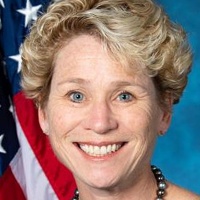
Chrissy Houlahan
Representative
PA
Chrissy Houlahan
Representative
PA
The Building Civic Bridges Act establishes a new Office of Civic Bridgebuilding within the National and Community Service Corporation to promote activities that unite divided communities. This Office will manage a competitive, research-backed grant program to fund local projects focused on reducing conflict and improving social cohesion. The Act mandates that the program be implemented using only donated funds, with no new federal appropriations authorized.
This resolution formally recognizes the significant and persistent wage gap disproportionately affecting Black women in the United States.
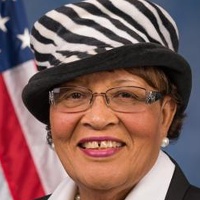
Alma Adams
Representative
NC
Alma Adams
Representative
NC
This resolution formally recognizes the significant and persistent wage disparity faced by Black women in the United States. It highlights that despite existing equal pay laws, Black women earn substantially less than their male counterparts, leading to massive lifetime earnings losses. Congress uses this measure to emphasize the urgent need to address both racial and gender discrimination to achieve true pay equity.