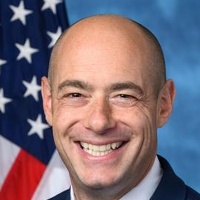
Legislative Activity
Track Greg's sponsored bills, co-sponsored legislation, and voting record
The Beverage Regulatory Parity Act establishes a federal regulatory and tax framework for hemp-derived beverages, implementing a three-tier distribution system, strict manufacturing standards, and age-restricted sales.

Beth Van Duyne
Representative
TX
Beth Van Duyne
Representative
TX
The Beverage Regulatory Parity Act establishes a comprehensive federal framework for the legal production, distribution, and sale of hemp-derived beverages. The bill creates a three-tier regulatory system overseen by the Tax and Trade Bureau and the FDA, setting strict standards for cannabinoid content, labeling, and manufacturing. Additionally, it implements a federal excise tax on these products while preserving the authority of state, local, and tribal governments to enforce their own regulations.
The "No TSA Data for ICE Act" prohibits the Department of Homeland Security from sharing TSA passenger data with immigration enforcement agencies and protects Trusted Traveler program participants from retaliation for exercising their First Amendment rights.
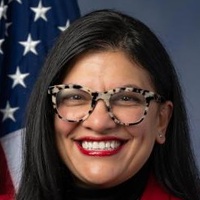
Rashida Tlaib
Representative
MI
Rashida Tlaib
Representative
MI
The "No TSA Data for ICE Act" prohibits the Department of Homeland Security from sharing sensitive passenger data from the TSA or private brokers with immigration enforcement agencies. Additionally, the bill protects participants in Trusted Traveler programs by preventing the government from suspending or denying enrollment based on an individual's participation in First Amendment-protected activities.
This bill mandates annual reporting on the Polisario Front's ties to Iranian-affiliated terrorist organizations and requires the imposition of sanctions should any such cooperation be identified.
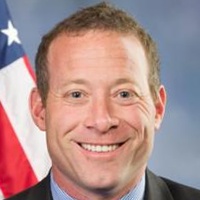
Josh Gottheimer
Representative
NJ
Josh Gottheimer
Representative
NJ
The Polisario Front Terrorist Designation Act of 2026 mandates an annual State Department report to investigate and document any military or intelligence cooperation between the Polisario Front and Iranian-affiliated terrorist organizations. If such collaboration is confirmed, the Act requires the President to formally designate the Polisario Front as a foreign terrorist organization and impose corresponding sanctions.
The Right to IVF Act of 2026 establishes a nationwide right to fertility care, mandates comprehensive insurance coverage for reproductive services, and expands access to fertility treatments for veterans and federal employees.
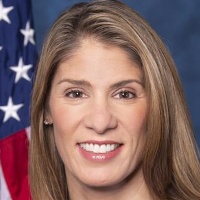
Lori Trahan
Representative
MA
Lori Trahan
Representative
MA
The Right to IVF Act of 2026 establishes a nationwide statutory right to access assisted reproductive technology (ART) and intrauterine insemination (IUI) while prohibiting states from imposing restrictive barriers. The bill further expands family-building support by mandating comprehensive fertility coverage across private insurance, Medicare, Medicaid, and federal employee health plans. Additionally, it guarantees expanded access to fertility services and preservation for military service members and veterans.
This bill reauthorizes the Accelerating Access to Critical Therapies for ALS Act through 2031 while enhancing grant oversight, safety reporting requirements, and FDA strategic planning for rare neurodegenerative diseases.

Mike Quigley
Representative
IL
Mike Quigley
Representative
IL
The Accelerating Access to Critical Therapies for ALS Reauthorization Act of 2026 extends vital funding for ALS research and clinical trial programs through 2031. This legislation strengthens oversight by enhancing grant review processes, improving safety reporting requirements, and mandating a comprehensive five-year FDA action plan to accelerate the development of treatments for rare neurodegenerative diseases.
This bill authorizes a seven-year grant program for the National Law Enforcement Officers Memorial Fund to support the National Law Enforcement Museum’s educational, community outreach, and officer wellness initiatives.
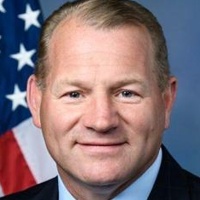
Troy Nehls
Representative
TX
Troy Nehls
Representative
TX
The National Law Enforcement Officers Remembrance, Support, and Community Outreach Act authorizes $6 million in annual grants over seven years to the National Law Enforcement Officers Memorial Fund. These funds will support the National Law Enforcement Museum’s public education, community outreach, and officer safety and wellness programs. As a condition of the grant, the museum must provide free admission to law enforcement officers and their families, as well as dedicated free hours for the general public.
Tyler's Law mandates a study and subsequent guidance on the routine testing for fentanyl in hospital emergency departments during overdose treatment.
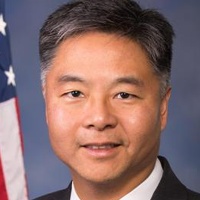
Ted Lieu
Representative
CA
Ted Lieu
Representative
CA
Tyler's Law mandates a comprehensive study by the Secretary of Health and Human Services on the frequency, cost, and impact of fentanyl testing in hospital emergency departments during overdose cases. Following the study, the Secretary must issue guidance on whether routine fentanyl testing should become standard practice for overdose patients. This guidance will also address staff training regarding existing drug test panels and the long-term health implications of such testing.
This resolution recognizes July 21, 2026, as Black Women’s Equal Pay Day to raise awareness of the persistent wage gap and reaffirm the commitment to achieving pay equity.
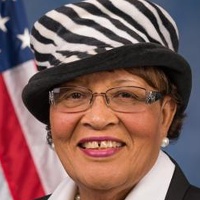
Alma Adams
Representative
NC
Alma Adams
Representative
NC
This resolution recognizes July 21, 2026, as Black Women’s Equal Pay Day to highlight the persistent and significant wage gap between Black women and white, non-Hispanic men. It calls attention to the systemic racial and gender-based barriers contributing to this disparity and reaffirms a commitment to achieving true pay equity.
The EMRTAI Authorization Act of 2026 establishes an EPA program to develop and support methods for recovering critical materials from contaminated sites to strengthen domestic supply chains and environmental remediation efforts.
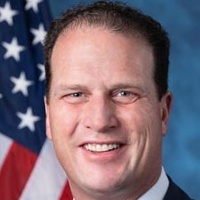
August Pfluger
Representative
TX
August Pfluger
Representative
TX
The EMRTAI Authorization Act of 2026 establishes an EPA program to identify and recover critical materials from contaminated sites. By providing financial assistance for innovative remediation technologies, the initiative aims to strengthen domestic supply chains, enhance national security, and support environmental cleanup efforts. The program is authorized for a ten-year period.
The AADAPT Act expands grant eligibility and funding to integrate dementia care services into health centers through 2031.
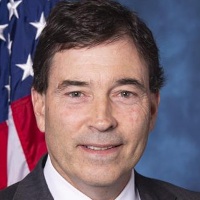
Troy Balderson
Representative
OH
Troy Balderson
Representative
OH
The AADAPT Act expands access to specialized dementia care by authorizing grants for public and nonprofit health centers to integrate these services into their programs. Additionally, the bill extends federal funding authorization through 2031 to ensure the continued growth and sustainability of these critical health outcomes.
This bill amends the Federal Food, Drug, and Cosmetic Act to establish an expedited development and review process for priority nonprescription drugs that offer meaningful public health benefits.
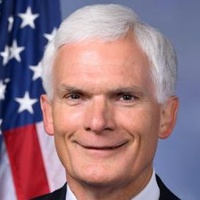
Robert Latta
Representative
OH
Robert Latta
Representative
OH
This bill amends the Federal Food, Drug, and Cosmetic Act to establish an expedited review process for "priority nonprescription drugs" that offer meaningful public health benefits. By streamlining development and communication between sponsors and the FDA, this initiative aims to accelerate the availability of new over-the-counter medications. This authority remains in effect through September 30, 2032.
This bill mandates electronic prior authorization, increases transparency through required data reporting, and establishes faster decision timelines for Medicare Advantage plans to improve timely access to care for seniors.
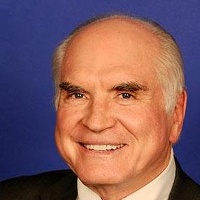
Mike Kelly
Representative
PA
Mike Kelly
Representative
PA
The Improving Seniors’ Timely Access to Care Act of 2025 aims to streamline and modernize the prior authorization process within Medicare Advantage plans. This bill mandates the adoption of electronic prior authorization systems and significantly increases transparency regarding approval rates and decision times starting in 2027. Furthermore, it establishes new enrollee protections and grants the Secretary authority to enforce faster decision timeframes for medical services.
The Patients First Act of 2026 reforms Medicare physician payment systems to ensure more stable, predictable reimbursement for providers while improving patient access to primary care and value-based services.
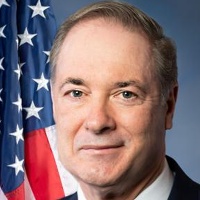
John Joyce
Representative
PA
John Joyce
Representative
PA
The Patients First Act of 2026 is comprehensive legislation designed to stabilize Medicare physician payments, improve patient access to primary care, and transition the current quality reporting system to a more clinician-led framework. By modernizing reimbursement formulas, reducing financial volatility for providers, and increasing transparency in value-based care models, the bill aims to ensure a more sustainable and predictable healthcare environment. These reforms seek to lower out-of-pocket costs for patients while supporting the long-term viability of medical practices.
This bill designates the United States Postal Service facility located at 201 East Grant Avenue in Georgetown, Ohio, as the "Ulysses S. Grant Post Office Building."
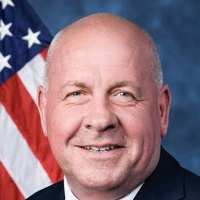
David Taylor
Representative
OH
David Taylor
Representative
OH
This bill officially designates the United States Postal Service facility located at 201 East Grant Avenue in Georgetown, Ohio, as the "Ulysses S. Grant Post Office Building." All future official references to this facility will reflect this new name.
This resolution designates July 10th as Journeyman Lineworkers Recognition Day to honor the essential service and sacrifices of the professionals who maintain our nation’s power grid.

Linda Sánchez
Representative
CA
Linda Sánchez
Representative
CA
This resolution designates July 10th as Journeyman Lineworkers Recognition Day to honor the essential, high-risk work performed by these skilled professionals. It pays tribute to the lineworkers who provide critical service during emergencies and recognizes those who have made the ultimate sacrifice in the line of duty.
This bill prohibits high-level federal officials, their families, and key staff from owning or trading individual stocks and participating in political prediction markets to prevent conflicts of interest.
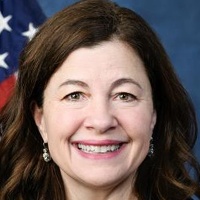
Kristen McDonald Rivet
Representative
MI
Kristen McDonald Rivet
Representative
MI
The "No Profiting from Public Service Act" prohibits high-level federal officials, their spouses, and dependent children from owning or trading individual stocks, commodities, and other financial derivatives. The bill mandates the divestiture of these assets into qualified blind trusts and bans participation in political prediction markets to prevent conflicts of interest. Violations of these restrictions are subject to significant financial penalties and mandatory public disclosure.
The Energy Emergency Leadership Act mandates the appointment of an Assistant Secretary within the Department of Energy to oversee national energy infrastructure security, emergency preparedness, and interagency coordination.
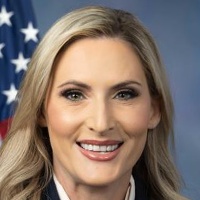
Laurel Lee
Representative
FL
Laurel Lee
Representative
FL
The Energy Emergency Leadership Act formally assigns responsibility for energy security and emergency preparedness to an Assistant Secretary within the Department of Energy. This legislation ensures a dedicated focus on protecting critical energy infrastructure from physical and cybersecurity threats while providing technical support to state, local, and Tribal partners.
This bill extends the window for military survivors to contribute death benefits to a Roth IRA or Coverdell ESA from one year to three years.
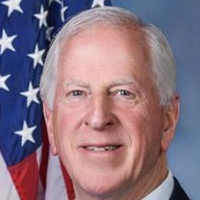
Mike Thompson
Representative
CA
Mike Thompson
Representative
CA
The GRACE for Military Survivors Act extends the window for military survivors to contribute death benefits to a Roth IRA or Coverdell education savings account from one year to three years. This change applies to benefits received on or after the date of enactment, and retroactively covers benefits received since October 7, 2001. This provides survivors with more time to utilize these tax-advantaged savings options.
The Freedom of Association in Higher Education Act of 2026 prohibits colleges and universities that receive federal funding from taking adverse actions against students or organizations based on their participation in single-sex social groups.
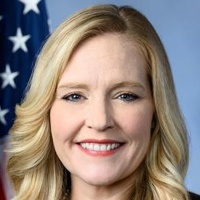
Erin Houchin
Representative
IN
Erin Houchin
Representative
IN
The Freedom of Association in Higher Education Act of 2026 protects students and single-sex social organizations from adverse actions by colleges and universities that receive federal funding. The bill ensures that students can freely join or lead these organizations without facing institutional bias or discrimination based on their membership. It establishes clear standards to prevent schools from penalizing students or organizations solely for maintaining single-sex membership policies.
This bill authorizes a Congressional Gold Medal to honor the Americans who rescued and aided Jews and other refugees during the Holocaust.
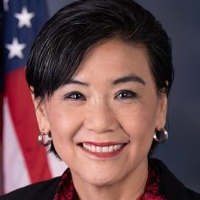
Judy Chu
Representative
CA
Judy Chu
Representative
CA
This bill authorizes the award of a single Congressional Gold Medal to honor the American citizens and organizations who rescued Jews and other refugees from Nazi persecution between 1933 and 1945. The medal recognizes their heroic efforts, which saved tens of thousands of lives during the Holocaust. Following the award, the gold medal will be permanently housed at the United States Holocaust Memorial Museum. The Act also permits the production and sale of duplicate bronze medals to cover production costs.