Legislative Activity
Track Greg's sponsored bills, co-sponsored legislation, and voting record
This bill, the "Protect Local Funding Act," prohibits the finalization, implementation, or enforcement of the proposed "Regulation for Federal Financial Assistance" rule published on May 29, 2026, or any substantially similar rule.
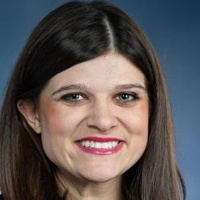
Haley Stevens
Representative
MI
Haley Stevens
Representative
MI
This bill, the "Protect Local Funding Act," prohibits the finalization, implementation, or enforcement of the proposed "Regulation for Federal Financial Assistance" published on May 29, 2026, or any substantially similar rule. It prevents federal agencies from enacting this specific regulation concerning federal financial assistance.
This Act expands and modernizes paid family and medical leave for federal employees, congressional staff, and certain D.C. employees, adding coverage for victims of violence, fertility challenges, and surrogacy.
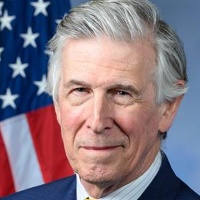
Donald Beyer
Representative
VA
Donald Beyer
Representative
VA
The Comprehensive Paid Leave for Federal Employees Act significantly expands and modernizes paid family and medical leave for federal workers across various agencies, including the Postal Service and Congressional staff. This legislation introduces new qualifying reasons for leave, such as recovery from domestic violence, sexual assault, or fertility challenges. It also adjusts service requirements, leave duration rules, and establishes repayment/work obligation agreements for certain paid leave.
This bill establishes a mandatory timeline and binding arbitration process to expedite the negotiation of first-time collective bargaining agreements between employers and newly certified unions.
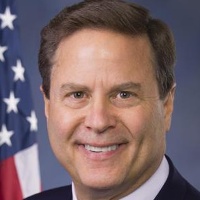
Donald Norcross
Representative
NJ
Donald Norcross
Representative
NJ
The Faster Labor Contracts Act aims to speed up the process of securing a first collective bargaining agreement after a union is certified. It establishes a mandatory timeline, including mediation and binding arbitration, if an agreement is not reached within 90 days of bargaining. This process is designed to prevent lengthy delays that currently weaken the union's position. The bill also requires a GAO report on current time-to-contract averages.
The Jewish American Security Act aims to combat rising antisemitism through enhanced security grants, new protections for Jewish students in education, and increased transparency requirements for online platforms regarding hate speech.

Dan Goldman
Representative
NY
Dan Goldman
Representative
NY
The Jewish American Security Act addresses the rising threat of antisemitism across the nation. This bill mandates new protections for Jewish students in educational settings and significantly increases funding and administrative support for securing Jewish community institutions. Furthermore, it requires increased transparency from large online platforms regarding their moderation of antisemitic content and mandates federal assessments of domestic and transnational antisemitic threats.
The Ukraine Support Act strengthens U.S. diplomatic, military, and economic support for Ukraine while imposing comprehensive sanctions on Russia to counter its ongoing aggression and war crimes.
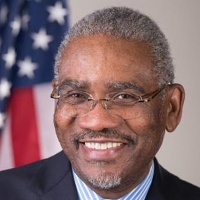
Gregory Meeks
Representative
NY
Gregory Meeks
Representative
NY
The Ukraine Support Act strengthens U.S. diplomatic, military, and economic support for Ukraine while intensifying pressure on Russia through comprehensive sanctions and export controls. The bill establishes long-term reconstruction and security programs, bolsters independent media, and mandates strategies to reduce European reliance on Russian energy. Additionally, it reinforces NATO’s collective defense and imposes strict oversight on the use of U.S. aid to ensure accountability and strategic impact.
The HOME for Foster Youth Act expands rental assistance eligibility and excludes education vouchers from income calculations for youth transitioning out of foster care.
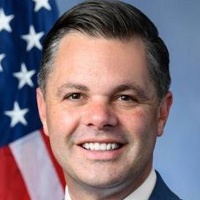
Zachary (Zach) Nunn
Representative
IA
Zachary (Zach) Nunn
Representative
IA
The HOME for Foster Youth Act expands housing assistance eligibility for young adults leaving foster care by increasing the application window from 90 to 180 days and removing prior homelessness requirements. It also ensures that Education and Training Vouchers are not counted as income when calculating housing assistance. Furthermore, the bill mandates improved coordination between HUD and HHS to streamline access to housing and supportive services for this population.
This bill establishes the Smithsonian American Women's History Museum, designates its site on the National Mall, and sets requirements for its mission, construction, and diverse representation of viewpoints.
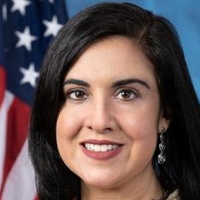
Nicole Malliotakis
Representative
NY
Nicole Malliotakis
Representative
NY
This act officially establishes the Smithsonian American Women’s History Museum and designates its location on the National Mall, requiring the transfer of land jurisdiction to the Smithsonian Institution. The museum is mandated to preserve and present the history and achievements of biological women in the United States. Furthermore, the legislation requires that exhibits and programs reflect diverse political viewpoints and authentic experiences of women, as guided by a broad array of knowledgeable sources.
This bill expands Medicare Part B coverage to reimburse for specific pharmacist services related to testing and treatment for certain public health threats, effective January 1, 2026.
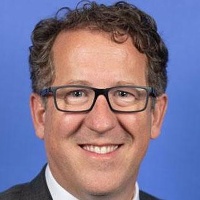
Adrian Smith
Representative
NE
Adrian Smith
Representative
NE
The Ensuring Community Access to Pharmacist Services Act expands Medicare Part B coverage to include services provided by pharmacists starting January 1, 2026. This coverage is specifically for testing or treatment related to COVID-19, the flu, RSV, strep throat, or during a declared public health emergency. The bill outlines payment structures, generally covering 80% of the cost, and prohibits pharmacists from balance billing Medicare patients for these covered services.
This bill authorizes the minting and sale of commemorative gold and silver coins to honor the 25th anniversary of the September 11, 2001, terrorist attacks, with surcharges supporting the National September 11 Memorial and Museum.
Dan Goldman
Representative
NY
Dan Goldman
Representative
NY
This bill authorizes the Secretary of the Treasury to mint and issue commemorative gold and silver coins marking the 25th anniversary of the September 11, 2001, terrorist attacks. The coins will honor the victims, first responders, and survivors, with designs selected in consultation with the National September 11 Memorial and Museum. All surcharges from the sale of these coins will be paid directly to the Memorial and Museum to support its operations and maintenance.
This Act establishes the Department of Veterans Affairs History Office to collect, preserve, and share the VA's history through exhibits, programs, and archival management, initially located in Dayton, Ohio.
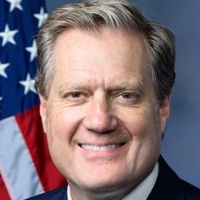
Michael Turner
Representative
OH
Michael Turner
Representative
OH
The Veterans Affairs Heritage Act of 2026 establishes the Department of Veterans Affairs History Office, combining a history program and a national history center, initially located in Dayton, Ohio. This office will be responsible for collecting, preserving, and providing access to VA historical records and telling the Department's story to the public. The Act also transfers administration of the Veterans Legacy Program and the Veterans Oral History Project to this new office. Finally, it mandates initial planning and annual progress reports to Congress regarding the office's development and activities leading up to the VA's centennial in 2030.
This bill directs the President to remove U.S. Armed Forces from hostilities against Iran within 30 days, pursuant to the War Powers Resolution.
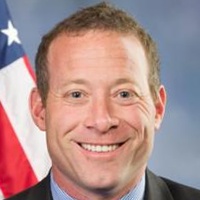
Josh Gottheimer
Representative
NJ
Josh Gottheimer
Representative
NJ
This bill directs the President to remove all U.S. Armed Forces from hostilities against Iran within 30 days, utilizing the authority granted by the War Powers Resolution. Congress asserts this action is necessary as it has not formally declared war or authorized military force against Iran. The resolution explicitly preserves the ability of the U.S. to defend itself, its allies, and its facilities from imminent attack, and does not interfere with intelligence-gathering activities.
The **Protecting Our Democracy Act** imposes sweeping restrictions on presidential power, enhances congressional oversight, strengthens ethics and anti-corruption laws, and bolsters accountability for federal officials.
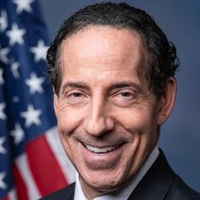
Jamie Raskin
Representative
MD
Jamie Raskin
Representative
MD
The **Protecting Our Democracy Act** imposes sweeping reforms across the executive branch to strengthen accountability and restore checks and balances. It restricts presidential pardon power, closes loopholes to ensure no President is above the law, and enforces constitutional emoluments clauses to prevent self-enrichment. Furthermore, the Act enhances congressional oversight by strengthening subpoena enforcement, increasing transparency around White House visitors and tax returns, and protecting federal whistleblowers from retaliation.
This resolution designates specific dates to honor law enforcement officers killed in the line of duty and expresses support for all officers.
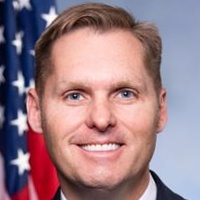
Michael Guest
Representative
MS
Michael Guest
Representative
MS
This resolution officially designates May 15, 2026, as Peace Officers Memorial Day and the week of May 10-16, 2026, as National Police Week. It honors the service and sacrifice of law enforcement officers killed in the line of duty, specifically recognizing 363 officers lost in 2025. The bill expresses unwavering support for law enforcement and acknowledges the need for proper resources to ensure officer safety.
This Act mandates the structural separation of vertically integrated health conglomerates by prohibiting combined ownership of pharmacies and insurance companies or Pharmacy Benefit Managers (PBMs), requiring divestment to restore competition.
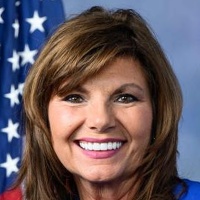
Diana Harshbarger
Representative
TN
Diana Harshbarger
Representative
TN
The Patients Before Monopolies Act aims to break up conflicts of interest within the healthcare industry by prohibiting entities from simultaneously owning a Pharmacy Benefit Manager (PBM) or insurer alongside a pharmacy. This legislation mandates the divestiture of such integrated businesses to foster competition and reduce prescription drug costs. It grants the FTC and DOJ significant authority to enforce this structural separation and allows civil actions, including by private citizens, to ensure compliance.
This act establishes a new federal income tax credit of up to $2,000 per qualifying child born during the tax year, with options for advance payment.
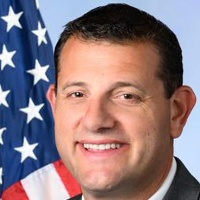
David Valadao
Representative
CA
David Valadao
Representative
CA
The Supporting Newborn Parents Act of 2026 establishes a new federal income tax credit of up to $2,000 for each qualifying child born during the tax year. This credit includes an option for parents to receive an advance payment shortly after the child's birth. The bill also streamlines the application process by collecting necessary election information directly through the Social Security application for a newborn's number.
This bill affirms the strong U.S.-South Korea alliance, emphasizing its importance for security, economic growth, and shared values, while also recognizing the contributions of Korean Americans. It supports stronger ties and celebrates Korean culture.
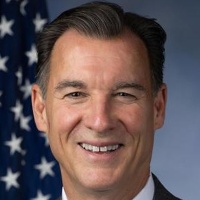
Thomas Suozzi
Representative
NY
Thomas Suozzi
Representative
NY
This bill reaffirms the strong alliance between the United States and the Republic of Korea, emphasizing its importance for security, economic growth, and shared values. It recognizes the deep economic ties, the contributions of Korean Americans, and continued commitment to the Mutual Defense Treaty. The bill also supports strengthening security, economic, and cultural bonds between the two nations, and celebrates Korean Culture-Kimchi Day.
This Act prohibits the sale or importation of connected vehicles and components containing hardware or software from covered adversarial countries like China, Russia, Iran, and North Korea, starting in 2027.
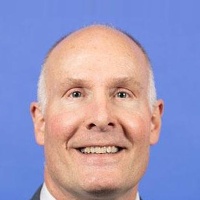
John Moolenaar
Representative
MI
John Moolenaar
Representative
MI
The Connected Vehicle Security Act of 2026 prohibits the sale or importation of connected vehicles, hardware, or software originating from or controlled by designated "covered countries" (North Korea, China, Russia, or Iran). This measure aims to safeguard U.S. economic and national security against risks like espionage and cyber intrusion posed by foreign adversaries exploiting vehicle connectivity technology. The Secretary of Commerce is tasked with issuing regulations to enforce these bans, which begin phasing in starting in 2027, though waivers may be granted under specific national security conditions.
This bill prohibits businesses from deducting expenses related to private jet ownership and operation starting in 2026, with specific exceptions for commercial or specialized use aircraft.
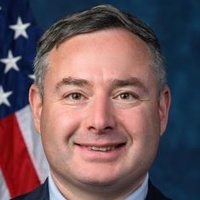
Eugene Vindman
Representative
VA
Eugene Vindman
Representative
VA
This bill, the "Stop Subsidizing Private Jets of 2026," aims to eliminate federal tax deductions for most business expenses related to owning and operating private, fixed-wing aircraft starting in 2026. It specifically disallows deductions for purchasing, maintaining, or operating these planes unless they meet narrow exceptions, such as being used primarily for cargo transport or specific commercial services. The legislation targets the common practice of businesses deducting the costs associated with personal or non-essential private jet use.
This bill temporarily suspends the federal gasoline excise tax when prices exceed \$3.99 per gallon while simultaneously prohibiting certain tax deductions and credits for oil and gas companies during those periods.
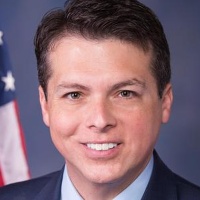
Brendan Boyle
Representative
PA
Brendan Boyle
Representative
PA
This bill temporarily suspends the federal excise tax on gasoline when the national average price exceeds \$3.99 per gallon, with the reduction matching the amount the price is over the threshold. To offset lost revenue, the general fund will reimburse the Highway Trust Fund and the Leaking Underground Storage Tank Trust Fund. Furthermore, during these high-price periods, certain tax deductions and credits for oil and gas companies will be suspended.
This resolution condemns antisemitic rhetoric from prominent online figures like Hasan Piker and Candace Owens and urges platforms and leaders to address this hate speech.
Josh Gottheimer
Representative
NJ
Josh Gottheimer
Representative
NJ
This resolution condemns the antisemitic rhetoric spread by prominent online personalities, citing specific examples from Hasan Piker and Candace Owens. It urges social media platforms and public leaders to denounce this hate-filled content and take action against its dissemination. The bill emphasizes that such online narratives contribute to real-world harm against Jewish communities.