Legislative Activity
Track Ted's sponsored bills, co-sponsored legislation, and voting record
This bill repeals harmful provisions of a previous act, exempts unaccompanied children from various immigration fees, and restricts the use of their sponsor information for enforcement purposes.

Dan Goldman
Representative
NY
Dan Goldman
Representative
NY
The Upholding Protections for Unaccompanied Children Act of 2025 seeks to reverse harmful provisions affecting unaccompanied children. This bill eliminates various immigration-related fees for current and former unaccompanied children, including those for asylum and employment authorization. It also prohibits physically intrusive medical examinations and restricts the sharing of sponsor information with immigration enforcement agencies. Furthermore, the Act mandates the refunding of previously paid fees.
This Act establishes a "Mega-Decade Sports Diplomacy Strategy" to leverage major U.S.-hosted sporting events between 2024 and 2034 to enhance America's global standing and diplomatic ties through a newly established Office of Sports Diplomacy.

Sydney Kamlager-Dove
Representative
CA
Sydney Kamlager-Dove
Representative
CA
The American Decade of Sports Act establishes a "Mega-Decade Sports Diplomacy Strategy" to leverage major international sporting events hosted in the U.S. between 2024 and 2034 to enhance America's global standing. This requires the State Department to create comprehensive 5-year plans detailing diplomatic goals, partnerships, and visa facilitation efforts. Furthermore, the Act mandates the creation of a dedicated Office of Sports Diplomacy to coordinate and execute these strategy objectives across government and private sectors. The Secretary of State must provide annual progress reports to Congress on the implementation of these goals until the end of 2034.
The Dignity for Detained Immigrants Act establishes comprehensive standards, rigorous oversight, and new custody procedures to ensure humane treatment and due process for all noncitizens detained by the Department of Homeland Security, while phasing out for-profit detention facilities.

Pramila Jayapal
Representative
WA
Pramila Jayapal
Representative
WA
The Dignity for Detained Immigrants Act aims to overhaul immigration detention by establishing mandatory, high standards based on ABA guidelines and increasing transparency through rigorous, unannounced inspections. The bill prohibits the use of private, for-profit detention facilities within three years and ends the mandatory detention of most noncitizens, prioritizing release or community-based alternatives. Furthermore, it establishes new due process rights, including timely custody hearings, a presumption of release, and prohibitions on detaining children or using solitary confinement.
This bill withdraws Oak Flat from mineral entry and cancels the land exchange to prevent foreign mining operations by Resolution Copper.
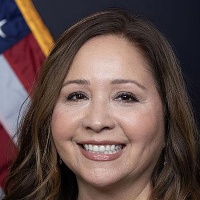
Adelita Grijalva
Representative
AZ
Adelita Grijalva
Representative
AZ
This bill, the Save Oak Flat from Foreign Mining Act, withdraws approximately 2,422 acres of Forest Service land known as Oak Flat in Arizona from all forms of mineral entry and development. It specifically cancels the prior land exchange that would have transferred the land to Resolution Copper Mining, LLC. The Act prohibits the transfer of Oak Flat to the foreign-backed mining venture, citing national security and environmental concerns.
This act strengthens reporting requirements for the Department of State's guidelines concerning relations with Taiwan, mandating periodic reviews and updated submissions to Congress.
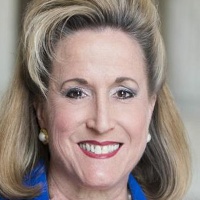
Ann Wagner
Representative
MO
Ann Wagner
Representative
MO
The Taiwan Assurance Implementation Act strengthens oversight of U.S. policy toward Taiwan by expanding reporting requirements for the Department of State. It mandates periodic five-year reviews and updates of guidance documents governing U.S. relations with Taiwan. Following each review, the Secretary of State must reissue the guidance and submit an updated report to Congress detailing how the revisions align with established policy goals.
This act establishes a grant program to help colleges and universities create and operate dedicated Student Veteran Centers to support the academic and transitional success of student veterans.
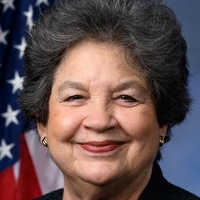
Lois Frankel
Representative
FL
Lois Frankel
Representative
FL
The Veteran Education Empowerment Act establishes a grant program to help colleges and universities create and operate dedicated Student Veteran Centers. These centers will serve as centralized hubs to coordinate academic support, transition services, and community building for student veterans. The bill authorizes funding for these grants, which can be used for establishing and operating the centers, with specific reporting requirements to track effectiveness.
The Mikaela Naylon Give Kids a Chance Act primarily focuses on enhancing pediatric drug research, ensuring completion of pediatric study requirements, extending incentives for rare pediatric disease treatments, and making targeted updates to FDA and organ transplant network operations.
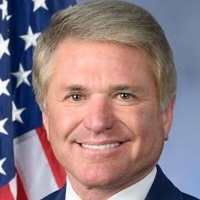
Michael McCaul
Representative
TX
Michael McCaul
Representative
TX
The Mikaela Naylon Give Kids a Chance Act focuses primarily on improving pediatric drug development and ensuring patient access to necessary treatments. This legislation mandates new research requirements for molecularly targeted pediatric cancer drugs, strengthens FDA enforcement of pediatric study completion, and extends incentives for developing drugs for rare pediatric diseases. Additionally, the bill updates organ transplant network functions and establishes an Abraham Accords Office within the FDA to enhance international regulatory cooperation.
This bill repeals tariffs imposed on goods from 40 Indo-Pacific partners and allies to better counter Chinese economic coercion.

Jill Tokuda
Representative
HI
Jill Tokuda
Representative
HI
This Act, the Indo-Pacific Partner and Ally Tariff Repeal Act, terminates tariffs imposed on goods from 40 specific Indo-Pacific allies and partners. Congress finds that these tariffs undermine collective efforts against the Chinese Communist Party's coercive actions. The bill immediately repeals the tariffs established under Executive Orders 14257 and 14326.
This bill establishes a U.S. policy to advocate for Taiwan's membership or observer status in Interpol and requires the State Department to develop a strategy to achieve this goal.

Lance Gooden
Representative
TX
Lance Gooden
Representative
TX
This Act establishes a clear U.S. policy to advocate for Taiwan's full participation and membership in the International Criminal Police Organization (Interpol). It directs the Secretary of State to develop a comprehensive strategy to secure Taiwan's inclusion and involvement in Interpol's activities. Furthermore, the bill mandates reports to Congress detailing the strategy and assessing the threats Taiwan faces due to its current exclusion from global crime-fighting networks.
This bill expands Medicare coverage for medical nutrition therapy services to treat a wider range of chronic conditions and allows more healthcare providers to order these services.

Robin Kelly
Representative
IL
Robin Kelly
Representative
IL
This bill, the Medical Nutrition Therapy Act of 2025, aims to significantly expand Medicare coverage for medical nutrition therapy services. It broadens the list of covered chronic conditions beyond diabetes and kidney disease to include obesity, hypertension, cancer, and more. Furthermore, the legislation allows a wider range of healthcare providers, such as nurse practitioners and physician assistants, to order these medically necessary nutrition services.
This bill reauthorizes and extends the funding authorization period for large-scale water recycling programs under the Infrastructure Investment and Jobs Act from five to ten years.

Susie Lee
Representative
NV
Susie Lee
Representative
NV
This bill, the Large-Scale Water Recycling Reauthorization Act, extends the authorization period for a key water recycling program established under the Infrastructure Investment and Jobs Act. Specifically, it doubles the program's authorization from five years to ten years. This action supports continued investment in large-scale water recycling infrastructure.
This Act prohibits discrimination based on religion, sex, or marital status in federally funded child welfare services to improve outcomes for all children, especially LGBTQ youth.

Danny Davis
Representative
IL
Danny Davis
Representative
IL
The John Lewis Every Child Deserves a Family Act prohibits discrimination based on religion, sex, or marital status in federally funded child welfare services. This aims to increase the number of stable, family-like placements for children, especially for LGBTQ youth who are overrepresented in foster care. The bill mandates federal guidance, training, and data collection to improve safety and well-being outcomes for all children involved in the system.
This bill expands Medicare drug price negotiation to private insurance, applies inflation rebates to commercial drugs, and establishes annual out-of-pocket limits for prescription drugs under private health insurance.

Frank Pallone
Representative
NJ
Frank Pallone
Representative
NJ
The Lowering Drug Costs for American Families Act aims to significantly reduce prescription drug expenses for consumers. It expands the federal drug price negotiation program to cover more drugs and extends negotiated prices to most private health insurance plans. Furthermore, the bill applies inflation rebates to the commercial market and establishes new annual out-of-pocket spending caps for prescription drugs under private insurance starting in 2027. It also sets specific, lower cost-sharing requirements for covered insulin products.
The Find It Early Act mandates no-cost coverage for additional, recommended breast cancer screenings for high-risk individuals across private insurance, Medicare, Medicaid, TRICARE, and VA health programs starting in 2026.

Rosa DeLauro
Representative
CT
Rosa DeLauro
Representative
CT
The Find It Early Act mandates that certain individuals at increased risk for breast cancer receive additional, recommended screenings with no out-of-pocket costs. This coverage requirement applies across private health plans, Medicare, Medicaid, TRICARE, and the Department of Veterans Affairs. These provisions are set to take effect starting January 1, 2026.
This resolution recognizes the epidemic of violence against transgender people, memorializes those lost this year, and calls for action to ensure their safety and dignity.
Pramila Jayapal
Representative
WA
Pramila Jayapal
Representative
WA
This resolution supports the goals of Transgender Day of Remembrance by recognizing the ongoing epidemic of violence targeting transgender people, particularly transgender women of color. It memorializes the lives lost this year and highlights the systemic barriers, including discrimination and lack of healthcare access, faced by the transgender community. The bill calls for urgent action from the government to protect these lives through inclusive legislation and policies that ensure dignity and respect for all individuals.
This bill repeals recent changes to Medicaid eligibility redetermination procedures, restoring prior law.
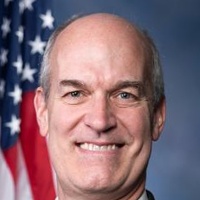
Rick Larsen
Representative
WA
Rick Larsen
Representative
WA
The Patients Over Paperwork Act of 2025 aims to streamline healthcare by repealing recent changes to Medicaid eligibility redeterminations. This action effectively restores prior regulations concerning how beneficiaries' eligibility is reviewed. The bill focuses on reducing administrative burdens to prioritize patient care.
This bill establishes sanctions against foreign individuals responsible for human rights violations against LGBTQI people and mandates enhanced tracking and reporting of such abuses in annual human rights reports.

Sarah McBride
Representative
DE
Sarah McBride
Representative
DE
The Global Respect Act aims to promote and protect the human rights of LGBTQI individuals worldwide. It mandates the President to identify and report foreign persons responsible for human rights violations against LGBTQI people, leading to their inadmissibility to the United States. Furthermore, the Act requires enhanced tracking and reporting of violence and discrimination targeting individuals based on sexual orientation, gender identity, or sex characteristics in the annual human rights reports.
This bill authorizes the minting and sale of commemorative gold, silver, and clad coins in 2029 to celebrate the history and contributions of the United States Foreign Service, with surcharges benefiting the Association for Diplomatic Studies and Training.
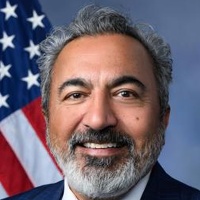
Ami Bera
Representative
CA
Ami Bera
Representative
CA
This Act authorizes the Secretary of the Treasury to mint and issue a series of commemorative gold, silver, and clad coins in 2029 to celebrate the centennial of the United States Foreign Service. The coins will feature designs representing the importance of American diplomacy and the contributions of the Foreign Service. All surcharges collected from the sale of these coins will be paid to the Association for Diplomatic Studies and Training to support its historical preservation work. The Treasury must ensure that the minting and issuance of these coins result in no net cost to the U.S. government.
The EXPERTS Act of 2025 aims to reform federal rulemaking by increasing transparency around submitted studies, establishing new disclosure requirements for conflicts of interest, streamlining agency review timelines, and creating an Office of the Public Advocate focused on social equity.
Pramila Jayapal
Representative
WA
Pramila Jayapal
Representative
WA
The EXPERTS Act of 2025 aims to enhance transparency and accountability in the federal rulemaking process. It introduces new disclosure requirements for studies submitted during public comment periods and mandates greater public awareness of agency actions. Furthermore, the bill establishes the Office of the Public Advocate to improve public involvement and explicitly requires agencies to consider social equity in their cost-benefit analyses. Finally, it streamlines the Office of Information and Regulatory Affairs (OIRA) review timeline and clarifies judicial review standards for agency interpretations.
This bill updates the Medicare physician fee schedule conversion factor annually based on the Medicare Economic Index starting in 2026.
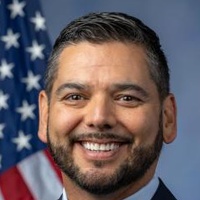
Raul Ruiz
Representative
CA
Raul Ruiz
Representative
CA
This bill, the Strengthening Medicare for Patients and Providers Act, updates how Medicare physician payments are adjusted annually starting in 2026. It mandates that the annual update to the Medicare physician fee schedule conversion factor will be directly tied to the estimated percentage increase in the Medicare Economic Index (MEI). This change ensures physician payment updates reflect economic changes measured by the MEI for 2026 and beyond.