Legislative Activity
Track Ben's sponsored bills, co-sponsored legislation, and voting record
The Supplemental Security Income Restoration Act of 2026 updates the SSI program by increasing benefit amounts, raising income and resource eligibility limits, eliminating marriage penalties, and expanding coverage to additional U.S. territories.

Elizabeth Warren
Senator
MA
Elizabeth Warren
Senator
MA
The Supplemental Security Income (SSI) Restoration Act of 2026 aims to modernize and expand the SSI program by increasing income and resource limits, adjusting benefit amounts, and eliminating outdated penalties. The bill also simplifies eligibility rules, excludes specific assets like retirement accounts from calculations, and extends full SSI program coverage to U.S. territories.
The America’s Living Library Act establishes a Department of the Interior pilot program to collect and sequence genetic data from species within National Parks for a public, secure genomic database.

Todd Young
Senator
IN
Todd Young
Senator
IN
The America’s Living Library Act establishes a pilot program within the Department of the Interior to collect and sequence genetic data from species across National Parks. This initiative will create a secure, public genomic database to support scientific research and conservation efforts while ensuring all samples and data remain under U.S. control. The program prioritizes ecological diversity and provides a framework for long-term biological storage and interagency collaboration.
This bill expands existing online privacy protections to include teens (ages 13-16) by updating definitions, strengthening consent requirements, and prohibiting certain data collection and advertising practices for operators of online and mobile applications.
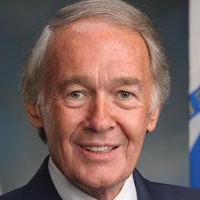
Edward Markey
Senator
MA
Edward Markey
Senator
MA
The Children and Teens’ Online Privacy Protection Act significantly updates existing law to expand online privacy protections for individuals aged 13 to 16. It broadens the definition of personal information collected online and imposes stricter requirements on operators regarding notice, verifiable consent, and data use for advertising. The bill also mandates studies on application oversight and the privacy risks associated with teens using financial technology products.
This resolution expresses support for designating March 2026 as "Music in Our Schools Month" to recognize the cultural importance and academic benefits of music education while highlighting disparities in access.
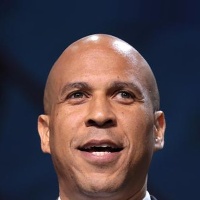
Cory Booker
Senator
NJ
Cory Booker
Senator
NJ
This resolution expresses support for designating March 2026 as "Music in Our Schools Month." It recognizes the cultural importance and long history of music education in the U.S. The bill highlights the academic and social benefits of music programs while acknowledging disparities in access to quality music instruction. Ultimately, it calls for increased support for teaching and learning music in public schools.
The GAAME Act of 2026 mandates and expands access to sequential, standards-based arts and music education within Title I schools to ensure a well-rounded academic experience for all students.
Cory Booker
Senator
NJ
Cory Booker
Senator
NJ
The GAAME Act of 2026 mandates that schools receiving Title I funding provide students with sequential, standards-based arts and music education taught by certified professionals. By amending the Elementary and Secondary Education Act, the bill ensures these programs are integrated into school-wide curricula and targeted assistance plans to support a well-rounded education.
The AI Fraud Accountability Act of 2026 establishes federal criminal and civil penalties for using AI-generated digital impersonations to commit fraud while mandating the development of national best practices to detect and prevent such deception.
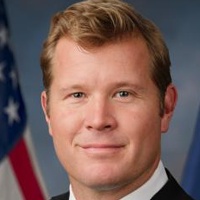
Tim Sheehy
Senator
MT
Tim Sheehy
Senator
MT
The AI Fraud Accountability Act of 2026 establishes federal criminal and civil penalties for using AI-generated digital impersonations to commit fraud. The bill mandates the creation of a NIST-led working group to develop best practices for detecting and preventing such fraud while fostering international cooperation to combat these crimes. It also includes a savings clause to protect First Amendment rights, such as parody, satire, and journalism.
This bill authorizes NASA's FY 2025 budget, directs the transition to commercial low-Earth orbit destinations, solidifies the Moon to Mars exploration strategy, and mandates advancements in aeronautics and science technology.

Ted Cruz
Senator
TX
Ted Cruz
Senator
TX
The NASA Transition Authorization Act of 2025 authorizes the agency's funding for fiscal year 2025 and solidifies the strategic direction for human spaceflight, emphasizing the "Moon to Mars" program and the transition to commercial Low-Earth Orbit destinations. The bill directs significant investment into science missions, technology development, and aeronautics research, while also restructuring STEM education programs. Finally, it establishes new policy guidelines regarding commercial partnerships, cost oversight, and international collaboration.
The Democracy Is Strengthened by Casting Light On Spending in Elections Act of 2026 enhances election integrity by closing foreign funding loopholes, increasing transparency in political and judicial spending, and mandating clear disclosure requirements for political advertisements.

Sheldon Whitehouse
Senator
RI
Sheldon Whitehouse
Senator
RI
The **Democracy Is Strengthened by Casting Light On Spending in Elections (DISCLOSE) Act of 2026** aims to increase transparency and accountability in U.S. elections by closing loopholes that allow foreign spending and requiring greater disclosure of political donors. The legislation mandates that organizations report significant political expenditures, forces leaders to take personal responsibility for political advertisements, and streamlines the legal process for campaign finance challenges. Ultimately, these reforms seek to provide voters with clearer information about who is funding political campaigns and judicial nominations.
This bill mandates the transition of Puerto Rico from its current block grant nutrition program to the federal Supplemental Nutrition Assistance Program (SNAP) to ensure equitable food assistance.

Kirsten Gillibrand
Senator
NY
Kirsten Gillibrand
Senator
NY
The Puerto Rico Nutrition Assistance Fairness Act provides a framework for Puerto Rico to transition from its current block grant system to the federal Supplemental Nutrition Assistance Program (SNAP). This legislation ensures equitable access to nutrition assistance by adjusting food plan costs to reflect local economic conditions and establishing a structured, multi-year transition process.
This resolution expresses support for designating the week of March 2 through March 6, 2026, as National Social and Emotional Learning Week to recognize its importance for student success and well-being.

Richard Durbin
Senator
IL
Richard Durbin
Senator
IL
This resolution expresses support for designating the week of March 2 through March 6, 2026, as "National Social and Emotional Learning Week." It recognizes the vital role social and emotional learning plays in boosting student academic achievement and overall well-being. The bill encourages expanding access to these crucial skills for all students and educators.
This resolution supports designating February 21-28, 2026, as National FFA Week while recognizing the organization's role in leadership development and celebrating the 50th anniversary of the Alaska State FFA Association.
Todd Young
Senator
IN
Todd Young
Senator
IN
This resolution expresses support for designating February 21-28, 2026, as "National FFA Week." It recognizes the National FFA Organization's role in developing future leaders. The resolution also celebrates the 50th anniversary of the chartering of the Alaska State FFA Association.
This resolution supports the goals of Career and Technical Education Month by recognizing its vital role in preparing a skilled workforce for in-demand careers.
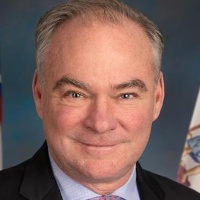
Timothy Kaine
Senator
VA
Timothy Kaine
Senator
VA
This resolution officially designates February 2026 as Career and Technical Education (CTE) Month to celebrate and support CTE programs nationwide. It recognizes CTE's vital role in preparing a skilled workforce for high-demand careers and boosting American economic competitiveness. The resolution encourages promotion of CTE as a respected educational pathway for students.
This resolution officially designates the week of February 23 through February 27, 2026, as National Public Schools Week.

Susan Collins
Senator
ME
Susan Collins
Senator
ME
This resolution officially designates the week of February 23 through February 27, 2026, as National Public Schools Week. The purpose is to recognize and celebrate the importance of public education in the United States during that specific timeframe.
The Direct File Act of 2026 establishes a permanent, free, government-operated online tax filing system while prohibiting agreements that restrict the IRS from providing direct tax preparation services.
Elizabeth Warren
Senator
MA
Elizabeth Warren
Senator
MA
The Direct File Act of 2026 establishes a permanent, free, and user-friendly online tax filing program operated directly by the IRS. The bill prohibits the Treasury from entering into agreements that restrict government-provided filing services and mandates the development of a seamless, accessible platform for federal and state tax returns. This initiative aims to simplify the filing process for taxpayers while ensuring the government maintains full control over its own tax preparation software.
The Living Donor Protection Act of 2025 prohibits insurance discrimination against living organ donors and guarantees job-protected leave for those undergoing donation surgery.

Tom Cotton
Senator
AR
Tom Cotton
Senator
AR
The Living Donor Protection Act of 2025 prohibits insurance companies from discriminating against living organ donors regarding life, disability, or long-term care coverage. The bill also amends the Family and Medical Leave Act (FMLA) to explicitly classify organ donation surgery as a serious health condition, ensuring job-protected leave for donors. Additionally, it mandates that the Department of Health and Human Services update public educational materials to reflect these new protections and the realities of organ donation.
The Enhanced Cybersecurity for SNAP Act of 2026 mandates the transition to chip-enabled EBT cards, strengthens digital security standards, and improves fraud protection and card replacement services for SNAP recipients.

Ron Wyden
Senator
OR
Ron Wyden
Senator
OR
The Enhanced Cybersecurity for SNAP Act of 2026 mandates a transition to secure, chip-enabled EBT cards to better protect SNAP recipients from fraud and benefit theft. The bill requires states to modernize their digital account management tools, improves online transaction security, and establishes a grant program to help small retailers upgrade their payment terminals. Additionally, it streamlines the card replacement process and prohibits states from charging fees for replacing cards compromised by fraud or technical malfunctions.
This resolution celebrates Black History Month by recognizing the history, acknowledging the injustices, and commemorating the profound contributions of African Americans to the United States.
Cory Booker
Senator
NJ
Cory Booker
Senator
NJ
This resolution celebrates Black History Month by recognizing the profound history and enduring contributions of African Americans to the United States. It acknowledges past injustices while honoring the achievements across all fields that have shaped the nation. The resolution encourages continued reflection and unity as we move forward with liberty and justice for all.
The Tariff Refund Act of 2026 mandates that U.S. Customs and Border Protection issue interest-bearing refunds for import duties collected under the International Emergency Economic Powers Act that were deemed unlawful by the Supreme Court.
Ron Wyden
Senator
OR
Ron Wyden
Senator
OR
The Tariff Refund Act of 2026 mandates that U.S. Customs and Border Protection issue interest-bearing refunds for import duties collected under the International Emergency Economic Powers Act that were subsequently ruled unlawful. The bill prioritizes small businesses in the refund process and requires that larger entities pass these savings on to their customers. All refunds must be processed within 180 days of enactment, with regular progress reports provided to Congress.
This bill mandates updates to the FAA's type certification process to increase transparency, establish clear timelines, refine issue paper criteria, and provide updated guidance on delegation to support new technologies.
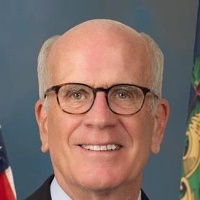
Peter Welch
Senator
VT
Peter Welch
Senator
VT
This bill aims to modernize the Federal Aviation Administration's (FAA) aircraft type certification process to better support new technologies. It mandates increased transparency, establishes standard timelines for key certification steps, and updates criteria for technical issue papers. Furthermore, the legislation requires updated guidance on the FAA's delegation of certification authority to industry stakeholders.
This act establishes minimum nurse staffing requirements for nursing homes, ensures permanent funding for inspections, and dedicates civil money penalties to support the nursing home workforce.
Ron Wyden
Senator
OR
Ron Wyden
Senator
OR
The Nurses Belong in Nursing Homes Act establishes mandatory minimum nurse staffing levels for nursing homes, including 24-hour registered nurse coverage. It also permanently funds the inspection and certification program for healthcare facilities. Finally, the bill directs states to use a portion of collected civil money penalties to fund nursing home workforce recruitment, education, and retention programs.