This act prohibits the Department of Justice from conditioning grant awards on compliance with specific immigration-related statutes, presidential memoranda, or executive orders.
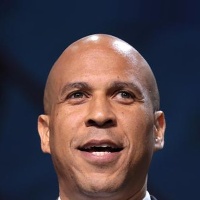
Cory Booker
Senator
NJ
The Federal Grant Neutrality Act prevents the Department of Justice from conditioning the award of its grants on an entity's compliance with specific presidential directives or certain sections of immigration law. This legislation ensures that eligibility for DOJ funding is not tied to adherence to presidential memoranda or Executive orders.
Federal Grant Neutrality Act Ends Immigration Compliance Mandates for DOJ Funding Recipients
The Federal Grant Neutrality Act is a direct hit on the 'power of the purse' currently held by the executive branch. Specifically, Section 2 of the bill prohibits the Attorney General from requiring any person or local government to comply with Section 642 of the Illegal Immigration Reform and Immigrant Responsibility Act of 1996 as a condition for receiving Department of Justice (DOJ) grants. It doesn’t stop there; it also bars the DOJ from forcing grant seekers to follow any Presidential memorandum or Executive order as a prerequisite for funding. In plain English, if a city or organization applies for federal money to upgrade their police equipment or run a community safety program, the federal government can no longer use that money as leverage to force them to cooperate with federal immigration enforcement.
Breaking the Chain of Command
Under current practices, the federal government often attaches 'strings' to its money. For example, a local police department might be told they can only get a $500,000 grant for new patrol cars if they agree to share information with ICE or follow specific White House directives. This bill effectively cuts those strings. By explicitly mentioning Section 642—which focuses on the exchange of information between government agencies and federal immigration authorities—the bill ensures that local entities can take DOJ money without having to certify that they are helping out with federal immigration tasks. For a local sheriff in a busy county, this could mean more money for local priorities without being forced to divert staff to handle federal paperwork they didn't sign up for.
A Shift in Power and Accountability
This change represents a significant shift in how federal policy is enforced on the ground. Because the bill also prevents the enforcement of 'any' Presidential Executive order or memorandum in the grant process, it limits a President’s ability to implement new policies quickly through the DOJ. While this might streamline the application process for a non-profit running a victim services program, it also creates a scenario where federal funds could flow to entities that are actively ignoring national immigration laws or White House safety initiatives. The bill ensures that eligibility is based on the grant’s purpose rather than the applicant’s alignment with the current administration’s immigration stance.
Practical Hurdles and Local Impact
The immediate effect will likely be felt by local governments and law enforcement agencies that have previously been caught in the middle of 'sanctuary city' funding battles. If you’re a taxpayer in a city that lost out on public safety grants because of local policies, this bill would theoretically open those federal coffers back up. However, the challenge lies in the potential for a fragmented system. If the DOJ can’t use grants to ensure everyone is on the same page regarding immigration reporting, we could see a wider gap in how different states and cities handle federal law, leading to a patchwork of enforcement that varies depending on which side of a county line you’re standing on.