This resolution designates the week of February 2 through 6, 2026, as National School Counseling Week to recognize the vital role school counselors play in student development and success.
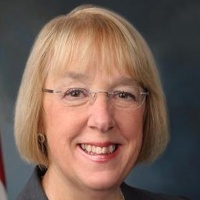
Patty Murray
Senator
WA
This resolution officially designates the week of February 2 through 6, 2026, as "National School Counseling Week." It recognizes the vital role school counselors play in supporting students' academic, social-emotional, and career development. The measure aims to increase public awareness of the essential services school counselors provide despite often facing high student-to-counselor ratios.
Congress Designates February 2-6, 2026, as National School Counseling Week to Address 376-to-1 Student Ratios
This resolution officially marks the first week of February 2026 as a time to recognize school counselors, but it’s more than just a pat on the back. The text explicitly calls out a growing crisis in our hallways: the national average student-to-counselor ratio has hit 376 to 1. That is a massive gap compared to the 250-to-1 ratio recommended by the American School Counselor Association. By formalizing this week, the resolution aims to shine a light on the fact that these professionals are often the first line of defense against bullying, trauma, and the complex mental health challenges students face today.
More Than Just Schedule Changes
While many of us remember counselors mainly for fixing a botched class schedule, this resolution clarifies their modern role as high-stakes navigators. It specifically notes that counselors are responsible for guiding students through social-emotional development and career exploration, including the nitty-gritty of financial aid and scholarship applications. For a parent juggling a full-time job, having a counselor who can sit down with a teenager to explain the FAFSA or help them process a community tragedy isn't just a perk—it’s a necessity. The resolution acknowledges that these roles are frequently the first to be cut when local budgets get tight, often because their impact is misunderstood by the public.
Closing the Support Gap
The resolution encourages the public to observe the week with "appropriate ceremonies and activities," but the underlying message is a data-driven wake-up call. It highlights that counselors are uniquely trained to handle modern pressures like family deployments and school violence. By documenting the gap between current staffing levels and professional standards, the resolution sets the stage for a broader conversation about school funding and student safety. For the average worker or parent, this means recognizing that the person helping your kid through a mental health crisis or a college application is likely doing the work of two people, and this resolution is the first step in making that workload visible to the tax-paying public.