This resolution recognizes January 2026 as National Mentoring Month to raise awareness, recruit mentors, and promote quality mentoring programs for youth across the United States.
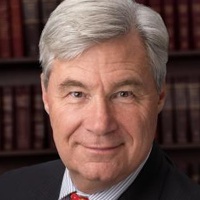
Sheldon Whitehouse
Senator
RI
This resolution officially recognizes January 2026 as National Mentoring Month to raise awareness and encourage the expansion of quality mentoring programs nationwide. It highlights the significant benefits mentoring provides for youth development, academic success, and community strength. The bill also acknowledges the vital role of volunteer mentors and supports efforts to close the gap for the millions of young people currently without one.
National Mentoring Month Resolution Targets 1.8 Million Youth Without Mentors for January 2026.
This resolution officially designates January 2026 as National Mentoring Month, aiming to spark a nationwide push for mentorship recruitment and program expansion. It highlights a stark reality: roughly 1.8 million young people in the U.S. (about 40 percent) are currently growing up without a mentor to guide them. By formalizing this month, the resolution seeks to bridge that gap by encouraging schools, workplaces, and community groups to invest in structured support systems for the next generation.
The Ripple Effect of a Role Model
The resolution outlines how quality mentoring acts as a catalyst for better life outcomes, specifically citing improvements in academic achievement, self-esteem, and mental health. For a student struggling to see a path forward, a mentor can provide the 'social capital'—the connections and soft skills—needed to navigate career goals and leadership opportunities. The text also notes that these benefits aren't just for the kids; about 70 percent of volunteer mentors report high personal satisfaction, and 76 percent end up recommending the experience to others, creating a cycle of community engagement that strengthens local social ties.
Targeted Support and Community Impact
Beyond general encouragement, the resolution emphasizes that mentoring is a critical tool for reducing juvenile delinquency and supporting vulnerable populations. It specifically mentions that for Alaska Native and American Indian youth, incorporating culture and heritage into mentoring programs leads to significantly better results. By promoting collaboration between the public, private, and nonprofit sectors, the resolution aims to funnel more resources into these specialized programs, ensuring that the 'mentoring gap' is closed for those who need it most, regardless of their background or geography.