
Legislative Activity
Track Mike's sponsored bills, co-sponsored legislation, and voting record
This bill expands Medicare coverage under Part B to pay qualified home infusion suppliers for augmentation therapy kits and nursing services for Medicare beneficiaries with Alpha-1 Antitrypsin Deficiency Disorder who require emphysema treatment in their homes.

Maria Salazar
Representative
FL
Maria Salazar
Representative
FL
The John W. Walsh Alpha-1 Home Infusion Act of 2025 amends Medicare to specifically cover augmentation therapy for individuals with severe Alpha-1 Antitrypsin Deficiency Disorder when administered in the home. This legislation establishes new payment rules under Medicare Part B for the necessary intravenous kits and associated nursing services. The goal is to ensure qualified home infusion suppliers are reimbursed directly for providing this essential, ongoing maintenance treatment.
This bill establishes national reciprocity for concealed carry permits, allowing individuals legally permitted to carry in their home state to carry a handgun in any other state that allows concealed carry.
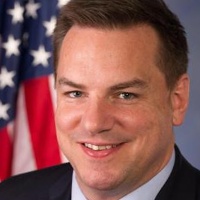
Richard Hudson
Representative
NC
Richard Hudson
Representative
NC
The Constitutional Concealed Carry Reciprocity Act of 2025 establishes a national standard for carrying concealed handguns across state lines. This act allows individuals legally permitted to carry in their home state to carry concealed in any other state that allows its residents to carry concealed firearms. The law does not override private property restrictions or prohibitions on government property, but it provides protections and legal recourse for those traveling in compliance with the new federal standard.
The Dietary Guidelines Reform Act of 2025 overhauls the development of official dietary guidelines, shifting the update cycle to every 10 years, mandating evidence-based review procedures, and establishing an independent advisory board for early updates.
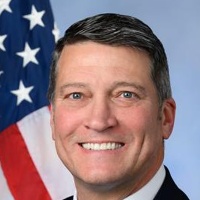
Ronny Jackson
Representative
TX
Ronny Jackson
Representative
TX
The Dietary Guidelines Reform Act of 2025 changes the required update cycle for official dietary guidelines from every five years to at least every ten years, requiring adherence to formal rulemaking procedures. The bill mandates that future guidelines must be based on rigorous, evidence-based scientific review and address accessibility and affordability for all populations. If updates occur sooner than the ten-year cycle, an independent, temporary advisory board must be established to submit guiding scientific questions. The Act also strictly limits the scope of the guidelines, excluding topics like taxation, social welfare, and food production methods.
This bill formalizes and expands the research and development coordination between the Department of Energy and NASA across key areas like advanced propulsion, quantum technology, and fundamental science.

Nicholas Begich
Representative
AK
Nicholas Begich
Representative
AK
The DOE and NASA Interagency Research Coordination Act formalizes collaboration between the Department of Energy and NASA on critical research and development projects. This bill authorizes the two agencies to jointly pursue advancements in areas like advanced propulsion, quantum technology, and fundamental science through competitive awards. The coordination aims to leverage the unique capabilities of both agencies to achieve shared mission goals and requires a public report on progress two years after enactment.
This Act mandates that states verify the continued existence of Medicaid providers by checking the federal Death Master File at enrollment and quarterly thereafter to prevent fraudulent payments.

Scott Peters
Representative
CA
Scott Peters
Representative
CA
The Medicare and Medicaid Fraud Prevention Act mandates that states implement rigorous screening for all enrolled healthcare providers. Specifically, this legislation requires states to verify that all Medicaid providers are alive by checking the federal Death Master File upon enrollment and at least quarterly thereafter. This measure aims to prevent fraudulent payments made to deceased individuals or entities.
This bill revises physician self-referral rules to create a special exemption for certain rural, physician-owned hospitals and removes expansion restrictions for existing physician-owned hospitals.
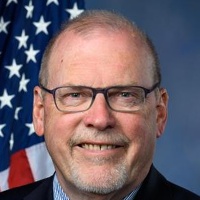
H. Griffith
Representative
VA
H. Griffith
Representative
VA
The Physician Led and Rural Access to Quality Care Act revises physician self-referral rules to improve healthcare access in underserved areas. Specifically, it creates a new exception allowing physician self-referrals to hospitals located in designated rural areas that meet specific distance requirements. Furthermore, the bill removes existing restrictions that previously limited the expansion of services at physician-owned hospitals.
This Act eliminates the waiting periods for Social Security disability benefits and Medicare coverage for individuals diagnosed with metastatic breast cancer.
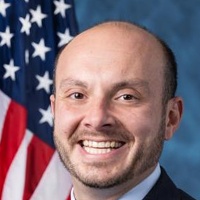
Andrew Garbarino
Representative
NY
Andrew Garbarino
Representative
NY
The Metastatic Breast Cancer Access to Care Act aims to improve support for individuals diagnosed with metastatic breast cancer. This bill eliminates the standard waiting period for receiving Social Security disability insurance benefits and waives the 24-month waiting period for Medicare coverage. These changes ensure immediate access to crucial financial and healthcare support upon diagnosis.
The REDI Act allows medical and dental interns and residents to defer both principal and interest payments on their student loans while in training.
Brian Babin
Representative
TX
Brian Babin
Representative
TX
The Resident Education Deferred Interest (REDI) Act amends federal student loan regulations to provide a specific deferment for medical and dental residents. This allows borrowers currently serving in an internship or residency program to pause principal payments and prevent interest accrual on their student loans during that training period.
This bill mandates salary reductions for Members of Congress when the national debt limit is reached or during a government shutdown, with special temporary rules applying to the 119th Congress.
Eugene Vindman
Representative
VA
Eugene Vindman
Representative
VA
This bill mandates automatic pay reductions for Members of Congress if the nation hits the public debt limit or experiences a government shutdown. The pay cut is calculated based on one day's salary multiplied by the number of days the crisis lasts. Special, temporary escrow rules apply to the 119th Congress to address constitutional concerns, with general rules taking full effect after the November 2026 election. The Secretary of the Treasury is required to assist congressional payroll offices in implementing these provisions.
This act allows State homes caring for veterans to choose between direct reimbursement or direct furnishing of high-cost medications.
Mariannette Miller-Meeks
Representative
IA
Mariannette Miller-Meeks
Representative
IA
The Providing Veterans Essential Medications Act allows State homes caring for veterans to choose how they receive reimbursement for very high-cost medications. State homes can opt to be reimbursed directly for the medication's cost or have the Secretary of the VA furnish the drug directly. This provision applies only when the cost of a specific medication exceeds a defined threshold relative to the standard monthly payment for that veteran's care.
The "End FEMA Benefits for Illegal Immigrants Act" terminates FEMA's program that funds shelter services for individuals awaiting immigration processing and redirects unspent funds.
Michael Cloud
Representative
TX
Michael Cloud
Representative
TX
The "End FEMA Benefits for Illegal Immigrants Act" terminates FEMA's program that funds shelters and services for migrants, which aimed to reduce overcrowding in Customs and Border Protection facilities. It also rescinds any remaining funds allocated to FEMA from previous appropriations acts that were intended for Customs and Border Protection operations.
The SCREEN Act requires online platforms that host or provide pornographic content to implement technology to verify users' ages and prevent minors from accessing harmful material.
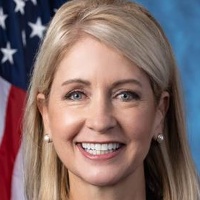
Mary Miller
Representative
IL
Mary Miller
Representative
IL
The SCREEN Act requires online platforms that host or provide pornographic content to implement technology verification measures to prevent minors from accessing harmful material. It mandates that these platforms use reliable age verification methods, undergo regular audits by the Federal Trade Commission (FTC) to ensure compliance, and protect user data collected during the verification process. The FTC is responsible for enforcing the Act, and the Government Accountability Office (GAO) must report to Congress on the effectiveness and impact of these measures. This act aims to protect children from the harmful effects of online pornography.
To award a Congressional Gold Medal to the 761st Tank Battalion, the first Black soldiers to serve in an American armored unit, for their valor and crucial contributions to the Allied victory in Europe.
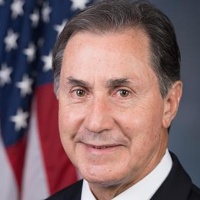
Gary Palmer
Representative
AL
Gary Palmer
Representative
AL
This bill authorizes the Speaker of the House and the President pro tempore of the Senate to award a Congressional Gold Medal to the 761st Tank Battalion, also known as the "Black Panthers," in recognition of their courageous service and crucial contributions during World War II. The medal will be given to the National Museum of African American History and Culture for display, honoring the 761st as the first Black soldiers to serve in an American armored unit and their significant role in the Allied victory in Europe. The bill also allows for the creation and sale of bronze duplicates of the medal to support the United States Mint Public Enterprise Fund.
This bill ensures Medicare patients can continue receiving physical therapy services without interruption by allowing temporary substitute therapists ("locum tenens") to be covered when a physical therapist is temporarily unavailable.

Gus Bilirakis
Representative
FL
Gus Bilirakis
Representative
FL
The "Prevent Interruptions in Physical Therapy Act of 2025" ensures Medicare beneficiaries can continue receiving uninterrupted physical therapy services. It allows physical therapists to utilize temporary staffing arrangements, known as "locum tenens," when the regular therapist is temporarily unavailable. This ensures Medicare payments for services provided by qualified substitute physical therapists, maintaining consistent care for patients.
The "Accelerating Kids’ Access to Care Act of 2025" streamlines Medicaid and CHIP enrollment for out-of-state providers, increasing healthcare access for children.
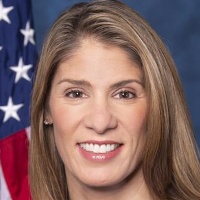
Lori Trahan
Representative
MA
Lori Trahan
Representative
MA
The "Accelerating Kids Access to Care Act of 2025" streamlines the enrollment process for out-of-state healthcare providers in Medicaid and CHIP, ensuring children under 21 have access to care from eligible providers across state lines. By reducing administrative burdens and unnecessary screening requirements, the Act aims to improve healthcare access for children while maintaining necessary safeguards against fraud and abuse. Participating providers will be enrolled for a 5-year period, and the changes will take effect three years after the Act's enactment.
This bill equalizes the negotiation period for drug price negotiations under the Drug Price Negotiation Program by extending the period for small-molecule drugs from 7 years to 11 years, matching that of biologic drugs.
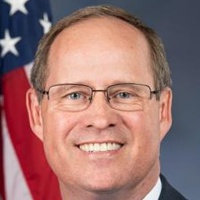
Gregory Murphy
Representative
NC
Gregory Murphy
Representative
NC
This bill amends the Social Security Act to equalize the negotiation period for drug price negotiations under the Drug Price Negotiation Program. It changes the negotiation period for small-molecule drugs from 7 years to 11 years, matching the period already in place for biologic drugs. This adjustment aims to create parity in negotiation timelines between different types of medications, effective as if included in the original legislation.
This bill authorizes the creation of a Congressional Gold Medal to honor the volunteers and communities involved with the North Platte Canteen during World War II.

Adrian Smith
Representative
NE
Adrian Smith
Representative
NE
The North Platte Canteen Congressional Gold Medal Act recognizes and honors the volunteers and donors of the North Platte Canteen in Nebraska during World War II with a Congressional Gold Medal. This medal will be presented by the Speaker of the House and the President pro tempore of the Senate, and then displayed at the Lincoln County Historical Museum. The Act also authorizes the creation and sale of bronze duplicates of the gold medal to cover production costs, with proceeds deposited into the Mint's Public Enterprise Fund.
The "Downwinders Parity Act of 2025" amends the Radiation Exposure Compensation Act to expand coverage areas and extends the trust fund until December 31, 2030.

Paul Gosar
Representative
AZ
Paul Gosar
Representative
AZ
The "Downwinders Parity Act of 2025" amends the Radiation Exposure Compensation Act to expand coverage areas to include all acreage in counties partially within the covered area, while removing specific townships. It extends the trust fund supporting the Act until December 31, 2030. Additionally, it requires the Attorney General to report on outreach efforts to newly eligible individuals.
The bill would require certain Medicaid recipients to work, volunteer, or participate in a work program for at least 80 hours a month to maintain eligibility.
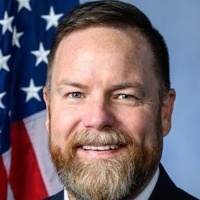
Aaron Bean
Representative
FL
Aaron Bean
Representative
FL
This bill amends the Social Security Act to require certain adults on Medicaid to complete 80 hours per month of work, community service, or a work program to maintain eligibility. Federal funding to states would be denied for those who do not meet this "community engagement requirement" for at least 3 months of the year. Certain individuals, such as those under 18 or over 65, pregnant individuals, and those with disabilities, are exempt from this requirement. States have the option to disenroll individuals if federal funding is unavailable due to non-compliance.
The "National Right-to-Work Act" prohibits mandatory union membership as a condition of employment, protecting employees' rights to choose whether or not to join or support a labor union.
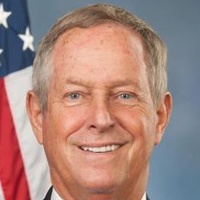
Joe Wilson
Representative
SC
Joe Wilson
Representative
SC
The "National Right-to-Work Act" amends both the National Labor Relations Act and the Railway Labor Act to protect an employee's right to choose whether or not to join or support a labor union. It eliminates the possibility of mandatory union membership or dues payments as a condition of employment, ensuring that employees cannot be forced to join or support a union against their will.