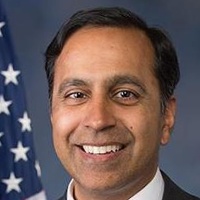
Legislative Activity
Track Raja's sponsored bills, co-sponsored legislation, and voting record
This resolution expresses the House's support for the International Atomic Energy Agency's vital role in global nuclear security and urges member states to provide reliable resources for its work.
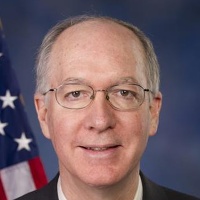
Bill Foster
Representative
IL
Bill Foster
Representative
IL
This resolution expresses the sense of the House of Representatives in strong support of the International Atomic Energy Agency's (IAEA) vital role in global nuclear security. It recognizes the ongoing threat posed by illicit nuclear material and encourages the U.S. and other member states to ensure the IAEA has reliable and sufficient resources, including through the Nuclear Security Fund, to fulfill its mission.
The PRIMATE Act generally bans the importation of live nonhuman primates into the U.S., with a narrow exception for accredited zoos and aquariums that certify the animals will not be used for experiments or testing.
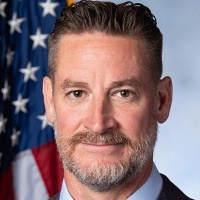
W. Steube
Representative
FL
W. Steube
Representative
FL
The PRIMATE Act generally bans the importation of live nonhuman primates into the United States to prevent toxic exposures. This prohibition includes a narrow exception allowing importation only by AZA-accredited facilities under strict conditions regarding the animal's future use. Violations of this ban are subject to significant civil penalties and forfeiture of the illegally imported primates.
This bill establishes a whistleblower incentive and protection program within the Department of Commerce to encourage reporting of violations of U.S. export control laws, particularly concerning advanced AI chips.
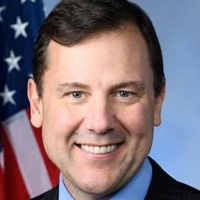
Thomas Kean
Representative
NJ
Thomas Kean
Representative
NJ
This bill, the "Stop Stealing our Chips Act," establishes a new whistleblower incentive and protection program within the Department of Commerce. It rewards individuals who provide original information leading to successful enforcement actions against violations of U.S. export control laws, particularly concerning advanced AI chips. The legislation also prohibits employers from retaliating against whistleblowers who report these violations.
This Act establishes a five-year program to significantly increase the number of U.S. export control officers stationed overseas to enhance enforcement and prevent the diversion of controlled American items.

Sydney Kamlager-Dove
Representative
CA
Sydney Kamlager-Dove
Representative
CA
The Export Controls Enforcement Act addresses the critical shortage of overseas personnel responsible for verifying that controlled U.S. exports are used as intended. This bill establishes a new, five-year Export Control Officer Program to significantly increase the number of officers stationed abroad. These officers will conduct essential end-use checks, advise foreign partners, and help prevent the diversion of sensitive American technology.
This resolution expresses support for honoring Earth Day while affirming Congress's commitment to environmental protection, climate action, and reversing recent environmental rollbacks.

Doris Matsui
Representative
CA
Doris Matsui
Representative
CA
This resolution expresses support for honoring Earth Day and reaffirms Congress's commitment to environmental protection and sustainability. It recognizes the historical impact of Earth Day on the modern environmental movement and calls for continued action against threats like climate change and pollution. The bill urges immediate steps to reduce emissions, address environmental injustices, and ensure a healthy planet for future generations.
This act extends eligibility for various Department of Veterans Affairs benefits to former service members discharged solely due to their sexual orientation or gender identity.
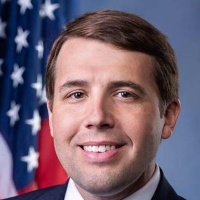
Chris Pappas
Representative
NH
Chris Pappas
Representative
NH
The Securing the Rights our Veterans Earned Act (SERVE Act) extends eligibility for key Department of Veterans Affairs (VA) benefits to former service members who were discharged based on their sexual orientation or gender identity. This includes access to hospital care, mental health services, national cemetery burial, Post-9/11 GI Bill education assistance, and housing loans. The bill also mandates the VA Secretary to conduct outreach regarding these newly available benefits.
This Act establishes federal programs to address the impact of climate change risks, like extreme heat and pollution, on maternal and infant health through grants, education, research, and risk zone identification.

Lauren Underwood
Representative
IL
Lauren Underwood
Representative
IL
The Protecting Moms and Babies Against Climate Change Act directs the Department of Health and Human Services to address how climate change risks, like extreme heat and pollution, harm maternal and infant health. The bill establishes grant programs to support local efforts and education, and mandates research and strategies to identify high-risk zones for pregnant individuals and young children. Its goal is to reduce adverse outcomes such as preterm birth, low birth weight, and maternal mortality linked to climate change.
This bill mandates a 15 percent increase in the annual base pay for all career Transportation Security Administration (TSA) employees.

Al Green
Representative
TX
Al Green
Representative
TX
This bill, officially titled the "Original Legislation to Give TSA Employees a Raise," mandates a 15 percent increase to the annual base pay for all TSA career employees and corresponding pay bands. This pay raise will take effect starting with the first pay period immediately following the law's enactment.
This resolution directs the President to remove U.S. Armed Forces from hostilities with Iran, unless necessary for imminent self-defense.
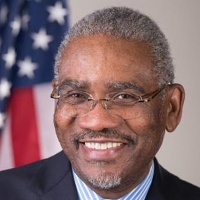
Gregory Meeks
Representative
NY
Gregory Meeks
Representative
NY
This resolution directs the President, under the War Powers Resolution, to remove U.S. Armed Forces from hostilities involving Iran. The order mandates withdrawal unless forces are necessary for imminent self-defense of the U.S. or its allies. Any continued defensive action must comply with existing War Powers reporting requirements.
This resolution censures President Trump and Special Envoy Witkoff for violating the Foreign Emoluments Clause by accepting undisclosed payments from the UAE and demands they divest from related foreign business interests.
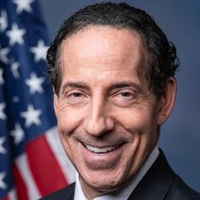
Jamie Raskin
Representative
MD
Jamie Raskin
Representative
MD
This resolution expresses the sense of the House that President Trump and Special Envoy Witkoff violated the Foreign Emoluments Clause by accepting undisclosed payments linked to a secret deal with an entity substantially funded by the UAE. It demands they immediately turn over all such payments to the Treasury and divest from any business interests connected to foreign governments. The bill cites specific financial transactions and subsequent U.S. policy actions favoring the UAE as evidence of a grave conflict of interest.
This bill supports designating "Black Maternal Health Week" to highlight the urgent need to address and reduce the severe maternal mortality and morbidity crisis disproportionately affecting Black women and birthing people in the United States.
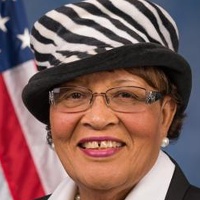
Alma Adams
Representative
NC
Alma Adams
Representative
NC
This bill supports designating a week in April 2026 as "Black Maternal Health Week" to focus national attention on the severe maternal health crisis facing Black women. It highlights the unacceptable and unjust disparities in maternal mortality and morbidity rates among Black women due to structural racism and inequities. The legislation urges Congress to invest in comprehensive maternal care and pass legislation, like the Momnibus Act, grounded in human rights and reproductive justice.
This resolution expresses the House's view that the Department of Justice must refuse to administratively settle President Trump's personal legal claims against the U.S. government due to the Domestic Emoluments Clause.
Jamie Raskin
Representative
MD
Jamie Raskin
Representative
MD
This resolution expresses the sense of the House that the Department of Justice must comply with the Domestic Emoluments Clause. It specifically calls for the DOJ to refuse to administratively settle the billions of dollars in legal claims filed against the United States by President Donald Trump. The bill asserts that allowing the President to settle his own personal claims against the government constitutes an unconstitutional conflict of interest.
The Tech to Save Moms Act establishes grant programs and mandates studies to leverage technology, telehealth, and collaborative learning models to reduce maternal mortality and severe maternal morbidity, especially among minority groups.
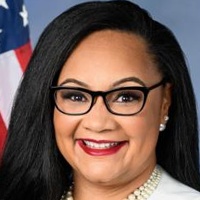
Nikema Williams
Representative
GA
Nikema Williams
Representative
GA
The Tech to Save Moms Act establishes grant programs to improve maternal health outcomes by leveraging technology for better identification, monitoring, and response to pregnancy-related risks. It directs the Secretary of HHS to fund projects using remote monitoring, telehealth, and digital tools to reduce maternal mortality and severe morbidity, with a focus on underserved populations. The legislation also mandates studies and reports on integrating technology into maternity care and improving telehealth models for Medicaid recipients.
This resolution commemorates the 5-year remembrance of the Indianapolis FedEx mass shooting, denounces all forms of anti-Asian hate, and calls for enhanced federal support to combat hate crimes and protect targeted communities.

Pramila Jayapal
Representative
WA
Pramila Jayapal
Representative
WA
This resolution commemorates the five-year remembrance of the 2021 Indianapolis FedEx mass shooting, which tragically killed eight people, many of whom were Sikh. It strongly denounces all forms of anti-Asian hate, discrimination, and violence targeting South Asian communities. Furthermore, the resolution calls for strengthening federal programs to combat hate crimes and reaffirms the commitment to protecting the civil rights of all communities.
This bill mandates that the EPA incorporate future climate change risks and extreme weather hazards into the selection and review of Superfund hazardous waste site cleanups.
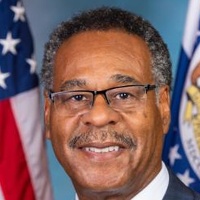
Emanuel Cleaver
Representative
MO
Emanuel Cleaver
Representative
MO
The Preparing Superfund for Climate Change Act of 2026 amends the Superfund law to mandate that the EPA consider the risks posed by local natural disasters and extreme weather, exacerbated by climate change, when selecting and reviewing hazardous waste cleanup methods. This ensures that cleanups are designed to remain protective against future climate-related threats.
This bill officially renames the United States Postal Service facility at 14855 South Van Dyke Road in Plainfield, Illinois, as the Staff Sergeant Jose Dueñez Jr. Post Office Building.
Lauren Underwood
Representative
IL
Lauren Underwood
Representative
IL
This bill officially renames the United States Postal Service facility located at 14855 South Van Dyke Road in Plainfield, Illinois. The facility will now be known as the Staff Sergeant Jose Dueñez Jr. Post Office Building. This designation will apply to all official federal references to the building.
This resolution seeks to nullify the Department of Education’s recent rule regarding the William D. Ford Federal Direct Loan Program.
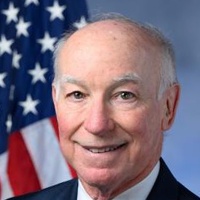
Joe Courtney
Representative
CT
Joe Courtney
Representative
CT
This resolution seeks to exercise congressional disapproval of the Department of Education’s recent rule regarding the William D. Ford Federal Direct Loan Program. If passed, the resolution would nullify the rule, rendering it without force or effect.
This resolution supports the goals of Glisten’s 2026 Day of Silence by advocating for inclusive, safe, and anti-discriminatory K-12 school policies that protect LGBTQI+ students from bullying and harassment.
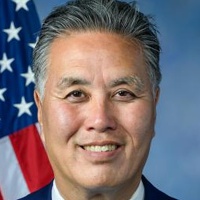
Mark Takano
Representative
CA
Mark Takano
Representative
CA
This resolution supports the goals and ideals of Glisten’s 2026 Day of Silence, which seeks to highlight and combat the bullying, harassment, and discrimination faced by LGBTQI+ students in K-12 schools. It calls on communities and policymakers nationwide to demand equal educational opportunities and the implementation of inclusive policies that ensure all students can learn in a safe, affirming environment.
This Act establishes a federal program providing temporary income support and retraining for workers impacted by public health emergencies, while also expanding grants to address workforce needs related to substance use disorders.
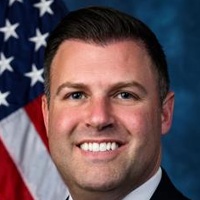
Ryan Mackenzie
Representative
PA
Ryan Mackenzie
Representative
PA
The Workforce Recovery and Resilience Act establishes a federal program to provide temporary income support and retraining opportunities for workers impacted by public health emergencies. It offers weekly cash payments to eligible unemployed or underemployed individuals and subsidizes employers who maintain hours for their staff. Additionally, the Act expands federal grants to support employment and training activities related to substance use disorders in affected communities.
This bill mandates a comprehensive study by the Department of Health and Human Services to identify and address barriers to accessing effective pain management during gynecologic procedures.
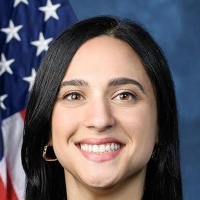
Yassamin Ansari
Representative
AZ
Yassamin Ansari
Representative
AZ
The Gynecologic Pain Management Study Act directs the Secretary of Health and Human Services to conduct a comprehensive study on the barriers patients and providers face regarding pain management during gynecologic procedures. By consulting with diverse stakeholders, the study aims to identify these challenges and provide actionable recommendations to Congress. The final report will help inform future legislative and administrative efforts to improve patient care and accessibility.