Legislative Activity
Track William's sponsored bills, co-sponsored legislation, and voting record
This bill prohibits using federal funds for specific settlement payments, particularly those related to the *Trump, et al. v. IRS, et al.* case, and restricts certain compromise settlements from the Judgment Fund to high-ranking officials and specific types of claims.
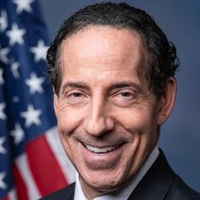
Jamie Raskin
Representative
MD
Jamie Raskin
Representative
MD
This Act prohibits the use of federal funds for specific settlement payments, including those related to the *Trump, et al. v. IRS, et al.* case. It places new restrictions on the Judgment Fund, barring payments to high-ranking officials, their relatives, and certain entities for specific types of claims. The bill also establishes strict reporting and notification requirements for large government compromise settlements.
This act streamlines the transfer of U.S. defense articles and services between Estonia, Latvia, and Lithuania and establishes a shared ammunition system to enhance regional military readiness and deterrence against Russian aggression.
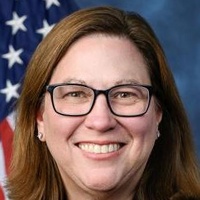
Julie Johnson
Representative
TX
Julie Johnson
Representative
TX
The FORTIFY Act streamlines defense cooperation among Estonia, Latvia, and Lithuania by removing the requirement for Presidential consent for the transfer of U.S.-provided defense articles and services between these Baltic states. This legislation aims to enhance regional security and deter aggression by allowing the Baltic nations to more flexibly share military assets. It also mandates the creation of a shared ammunition system among the three allies.
This bill officially names the United States Chancery building in Pristina, Kosovo, the "Eliot L. Engel Building."
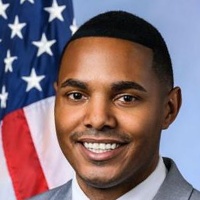
Ritchie Torres
Representative
NY
Ritchie Torres
Representative
NY
This bill officially designates the United States Chancery building in Pristina, Kosovo, as the "Eliot L. Engel Building." It ensures all official federal records are updated to reflect this new name.
The YALI Act of 2025 establishes and expands the Young African Leaders Initiative to invest in sub-Saharan African leaders through training, networking, and fellowships like the Mandela Washington Fellowship, while also setting up regional centers and requiring regular progress reports.
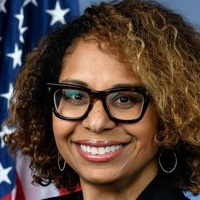
Sydney Kamlager-Dove
Representative
CA
Sydney Kamlager-Dove
Representative
CA
The YALI Act of 2025 formally establishes and expands the Young African Leaders Initiative to invest in emerging African leaders across sub-Saharan Africa. This legislation mandates the creation of professional development, training, and networking opportunities focused on business, civic engagement, and public administration. The bill specifically supports the Mandela Washington Fellowship and requires the establishment of regional leadership centers and online networks to foster ongoing engagement and U.S.-Africa ties.
This act establishes universal free breakfast and lunch programs in schools, eliminates meal debt, and updates poverty metrics across various federal education and nutrition programs.

Ilhan Omar
Representative
MN
Ilhan Omar
Representative
MN
The Universal School Meals Program Act of 2026 establishes permanent, universal free breakfast and lunch programs for all enrolled students at participating schools, eliminating income tests and meal debt collection. The bill significantly updates federal funding mechanisms by replacing reliance on free and reduced-price lunch data with new measures for identifying economically disadvantaged students across various education and social programs. Furthermore, it expands access to summer and afterschool meals while making technical amendments across several federal education and nutrition laws.
This bill extends the Work Opportunity Tax Credit to employers who hire qualifying veterans for jobs in the renewable energy sector.
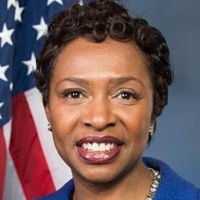
Yvette Clarke
Representative
NY
Yvette Clarke
Representative
NY
The Incentives for our Nation’s Veterans in Energy Sustainability Technologies (INVEST) Act extends the Work Opportunity Tax Credit to employers who hire qualified veterans for jobs in the renewable energy sector. This provision aims to incentivize the hiring of veterans whose military or educational backgrounds align with skills needed in sustainable energy fields. The bill also outlines provisions for compensating U.S. territories for any resulting revenue loss.
This bill limits drug costs for TRICARE beneficiaries and veterans to Medicare Part D negotiated prices and caps federal procurement prices for drugs covered under the Medicare Drug Price Negotiation Program.
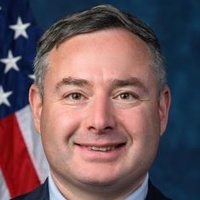
Eugene Vindman
Representative
VA
Eugene Vindman
Representative
VA
The MISSION Rx Act aims to lower prescription drug costs for servicemembers, veterans, and federal procurement programs. It caps the cost-sharing amounts paid by TRICARE beneficiaries and veterans for certain drugs at the level paid by Medicare Part D beneficiaries. Furthermore, the bill limits the price federal agencies pay for these same negotiated drugs under existing procurement agreements.
The FORGE Act establishes the Foundational Infrastructure for Responsible Use of Small Modular Reactor Technology (FIRST) program within the Department of State to promote the responsible international deployment of U.S. civil nuclear energy technology.
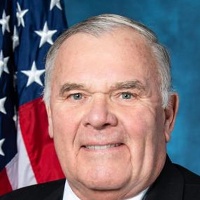
James Baird
Representative
IN
James Baird
Representative
IN
The FORGE Act establishes the Foundational Infrastructure for Responsible Use of Small Modular Reactor Technology (FIRST) program within the Department of State. This program aims to promote the responsible international deployment of U.S. civil nuclear energy, particularly Small Modular Reactors. It focuses on advocating for U.S. technology abroad while ensuring partner countries adhere to high safety and nonproliferation standards.
This resolution expresses support for designating May 2026 as National Brain Tumor Awareness Month to increase public awareness and support research for brain tumors.

Mike Quigley
Representative
IL
Mike Quigley
Representative
IL
This resolution expresses support for designating May 2026 as National Brain Tumor Awareness Month. The measure aims to increase public awareness regarding the significant impact of brain tumors and the urgent need for advances in research and treatment. It honors those affected by brain tumors and supports efforts to improve outcomes for patients.
This bill temporarily suspends the federal gasoline excise tax when prices exceed \$3.99 per gallon while simultaneously prohibiting certain tax deductions and credits for oil and gas companies during those periods.
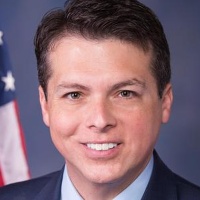
Brendan Boyle
Representative
PA
Brendan Boyle
Representative
PA
This bill temporarily suspends the federal excise tax on gasoline when the national average price exceeds \$3.99 per gallon, with the reduction matching the amount the price is over the threshold. To offset lost revenue, the general fund will reimburse the Highway Trust Fund and the Leaking Underground Storage Tank Trust Fund. Furthermore, during these high-price periods, certain tax deductions and credits for oil and gas companies will be suspended.
This bill nullifies three specific Department of State rules regarding foreign assistance, effectively voiding their implementation and preventing enforcement of similar future policies.
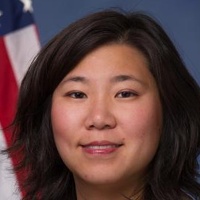
Grace Meng
Representative
NY
Grace Meng
Representative
NY
This Act nullifies three specific Department of State rules concerning foreign assistance, effectively treating them as if they never existed. It prohibits any federal agency from implementing or enforcing these rules, or any substantially similar future policies. The legislation aims to prevent the enforcement of rules related to "Protecting Life," "Discriminatory Equity Ideology," and "Gender Ideology" in foreign aid.
This Act establishes grant programs to support career and technical education for clean energy jobs and to upgrade educational facilities with renewable energy practices.
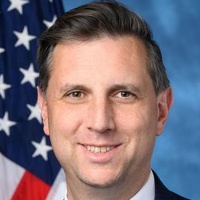
Seth Magaziner
Representative
RI
Seth Magaziner
Representative
RI
The Clean Energy Workforce Act establishes grant programs to bolster career and technical education for jobs in clean energy and related fields. These grants will support the development of specialized curricula and the modernization of educational facilities to align with renewable energy practices. The goal is to prepare students for in-demand careers in climate change mitigation, energy efficiency, and renewable energy sectors.
This bill authorizes increased federal funding for IDEA Parts C and Section 619 programs to restore per-child support for early intervention and preschool special education services.
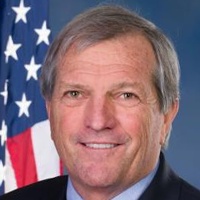
Mark DeSaulnier
Representative
CA
Mark DeSaulnier
Representative
CA
The Funding Early Childhood is the Right IDEA Act aims to restore critical federal funding for early intervention services (Part C) and preschool special education programs (Section 619) under the Individuals with Disabilities Education Act (IDEA). This legislation recognizes that high-quality early services significantly benefit children with disabilities and their families. The bill authorizes specific increased appropriations for both Part C and Section 619 programs through fiscal year 2031.
This resolution commends the Holy See for its diplomatic relationship with Taiwan and affirms Congressional support for its continuation, while recognizing Taiwan's strong record on religious freedom.
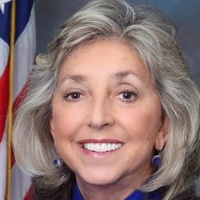
Dina Titus
Representative
NV
Dina Titus
Representative
NV
This resolution commends the Holy See for its enduring diplomatic relationship with Taiwan and affirms Congress's strong support for its preservation. It highlights Taiwan's exemplary record on religious freedom compared to the People's Republic of China. The bill encourages further high-level engagement between the Vatican and Taiwan to strengthen their partnership.
This Act mandates a comprehensive report to Congress detailing emerging military, cyber, and political threats to the Baltic states and recommending strategies to enhance their security and U.S. partnership.
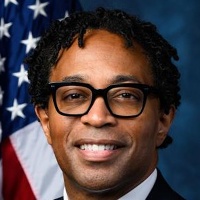
Wesley Bell
Representative
MO
Wesley Bell
Representative
MO
The Baltic Security Assessment Act of 2025 affirms the critical importance of Estonia, Latvia, and Lithuania to U.S. national security amidst Russian aggression. This bill mandates that the Secretary of State and Secretary of Defense deliver a comprehensive report to Congress detailing emerging military, cyber, and political threats to the Baltic states. The report must also recommend specific actions to enhance U.S. and NATO defense cooperation and bolster Baltic resilience.
This Act establishes federal programs to address the impact of climate change risks, like extreme heat and pollution, on maternal and infant health through grants, education, research, and risk zone identification.
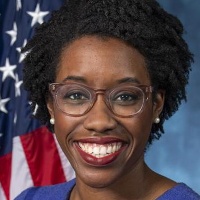
Lauren Underwood
Representative
IL
Lauren Underwood
Representative
IL
The Protecting Moms and Babies Against Climate Change Act directs the Department of Health and Human Services to address how climate change risks, like extreme heat and pollution, harm maternal and infant health. The bill establishes grant programs to support local efforts and education, and mandates research and strategies to identify high-risk zones for pregnant individuals and young children. Its goal is to reduce adverse outcomes such as preterm birth, low birth weight, and maternal mortality linked to climate change.
This act establishes and expands a federal grant program to improve civics education in K-12 schools, emphasizing hands-on learning and the history of the civil rights movement.
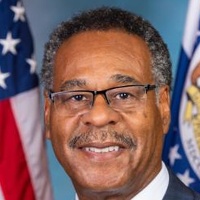
Emanuel Cleaver
Representative
MO
Emanuel Cleaver
Representative
MO
The Civics Learning Act of 2026 aims to combat political polarization and strengthen democracy by improving civics education nationwide. This bill amends existing law to expand a federal grant program, prioritizing funding for innovative, hands-on civics learning in high-need schools. Funds will support activities covering the Constitution, the Bill of Rights, and the history of the civil rights movement. The legislation authorizes $70 million for fiscal year 2027 to support these essential educational efforts.
This resolution directs the President to remove U.S. Armed Forces from hostilities with Iran, unless necessary for imminent self-defense.
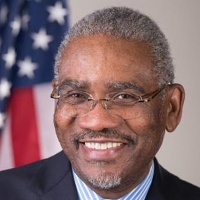
Gregory Meeks
Representative
NY
Gregory Meeks
Representative
NY
This resolution directs the President, under the War Powers Resolution, to remove U.S. Armed Forces from hostilities involving Iran. The order mandates withdrawal unless forces are necessary for imminent self-defense of the U.S. or its allies. Any continued defensive action must comply with existing War Powers reporting requirements.
This bill celebrates the 50th anniversary of the Magnuson-Stevens Fishery Conservation and Management Act and reaffirms commitment to its science-based framework for sustainable and profitable U.S. fisheries.
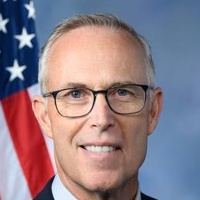
Jared Huffman
Representative
CA
Jared Huffman
Representative
CA
This resolution celebrates the 50th anniversary of the Magnuson-Stevens Fishery Conservation and Management Act (MSA), recognizing its crucial role in establishing sustainable and profitable U.S. fisheries management. The MSA has successfully prevented overfishing, rebuilt numerous fish stocks, and secured the economic and cultural importance of marine resources. Congress reaffirms its commitment to strengthening this vital, science-based law to address modern challenges facing American fishing communities.
This bill mandates comprehensive safety upgrades for civilian and military aviation, focusing on collision avoidance technology, air traffic control training, and enhanced airspace transparency, particularly around high-traffic airports.
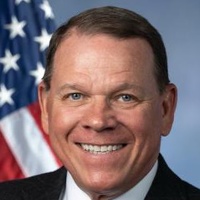
Sam Graves
Representative
MO
Sam Graves
Representative
MO
The Airspace Location and Enhanced Risk Transparency Act of 2026 mandates significant safety upgrades across both civilian and military aviation to prevent midair collisions. It requires the FAA to implement advanced collision avoidance systems and new air traffic controller training, while also compelling the Department of Defense to equip most military helicopters with transponders for increased visibility. The bill establishes new transparency measures, including public tracking of safety rule implementation and enhanced reporting on near-miss incidents, particularly around major airports like Reagan National.