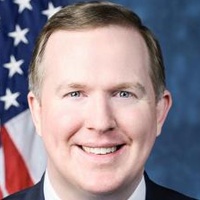
Legislative Activity
Track Brian's sponsored bills, co-sponsored legislation, and voting record
This bill reauthorizes and modifies federal programs to combat human trafficking by enhancing prevention education grants, establishing survivor employment and education support, and extending critical funding authorizations.
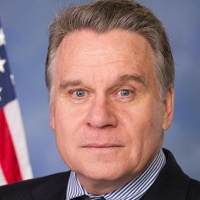
Christopher Smith
Representative
NJ
Christopher Smith
Representative
NJ
The Frederick Douglass Trafficking Victims Prevention and Protection Reauthorization Act of 2025 aims to strengthen efforts against human trafficking in the U.S. It renames and prioritizes grants for schools to educate students on recognizing and preventing trafficking, including online exploitation. The bill also establishes a new program to provide comprehensive employment, education, and life skills support for survivors. Finally, it extends and increases the authorization of appropriations for key anti-trafficking and victim assistance programs through Fiscal Year 2029.
The Safeguard American Voter Eligibility (SAVE) Act mandates that individuals registering to vote in federal elections must present documentary proof of U.S. citizenship.

Chip Roy
Representative
TX
Chip Roy
Representative
TX
The Safeguard American Voter Eligibility Act (SAVE Act) significantly amends federal law to require individuals registering to vote in federal elections to present documentary proof of U.S. citizenship. This legislation mandates that states actively clean their voter rolls and cooperate with federal agencies to verify citizenship status. It establishes new criminal penalties for officials who fail to enforce these documentation requirements.
This act requires the Postal Service to submit major service changes to the Postal Regulatory Commission for review and an advisory opinion before implementation, subject to Congressional oversight.
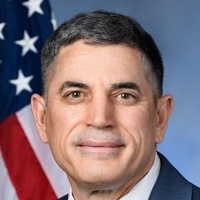
Andrew Clyde
Representative
GA
Andrew Clyde
Representative
GA
The Postal Service Transparency and Review Act requires the U.S. Postal Service to submit any proposed significant changes to mail service to the Postal Regulatory Commission (PRC) for review at least 180 days in advance. The USPS cannot spend money or implement the change until the PRC issues an advisory opinion. Furthermore, Congress retains the authority to disapprove of the proposed change through a joint resolution following the PRC's review.
This Act reauthorizes and modifies federal programs to enhance the prevention of human trafficking through updated educational grants and establishes a new employment and education program for survivors, while extending critical funding authorizations.
Christopher Smith
Representative
NJ
Christopher Smith
Representative
NJ
The Frederick Douglass Trafficking Victims Prevention and Protection Reauthorization Act of 2025 updates federal efforts to combat human trafficking by enhancing grant programs for schools to educate students and staff on prevention. It establishes a new program to provide comprehensive employment, education, and life skills support for survivors aged 18 and older. Furthermore, the bill extends and increases funding authorizations through Fiscal Year 2029 for critical anti-trafficking operations and housing assistance grants.
This Act redefines immediate relatives for immigration, caps family-sponsored visas, and creates a new, non-work, temporary visa for parents of adult U.S. citizens.
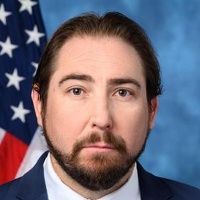
Eli Crane
Representative
AZ
Eli Crane
Representative
AZ
The Nuclear Family Priority Act significantly restructures U.S. family-based immigration by redefining "immediate relatives" to only include spouses and children of U.S. citizens, removing parents from that top category. It also establishes a new, temporary nonimmigrant visa for parents of adult U.S. citizens, which prohibits work and public benefits. Furthermore, the bill revises the annual cap for family-sponsored visas and makes numerous technical amendments across immigration law to align with these changes.
The PHIT Act of 2025 allows taxpayers to deduct up to \$1,000 annually for qualified expenses related to physical fitness, gym memberships, and exercise instruction to promote healthier lifestyles.
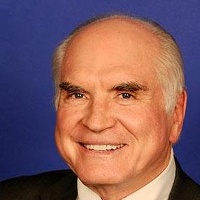
Mike Kelly
Representative
PA
Mike Kelly
Representative
PA
The Personal Health Investment Today Act of 2025 (PHIT Act) aims to improve public health by incentivizing healthier lifestyles, particularly to combat obesity. This bill allows taxpayers to treat certain qualified sports and fitness expenses, such as gym memberships and instruction fees, as deductible medical expenses. Deductions are capped annually at \$1,000 per individual or \$2,000 for joint filers.
This act eliminates the Optional Practical Training (OPT) program, ending work authorization for F-1 visa students unless explicitly authorized by future Congressional action.

Paul Gosar
Representative
AZ
Paul Gosar
Representative
AZ
The Fairness for High-Skilled Americans Act of 2025 aims to eliminate the Optional Practical Training (OPT) program, which currently allows F-1 student visa holders to gain temporary work authorization after completing their studies. This bill removes the government's authority to grant such work permission unless explicitly authorized by a future Act of Congress.
This bill establishes national reciprocity for concealed carry permits, allowing individuals legally permitted to carry in their home state to carry a handgun in any other state that allows concealed carry.
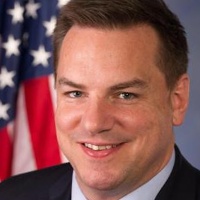
Richard Hudson
Representative
NC
Richard Hudson
Representative
NC
The Constitutional Concealed Carry Reciprocity Act of 2025 establishes a national standard for carrying concealed handguns across state lines. This act allows individuals legally permitted to carry in their home state to carry concealed in any other state that allows its residents to carry concealed firearms. The law does not override private property restrictions or prohibitions on government property, but it provides protections and legal recourse for those traveling in compliance with the new federal standard.
This Act renames the Ocmulgee Mounds National Historical Park to a National Park, establishes an adjacent National Preserve, authorizes land acquisition without eminent domain, creates a joint management plan with the Muscogee (Creek) Nation, and transfers specific tribal land into federal trust status.
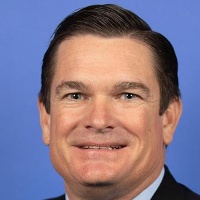
Austin Scott
Representative
GA
Austin Scott
Representative
GA
This Act officially redesignates the Ocmulgee Mounds National Historical Park as the Ocmulgee Mounds National Park and establishes a new Ocmulgee Mounds National Preserve, both managed as a single unit. The Secretary of the Interior is authorized to acquire additional non-condemned land to expand the Park and establish the Preserve. The legislation also creates an Advisory Council to guide management planning, which must prioritize the cultural resources and interests of the Muscogee (Creek) Nation, and transfers specific tribal land into federal trust status for the Tribe.
This act updates executive branch reorganization authority by expanding presidential objectives, redefining covered entities, removing certain restrictions, and extending the relevant deadlines to 2026.

James Comer
Representative
KY
James Comer
Representative
KY
The Reorganizing Government Act of 2025 updates the laws governing presidential executive reorganization plans. This bill expands the objectives for these plans to include reducing federal employees and eliminating burdensome regulations. It also extends the authority for the President to submit reorganization plans to Congress until the end of 2026.
The Puppy Protection Act of 2025 establishes stricter housing, daily care, veterinary, and breeding standards for dog dealers under the Animal Welfare Act.
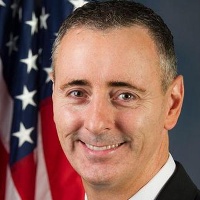
Brian Fitzpatrick
Representative
PA
Brian Fitzpatrick
Representative
PA
The Puppy Protection Act of 2025 significantly increases humane treatment standards for dog dealers under the Animal Welfare Act. This legislation mandates specific minimum space requirements, daily exercise access, and mandatory socialization for housed dogs. Furthermore, it establishes strict limits on female dog breeding frequency and age, alongside enhanced veterinary care protocols.
This act permanently establishes a 7-year recovery period for the depreciation of motorsports entertainment complexes for tax purposes.
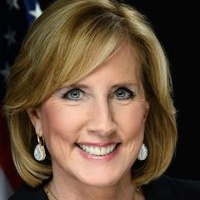
Claudia Tenney
Representative
NY
Claudia Tenney
Representative
NY
The Motorsports Fairness and Permanency Act of 2025 makes permanent a significant tax benefit for motorsports entertainment complexes. This legislation ensures these large venues can continue to use an accelerated 7-year recovery period for depreciating their building costs. By removing the previous expiration date, the Act provides long-term financial certainty for the industry.
Recognizes and celebrates Delta Air Lines' 100th anniversary, acknowledging its global impact and commitment to community.
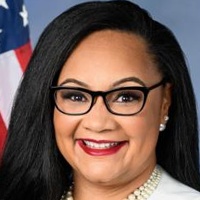
Nikema Williams
Representative
GA
Nikema Williams
Representative
GA
This bill recognizes and celebrates the 100th anniversary of Delta Air Lines, acknowledging its historical significance as the first U.S. airline to reach this milestone. It highlights Delta's growth, global connectivity, commitment to community, and industry leadership.
The Unmasking Hamas Act of 2025 establishes new federal penalties for interfering with constitutional rights or destroying property while wearing a disguise, particularly in response to disruptive, masked protests linked to Hamas activities on campuses and in public spaces.
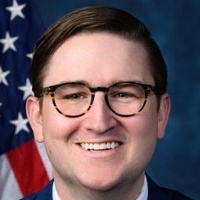
Addison McDowell
Representative
NC
Addison McDowell
Representative
NC
The Unmasking Hamas Act of 2025 aims to address disruptions and violence on college campuses linked to protests supporting Hamas. This bill establishes a new federal crime punishing individuals who interfere with constitutional rights while wearing a disguise, such as a mask. Additionally, it imposes an enhanced mandatory sentence for destroying property within federal jurisdiction while masked.
The Credit for Caring Act of 2025 establishes a new, partially refundable federal income tax credit for working family caregivers covering qualified expenses exceeding \$2,000, up to a \$5,000 annual limit.
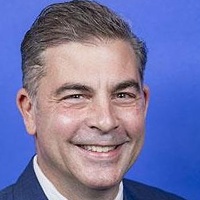
Mike Carey
Representative
OH
Mike Carey
Representative
OH
The Credit for Caring Act of 2025 establishes a new, non-refundable federal income tax credit for working family caregivers who incur significant expenses caring for a relative with long-term care needs. Eligible caregivers can claim a credit equal to 30% of qualified expenses exceeding \$2,000, up to a maximum annual credit of \$5,000. The bill specifies detailed requirements for the care recipient's needs, the types of allowable expenses, and includes income phase-out limits for claiming the benefit.
This bill allows investors to defer taxes on capital gain dividends from mutual funds when those dividends are automatically reinvested until the shares are sold or the investor passes away.
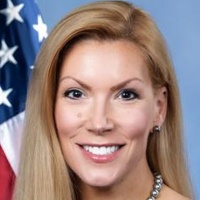
Beth Van Duyne
Representative
TX
Beth Van Duyne
Representative
TX
This bill, the Generating Retirement Ownership through Long-Term Holding Act, allows individual investors to defer paying taxes on capital gain dividends from mutual funds if those dividends are automatically reinvested into more fund shares. Taxes on these deferred gains are only due when the investor sells the shares or upon death. This provision aims to encourage long-term investment in mutual funds by providing immediate tax relief on reinvested earnings.
The TAP Promotion Act mandates a standardized, one-hour presentation on available VA benefits during mandatory preseparation counseling for service members.
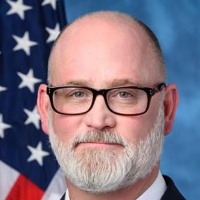
Derrick Van Orden
Representative
WI
Derrick Van Orden
Representative
WI
The TAP Promotion Act mandates a standardized, one-hour presentation on available VA benefits during mandatory preseparation counseling for service members. This presentation must be developed and approved by the Secretary of Veterans Affairs in consultation with recognized Veterans Service Organizations (VSOs). The goal is to ensure separating service members are fully informed of their entitlements and how VSOs can assist with filing claims.
This resolution expresses formal condolences to the families and loved ones of the 67 victims of the January 2025 collision between American Eagle Flight 5342 and a U.S. Army flight, while honoring the victims and commending the first responders.
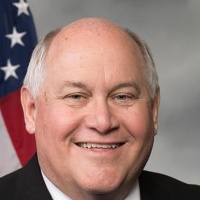
Ron Estes
Representative
KS
Ron Estes
Representative
KS
This resolution expresses the House of Representatives' deepest condolences to the families and loved ones of the 67 individuals who lost their lives in the January 29, 2025, collision of American Eagle Flight 5342 and a U.S. Army flight. It honors the victims, many of whom had strong ties to Wichita, Kansas, and commends the heroic efforts of the first responders and emergency personnel who managed the recovery.
This bill designates English as the official language of the United States, standardizing its use in government functions and naturalization processes, while allowing exceptions for certain circumstances.
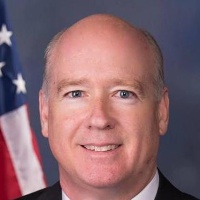
Robert Aderholt
Representative
AL
Robert Aderholt
Representative
AL
The "Designation of English as the Official Language of the United States Act of 2025" establishes English as the official language of the U.S., requiring the government to conduct official business in English and encouraging English language learning. It mandates a uniform English language standard for naturalization, ensuring new citizens can understand core American documents, while also providing exceptions for certain situations like language teaching, national security, and protection of rights. The bill also sets rules for interpreting U.S. laws, favoring interpretations that protect individual rights and state powers, and directs the Secretary of Homeland Security to develop uniform English language testing for citizenship applicants.
The "Federal Firearms Licensee Protection Act of 2025" increases penalties for stealing firearms from licensed dealers, manufacturers, or importers, especially during burglaries or robberies, and clarifies related definitions.
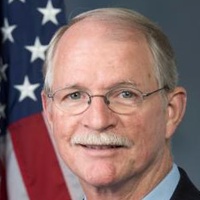
John Rutherford
Representative
FL
John Rutherford
Representative
FL
The "Federal Firearms Licensee Protection Act of 2025" increases penalties for stealing firearms from licensed dealers. It sets stricter punishments, including up to 20 years in prison, for violating laws related to firearm theft. The act also mandates minimum prison sentences of 3 years for burglaries and 5 years for robberies targeting licensed firearm businesses.