Legislative Activity
Track John's sponsored bills, co-sponsored legislation, and voting record
Exempts family farms and small businesses from asset considerations in need analysis for federal student aid.
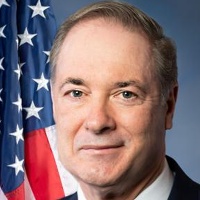
Tracey Mann
Representative
KS
Tracey Mann
Representative
KS
The "Family Farm and Small Business Exemption Act" amends the Higher Education Act of 1965 to exclude the net value of a family farm (on which the family resides) or a small business (with no more than 100 employees and owned/controlled by the family) from consideration as an asset when determining financial need for federal student aid. This change aims to make higher education more accessible for students from family farm and small business backgrounds.
The HALT Fentanyl Act permanently classifies fentanyl-related substances as Schedule I controlled substances while streamlining registration procedures for legitimate scientific research.
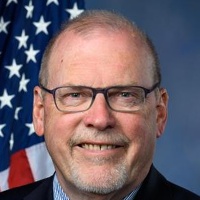
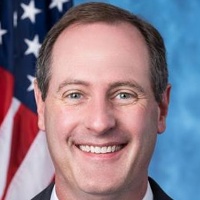
H. Griffith
Representative
VA
H. Griffith
Representative
VA
The Halt All Lethal Trafficking of Fentanyl (HALT Fentanyl) Act permanently classifies fentanyl-related substances as Schedule I controlled substances to strengthen enforcement and penalties against their trafficking. Additionally, the bill streamlines registration processes for researchers to facilitate legitimate scientific study of these substances. It also includes technical corrections and mandates updated federal rulemaking to ensure effective implementation.
The Marc Fischer Memorial Act mandates the implementation of a comprehensive digital mail scanning strategy across all federal prisons to detect and interdict synthetic drugs like fentanyl.
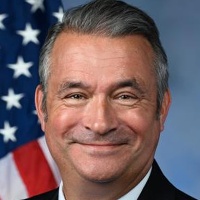
Don Bacon
Representative
NE
Don Bacon
Representative
NE
The Marc Fischer Memorial Act mandates that the Bureau of Prisons implement a comprehensive strategy to achieve 100% digital scanning of all inmate mail to interdict fentanyl and other synthetic drugs. By transitioning to digital mail processing, the Act aims to protect staff and inmates from lethal exposure, improve institutional security, and alleviate the administrative burden on correctional personnel.
The Protect Our Letter Carriers Act of 2025 authorizes $7 billion to upgrade postal security infrastructure while mandating dedicated federal prosecutors for postal crimes and increasing sentencing guidelines for assaults against postal employees.
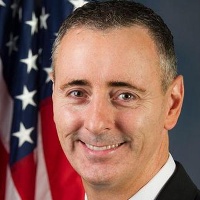
Brian Fitzpatrick
Representative
PA
Brian Fitzpatrick
Representative
PA
The Protect Our Letter Carriers Act of 2025 aims to enhance the safety of postal workers by funding high-security infrastructure upgrades, including electronic mailbox keys. The bill also mandates the appointment of dedicated federal prosecutors for postal crimes in every judicial district and requires stricter sentencing guidelines for those who assault or rob postal employees.
This legislation extends and expands federal programs through 2030 to support the mental health, well-being, and professional resilience of the health care workforce.

Debbie Dingell
Representative
MI
Debbie Dingell
Representative
MI
The Dr. Lorna Breen Health Care Provider Protection Reauthorization Act extends and strengthens critical federal programs designed to support the mental health and well-being of the health care workforce. The bill mandates annual awareness initiatives and expands grant eligibility to organizations focused on reducing administrative burdens for medical professionals. These programs are now authorized through fiscal year 2030 to ensure continued support for reducing burnout and promoting mental health services.
The Educational Choice for Children Act of 2025 establishes federal tax credits for contributions to scholarship-granting organizations, providing lower- and middle-income families with financial support for K–12 educational expenses.

Adrian Smith
Representative
NE
Adrian Smith
Representative
NE
The Educational Choice for Children Act of 2025 establishes federal tax credits for individuals and corporations that contribute to scholarship-granting organizations. These organizations provide K–12 education scholarships to students from lower- and middle-income households to cover tuition, tutoring, and other qualified educational expenses. The bill also protects the autonomy of participating schools and scholarship organizations from government interference while ensuring that scholarship funds remain tax-free for recipient families.
This bill provides a 6.62 percent Medicare payment increase for physicians and practitioners from April through December 2025 to help stabilize medical practices.
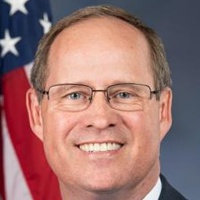
Gregory Murphy
Representative
NC
Gregory Murphy
Representative
NC
The Medicare Patient Access and Practice Stabilization Act of 2025 aims to support healthcare providers by extending Medicare payment adjustments through the end of 2025. Specifically, the bill provides a 6.62 percent payment increase for services rendered between April 1, 2025, and December 31, 2025, to help practitioners adjust to evolving Medicare payment policies.
The Life at Conception Act declares that the constitutional right to life begins at the moment of fertilization and applies to every member of the species *homo sapiens* at all stages of development.
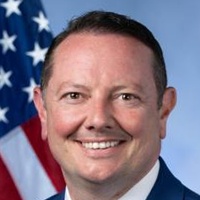
Eric Burlison
Representative
MO
Eric Burlison
Representative
MO
The Life at Conception Act declares that the constitutional right to life begins at the moment of fertilization, defining all human beings as persons from that point forward. The bill establishes legal personhood for every member of the species *homo sapiens* at all stages of development. Additionally, it explicitly prohibits the prosecution of any woman for the death of her unborn child.
The Born-Alive Abortion Survivors Protection Act requires health care practitioners to provide the same level of care to infants born alive after an abortion attempt as they would to any other newborn, mandating immediate hospitalization and imposing penalties for violations, while protecting the mother from prosecution. It also allows the mother of a child born alive to file a civil action against anyone who violated the act.
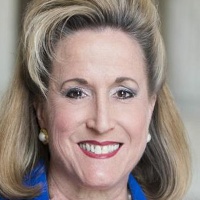
Ann Wagner
Representative
MO
Ann Wagner
Representative
MO
The "Born-Alive Abortion Survivors Protection Act" ensures that infants born alive after an abortion receive the same medical care as any other newborn, mandating immediate hospitalization and requiring healthcare practitioners to report any failures to comply. Violators face fines, imprisonment, and potential prosecution for homicide or attempted homicide, while the mother of the child cannot be prosecuted. The bill also allows the woman who had the abortion to file a civil action against anyone who violated the act. It defines abortion and attempts at abortion, and renames "Partial-Birth Abortions" to "Abortions" in relevant sections of the U.S. Code.
The "Fix Our Forests Act" aims to reduce wildfire risks, improve forest health, and support communities by focusing on landscape-scale restoration, protecting wildland-urban interface areas, and enhancing transparency and technology in forest management. It also establishes a casualty assistance program for wildland firefighters and their families.
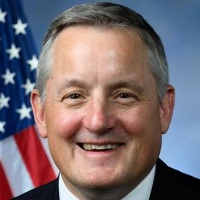
Bruce Westerman
Representative
AR
Bruce Westerman
Representative
AR
The "Fix Our Forests Act" aims to improve forest management and wildfire resilience through landscape-scale restoration, community protection in wildland-urban interfaces, and enhanced transparency and technology. It establishes programs for wildfire risk reduction, reforestation, and biochar development, while also focusing on restoring white oak populations and supporting the families of firefighters. The act streamlines project approvals, encourages collaboration, and implements litigation reforms to expedite forest management activities. Additionally, it creates a casualty assistance program for firefighters and support personnel who are seriously injured, become ill, or die while on duty.
The Combat Veterans Pre-Enrollment Act of 2025 establishes a pilot program allowing eligible active-duty service members to pre-enroll in the VA healthcare system prior to their separation from the military.

Young Kim
Representative
CA
Young Kim
Representative
CA
The Combat Veterans Pre-Enrollment Act of 2025 establishes a pilot program allowing eligible active-duty service members to pre-enroll in the Department of Veterans Affairs (VA) patient system before separating from the military. This initiative aims to streamline the transition to VA healthcare by ensuring seamless coverage for veterans immediately upon their departure from service.
The Main Street Tax Certainty Act makes the 20% pass-through business income deduction permanent by removing its scheduled expiration after 2025.
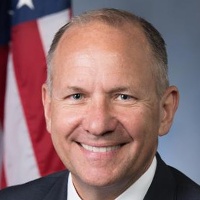
Lloyd Smucker
Representative
PA
Lloyd Smucker
Representative
PA
The Main Street Tax Certainty Act makes the 20% pass-through business income deduction permanent. By removing the current 2025 expiration date, this legislation ensures long-term tax relief for owners of qualified pass-through entities.
This bill prohibits federal funding for abortions and for health insurance plans that cover abortions, clarifies these prohibitions under the Affordable Care Act, and requires health plans to disclose the extent of their abortion coverage and any related surcharges.
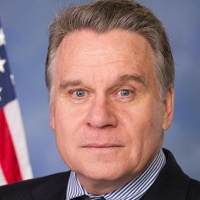
Christopher Smith
Representative
NJ
Christopher Smith
Representative
NJ
The "No Taxpayer Funding for Abortion and Abortion Insurance Full Disclosure Act of 2025" seeks to prohibit the use of federal funds for abortions and for health plans that cover abortions, while allowing individuals and entities to purchase separate abortion coverage with non-federal funds. It clarifies that premium tax credits and cost-sharing reductions under the Affordable Care Act (ACA) cannot be used for health plans that include abortion coverage. The Act also revises notice requirements for health plans, mandating clear disclosure of abortion coverage and any associated premium surcharges to enrollees. Exceptions to the funding restrictions are included for cases of rape, incest, or when the mother's life is in danger.
This bill amends the Immigration and Nationality Act to deem aliens convicted of or admitting to committing sex offenses, domestic violence, stalking, child abuse, or violating protection orders as inadmissible and deportable. It broadens the definition of crimes against children to include domestic violence, regardless of grant funding status.
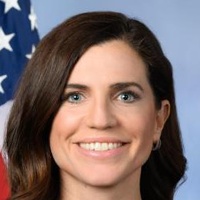
Nancy Mace
Representative
SC
Nancy Mace
Representative
SC
The "Preventing Violence Against Women by Illegal Aliens Act" amends the Immigration and Nationality Act to deem aliens inadmissible and deportable if they have committed or admitted to acts constituting sex offenses, domestic violence, stalking, child abuse, or violating protection orders. It broadens the definition of crimes against children to include any crime constituting domestic violence.
The Chiropractic Medicare Coverage Modernization Act of 2025 expands Medicare coverage to include all services provided by doctors of chiropractic that are within the scope of their state licensure.
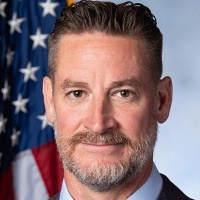
W. Steube
Representative
FL
W. Steube
Representative
FL
The Chiropractic Medicare Coverage Modernization Act of 2025 expands Medicare coverage to include all services legally authorized under a chiropractor’s state license, moving beyond the current restriction limited to manual spinal manipulation. This legislation aligns Medicare benefits with private insurance and other federal health programs to better reflect modern chiropractic practice. To provide these expanded services, chiropractors will be required to complete a one-time training program verified by the Secretary of Health and Human Services.
This bill increases the railroad track maintenance tax credit, introduces annual inflation adjustments, and extends the eligibility period for qualifying expenditures.
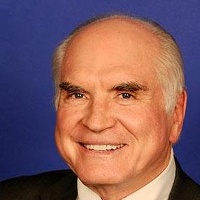
Mike Kelly
Representative
PA
Mike Kelly
Representative
PA
This bill amends the Internal Revenue Code to expand the railroad track maintenance credit by increasing the per-mile tax credit to $6,100 and implementing annual inflation adjustments starting in 2026. It also extends the eligibility window for qualifying maintenance expenditures to include costs incurred through 2023. These updates aim to provide greater financial support for ongoing railroad infrastructure improvements.
The Prosecutors Need to Prosecute Act requires large district attorney offices receiving federal Byrne grant funding to publicly report detailed data on their case outcomes, plea agreements, and recidivism rates for specific violent and firearm-related offenses.
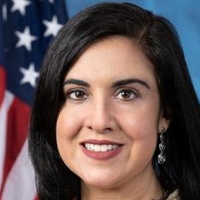
Nicole Malliotakis
Representative
NY
Nicole Malliotakis
Representative
NY
The **Prosecutors Need to Prosecute Act** requires district attorneys in larger jurisdictions who receive federal Byrne grant funding to submit annual reports on their prosecution and plea agreement data for serious offenses. This legislation mandates that the Attorney General establish uniform reporting standards and publish this data publicly to increase transparency regarding prosecutorial decisions.
This bill imposes a one-year moratorium on federal funding for Planned Parenthood and redirects those funds to community health centers.
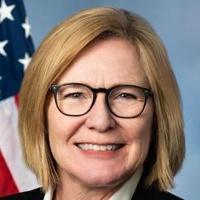
Michelle Fischbach
Representative
MN
Michelle Fischbach
Representative
MN
The Defund Planned Parenthood Act of 2025 imposes a one-year moratorium on federal funding for Planned Parenthood Federation of America, its affiliates, and its clinics unless they certify that they will not perform abortions. The bill redirects these funds to community health centers to ensure continued access to women’s health services. It includes specific exceptions for cases of rape, incest, or life-threatening medical conditions.
The Laken Riley Act mandates the detention of certain undocumented immigrants charged with theft-related crimes and empowers state attorneys general to sue federal officials for failures in enforcing immigration laws.
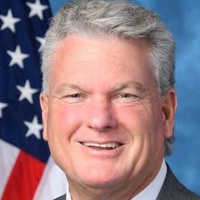
Mike Collins
Representative
GA
Mike Collins
Representative
GA
The Laken Riley Act mandates the detention of undocumented immigrants who are charged with or convicted of theft-related offenses. Additionally, the bill empowers state attorneys general to sue federal officials for failures in enforcing immigration detention, removal, and parole laws.
This bill proposes a constitutional amendment to limit members of the House of Representatives to three terms and Senators to two terms, with specific provisions for partial terms. Terms served before the amendment's ratification would not be counted towards these limits, and the amendment must be ratified within seven years to be valid.
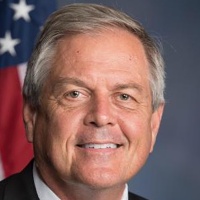
Ralph Norman
Representative
SC
Ralph Norman
Representative
SC
This bill proposes a constitutional amendment to limit the number of terms a member of Congress can serve. Representatives would be limited to 3 terms and Senators to 2 terms, with specific rules for partial terms. Terms served before the amendment's ratification would not be counted. The amendment must be ratified by three-fourths of the states within seven years to be valid.