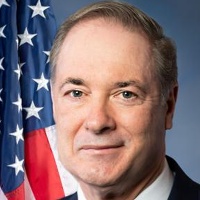
Legislative Activity
Track John's sponsored bills, co-sponsored legislation, and voting record
The ETHICS Act mandates that Members of Congress and their families divest from or place specific stock holdings into qualified blind trusts, increases penalties for STOCK Act noncompliance, and requires publicly searchable online filing of financial disclosure forms.
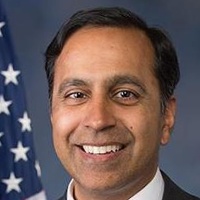
Raja Krishnamoorthi
Representative
IL
Raja Krishnamoorthi
Representative
IL
The Ending Trading and Holdings in Congressional Stocks (ETHICS) Act mandates that Members of Congress and their immediate families divest from or place specific stock holdings into qualified blind trusts to prevent conflicts of interest. The bill also establishes new civil penalties for failing to comply with existing stock trading disclosure laws (the STOCK Act). Furthermore, it requires that congressional financial disclosure forms be made publicly available online in a searchable, machine-readable format.
This bill updates Medicare payment rates for air ambulance services by requiring new cost data collection and mandating a GAO study on emergency air ambulance expenses.
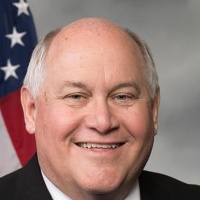
Ron Estes
Representative
KS
Ron Estes
Representative
KS
The Protecting Air Ambulance Services for Americans Act of 2025 aims to improve the Medicare payment system for emergency air ambulance services. This bill directs the Secretary of Health and Human Services to update payment rates using newly collected cost data from providers. Furthermore, it mandates the timely finalization of data collection rules and requires the GAO to study the true operating costs of air ambulance services to inform future payment adjustments.
The Veterans’ ACCESS Act of 2025 improves veteran health care by establishing clear eligibility standards for community care, mandating timely mental health treatment, and streamlining administrative processes to ensure faster, more transparent access to services.
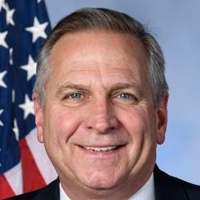
Mike Bost
Representative
IL
Mike Bost
Representative
IL
The Veterans’ ACCESS Act of 2025 strengthens the Veterans Community Care Program by establishing clear, enforceable standards for care eligibility and wait times while streamlining the referral process. The legislation also overhauls access to residential mental health and substance abuse treatment, ensuring veterans receive timely, localized care with robust oversight. Additionally, it mandates the development of digital tools and pilot programs to reduce bureaucratic hurdles and improve transparency across the VA healthcare system.
This Act increases penalties for health plans and insurers that violate surprise billing rules, imposes severe financial penalties for late payments after dispute resolution, and mandates more frequent and detailed transparency reporting on enforcement actions.
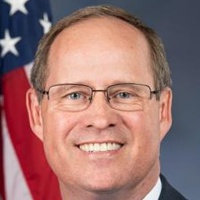
Gregory Murphy
Representative
NC
Gregory Murphy
Representative
NC
The No Surprises Act Enforcement Act significantly increases financial penalties for group health plans and insurance issuers that violate balance billing protections. It establishes steep fines, including up to $\$10,000$ per affected individual for serious non-compliance. Furthermore, the bill imposes severe penalties, including triple the disputed amount plus interest, for failing to make required payments promptly after an Independent Dispute Resolution (IDR) determination. Finally, it mandates more frequent and detailed transparency reporting on enforcement actions and violations.
This bill establishes the Communications Security Council, an FCC-managed advisory group tasked with issuing biennial reports on enhancing the security, reliability, and interoperability of U.S. communications networks, with the FCC Chair holding the authority to exclude "not trusted" entities from membership.
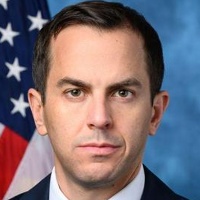
Robert Menendez
Representative
NJ
Robert Menendez
Representative
NJ
This bill establishes the Communications Security Act, which mandates the creation of a new advisory body, the Council on Communications Security, Reliability, and Interoperability, within the FCC. This Council will advise the FCC on enhancing the security and functionality of U.S. communications networks. Membership appointments are subject to the FCC Chair's discretion to exclude any entity deemed "not trusted" due to foreign influence or national security concerns. The Council is required to submit regular public reports with recommendations to the FCC Chair.
This bill mandates the relocation of the Department of Energy's Office of Fossil Energy and Carbon Management from Washington, D.C., to Pittsburgh, Pennsylvania, by the end of 2026.
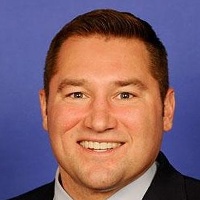
Guy Reschenthaler
Representative
PA
Guy Reschenthaler
Representative
PA
This Act mandates the relocation of the Department of Energy's Office of Fossil Energy and Carbon Management from Washington, D.C., to Pittsburgh, Pennsylvania, by the end of 2026. The Secretary of Energy must report to Congress afterward detailing employee turnover resulting from the move and plans to address resulting staff shortages.
This resolution solemnly marks the one-year anniversary of the attempted assassination of President Trump, condemns ongoing political violence, and honors the victims and first responders.
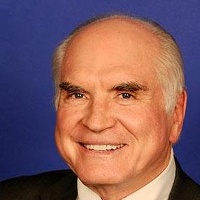
Mike Kelly
Representative
PA
Mike Kelly
Representative
PA
This resolution solemnly marks the one-year anniversary of the attempted assassination of President Donald J. Trump, condemning the multiple violent attempts against the President's life. It honors the victims of the shooting, including the late Corey D. Comperatore, and recognizes the bravery of first responders. Furthermore, the resolution condemns all incitement of violence against elected officials and calls for national unity against political violence.
The PBM Reform Act of 2025 mandates sweeping changes to increase transparency, ensure fair pharmacy access in Medicare, and prohibit abusive spread pricing in Medicaid by holding Pharmacy Benefit Managers accountable for their financial dealings.
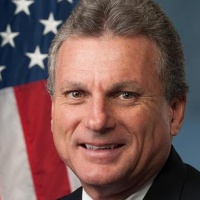
Earl Carter
Representative
GA
Earl Carter
Representative
GA
The Pharmacy Benefit Manager Reform Act of 2025 aims to increase transparency and accountability across the prescription drug supply chain. It mandates fairer pharmacy network access for Medicare beneficiaries and imposes strict new financial reporting and service fee requirements on Pharmacy Benefit Managers (PBMs) working with Medicare and private health plans. Furthermore, the bill establishes new federal mechanisms to accurately track drug acquisition costs in Medicaid and explicitly bans the practice of "spread pricing" in state Medicaid contracts.
This resolution expresses support for designating July 10th as Journeyman Lineworkers Recognition Day to honor the dangerous and essential service provided by these workers, especially during crises.
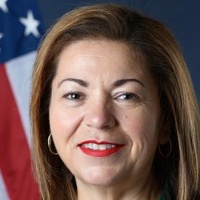
Linda Sánchez
Representative
CA
Linda Sánchez
Representative
CA
This resolution expresses support for designating July 10th as Journeyman Lineworkers Recognition Day. It honors the essential and dangerous work performed by these skilled professionals, especially their heroic efforts in restoring power after major disasters. The day serves to recognize their service and remember those who have lost their lives performing this vital work.
This bill mandates quarterly rebates from manufacturers of selected drugs based on the difference between standard Medicare payment rates and the negotiated Maximum Fair Price, while adjusting beneficiary coinsurance accordingly.
Gregory Murphy
Representative
NC
Gregory Murphy
Representative
NC
This bill, the Protecting Patient Access to Cancer and Complex Therapies Act, establishes a new mandatory rebate system for manufacturers of certain drugs selected for Maximum Fair Price (MFP) negotiation under Medicare. Manufacturers must pay quarterly rebates based on the difference between the standard Medicare payment and the lower negotiated MFP for units sold under Part B. These changes also adjust beneficiary coinsurance calculations to reflect the lower MFP, ensuring patient out-of-pocket costs are based on the negotiated price.
This bill mandates that the VA must seek reimbursement from Medicare Advantage and Part D plans for covered care provided to veterans and establishes stricter timelines and penalties for third parties who fail to reimburse the government for care related to non-service-connected disabilities.
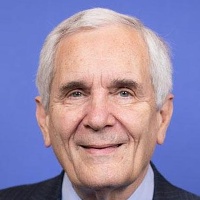
Lloyd Doggett
Representative
TX
Lloyd Doggett
Representative
TX
The Guarantee Utilization of All Reimbursements for Delivery of Veterans’ Health Care Act (GUARD Veterans Health Care Act) mandates that the Department of Veterans Affairs (VA) must seek reimbursement from Medicare Advantage and Medicare Part D prescription drug plans for healthcare services provided to eligible veterans. Additionally, the bill strengthens the government's authority to recover costs for non-service-connected disability care from responsible third parties. It establishes strict timelines and penalties for third parties who fail to promptly process and pay these recovery claims to the VA.
This resolution seeks to disapprove and nullify the Environmental Protection Agency's rule regarding California's Low NOX vehicle and engine pollution control standards.
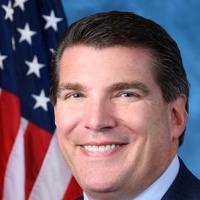
Jay Obernolte
Representative
CA
Jay Obernolte
Representative
CA
This joint resolution seeks to disapprove and nullify a specific rule issued by the Environmental Protection Agency (EPA) regarding California's stringent motor vehicle and engine pollution control standards, known as the "Omnibus Low NOX Regulation." By exercising disapproval under the Congressional Review Act, this measure prevents the EPA's decision on waiving federal preemption for these California standards from taking legal effect. If passed, the EPA's rule will be entirely canceled.
This bill formally rejects the Environmental Protection Agency's recently issued rule concerning California's heavy-duty vehicle and engine pollution control standards.
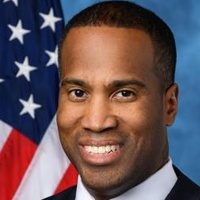
John James
Representative
MI
John James
Representative
MI
This resolution expresses the disapproval of Congress regarding a recent rule issued by the Environmental Protection Agency (EPA) concerning California's motor vehicle and engine pollution control standards. Specifically, it rejects the EPA's proposed regulations covering heavy-duty vehicle emissions, warranties, maintenance, and zero-emission vehicle provisions. By disapproving the rule under the Congressional Review Act, Congress effectively nullifies the EPA's action.
The FIGHT Act of 2025 strengthens federal prohibitions against animal fighting, enhances enforcement mechanisms, and allows citizens to sue violators of animal fighting provisions.
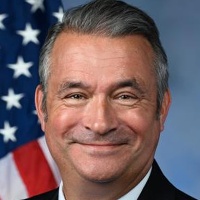
Don Bacon
Representative
NE
Don Bacon
Representative
NE
The FIGHT Act of 2025 significantly strengthens federal prohibitions against animal fighting ventures, specifically targeting the sponsorship, exhibition, and gambling associated with these events. This legislation clarifies the definition of a rooster for legal purposes and bans the interstate transport of roosters for fighting. Furthermore, it empowers private citizens to file lawsuits against violators, allowing for civil penalties and the potential seizure of property used to facilitate illegal animal fighting.
This bill expresses Congressional disapproval of the Environmental Protection Agency's final rule setting National Emission Standards for Hazardous Air Pollutants for the rubber tire manufacturing industry.
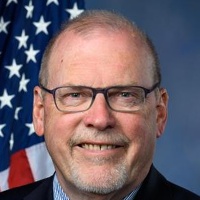
H. Griffith
Representative
VA
H. Griffith
Representative
VA
This bill expresses the disapproval of Congress, under the Congressional Review Act, of a specific rule issued by the Environmental Protection Agency (EPA). The rejected rule concerned the National Emission Standards for Hazardous Air Pollutants for the rubber tire manufacturing industry. As a result of this disapproval, the EPA's proposed standards will not take effect.
This act establishes federal regulations guaranteeing physicians fair hearing and appeal rights before hospitals can restrict or terminate their professional privileges.
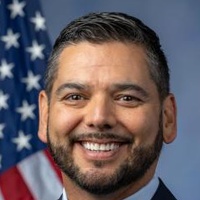
Raul Ruiz
Representative
CA
Raul Ruiz
Representative
CA
The Physician and Patient Safety Act establishes new federal regulations to guarantee due process rights for physicians facing restrictions or loss of hospital privileges. This ensures doctors receive a fair hearing and appeal process before any adverse action is taken against their ability to practice. Furthermore, the Act prohibits forcing physicians to waive these appeal rights as a condition of employment and mandates confidentiality for the review process.
This resolution formally congratulates His Holiness Pope Leo XIV on his historic election as the first American pontiff of the Holy Roman Catholic Church.
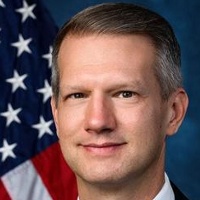
Riley Moore
Representative
WV
Riley Moore
Representative
WV
This resolution formally congratulates His Holiness Pope Leo XIV on his historic election as the 267th pontiff of the Holy Roman Catholic Church. It celebrates the significance of him being the first American-born Pope in the Church's history. The measure also commends his lifelong service, missionary spirit, and dedication to truth and mercy. Finally, it offers prayers for his leadership as he begins his papacy.
This Act restricts Department of Homeland Security funding for U.S. colleges and universities that maintain relationships with Confucius Institutes, the Thousand Talents Program, or designated Chinese Entities of Concern.
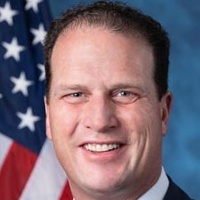
August Pfluger
Representative
TX
August Pfluger
Representative
TX
This Act restricts federal funding from the Department of Homeland Security (DHS) for U.S. colleges and universities that maintain relationships with Confucius Institutes or designated "Chinese Entities of Concern." These entities are broadly defined to include Chinese schools involved in military fusion, intelligence support, or human rights abuses. Institutions must sever ties with these groups to remain eligible for DHS funding, though limited, case-by-case national security waivers may be granted. The DHS is also required to report annually to Congress on the implementation of these restrictions.
This act extends the availability of federal grants for mental and behavioral health education and training programs.
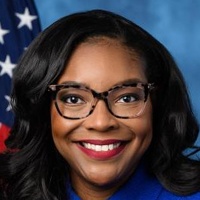
Emilia Sykes
Representative
OH
Emilia Sykes
Representative
OH
The Mental Health Improvement Act extends the availability of federal grants dedicated to mental and behavioral health education and training. This legislation shifts the funding period for these crucial training grants from fiscal years 2023–2027 to 2026–2030. The bill ensures continued support for developing the mental health workforce for an additional three years.
This Act establishes federal penalties for assaulting hospital personnel and creates a grant program to help medical facilities improve workforce safety.
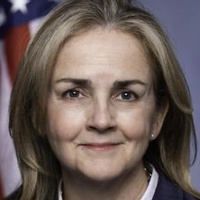
Madeleine Dean
Representative
PA
Madeleine Dean
Representative
PA
The Save Healthcare Workers Act aims to protect hospital personnel by making assault against them a federal crime with severe penalties. It also establishes a new federal grant program to help hospitals implement crucial safety measures, such as violence prevention training and physical security upgrades. This legislation seeks to reduce workplace violence in healthcare settings across the nation.