Legislative Activity
Track John's sponsored bills, co-sponsored legislation, and voting record
This bill repeals the requirement for Senate offices to be notified regarding legal processes seeking the disclosure of Senate data.
Austin Scott
Representative
GA
Austin Scott
Representative
GA
This bill repeals specific requirements for notifying Senate offices when legal processes seek the disclosure of Senate data. Essentially, it removes existing notification mandates related to legal requests for Senate information.
This act prohibits Medicare-approved medical residency programs from requiring participation in abortion-related training unless the resident voluntarily opts in.
Gregory Murphy
Representative
NC
Gregory Murphy
Representative
NC
This Act prohibits Medicare-approved medical residency programs from requiring participation in abortion-related training. Programs that offer abortion training must ensure it is strictly voluntary, allowing residents to opt-in without facing discrimination. This ensures medical residents are not compelled to participate in abortion procedures, assistance, or referrals against their conscience.
This Act establishes an interagency task force to combat foreign robocalls, modifies FCC review frequency, introduces a bond requirement for the Robocall Mitigation Database, and grants immunity for private efforts to trace unlawful robocall origins.

Addison McDowell
Representative
NC
Addison McDowell
Representative
NC
The Foreign Robocall Elimination Act establishes an interagency taskforce to study and recommend strategies for combating unlawful robocalls originating from outside the United States. It also grants the FCC authority to require providers to post a bond to ensure integrity in the Robocall Mitigation Database. Furthermore, the bill provides legal immunity for private consortiums tracing the origin of these illegal calls and allows for the publication of non-cooperative providers.
This act mandates Medicare coverage for FDA-approved early detection screening tests for Alzheimer's disease and related dementias beginning in 2028.

Vern Buchanan
Representative
FL
Vern Buchanan
Representative
FL
The Alzheimer’s Screening and Prevention Act of 2025 (ASAP Act) amends Medicare to cover early detection screening tests for Alzheimer's disease and related dementias starting in 2028. This coverage applies to FDA-cleared tests, including genomic sequencing and other equivalent diagnostic methods, designed to detect pre-symptomatic or early-stage conditions. The bill ensures these screenings are added to the list of covered medical services under Medicare.
This Act automatically funds government operations for 14-day periods during funding lapses and imposes restrictions on travel and legislative procedures for certain officials until appropriations are enacted.
Jodey Arrington
Representative
TX
Jodey Arrington
Representative
TX
The Prevent Government Shutdowns Act automatically appropriates funding for federal programs at the rate of the preceding funding law for 14-day periods whenever a lapse in appropriations occurs. This automatic funding continues until a new appropriation Act is enacted or the automatic authority expires. Furthermore, the bill imposes strict limitations on official travel for covered Members of Congress and their staff, and restricts legislative business during these automatic funding periods. These budgetary effects are to be treated as discretionary, part-year appropriations for enforcement purposes.
This bill prohibits the EPA from reallocating the renewable fuel obligations of small refineries granted exemptions, ensuring those volumes remain tied to the exempt facility while still counting toward the parent company's overall production for compliance calculations.

Mike Kennedy
Representative
UT
Mike Kennedy
Representative
UT
The Protect Consumers from Reallocation Costs Act of 2025 prohibits the EPA from reallocating the renewable fuel volume obligations of small refineries that receive exemption extensions. This ensures that the volume remains tied to the exempt refinery rather than being shifted to other obligated parties. Furthermore, the bill requires the EPA to count the fuel produced by an exempt small refinery when calculating the overall production obligations for its parent company.
This constitutional amendment prohibits members of Congress from receiving compensation during any period of a government shutdown.
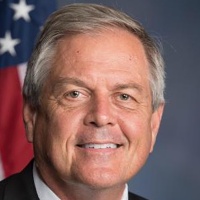
Ralph Norman
Representative
SC
Ralph Norman
Representative
SC
This proposed constitutional amendment would prohibit members of Congress from receiving any compensation for the duration of a government shutdown. If Congress fails to pass necessary funding, Senators and Representatives will not be paid until the government is fully operational again. The amendment also grants Congress the authority to enact laws to enforce this provision.
This resolution honors the life and legacy of Charles "Charlie" James Kirk, condemns his assassination as political violence, and calls for a renewed commitment to civil discourse and American founding principles.

Mike Johnson
Representative
LA
Mike Johnson
Representative
LA
This resolution honors the life and legacy of Charles "Charlie" James Kirk, founder of Turning Point USA. It strongly condemns his assassination as an act of political violence. The bill calls for a renewed national commitment to civil discourse and the founding principles of the United States.
The Safe Step Act mandates that group health plans using medication step therapy establish clear, timely exception processes for patients and doctors when required drugs are medically inappropriate or ineffective.

Rick Allen
Representative
GA
Rick Allen
Representative
GA
The Safe Step Act establishes mandatory, transparent exception processes for health plans that use "step therapy" protocols for prescription drugs. This ensures patients or their doctors can quickly request coverage for a prescribed medication when specific clinical criteria are met, such as previous treatment failure or risk of harm. Plans must decide on standard requests within 72 hours and urgent requests within 24 hours, and approved exceptions must last for at least one year. Furthermore, insurers must report detailed data annually on exception requests, approvals, and denials to the Secretary of Health and Human Services.
The GRID Power Act directs the Federal Energy Regulatory Commission to rapidly update interconnection rules to prioritize and expedite the connection of dispatchable power projects that enhance grid reliability and resilience.
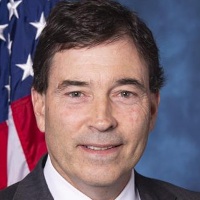
Troy Balderson
Representative
OH
Troy Balderson
Representative
OH
The GRID Power Act directs the Federal Energy Regulatory Commission (FERC) to rapidly update rules governing how new power plants connect to the electric grid. This legislation mandates that FERC prioritize and streamline the interconnection process for dispatchable power projects that demonstrably improve grid reliability and resilience. The goal is to ensure that necessary, dependable power sources can connect quickly while maintaining public input and regular review of the new procedures.
This Act establishes a new "certificate of crossing" process, streamlines approvals, and eliminates the Presidential permit requirement for cross-border energy infrastructure projects with Canada and Mexico to strengthen North American energy security.

Julie Fedorchak
Representative
ND
Julie Fedorchak
Representative
ND
This Act establishes a new "certificate of crossing" requirement for energy infrastructure projects that cross the U.S. border with Canada or Mexico, streamlining approvals while maintaining environmental review. It significantly eliminates the need for Presidential permits for new cross-border energy facilities, such as pipelines and transmission lines. Furthermore, the bill speeds up the approval process for certain natural gas import/export applications handled by FERC. These changes aim to strengthen North American energy security by modernizing the regulatory framework for cross-border energy connections.
This resolution officially recognizes the 250th anniversary of the United States Navy, celebrating its history, global strength, and vital contributions to national security and diplomacy.
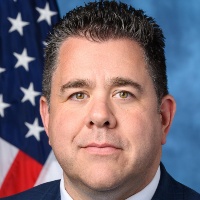
Nicolas LaLota
Representative
NY
Nicolas LaLota
Representative
NY
This resolution officially recognizes the 250th birthday of the United States Navy, celebrating its long history since the Continental Navy was established in 1775. Congress expresses deep gratitude for the bravery and dedication of all past and present Sailors who have defended the nation. The bill reaffirms the Navy's vital role in global security, humanitarian efforts, and maintaining American strength worldwide.
This bill ensures Medicare coverage for certain breakthrough medical devices during a four-year transitional period while accelerating the final coverage decision process.
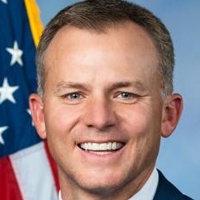
Blake Moore
Representative
UT
Blake Moore
Representative
UT
This Act, the Ensuring Patient Access to Critical Breakthrough Products Act, aims to speed up Medicare coverage for innovative, FDA-approved "breakthrough devices." It establishes a process for manufacturers to gain a four-year transitional coverage period for these devices, ensuring patients have timely access while long-term coverage decisions are finalized. The bill also allocates funding to CMS to manage these expedited reviews and allows for oversight of provider billing practices related to these new technologies.
This bill amends the Social Security Act to provide Medicare coverage for FDA-approved multi-cancer early detection screening tests starting in 2028.
Jodey Arrington
Representative
TX
Jodey Arrington
Representative
TX
The Nancy Gardner Sewell Medicare Multi-Cancer Early Detection Screening Coverage Act amends the Social Security Act to provide Medicare Part B coverage for multi-cancer early detection screening tests starting January 1, 2028. This legislation establishes clear criteria for qualifying tests and outlines payment structures to ensure beneficiaries have access to these advanced diagnostic tools. Importantly, this coverage is designed to complement, rather than replace, existing Medicare-covered cancer screenings.
This Act ensures the automatic continuation of pay for active duty military personnel and essential civilian support staff if Congress fails to pass a budget for fiscal year 2026.
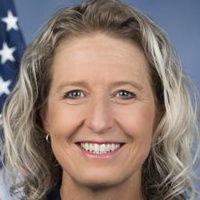
Jennifer Kiggans
Representative
VA
Jennifer Kiggans
Representative
VA
The Pay Our Troops Act of 2026 ensures that active duty military personnel and essential civilian support staff continue to receive their pay if Congress has not yet passed the full budget for fiscal year 2026. This act provides automatic continuing appropriations from the Treasury to prevent a lapse in military salaries due to budget delays. The funding automatically terminates once a new budget or continuing resolution is passed, or on January 1, 2027, whichever comes first.
This resolution condemns the assassination of Charlie Kirk and honors his life, legacy, and commitment to civil discourse.
Mike Kennedy
Representative
UT
Mike Kennedy
Representative
UT
This resolution condemns the assassination of conservative activist Charlie Kirk and extends condolences to his family. It honors his life and legacy, recognizing his founding of Turning Point USA and his commitment to encouraging civil discourse on college campuses.
The RESULTS Act reforms how Medicare determines payment rates for clinical diagnostic laboratory tests by mandating the use of comprehensive, real-world private payor claims data collected from an independent entity.
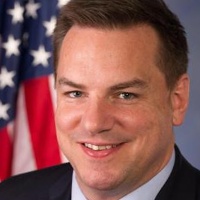
Richard Hudson
Representative
NC
Richard Hudson
Representative
NC
The Reforming and Enhancing Sustainable Updates to Laboratory Testing Services Act of 2025 (RESULTS Act) aims to improve Medicare payment rates for clinical lab tests by mandating the collection of more accurate, real-world payment data directly from large, independent private insurance claims databases. This legislation updates definitions, collection timelines, and calculation methods to ensure Medicare payments for widely available tests reflect current market rates. It also establishes default payment rules if sufficient private payor data cannot be secured.
The REAL Health Providers Act mandates that Medicare Advantage plans maintain and regularly verify accurate, detailed provider directories, protecting patients from incorrect network listings with cost-sharing safeguards.
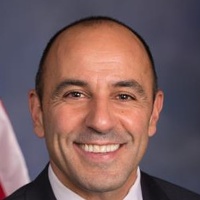
Jimmy Panetta
Representative
CA
Jimmy Panetta
Representative
CA
The REAL Health Providers Act mandates that Medicare Advantage plans maintain accurate and up-to-date public directories of their network providers starting in 2028. This legislation requires regular verification of provider information and establishes cost-sharing protections for patients who see listed providers who are ultimately out-of-network. Furthermore, plans must annually report their directory accuracy scores to the Secretary, which will eventually be made public.
This resolution supports designating September 12th as "The Day of the Bible" to honor the historical significance of the first officially approved American printing of the Bible and its influence on U.S. values.
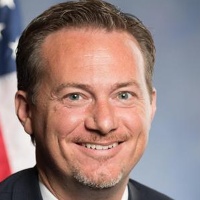
Michael Cloud
Representative
TX
Michael Cloud
Representative
TX
This joint resolution expresses support for designating September 12th annually as "The Day of the Bible" to honor the historical significance of the Bible in shaping American culture and values. The resolution specifically commemorates the anniversary of the 1782 Congressional approval for printing the first complete English Bible in the United States. If enacted, it would require the President to issue an annual proclamation encouraging citizens to observe the day.
The Data BRIDGE Act mandates the FCC to update the national broadband map to specifically include the locations of agricultural areas after consulting with relevant agencies.
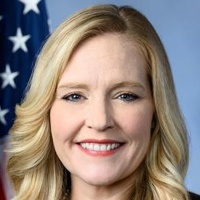
Erin Houchin
Representative
IN
Erin Houchin
Representative
IN
The Data BRIDGE Act mandates that the FCC update its national broadband map to specifically include the locations of agricultural areas. This update must be completed within 180 days of the bill's enactment. To ensure accuracy, the FCC is required to consult with the Secretary of Agriculture and other relevant stakeholders during this process. This action aims to better identify broadband coverage gaps affecting farms.