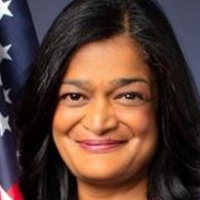
Legislative Activity
Track Pramila's sponsored bills, co-sponsored legislation, and voting record
This act repeals specific sections of a prior reconciliation act to restore previous laws affecting American families and farmers.
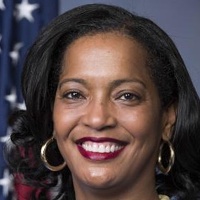
Jahana Hayes
Representative
CT
Jahana Hayes
Representative
CT
The Restoring Food Security for American Families and Farmers Act of 2025 aims to strengthen domestic food security by repealing specific sections of a prior reconciliation act. This action effectively revives the original laws that were previously amended by the repealed provisions. The bill seeks to revert existing agricultural and food-related statutes to their pre-amendment status.
This bill mandates that Medicare Advantage plans must automatically reconsider any decision that denies coverage without requiring an enrollee request.
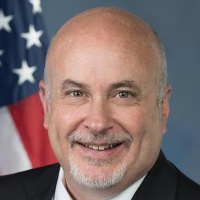
Mark Pocan
Representative
WI
Mark Pocan
Representative
WI
This bill amends the Social Security Act to mandate that Medicare Advantage plans must automatically reconsider any determination that denies coverage. This process will occur without requiring the enrollee to submit a formal request for reconsideration. The automatic review begins immediately upon the plan's initial denial of coverage.
The FRESHER Act of 2025 amends water pollution laws to remove certain stormwater permit requirements for oil and gas operations while mandating a study on stormwater runoff contamination from these activities.
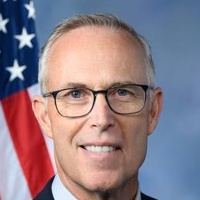
Jared Huffman
Representative
CA
Jared Huffman
Representative
CA
The FRESHER Act of 2025 aims to regulate stormwater runoff from oil, gas, and mining operations under the Federal Water Pollution Control Act. This legislation modifies existing permit requirements and mandates a study by the Secretary of the Interior on the contamination risks associated with this runoff. The resulting report will detail measurable contamination and the susceptibility of groundwater resources to pollution from these operations.
The CLEANER Act of 2025 mandates the EPA to review and regulate oil, gas, and geothermal production wastes under the Solid Waste Disposal Act, potentially classifying them as hazardous waste or establishing stricter standards for non-hazardous disposal.
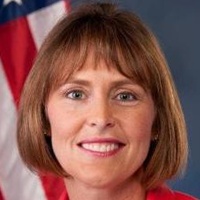
Kathy Castor
Representative
FL
Kathy Castor
Representative
FL
The CLEANER Act of 2025 mandates the Administrator to review and regulate wastes generated from oil, gas, and geothermal energy production under the Solid Waste Disposal Act. This includes determining if these wastes qualify as hazardous and establishing corresponding regulations if they do. For non-hazardous wastes from these industries, the Act requires the revision of criteria for disposal facilities to ensure protection of human health and the environment, including requirements for groundwater monitoring.
The CLOSE Act removes the Clean Air Act exemption for aggregating oil and gas emissions and mandates the EPA to list hydrogen sulfide as a hazardous air pollutant.
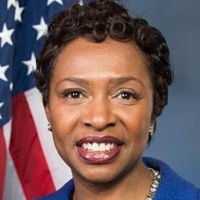
Yvette Clarke
Representative
NY
Yvette Clarke
Representative
NY
The CLOSE Act aims to strengthen air quality regulations by removing the exemption that previously allowed for the aggregation of emissions from oil and gas sources under the Clean Air Act. Furthermore, this legislation mandates the EPA to formally list hydrogen sulfide as a hazardous air pollutant. This action will require the EPA to establish specific source categories for hydrogen sulfide emissions, including oil and gas wells.
This bill establishes requirements for Medicare Advantage plans regarding the rate at which they overturn initial denials of coverage made through prior authorization, with contract termination for excessive reversals.
Mark Pocan
Representative
WI
Mark Pocan
Representative
WI
This bill amends the Social Security Act to establish new requirements for Medicare Advantage plans regarding how often they can overturn initial denials of coverage following prior authorization requests. Specifically, it mandates contract termination for plans whose rate of reversed prior authorization denials exceeds 25% in a given year. This measure aims to curb excessive initial denials by Medicare Advantage organizations.
This bill mandates the Secretary of Health and Human Services to create a website allowing Medicare beneficiaries to search for providers participating in both Medicare Advantage (MA) plans and traditional Medicare.
Mark Pocan
Representative
WI
Mark Pocan
Representative
WI
This bill mandates the Secretary of Health and Human Services to create and maintain a public website for Medicare beneficiaries. This resource will allow users to easily search for healthcare providers and suppliers participating in either Medicare Advantage (MA) plans or traditional Medicare. The website must clearly identify which networks each provider belongs to.
This bill mandates that Medicare Advantage plan advertisements must disclose the plan's rates of prior authorization denials and subsequent approvals.
Mark Pocan
Representative
WI
Mark Pocan
Representative
WI
This bill mandates that all advertisements for Medicare Advantage (MA) plans must clearly disclose key statistics regarding their prior authorization denial rates. Specifically, ads must include the total number of denials, the number of denials later overturned upon reconsideration, and the average time taken for those reversals. This aims to provide consumers with crucial transparency about plan utilization management practices before enrollment.
This bill establishes a permanent Special Envoy for the Human Rights of LGBTQI+ Peoples within the Department of State to advance U.S. policy countering global criminalization, violence, and discrimination against LGBTQI+ individuals.
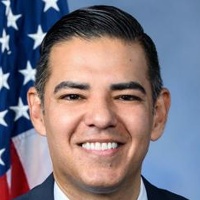
Robert Garcia
Representative
CA
Robert Garcia
Representative
CA
This bill, the International Human Rights Defense Act of 2025, establishes a permanent Special Envoy for the Human Rights of LGBTQI+ Peoples within the Department of State. It codifies U.S. policy to actively combat international criminalization, violence, and discrimination against LGBTQI+ individuals worldwide. The legislation also mandates enhanced reporting on these abuses in annual human rights reports and authorizes assistance to support related protection efforts abroad.
This resolution calls for the U.S. to recognize the genocide of Palestinians in Gaza and immediately halt military aid to Israel while supporting international accountability measures.
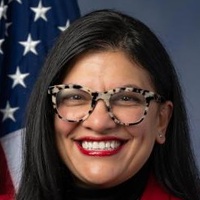
Rashida Tlaib
Representative
MI
Rashida Tlaib
Representative
MI
This resolution expresses the sense of Congress that the United States officially recognizes the State of Israel has committed genocide against the Palestinian people in Gaza. It details extensive evidence supporting this finding, including mass casualties, systematic destruction of infrastructure, and severe humanitarian crisis. Consequently, the bill calls for the immediate halt of all U.S. military and financial assistance to Israel until compliance with international court orders is verified. Furthermore, it demands the U.S. use its leverage to support international investigations and ensure robust funding for humanitarian aid through UNRWA.
This Act establishes the National Resilience and Recovery Fund funded by new and adjusted excise taxes, including a windfall profits tax, to support FEMA disaster mitigation programs, while also clarifying crude oil definitions for tax purposes.
Melanie Stansbury
Representative
NM
Melanie Stansbury
Representative
NM
The National Resilience and Recovery Fund Act establishes a dedicated federal fund, financed by new excise taxes on crude oil and imported petroleum products, to support FEMA's disaster mitigation and resilience grant programs. The bill also imposes a new windfall profits tax on large oil extractors and importers when oil prices exceed historical averages. Finally, it introduces a new 13% severance tax on crude oil and natural gas extracted from the Gulf of Mexico Outer Continental Shelf, offset by a credit for federal royalties paid.
This bill mandates the restoration of free telephone services and communication access for individuals in immigration detention, ensuring contact with family and legal counsel.
Maxine Dexter
Representative
OR
Maxine Dexter
Representative
OR
The Restoring Access for Detainees Act aims to reinstate and expand free communication services for individuals in civil immigration detention. It mandates the provision of free phone calls, including 200 free outgoing minutes monthly, specifically for contacting family and legal counsel. Furthermore, the bill ensures private, unmonitored communication opportunities with attorneys and certain government officials upon arrival in custody.
This bill prohibits the Secretary of Health and Human Services from implementing the Wasteful and Inappropriate Services Reduction (WISeR) Model under Medicare.
Suzan DelBene
Representative
WA
Suzan DelBene
Representative
WA
The Seniors Deserve SMARTER Care Act of 2025 prohibits the Secretary of Health and Human Services from implementing the Wasteful and Inappropriate Services Reduction (WISeR) Model under Medicare. This legislation specifically blocks the implementation of the prior authorization requirements associated with the WISeR Model. The goal is to prevent the adoption of this particular payment and service delivery model.
This Act ensures uninterrupted funding and operation for the SNAP and WIC programs through fiscal year 2026, even if appropriations for the Department of Agriculture are delayed.
Jahana Hayes
Representative
CT
Jahana Hayes
Representative
CT
The Keep SNAP and WIC Funded Act of 2025 ensures that the Supplemental Nutrition Assistance Program (SNAP) and the Special Supplemental Nutrition Program for Women, Infants, and Children (WIC) continue to operate without interruption in fiscal year 2026 if standard appropriations are delayed. If funding lapses, the Secretary of Agriculture is authorized to use funds from the Treasury to provide benefits and reimburse state agencies. This special funding remains in effect until full appropriations are enacted or until September 30, 2026.
This resolution urges the USDA to use its contingency funds and interchange authority to ensure continued funding for the Supplemental Nutrition Assistance Program (SNAP), especially during potential government shutdowns.
Suzanne Bonamici
Representative
OR
Suzanne Bonamici
Representative
OR
This resolution expresses the sense of the House that the Department of Agriculture should utilize its existing contingency funds and interchange authority to ensure the Supplemental Nutrition Assistance Program (SNAP) remains fully funded. The bill specifically urges the administration to immediately use these resources to finance SNAP operations, particularly during potential government funding lapses. This action is deemed crucial to support millions of vulnerable Americans, including children, seniors, and veterans, who rely on these benefits.
This resolution supports the goals of National Domestic Violence Awareness Month, highlights the pervasive and devastating impact of intimate partner violence across all demographics, and calls for increased funding for prevention and support programs.
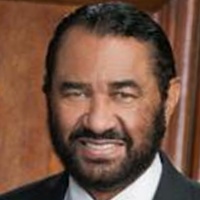
Al Green
Representative
TX
Al Green
Representative
TX
This resolution designates October as National Domestic Violence Awareness Month to highlight the widespread and devastating impact of intimate partner violence across all demographics. It recognizes the urgent need to eliminate domestic violence and supports increased funding for intervention and prevention programs. The resolution underscores the severe physical, emotional, and economic toll this abuse takes on individuals, families, and communities.
This resolution expresses support for recognizing October 26, 2025, as Intersex Awareness Day and advocates for the bodily autonomy and human rights of intersex individuals, particularly by opposing nonconsensual early medical interventions.
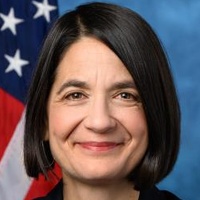
Becca Balint
Representative
VT
Becca Balint
Representative
VT
This resolution expresses the House's support for recognizing October 26th as Intersex Awareness Day and affirms the goals of the observance. It highlights the reality of natural variations in sex characteristics and strongly condemns nonconsensual, irreversible medical procedures performed on intersex infants and children. The bill encourages federal, state, and local entities to promote awareness, ensure culturally sensitive healthcare, and prioritize the bodily autonomy and human rights of intersex individuals.
This resolution officially recognizes the religious and historical significance of the festival of Diwali for Indian-American communities across the United States.
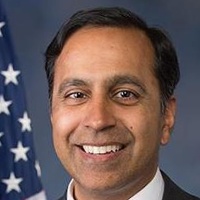
Raja Krishnamoorthi
Representative
IL
Raja Krishnamoorthi
Representative
IL
This resolution formally recognizes the significant religious and historical importance of the festival of Diwali to Indian-American communities across the nation. Congress acknowledges Diwali as the festival of lights, celebrated by Hindus, Sikhs, and Jains for its symbolism of knowledge, peace, and the triumph of good over evil. By passing this, the House expresses respect for the Indian diaspora and appreciates the strong partnership between the United States and India.
This act ensures that state and local funds used to keep Head Start and Early Head Start programs running during a federal government shutdown are fully reimbursed.
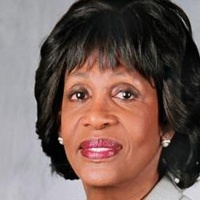
Maxine Waters
Representative
CA
Maxine Waters
Representative
CA
The Head Start Shutdown Protection Act of 2025 ensures that states, local governments, or school districts are reimbursed for any of their own funds used to keep Head Start and Early Head Start programs operational during a lapse in federal appropriations. This legislation protects these vital early childhood education services from disruption caused by government shutdowns. By guaranteeing reimbursement, the Act encourages local entities to maintain program continuity without bearing the financial burden.
This bill mandates that the House of Representatives convene daily during a government shutdown, requiring recorded quorum calls with fines for non-attendance.
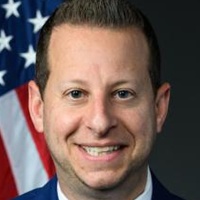
Jared Moskowitz
Representative
FL
Jared Moskowitz
Representative
FL
This bill mandates that the House of Representatives must convene daily during a government shutdown, limiting their ability to adjourn. It requires recorded quorum calls on session days, imposing escalating fines on members who fail to check in electronically for two consecutive days. These fines must be paid by the member personally, with procedures established for appeals and automatic salary deduction for non-payment.