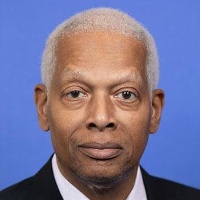
Legislative Activity
Track Hank's sponsored bills, co-sponsored legislation, and voting record
This Act establishes an advisory committee to systematically review and recommend replacements for offensive place names on federal lands to promote reconciliation and dignity.
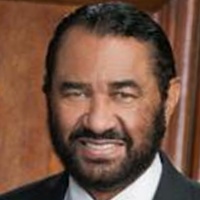
Al Green
Representative
TX
Al Green
Representative
TX
The Reconciliation in Place Names Act establishes a new Advisory Committee to systematically review and recommend replacements for offensive geographic names on federal lands. This committee, composed of diverse experts and tribal representatives, will advise the Board on Geographic Names regarding proposed changes. The Board must then approve or reject these renaming proposals within three years, prioritizing changes unless a compelling public interest dictates otherwise. This process aims to foster reconciliation by removing derogatory and prejudiced place names across the United States.
The Vote at Home Act of 2025 mandates that states mail federal election ballots to all registered voters two weeks before the election, provides free postage for these ballots, and establishes automatic voter registration through motor vehicle departments.
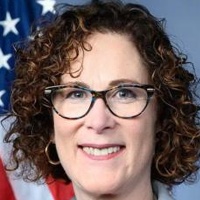
Valerie Hoyle
Representative
OR
Valerie Hoyle
Representative
OR
The Vote at Home Act of 2025 aims to expand access to federal elections by mandating that states mail ballots to all registered voters two weeks before election day and provide free return postage. It also modernizes voter registration by requiring motor vehicle departments to streamline registration forms and automatically register eligible citizens who provide proof of citizenship when obtaining or renewing a driver's license. These provisions are intended to increase voter turnout, reduce in-person lines, and lower administrative costs.
The WISE Act aims to remove barriers for immigrant survivors of crime and abuse seeking legal status, while significantly reforming and expanding protections within the U-visa program and other victim-based immigration relief.
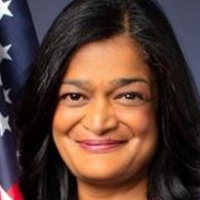
Pramila Jayapal
Representative
WA
Pramila Jayapal
Representative
WA
The Working for Immigrant Safety and Empowerment (WISE) Act aims to strengthen protections and streamline legal pathways for non-citizen survivors of crime and abuse, including domestic violence and trafficking. The bill reforms the U-visa program by eliminating its annual cap and speeding up work authorization for victims. It also establishes new protections against detention and deportation for victims with pending humanitarian applications and expands access to public benefits for certain lawfully present noncitizens.
This bill expands eligibility for the Savers Credit and Savers Match by removing the restriction that previously disqualified full-time students claimed as dependents.
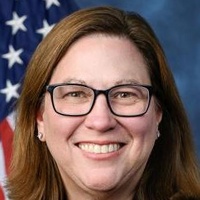
Julie Johnson
Representative
TX
Julie Johnson
Representative
TX
The Expanded Student Saver’s Tax Credit Act removes restrictions that previously prevented full-time students claimed as dependents from accessing the Savers Credit and the Savers Match programs. This legislation allows students who are claimed as dependents to qualify for these retirement savings incentives based on their own contributions. Essentially, being claimed as a dependent no longer automatically disqualifies a student from receiving these tax benefits.
This resolution supports the goals of National Youth HIV/AIDS Awareness Day by advocating for comprehensive education, reduced stigma, and improved, youth-friendly access to HIV prevention, testing, and care for young people.
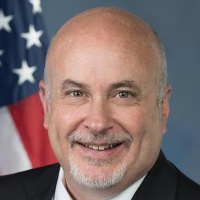
Mark Pocan
Representative
WI
Mark Pocan
Representative
WI
This resolution formally supports the goals of National Youth HIV/AIDS Awareness Day by recognizing the disproportionate impact of HIV on young people. It advocates for improved access to youth-friendly education, testing, and medical care, including PrEP and treatment, without stigma or criminalization. The bill urges the removal of outdated laws and supports increased funding for critical HIV prevention and support programs. Ultimately, it calls for comprehensive strategies that prioritize youth leadership to reduce HIV-related stigma and improve health outcomes.
This Act establishes an Advisory Council to survey needs, identify best practices, and disseminate comprehensive resources for victims of all forms of gun violence.
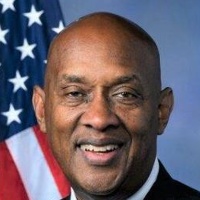
Dwight Evans
Representative
PA
Dwight Evans
Representative
PA
The Resources for Victims of Gun Violence Act of 2025 establishes an Advisory Council, led by HHS, to assess the needs of gun violence victims and service providers. This Council will survey stakeholders, review existing support programs, and identify best practices for medical, financial, and mental health assistance. Its primary function is to compile and widely distribute a comprehensive list of available federal, state, and nonprofit resources to ensure victims can easily access necessary aid.
This bill overhauls federal workforce and adult education programs to integrate digital literacy, establish career navigators, and enhance accountability across training services.
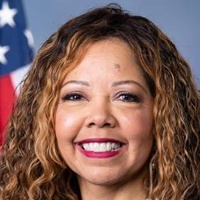
Lucy McBath
Representative
GA
Lucy McBath
Representative
GA
The Adult Education Workforce Opportunity and Reskilling for Knowledge and Success Act overhauls existing workforce and adult education laws to better connect Americans with modern job opportunities. It achieves this by integrating digital literacy training, establishing new "College and Career Navigators" for personalized guidance, and authorizing increased federal funding for these services. The bill also modernizes adult education goals to emphasize full civic participation and requires greater transparency in state workforce planning.
This resolution urges the United States to lead global efforts to halt the nuclear arms race, reduce existing stockpiles, and implement verifiable measures to prevent nuclear war.
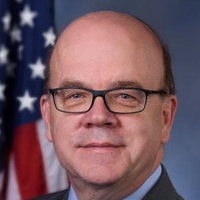
James McGovern
Representative
MA
James McGovern
Representative
MA
This resolution urges the United States to immediately prioritize global nuclear disarmament and lead the world back from the brink of nuclear war. It calls on the President to negotiate verifiable arms reduction treaties with all nuclear states to halt the arms race and prevent catastrophic conflict. Key actions include renouncing "first use," ending hair-trigger alert postures, and ceasing the development of new nuclear weapons. Furthermore, the bill demands comprehensive support, cleanup, and economic transition planning for communities and workers affected by past and present nuclear activities.
This act bans bump stocks and similar devices that increase the firing rate of semi-automatic firearms, requiring registration for any previously modified weapons.
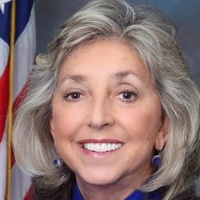
Dina Titus
Representative
NV
Dina Titus
Representative
NV
The Closing the Bump Stock Loophole Act of 2025 seeks to amend federal gun laws by banning devices and modifications that significantly increase the rate of fire of semiautomatic firearms, effectively treating them like machineguns. The bill specifically prohibits the manufacture, sale, or possession of such accessories and modified firearms after 120 days of enactment. Existing owners of previously modified firearms must register them under the National Firearms Act within that same timeframe to legally keep them.
The Gas-Operated Semi-Automatic Firearms Exclusion (GOSAFE) Act prohibits the manufacture, sale, and possession of certain gas-operated semi-automatic firearms and large-capacity ammunition feeding devices, while establishing a formal process for firearm determinations and funding buy-back programs.
Lucy McBath
Representative
GA
Lucy McBath
Representative
GA
The Gas-Operated Semi-Automatic Firearms Exclusion Act (GOSAFE Act) prohibits the manufacture, sale, and possession of certain gas-operated semi-automatic firearms and large-capacity ammunition feeding devices (over 10 rounds). The bill establishes a formal process managed by the Attorney General and ATF to list prohibited firearms, while grandfathering existing possessions under strict transfer rules. Furthermore, it permits states to use federal Byrne grants for voluntary buy-back programs targeting these newly restricted items. Violations carry significant fines and potential prison sentences.
This bill establishes the American Family Act, which revamps the Child Tax Credit into a system of refundable monthly advance payments for qualifying children and a separate credit for other dependents.
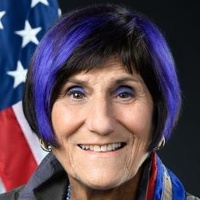
Rosa DeLauro
Representative
CT
Rosa DeLauro
Representative
CT
The American Family Act fundamentally overhauls the Child Tax Credit by replacing the annual lump sum with a system of advance, refundable monthly payments delivered directly to families. These monthly allowances vary based on the child's age, with higher amounts provided for younger children. The bill also establishes a separate, smaller credit for other dependents and outlines procedures for annual renewal and reconciliation of advance payments when filing taxes.
This bill prevents Congress from using the reconciliation process to cut funding or eligibility for Medicaid and SNAP until January 20, 2029.
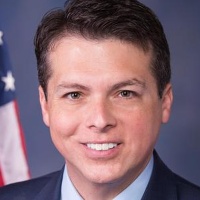
Brendan Boyle
Representative
PA
Brendan Boyle
Representative
PA
The Hands Off Medicaid and SNAP Act of 2025 prevents Congress from using the budget reconciliation process to cut funding or eligibility for Medicaid and the Supplemental Nutrition Assistance Program (SNAP). This protection establishes a significant procedural roadblock against reducing benefits for these essential social programs. However, this restriction is temporary and is set to expire on January 20, 2029.
This resolution expresses Congressional support for the "Rise Up for LGBTQI+ Youth in Schools Initiative," urging communities to ensure equal educational opportunity and civil rights protections for all students in K-12 schools.
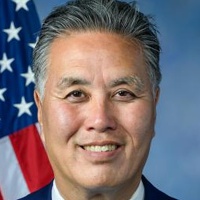
Mark Takano
Representative
CA
Mark Takano
Representative
CA
This resolution expresses strong Congressional support for the "Rise Up for LGBTQI+ Youth in Schools Initiative," urging communities nationwide to ensure equal educational opportunities and civil rights protections for all students. It calls for K-12 schools to become safe and affirming environments, free from discrimination, bullying, and erasure of LGBTQI+ identities. The bill specifically encourages states and local governments to adopt policies that actively protect LGBTQI+ youth from bias and exclusion.
Recognizes the life, achievements, and legacy of Henry Louis "Hank" Aaron as a baseball legend, civil rights icon, and symbol of American determination.
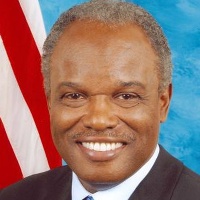
David Scott
Representative
GA
David Scott
Representative
GA
This bill honors the life and legacy of Henry Louis "Hank" Aaron, recognizing his achievements as a baseball player, his impact as a civil rights figure, and his embodiment of the American spirit. It acknowledges his overcoming of adversity and his status as one of the greatest athletes in U.S. history.
The Raise the Wage Act of 2025 gradually increases the federal minimum wage to \$17.00, phases out subminimum wages for tipped employees and workers with disabilities, and eliminates the subminimum wage for young workers.
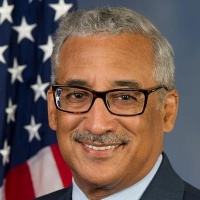
Robert Scott
Representative
VA
Robert Scott
Representative
VA
The Raise the Wage Act of 2025 establishes a phased increase of the federal minimum wage, culminating in a \$17.00 per hour rate five years after enactment, followed by automatic annual adjustments tied to median wage growth. This bill also phases out the lower minimum wage for tipped employees and workers under 20, ensuring they eventually earn the standard federal minimum wage. Furthermore, it sets a schedule to eliminate subminimum wages for individuals with disabilities and prohibits the issuance of new special certificates allowing for lower pay.
This Act prevents the executive branch from deferring or transferring congressionally appropriated VA funds and establishes specific protections for VA personnel against hiring freezes and certain removals.
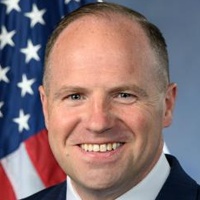
Timothy Kennedy
Representative
NY
Timothy Kennedy
Representative
NY
The VA Funding and Workforce Protection Act ensures that congressionally appropriated funds for the Department of Veterans Affairs cannot be unilaterally withheld or transferred without explicit new authorization from Congress. This legislation also provides significant protections for VA personnel by exempting the agency from presidential hiring freezes for a four-year period and establishing strict notification requirements before layoffs or removals of probationary employees can occur. Finally, the Secretary of the VA must regularly certify compliance with these new funding and personnel mandates to relevant Congressional committees.
This Act establishes federal minimum standards for public employee collective bargaining rights, allowing states to maintain their own laws if they meet or exceed these standards, otherwise the Federal Labor Relations Authority will enforce federal rules.
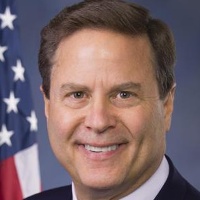
Donald Norcross
Representative
NJ
Donald Norcross
Representative
NJ
The Public Service Freedom to Negotiate Act of 2025 establishes federal minimum standards for collective bargaining rights for public employees across the nation. It requires the Federal Labor Relations Authority (FLRA) to review state laws to ensure they substantially provide these minimum rights, including the right to organize and bargain collectively. If a state fails to meet these standards, the FLRA will administer federal labor relations rules for the uncovered employees. The Act also prohibits strikes or lockouts that would measurably disrupt emergency or public safety services.
The Community First Act establishes federal grants to help local partnerships analyze data and implement strategies to significantly reduce local jail populations and associated equity disparities.
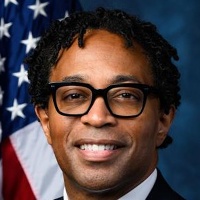
Wesley Bell
Representative
MO
Wesley Bell
Representative
MO
The Community First Act establishes a new federal grant program managed by the Attorney General to help local governments significantly reduce their jail populations and the length of pretrial detention. These grants fund both data analysis for planning and the implementation of evidence-based strategies like reducing cash bail and expanding pretrial services. Grantees must meet strict annual goals for incarceration rate reduction, or risk losing their funding. The Act prioritizes ambitious plans from high-incarceration areas while ensuring rural and mid-sized communities receive funding opportunities.
This resolution expresses support for designating April 7, 2025, as World Health Day while recognizing critical U.S. healthcare challenges, prioritizing maternal and newborn health, addressing disparities, and calling for greater investment in public health.
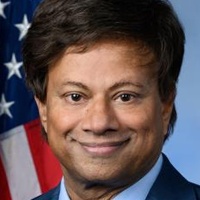
Shri Thanedar
Representative
MI
Shri Thanedar
Representative
MI
This resolution expresses support for designating April 7, 2025, as "World Health Day" and recognizes significant challenges within the U.S. healthcare system, including rising costs and disparities in access. It specifically highlights the urgent need to prioritize maternal and newborn health, address inequities affecting vulnerable populations, and support healthcare workers. Ultimately, the bill calls for increased investment to ensure affordable, high-quality healthcare for all Americans.
The No Tax Breaks for Union Busting Act denies businesses tax deductions for expenses incurred while influencing employees regarding union organization and activities.
Donald Norcross
Representative
NJ
Donald Norcross
Representative
NJ
The No Tax Breaks for Union Busting (NTBUB) Act aims to disallow businesses from deducting federal income taxes for expenses incurred while attempting to influence employees regarding union organization or activities. This change is intended to stop companies from subsidizing anti-union campaigns through tax write-offs. The bill also establishes new, significant reporting requirements and penalties for businesses and third-party consultants who engage in these influence expenditures.