Legislative Activity
Track Glenn's sponsored bills, co-sponsored legislation, and voting record
This bill extends WIC eligibility and enhanced food benefits for postpartum and breastfeeding mothers from one year to 24 months.
Lucy McBath
Representative
GA
Lucy McBath
Representative
GA
The Extending WIC for New Moms Act increases the duration of WIC eligibility for postpartum mothers from six months to 24 months. It also extends the period for receiving enhanced breastfeeding food packages to 24 months. Additionally, the bill mandates a comprehensive report to Congress evaluating the impact of these extensions on maternal and infant health outcomes.
The Social Determinants for Moms Act establishes federal grant programs and a dedicated task force to improve maternal health outcomes by addressing the nonclinical social factors that impact pregnant and postpartum individuals.
Jahana Hayes
Representative
CT
Jahana Hayes
Representative
CT
The Social Determinants for Moms Act aims to reduce maternal mortality and health disparities by addressing the nonclinical factors that impact pregnancy and postpartum outcomes. The bill establishes federal grant programs to provide essential services—such as housing, nutrition, transportation, and childcare—to pregnant and postpartum individuals. Additionally, it creates a federal task force to coordinate cross-agency strategies to improve maternal health and support community-led initiatives across the country.
The Energy Bills Relief Act aims to lower energy costs for families by reversing clean energy rollbacks, expanding assistance programs, streamlining grid upgrades, and increasing transparency in utility regulation.
Sean Casten
Representative
IL
Sean Casten
Representative
IL
The Energy Bills Relief Act is a comprehensive bill designed to lower energy costs for American families, accelerate the deployment of low-cost, clean energy, and modernize the nation's electricity grid. It achieves this by reversing harmful policies against renewables, expanding energy assistance programs, streamlining grid connection processes, and increasing transparency in utility regulation. Ultimately, the legislation aims to create a more reliable, affordable, and cleaner energy system while ensuring communities have a stronger voice in energy development.
The Momnibus Act is a comprehensive legislative package designed to improve maternal health outcomes and reduce racial disparities by addressing social determinants, expanding nutritional and mental health support, diversifying the perinatal workforce, and investing in data-driven, community-based care.

Lauren Underwood
Representative
IL
Lauren Underwood
Representative
IL
The Momnibus Act is a comprehensive legislative package designed to end preventable maternal mortality and close racial and ethnic disparities in maternal health outcomes. By addressing social determinants of health, expanding nutritional and mental health support, and investing in a diverse, culturally competent workforce, the bill provides a holistic framework for improving care. Through targeted federal grants, enhanced data collection, and innovative technology, the Act aims to ensure that all pregnant and postpartum individuals receive the equitable, high-quality care they deserve.
The MAWS Act of 2026 establishes a NOAA pilot program to incentivize the commercial harvest and processing of invasive blue catfish in the Chesapeake Bay Watershed to support local watermen and improve ecosystem health.
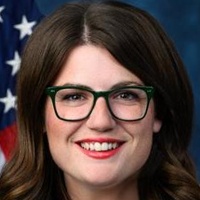
Sarah Elfreth
Representative
MD
Sarah Elfreth
Representative
MD
The MAWS Act of 2026 establishes a two-year pilot program to incentivize the removal of invasive blue catfish from the Chesapeake Bay Watershed. By providing funding to pet food and animal feed manufacturers, the program encourages the purchase of blue catfish from local watermen at set prices. Additionally, the act mandates improved data collection and reporting to better track the species' abundance and assess the program's environmental and economic impact.
The Enhanced Iran Sanctions Act of 2025 mandates broad economic and immigration sanctions on foreign individuals, entities, and financial institutions that support Iran’s nuclear, missile, drone, or terrorist activities, while specifically targeting the country's petroleum and petrochemical sectors.
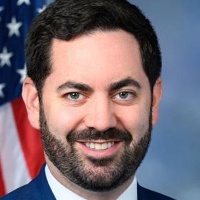
Michael Lawler
Representative
NY
Michael Lawler
Representative
NY
The Enhanced Iran Sanctions Act of 2025 strengthens U.S. policy by imposing mandatory sanctions on foreign persons and financial institutions that support Iran’s nuclear, ballistic missile, drone, and terrorist activities. The bill specifically targets Iran’s petroleum and petrochemical sectors to cut off funding for these malign programs. Additionally, it expands the State Department’s "Rewards for Justice" program to incentivize the reporting of individuals who evade these sanctions.
The Medicaid VBPs for Patients (MVP) Act modernizes Medicaid drug pricing and reporting rules to facilitate value-based purchasing arrangements between states and manufacturers, aiming to improve patient access to innovative therapies.
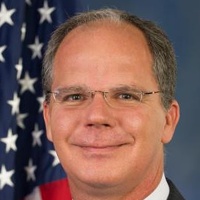
Brett Guthrie
Representative
KY
Brett Guthrie
Representative
KY
The Medicaid VBPs for Patients (MVP) Act updates federal drug pricing regulations to formally support value-based purchasing arrangements in Medicaid and Medicare. By refining how drug prices are calculated and providing guidance for state-level implementation, the bill aims to improve patient access to innovative therapies while ensuring better health outcomes. Additionally, it creates necessary legal exceptions for these arrangements and mandates a GAO study to evaluate their long-term impact on costs and patient care.
The WELLS Act mandates standardized discharge planning for pregnant patients in Medicare-participating hospitals, expands rural maternal care training, and establishes new initiatives to improve maternal health outcomes and data transparency.
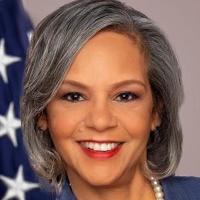
Robin Kelly
Representative
IL
Robin Kelly
Representative
IL
The WELLS Act aims to improve maternal health outcomes by mandating comprehensive discharge planning for pregnant patients in Medicare-participating hospitals. The bill also expands rural obstetric training programs with a focus on racial bias, establishes a research initiative to evaluate maternal healthcare training models, and creates a public dashboard to track national maternal health data.
This Act amends the Fair Housing Act to establish survivors of domestic violence, sexual assault, or severe forms of trafficking as a protected class, prohibiting housing discrimination against them.
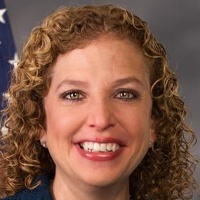
Debbie Wasserman Schultz
Representative
FL
Debbie Wasserman Schultz
Representative
FL
The Fair Housing for Survivors Act of 2026 amends the Fair Housing Act to establish survivors of domestic violence, sexual assault, or severe forms of trafficking as a protected class. This makes it illegal to discriminate against these individuals in housing transactions, including rentals, sales, and financing. The bill aims to ensure survivors can secure and maintain safe housing free from further victimization.
This resolution urges the President to order U.S. flags flown at half-staff to honor the life and legacy of civil rights leader Reverend Jesse Jackson.
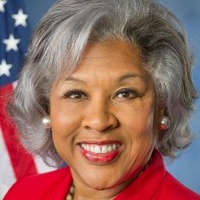
Joyce Beatty
Representative
OH
Joyce Beatty
Representative
OH
This resolution formally honors the life and enduring legacy of civil rights leader Reverend Jesse Louis Burns Jackson, Sr. It recognizes his significant contributions to the Civil Rights Movement, including his work with Dr. Martin Luther King, Jr. and his founding of Operation PUSH. The bill specifically urges the President to order that the U.S. flag be flown at half-staff in his memory.
The PrEP Access and Coverage Act of 2026 mandates comprehensive, cost-free insurance coverage for HIV prevention services across public and private health plans while prohibiting discriminatory insurance practices and funding national education and outreach programs.
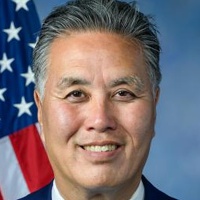
Mark Takano
Representative
CA
Mark Takano
Representative
CA
The PrEP Access and Coverage Act of 2026 mandates comprehensive, cost-free insurance coverage for HIV prevention services (PrEP and PEP) across private health plans, Medicare, Medicaid, TRICARE, and veteran health programs. The bill prohibits insurers from denying coverage or increasing premiums based on the use of HIV prevention medication and establishes robust patient confidentiality protections. Additionally, it authorizes national public health education campaigns and provides grant funding to expand access to prevention services for uninsured and underinsured populations.
This bill strengthens democracy by banning foreign spending in U.S. elections, increasing transparency for "dark money" in politics, and mandating clear disclosure of funders in political advertising.

Chris Pappas
Representative
NH
Chris Pappas
Representative
NH
The Democracy Is Strengthened by Casting Light On Spending in Elections Act of 2026 aims to increase transparency and security in U.S. elections. It closes loopholes to ban foreign national spending in elections, mandates disclosure for "dark money" political spending, and requires clear funding disclosures on political ads. The bill also centralizes legal challenges to campaign finance laws in Washington, D.C., for faster resolution.
This resolution honors the life, legacy, and enduring commitment to civil rights and equality of Reverend Jesse Louis Jackson, Sr.
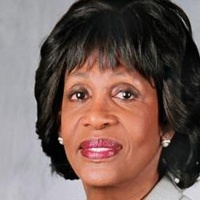
Maxine Waters
Representative
CA
Maxine Waters
Representative
CA
This resolution honors the life, leadership, and enduring legacy of Reverend Jesse Louis Jackson, Sr. It recognizes his pivotal role as a civil rights leader, his groundbreaking political campaigns, and his global advocacy for human rights and equality. The measure encourages all Americans to continue his work by moving forward with hope rather than fear and division.
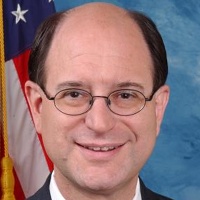
The Direct File Act of 2026 establishes a permanent, free, government-owned online tax filing system within the IRS while prohibiting agreements that restrict the government from providing tax preparation services.
Brad Sherman
Representative
CA
Brad Sherman
Representative
CA
The Direct File Act of 2026 establishes a permanent, free, government-owned online tax filing system within the IRS, ensuring taxpayers have a simplified and accessible way to file their returns. The bill prohibits the Treasury from entering into agreements that restrict the government's ability to provide these services and mandates the integration of state tax filing options. Additionally, it streamlines the tax process by setting new filing deadlines for employer information returns to improve efficiency for all taxpayers.
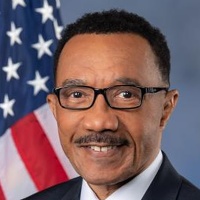
The African American History Act of 2026 authorizes the National Museum of African American History and Culture to develop and support educational programs, resources, and curricula to enhance the teaching of African American history nationwide.
Kweisi Mfume
Representative
MD
Kweisi Mfume
Representative
MD
The African American History Act of 2026 authorizes the National Museum of African American History and Culture to develop and expand educational resources, curricula, and digital programming for students and educators nationwide. By providing $10 million in annual funding through 2030, the Act aims to promote a deeper understanding of African American history through a social justice and anti-bias lens. Additionally, the legislation encourages the development of similar educational initiatives across other Smithsonian museums dedicated to diverse American histories.
This bill establishes independent offices within the Supreme Court to provide ethics guidance to justices and investigate potential ethics violations.

Dan Goldman
Representative
NY
Dan Goldman
Representative
NY
The Supreme Court Ethics and Investigations Act establishes two independent offices within the Supreme Court to enhance judicial accountability. The Office of Ethics Counsel will provide guidance and mandatory training for justices on conduct and financial disclosures, while the Office of Investigative Counsel will be empowered to investigate and report on ethics complaints filed against justices.
This resolution designates Black History Month 2026, honors the contributions of Black Americans through the "Unsung Souls" and "Righteous Intercessors" recognitions, and affirms the importance of a complete national narrative.

Al Green
Representative
TX
Al Green
Representative
TX
This resolution officially recognizes Black History Month and adopts "A Century of Black History Commemorations" as the theme for 2026. It honors the contributions of Black Americans by establishing categories for "Unsung Souls" and "Righteous Intercessors." Ultimately, the bill affirms that Black history commemorations are essential for a complete national narrative and inspiring future progress toward liberty and justice for all.
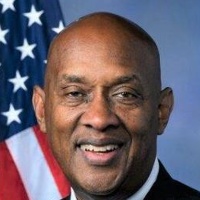
This resolution establishes a memorial in Philadelphia to honor the civil rights leaders who successfully desegregated Girard College.
Dwight Evans
Representative
PA
Dwight Evans
Representative
PA
This resolution recognizes the historic desegregation efforts at Girard College in Philadelphia and honors the African-American leaders and civil rights activists involved. It establishes the Cecil B. Moore Philadelphia Freedom Fighters Memorial at a specific location in Philadelphia to commemorate their contributions. The resolution also emphasizes the importance of preserving diversity and protecting student civil rights in higher education nationwide.
This bill establishes a politically balanced National Council on African American History and Culture within the National Endowment for the Humanities to advise on policy, monitor preservation efforts, and report on the celebration of African American history and culture.
Kweisi Mfume
Representative
MD
Kweisi Mfume
Representative
MD
This bill establishes the National Council on African American History and Culture within the National Endowment for the Humanities. The Council will consist of 12 presidentially appointed members tasked with advising on national policy related to preserving and celebrating African American history and culture. Its duties include monitoring relevant efforts, evaluating NEH programs, and submitting annual reports. The Council is set to terminate ten years after the law's enactment.
The Healthy Families Act establishes a national standard requiring most employers to provide employees with earned paid sick leave for personal or family health needs and related safety issues.

Rosa DeLauro
Representative
CT
Rosa DeLauro
Representative
CT
The Healthy Families Act establishes a national standard requiring most employers to provide employees with earned paid sick leave. Employees will accrue a minimum of one hour of paid time for every 30 hours worked, usable for personal or family health needs, domestic violence, sexual assault, or stalking. The Act prohibits employer retaliation for using this leave and ensures existing, more generous leave policies are not diminished.