Legislative Activity
Track Mark's sponsored bills, co-sponsored legislation, and voting record
This bill proposes a constitutional amendment to permanently set the number of Supreme Court justices at nine, requiring ratification by three-fourths of the states within seven years.

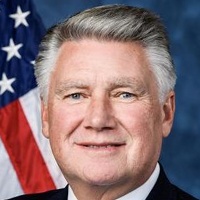
Dusty Johnson
Representative
SD
Dusty Johnson
Representative
SD
This bill proposes a constitutional amendment to fix the number of Supreme Court justices at nine. For this amendment to be valid, three-fourths of the state legislatures must ratify it within seven years of its submission.
The Birthright Citizenship Act of 2025 limits automatic birthright citizenship to children born in the U.S. to at least one parent who is a U.S. citizen, a lawful permanent resident, or an alien serving in the U.S. armed forces.
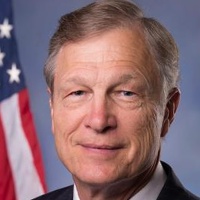
Brian Babin
Representative
TX
Brian Babin
Representative
TX
The Birthright Citizenship Act of 2025 proposes to limit automatic birthright citizenship to children born in the United States who have at least one parent who is a U.S. citizen, a lawful permanent resident, or an alien serving in the U.S. armed forces. This legislation would exclude children born to parents without legal status or those on temporary visas from receiving automatic citizenship. These changes would apply only to individuals born on or after the date of the Act's enactment.
This bill mandates the destruction of existing firearm transaction records from closed businesses and prohibits the ATF from collecting such records in the future.
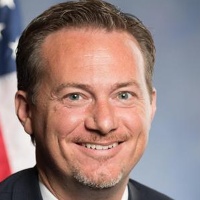
Michael Cloud
Representative
TX
Michael Cloud
Representative
TX
The "No Retaining Every Gun In a System That Restricts Your Rights Act" mandates the destruction of all firearm transaction records currently held by the ATF from discontinued businesses. Furthermore, it amends federal law to prohibit the future collection and transfer of these records to the government when a firearms business ceases operations. The bill also requires the ATF to submit a formal report to Congress confirming the number of records destroyed.
This bill amends the Immigration and Nationality Act to deem aliens convicted of or admitting to committing sex offenses, domestic violence, stalking, child abuse, or violating protection orders as inadmissible and deportable. It broadens the definition of crimes against children to include domestic violence, regardless of grant funding status.

Nancy Mace
Representative
SC
Nancy Mace
Representative
SC
The "Preventing Violence Against Women by Illegal Aliens Act" amends the Immigration and Nationality Act to deem aliens inadmissible and deportable if they have committed or admitted to acts constituting sex offenses, domestic violence, stalking, child abuse, or violating protection orders. It broadens the definition of crimes against children to include any crime constituting domestic violence.
The Lumbee Fairness Act grants full federal recognition to the Lumbee Tribe of North Carolina, establishing their eligibility for federal services, benefits, and land-into-trust protections.
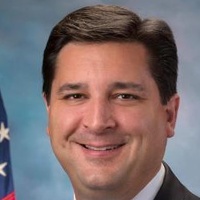
David Rouzer
Representative
NC
David Rouzer
Representative
NC
The Lumbee Fairness Act grants full federal recognition to the Lumbee Tribe of North Carolina, extending eligibility for federal services and benefits to its members. The bill establishes a framework for tribal roll verification, authorizes the Secretary of the Interior to take land into trust for the tribe, and outlines the jurisdictional relationship between the tribe, the state, and the federal government.
This bill increases the railroad track maintenance tax credit, introduces annual inflation adjustments, and extends the eligibility period for qualifying expenditures.

Mike Kelly
Representative
PA
Mike Kelly
Representative
PA
This bill amends the Internal Revenue Code to expand the railroad track maintenance credit by increasing the per-mile tax credit to $6,100 and implementing annual inflation adjustments starting in 2026. It also extends the eligibility window for qualifying maintenance expenditures to include costs incurred through 2023. These updates aim to provide greater financial support for ongoing railroad infrastructure improvements.
The Veterans Collaboration Act establishes a two-year pilot program to connect veterans service organizations with law school pro bono clinics to expand legal assistance for veterans.

Robert Wittman
Representative
VA
Robert Wittman
Representative
VA
The Veterans Collaboration Act establishes a two-year pilot program to connect veterans service organizations with law school pro bono clinics to expand access to legal assistance. Operating in states with the largest veteran populations, the program aims to streamline support for disability claims and other legal needs. The Department of Veterans Affairs will promote these partnerships through social media and provide regular progress reports to Congress.
The AMERICANS Act provides remedies, reinstatement, and record expungement for military service members who faced adverse actions or discharge due to the COVID-19 vaccine mandate.
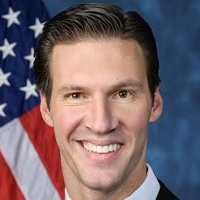
Pat Harrigan
Representative
NC
Pat Harrigan
Representative
NC
The AMERICANS Act of 2025 provides relief to military service members who faced discharge or adverse action due to the COVID-19 vaccine mandate. The bill mandates the correction of service records, offers pathways for reinstatement and back pay, and prohibits future COVID-19 vaccine mandates without explicit Congressional authorization. Additionally, it establishes clear exemption processes for deployment and ensures equal professional treatment for unvaccinated personnel.
This bill reclassifies silencers under federal tax law, removes federal registration requirements for legally transferred silencers, preempts state taxation and registration of silencers in commerce, and mandates the destruction of existing federal silencer registration records.

Ben Cline
Representative
VA
Ben Cline
Representative
VA
The Hearing Protection Act aims to remove silencers from the purview of the National Firearms Act (NFA) by treating them similarly to standard firearms under federal tax law. This legislation preempts certain state and local taxes and registration requirements related to silencers involved in interstate commerce. Furthermore, the bill mandates the destruction of existing federal silencer registration records and updates federal marking requirements for manufacturers.
The No Welfare for the Wealthy Act of 2025 amends the Food and Nutrition Act to strictly enforce income and resource eligibility requirements for food assistance benefits.
Ben Cline
Representative
VA
Ben Cline
Representative
VA
The "No Welfare for the Wealthy Act of 2025" amends the Food and Nutrition Act of 2008 to strictly enforce income and resource eligibility requirements for food assistance benefits. By closing existing loopholes, the bill ensures that program resources are reserved for households that meet established financial criteria. These changes will take effect one year following the date of enactment.
This bill amends Title IX to prohibit schools receiving federal funds from allowing males to participate in female athletic programs, defining "sex" as determined at birth, while allowing males to train with female teams if it doesn't deprive females of opportunities or benefits. It also requires a study on the impact of male participation in female sports.
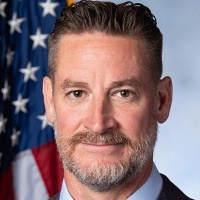
W. Steube
Representative
FL
W. Steube
Representative
FL
The "Protection of Women and Girls in Sports Act of 2025" amends Title IX to prohibit schools receiving federal funds from allowing males to participate in female athletic programs. Sex is defined as based on reproductive biology and genetics at birth. The bill allows males to train with female teams if it doesn't deprive females of opportunities. It also requires a study on the benefits lost to women when males participate in female sports.
This bill prohibits the use of U.S. taxpayer funds for the United Nations Human Rights Council by withholding and rescinding the portion of annual UN contributions allocated to the Council.

Chip Roy
Representative
TX
Chip Roy
Representative
TX
The "No Taxpayer Funding for United Nations Human Rights Council Act" prohibits the use of U.S. funds to support the UN Human Rights Council. It mandates that the Secretary of State withhold the portion of U.S. contributions allocated to the Council and permanently rescinds those funds. This ensures that no American taxpayer dollars are directed toward the Council's operations.
The Border Safety and Security Act of 2025 authorizes the Secretary of Homeland Security to suspend the entry of inadmissible aliens at U.S. borders when detention capacity is unavailable or operational control is compromised.
Chip Roy
Representative
TX
Chip Roy
Representative
TX
The Border Safety and Security Act of 2025 authorizes the Secretary of Homeland Security to suspend the entry of inadmissible aliens at U.S. borders to maintain operational control. It mandates a suspension of entry whenever the government lacks the capacity to properly detain or monitor these individuals. Additionally, the bill empowers state attorneys general to sue the federal government to enforce these border security requirements.
The REMAIN in Mexico Act of 2025 mandates the implementation of the Migrant Protection Protocols, requiring asylum seekers to wait in Mexico while their claims are processed.

Brandon Gill
Representative
TX
Brandon Gill
Representative
TX
The REMAIN in Mexico Act of 2025 mandates that the Secretary of Homeland Security reinstate the Migrant Protection Protocols (MPP). This legislation requires that asylum seekers be returned to Mexico to await their U.S. immigration proceedings, effectively codifying the 2019 policy guidance into law.
This bill mandates the formal abolishment of the Bureau of Alcohol, Tobacco, Firearms and Explosives (ATF).
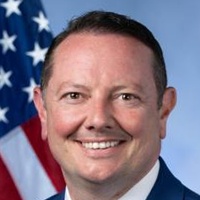
Eric Burlison
Representative
MO
Eric Burlison
Representative
MO
The Abolish the ATF Act is a legislative proposal that mandates the immediate dissolution of the Bureau of Alcohol, Tobacco, Firearms and Explosives. This bill seeks to formally terminate the agency and eliminate its federal oversight functions.
This bill proposes a constitutional amendment to limit members of the House of Representatives to three terms and Senators to two terms, with specific provisions for partial terms. Terms served before the amendment's ratification would not be counted towards these limits, and the amendment must be ratified within seven years to be valid.
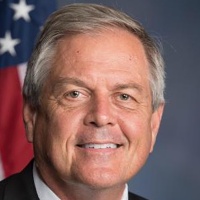
Ralph Norman
Representative
SC
Ralph Norman
Representative
SC
This bill proposes a constitutional amendment to limit the number of terms a member of Congress can serve. Representatives would be limited to 3 terms and Senators to 2 terms, with specific rules for partial terms. Terms served before the amendment's ratification would not be counted. The amendment must be ratified by three-fourths of the states within seven years to be valid.
The First Amendment Accountability Act allows individuals to sue federal executive branch employees for civil damages when their First Amendment rights are violated under color of federal authority.

Harriet Hageman
Representative
WY
Harriet Hageman
Representative
WY
The First Amendment Accountability Act empowers individuals to sue federal executive branch employees for violating their First Amendment rights while acting under federal authority. This legislation allows victims to seek monetary damages and legal remedies, while explicitly excluding internal federal employment disputes from its scope. Additionally, it provides for the recovery of attorney’s fees for successful plaintiffs to ensure greater accountability for government actions.
The FairTax Act of 2025 proposes replacing federal income, payroll, and estate taxes with a national consumption-based sales tax, accompanied by monthly family rebates and the eventual sunsetting of the IRS.
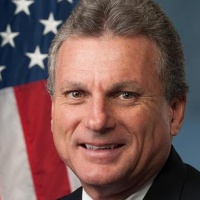
Earl Carter
Representative
GA
Earl Carter
Representative
GA
The FairTax Act of 2025 proposes a fundamental overhaul of the U.S. tax system by repealing federal income, payroll, estate, and gift taxes starting in 2027. In their place, the legislation establishes a national sales tax on new goods and services, supported by a monthly rebate for qualified families to offset the cost of basic necessities. The bill also transitions tax administration to the Treasury Department and includes a sunset provision that terminates the sales tax if the Sixteenth Amendment is not repealed within seven years.
The Regulations from the Executive in Need of Scrutiny (REINS) Act of 2025 increases congressional accountability by requiring federal agencies to obtain legislative approval for all "major" rules before they can take effect.

Katherine Cammack
Representative
FL
Katherine Cammack
Representative
FL
The Regulations from the Executive in Need of Scrutiny (REINS) Act of 2025 aims to increase federal regulatory accountability by requiring Congress to approve any "major" rule before it can take effect. Under this legislation, rules with a significant economic impact require a joint resolution of approval from both chambers of Congress to become law. By shifting this authority back to the legislative branch, the Act seeks to ensure greater transparency and oversight of the federal rulemaking process.