
Legislative Activity
Track Mark's sponsored bills, co-sponsored legislation, and voting record
This bill mandates federal investigations into potential violations of the partial-birth abortion ban, establishes mandatory reporting requirements for healthcare providers, and requires regular oversight reports to Congress.
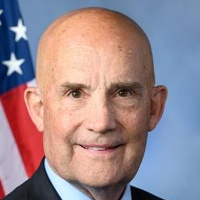
Keith Self
Representative
TX
Keith Self
Representative
TX
The Ensuring Justice for Victims of Partial-Birth Abortion Act mandates federal investigations into potential violations of the partial-birth abortion ban, including a specific inquiry into the 2022 discovery of fetal remains in Washington, D.C. The bill establishes new requirements for reporting suspected violations and mandates annual Department of Justice reporting on enforcement efforts. Additionally, it directs the Government Accountability Office to review and provide recommendations for strengthening the enforcement of existing federal abortion restrictions.
This bill amends the Internal Revenue Code to require taxpayers to provide valid, work-authorized Social Security numbers for themselves and their qualifying children to claim the Child Tax Credit and Earned Income Tax Credit.
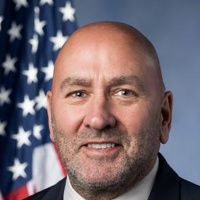
Clay Higgins
Representative
LA
Clay Higgins
Representative
LA
The Safeguarding American Workers’ Benefits Act updates eligibility requirements for the Child Tax Credit and the Earned Income Tax Credit. It mandates that taxpayers and qualifying children provide a valid Social Security number—issued to a U.S. citizen or work-authorized noncitizen—before the tax return due date to claim these benefits. These changes are set to take effect for tax years beginning after December 31, 2025.
The Parental Notification and Intervention Act of 2025 mandates parental notification and a 96-hour waiting period for abortions involving minors, while establishing a legal process for parents to seek court injunctions to block the procedure.
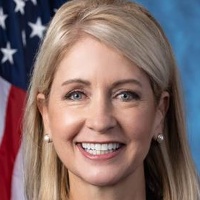
Mary Miller
Representative
IL
Mary Miller
Representative
IL
The Parental Notification and Intervention Act of 2025 mandates that parents or legal guardians be notified 96 hours prior to an abortion performed on an unemancipated minor, with limited exceptions for medical emergencies or documented abuse. The bill further empowers parents to seek federal court injunctions to block such procedures. It also preserves existing state laws that impose stricter notification or intervention requirements.
The Personalized Care Act of 2025 expands Health Savings Account (HSA) eligibility and contribution limits, allows HSA funds to cover insurance premiums and direct primary care fees, and reduces penalties for nonqualified distributions.

Chip Roy
Representative
TX
Chip Roy
Representative
TX
The Personalized Care Act of 2025 expands Health Savings Account (HSA) access by removing the high-deductible health plan requirement and significantly increasing annual contribution limits. The bill also broadens the scope of qualified medical expenses to include insurance premiums and direct primary care fees, while lowering the tax penalty for nonqualified distributions. These reforms aim to provide individuals with greater flexibility and control over their personal healthcare spending.
The Pregnancy Is Not an Illness Act of 2025 prohibits the FDA from classifying pregnancy as an illness when approving abortion drugs and voids existing approvals that relied on such a classification.
Mary Miller
Representative
IL
Mary Miller
Representative
IL
The Pregnancy Is Not an Illness Act of 2025 prohibits the FDA and the Department of Health and Human Services from classifying pregnancy as an illness when approving or regulating abortion drugs. The bill further mandates the immediate revocation of any existing abortion drug approvals that relied on such a classification, including the current approval of mifepristone.
The Second Chance for Moms Act of 2025 mandates warning labels on mifepristone regarding potential reversal treatments and establishes a 24/7 hotline to connect women with abortion pill reversal services.
Mary Miller
Representative
IL
Mary Miller
Representative
IL
The Second Chance for Moms Act of 2025 mandates that mifepristone labeling include a warning regarding the potential to counteract the drug's effects with progesterone. Additionally, the bill directs the Department of Health and Human Services to establish a 24/7 hotline to provide support and referrals for individuals seeking abortion pill reversal services.
This bill mandates that abortion providers offer patients the choice to bury or cremate fetal remains and establishes federal requirements and penalties for the proper disposal of such tissue.
Mary Miller
Representative
IL
Mary Miller
Representative
IL
The Dignity for Aborted Children Act mandates that abortion providers offer patients the choice to either personally arrange for the burial or cremation of fetal remains or release them to the provider for such disposal. The bill establishes strict federal requirements for the handling and documentation of these remains, imposing significant civil and criminal penalties on providers who fail to comply. Additionally, it requires providers to submit annual reports to the Department of Health and Human Services regarding abortion procedures and disposal methods.
The Life at Conception Act declares that the constitutional right to life begins at the moment of fertilization and applies to every member of the species *homo sapiens* at all stages of development.
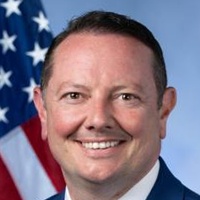
Eric Burlison
Representative
MO
Eric Burlison
Representative
MO
The Life at Conception Act declares that the constitutional right to life begins at the moment of fertilization, defining all human beings as persons from that point forward. The bill establishes legal personhood for every member of the species *homo sapiens* at all stages of development. Additionally, it explicitly prohibits the prosecution of any woman for the death of her unborn child.
This bill prohibits the use of federal Medicaid and CHIP funds for elective abortions, including related travel and lodging expenses, while maintaining exceptions for cases of rape, incest, or life-threatening medical conditions.
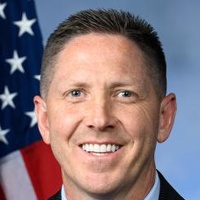
Josh Brecheen
Representative
OK
Josh Brecheen
Representative
OK
The No Abortion Coverage for Medicaid Act prohibits the use of federal Medicaid and CHIP funds for elective abortions, including associated travel and lodging costs. It specifically restricts the Secretary of Health and Human Services from approving demonstration projects that provide financial assistance for abortion services. The bill includes exceptions for cases involving rape, incest, or medical emergencies where the life of the mother is at risk.
The CBO Show Your Work Act mandates that the Congressional Budget Office publicly release the models, data, and computational details used in its legislative cost estimates to ensure transparency and independent replicability.
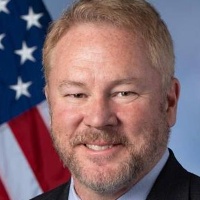
Warren Davidson
Representative
OH
Warren Davidson
Representative
OH
The CBO Show Your Work Act mandates that the Congressional Budget Office publicly release the models, data, and computational details used to estimate the fiscal and economic impacts of legislation. By requiring transparency and replicability, the bill ensures that outside parties can independently verify CBO findings. It also establishes clear protocols for handling confidential data to maintain privacy while maximizing public access to information.
This bill amends the Internal Revenue Code to prohibit the use of tax-advantaged health accounts, such as HSAs and FSAs, for abortion expenses, with narrow exceptions for rape, incest, or life-threatening medical conditions.
Josh Brecheen
Representative
OK
Josh Brecheen
Representative
OK
The Protecting Life in Health Savings Accounts Act amends the Internal Revenue Code to prohibit the use of tax-advantaged health accounts—including HSAs, FSAs, HRAs, and Archer MSAs—to pay for abortion expenses. The bill provides narrow exceptions for cases of rape, incest, or when the mother’s life is in danger. These changes are set to apply to taxable years beginning after December 31, 2025.
The National Constitutional Carry Act prohibits state and local governments from restricting the public carry of firearms by individuals who are legally eligible to possess them under federal law.

Thomas Massie
Representative
KY
Thomas Massie
Representative
KY
The National Constitutional Carry Act seeks to protect the Second Amendment right of law-abiding citizens to carry firearms in public for self-defense. The bill prohibits state and local governments from imposing criminal or civil penalties on individuals who are legally eligible to possess firearms. By overriding restrictive local regulations, the legislation aims to ensure a uniform standard for the right to bear arms across the United States.
This bill prohibits all federal departments and agencies from providing direct or indirect financial contributions to the United Nations Population Fund.
Chip Roy
Representative
TX
Chip Roy
Representative
TX
The "No Taxpayer Funding for the U.N. Population Fund Act" prohibits all federal departments and agencies from providing direct or indirect financial contributions to the United Nations Population Fund. This legislation ensures that no U.S. taxpayer dollars are used to support the organization.
The bill condemns a sermon given at the National Prayer Service on January 21, 2025, believing it was political activism.
Josh Brecheen
Representative
OK
Josh Brecheen
Representative
OK
This bill expresses the House of Representatives' belief that a sermon given at the National Prayer Service on January 21, 2025, was an act of political activism. The bill condemns the message delivered by the Right Reverend Mariann Edgar Budde during the service.
The Regulation Decimation Act mandates that federal agencies repeal ten existing regulations for every new rule issued, while requiring that the costs of any new major rule be offset by the repeal of existing ones.
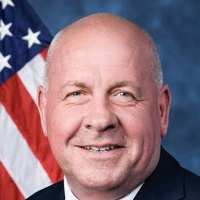
David Taylor
Representative
OH
David Taylor
Representative
OH
The Regulation Decimation Act mandates that federal agencies repeal ten existing regulations for every new rule they issue. For major rules, agencies must also ensure that the cost of the new regulation is offset by the cost savings of the repealed rules. Additionally, the bill requires agencies to conduct comprehensive reviews to identify and eliminate outdated or ineffective regulatory requirements.
The Families’ Rights and Responsibilities Act establishes the fundamental right of parents to direct the upbringing, education, and healthcare of their children, requiring the government to meet the highest standard of judicial scrutiny before interfering with those rights.
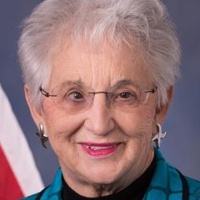
Virginia Foxx
Representative
NC
Virginia Foxx
Representative
NC
The Families’ Rights and Responsibilities Act establishes the fundamental right of parents to direct the upbringing, education, and health care of their children. It mandates that the government cannot substantially burden these rights without a compelling interest and requires the use of the "strict scrutiny" legal standard in such cases. Additionally, the bill provides parents with the legal standing to challenge government interference in court and allows for the recovery of attorney's fees if they prevail.
The Heartbeat Protection Act of 2025 prohibits physicians from performing abortions once a fetal heartbeat is detectable, subject to specific exceptions and federal penalties.
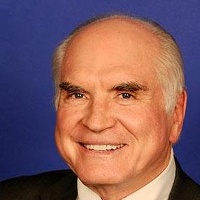
Mike Kelly
Representative
PA
Mike Kelly
Representative
PA
The Heartbeat Protection Act of 2025 prohibits physicians from performing an abortion if a fetal heartbeat is detectable, subject to specific exceptions for medical emergencies, rape, and incest. Physicians who knowingly violate this federal law face potential fines and imprisonment, though the legislation explicitly protects the mother from prosecution. The bill also mandates strict documentation and record-keeping requirements for all heartbeat determinations and exception claims.
This bill establishes a new "Schedule PolicyCareer" category within the federal excepted service to increase executive branch accountability by streamlining the classification and removal of employees in policy-influencing positions.
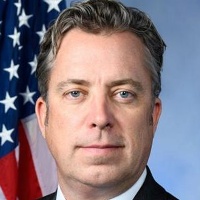
Andrew Ogles
Representative
TN
Andrew Ogles
Representative
TN
The "End the Deep State Act" aims to increase executive branch accountability by reclassifying certain federal positions involved in policy-making and confidential work into a new "Schedule PolicyCareer" category. This legislation removes standard civil service protections for these roles, allowing for greater presidential control over the federal workforce. Additionally, the bill mandates regular agency reviews to identify positions for this new classification and requires employees in these roles to faithfully implement administration policies.
This bill prohibits federal funding for Planned Parenthood and redirects those resources to other eligible health care providers to ensure continued access to essential women's health services.
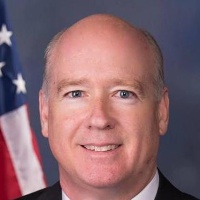
Robert Aderholt
Representative
AL
Robert Aderholt
Representative
AL
The Protect Funding for Women’s Health Care Act prohibits federal funding for the Planned Parenthood Federation of America and its affiliates. The bill ensures that these redirected funds remain available to other eligible healthcare providers to maintain access to essential services, such as cancer screenings, prenatal care, and family planning.
This bill prohibits federal funding for any institution of higher education that hosts or is affiliated with a campus-based clinic providing abortions or abortion-inducing drugs.
Chip Roy
Representative
TX
Chip Roy
Representative
TX
The Protecting Life on College Campus Act of 2025 prohibits federal funding for any institution of higher education that hosts or is affiliated with campus-based clinics providing abortions or abortion-inducing drugs. To remain eligible for federal support, institutions must submit an annual certification confirming their compliance with these restrictions.