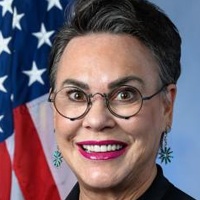
Legislative Activity
Track Harriet's sponsored bills, co-sponsored legislation, and voting record
The "Ending the Cycle of Dependency Act of 2025" modifies work requirements for SNAP benefits and establishes new work requirements for Medicaid recipients aged 19-59, with certain exemptions.
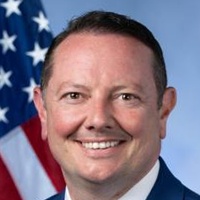
Eric Burlison
Representative
MO
Eric Burlison
Representative
MO
The "Ending the Cycle of Dependency Act of 2025" modifies work requirements for both the Food and Nutrition Act of 2008 and the Social Security Act. It raises the age limit for exemption from work requirements for SNAP benefits and mandates that certain Medicaid recipients between the ages of 19 and 59 must complete at least 80 hours of work, community service, or a work program per month to maintain eligibility. The bill outlines specific exemptions to these work requirements, including individuals with medical conditions, pregnant individuals, and caretakers of young children. States are allowed to disenroll individuals from Medicaid if they do not comply with the work requirements and federal funding is unavailable.
The DEFUND Act of 2025 terminates U.S. membership in the United Nations and affiliated organizations, prohibits funding and participation in UN activities, and revokes diplomatic immunity for UN personnel.
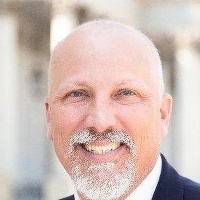
Chip Roy
Representative
TX
Chip Roy
Representative
TX
The DEFUND Act of 2025 terminates U.S. membership in the United Nations and all affiliated organizations, repeals existing acts that enable U.S. participation, and prohibits future funding or involvement in UN activities, including peacekeeping operations and conventions. It also revokes diplomatic immunity for UN personnel within the U.S. and requires the Secretary of State to notify the UN of these changes. The bill further prevents the U.S. from reentering the UN without Senate approval and a guaranteed right to withdraw.
The "Make American Flags in America Act of 2025" mandates that U.S. flags displayed on Federal property or bought by Federal agencies be made entirely in the U.S., and requires a study on country-of-origin labeling enforcement for flags.
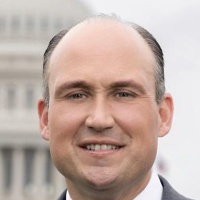
Nicholas Langworthy
Representative
NY
Nicholas Langworthy
Representative
NY
The "Make American Flags in America Act of 2025" mandates that U.S. flags displayed on Federal property or bought by Federal agencies be entirely manufactured in the U.S. using 100% U.S.-made materials, in accordance with international agreements. It also directs the Federal Trade Commission to study and report on country-of-origin labeling enforcement for U.S. flags, aiming to improve enforcement and deter violations.
The Secure Rural Schools Reauthorization Act of 2025 extends federal funding and program authorities for states and counties containing national forest land through 2026.
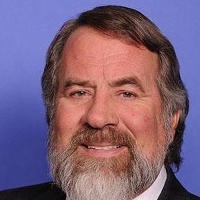
Doug LaMalfa
Representative
CA
Doug LaMalfa
Representative
CA
The Secure Rural Schools Reauthorization Act of 2025 extends critical federal funding for states and counties containing national forest land through 2026. This legislation ensures the continuation of essential community services and maintains the authority for resource advisory committees and local special projects.
The DRIVE Act of 2025 mandates that the VA increase veteran travel reimbursement rates to match the federal employee mileage rate and ensures veterans receive these payments within 90 days of submitting a complete claim.
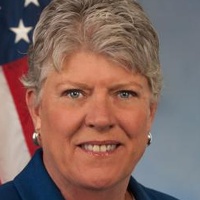
Julia Brownley
Representative
CA
Julia Brownley
Representative
CA
The DRIVE Act of 2025 ensures that the Department of Veterans Affairs (VA) travel reimbursement rate for veterans' medical appointments will never fall below the standard federal employee mileage rate. This legislation mandates that the VA must process and pay these mileage allowances within 90 days of a veteran submitting a complete request. Essentially, the bill aims to increase equity and speed in compensating veterans for necessary travel to VA healthcare.
Prohibits securities exchanges from processing transactions involving securities issued by "natural asset companies" that manage land for conservation and ecological performance.
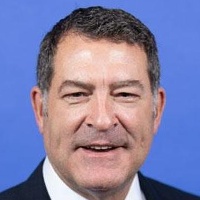
Mark Green
Representative
TN
Mark Green
Representative
TN
The "Protect America's Lands Act" prevents national securities exchanges from handling transactions of securities issued by "natural asset companies." These companies manage land for conservation and aim to enhance the value of natural assets and ecosystem services. The bill defines specific criteria for what constitutes a "natural asset company" to ensure the prohibition is appropriately applied.
This resolution expresses Congressional opposition to imposing new performance fees or royalties on local radio stations and businesses for broadcasting or playing music.
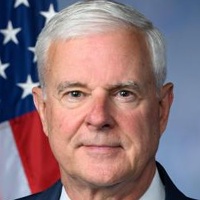
Steve Womack
Representative
AR
Steve Womack
Representative
AR
The Local Radio Freedom Act expresses Congressional opposition to imposing new performance fees, taxes, or royalties on local radio stations and businesses for playing music. It argues that the current system of free airplay provides essential promotional value to artists and that new fees would threaten the financial viability of local broadcasters and the vital community services they provide.
The bill would require certain Medicaid recipients to work, volunteer, or participate in a work program for at least 80 hours a month to maintain eligibility.
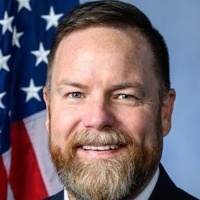
Aaron Bean
Representative
FL
Aaron Bean
Representative
FL
This bill amends the Social Security Act to require certain adults on Medicaid to complete 80 hours per month of work, community service, or a work program to maintain eligibility. Federal funding to states would be denied for those who do not meet this "community engagement requirement" for at least 3 months of the year. Certain individuals, such as those under 18 or over 65, pregnant individuals, and those with disabilities, are exempt from this requirement. States have the option to disenroll individuals if federal funding is unavailable due to non-compliance.
The Midnight Rules Relief Act allows Congress to bundle and overturn multiple federal agency regulations finalized during the final year of a presidential term through a single joint resolution of disapproval.
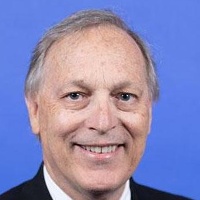
Andy Biggs
Representative
AZ
Andy Biggs
Representative
AZ
The Midnight Rules Relief Act streamlines the congressional review process by allowing lawmakers to bundle multiple federal agency rules issued during a President’s final year into a single joint resolution of disapproval. This legislation simplifies the process for overturning "midnight rules," enabling Congress to vote on several regulations simultaneously rather than individually.
Prohibits banks and credit card companies from using specific codes that identify gun and ammunition stores.
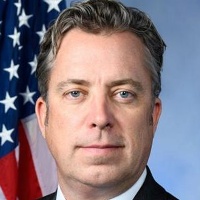
Andrew Ogles
Representative
TN
Andrew Ogles
Representative
TN
The "Protecting the Second Amendment in Financial Services Act" prevents banks and credit card companies from using specific merchant codes that would identify businesses selling firearms or ammunition. This ensures that financial institutions cannot track or discriminate against legal firearm-related transactions.
The SAFE for America Act of 2025 eliminates the diversity visa program, effective October 1, 2025.
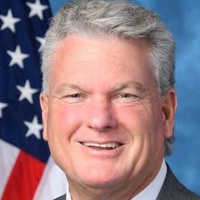
Mike Collins
Representative
GA
Mike Collins
Representative
GA
The SAFE for America Act of 2025 eliminates the Diversity Visa Program, which makes visas available to persons from countries with low rates of immigration to the United States. This is achieved through repealing subsection (c) of Section 203 of the Immigration and Nationality Act. The Act also makes corresponding technical amendments to other sections of the Immigration and Nationality Act to reflect this change. These changes would take effect beginning October 1, 2025.
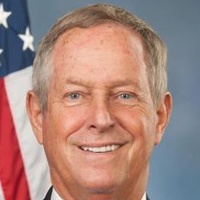
The "National Right-to-Work Act" prohibits mandatory union membership as a condition of employment, protecting employees' rights to choose whether or not to join or support a labor union.
Joe Wilson
Representative
SC
Joe Wilson
Representative
SC
The "National Right-to-Work Act" amends both the National Labor Relations Act and the Railway Labor Act to protect an employee's right to choose whether or not to join or support a labor union. It eliminates the possibility of mandatory union membership or dues payments as a condition of employment, ensuring that employees cannot be forced to join or support a union against their will.
This bill directs the Forest Service to expand the use of strategic livestock grazing on federal lands as a tool to reduce wildfire risks and manage invasive fuels.
Doug LaMalfa
Representative
CA
Doug LaMalfa
Representative
CA
The Grazing for Wildfire Risk Reduction Act directs the Forest Service to expand the use of livestock grazing as a strategic tool to mitigate wildfire hazards. By streamlining environmental reviews and increasing the use of targeted grazing, the bill aims to reduce hazardous fuels and invasive grasses across federal lands. This initiative also provides greater flexibility for permit holders to manage livestock during natural disasters and post-fire recovery efforts.
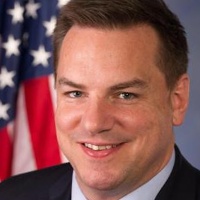
The "Protect Medicaid Act" prohibits federal Medicaid funding for state administrative costs related to providing health benefits to unauthorized immigrants and requires a report on state practices and funding mechanisms for healthcare provided to non-lawfully admitted noncitizens.
Richard Hudson
Representative
NC
Richard Hudson
Representative
NC
The "Protect Medicaid Act" prohibits federal Medicaid funding for state administrative costs associated with providing healthcare benefits to unauthorized immigrants. It requires a report from the Inspector General of the Department of Health and Human Services on how states that offer health benefits to non-lawfully admitted noncitizens handle Medicaid program administration costs separately. The report will also cover how these states fund programs for non-lawfully admitted noncitizens and analyze the impact of these non-lawfully admitted noncitizens receiving outpatient drugs purchased under the Medicaid Drug Rebate Program or the 340B drug discount program.
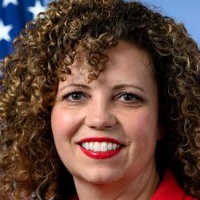
The WEST Act of 2025 nullifies a Bureau of Land Management rule concerning conservation and landscape health.
Celeste Maloy
Representative
UT
Celeste Maloy
Representative
UT
The WEST Act of 2025 nullifies the Bureau of Land Management's Conservation and Landscape Health rule. This prevents the rule from being implemented.
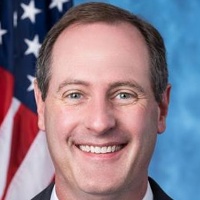
This bill transfers the functions, assets, and responsibilities of the Food for Peace Act from the U.S. Agency for International Development to the Department of Agriculture.
Tracey Mann
Representative
KS
Tracey Mann
Representative
KS
This bill transfers the functions, assets, and responsibilities for implementing the Food for Peace Act from the U.S. Agency for International Development (USAID) to the Department of Agriculture (USDA). The Secretary of Agriculture will now administer the program, though the Famine Early Warning Systems Network will remain under USDA control. This change allows the USDA to quickly update necessary rules to ensure a smooth transition of the program.
The Federal Lands and Waters Leasing Transparency Act aims to increase transparency in oil and gas leasing by requiring reports on rejected bids, limiting court-ordered delays for onshore leases, and protecting offshore leases from legal challenges.
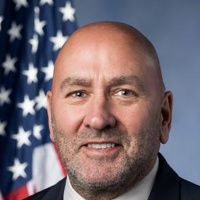
Clay Higgins
Representative
LA
Clay Higgins
Representative
LA
The Federal Lands and Waters Leasing Transparency Act aims to increase transparency in oil and gas leasing on federal lands and waters. It requires the Secretary of Interior to provide detailed reports to bidders on offshore oil and gas leases when their bids are rejected and protects existing leases from legal challenges. Additionally, the Act sets a 60-day deadline for the Secretary of Interior to issue onshore oil and gas leases, regardless of court orders, unless issuing the lease would violate federal law. Finally, the Act ensures that court findings of noncompliance in offshore lease sales do not invalidate existing leases or delay related development plans and permit applications.
Exempts family farms and small businesses from asset considerations in need analysis for federal student aid.
Tracey Mann
Representative
KS
Tracey Mann
Representative
KS
The "Family Farm and Small Business Exemption Act" amends the Higher Education Act of 1965 to exclude the net value of a family farm (on which the family resides) or a small business (with no more than 100 employees and owned/controlled by the family) from consideration as an asset when determining financial need for federal student aid. This change aims to make higher education more accessible for students from family farm and small business backgrounds.
Repeals a mandate requiring kill switches in cars.
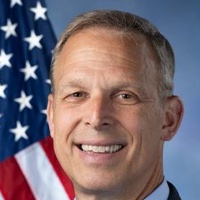
Scott Perry
Representative
PA
Scott Perry
Representative
PA
The "No Kill Switches in Cars Act" repeals a section of the Infrastructure Investment and Jobs Act. The repealed section required the Department of Transportation to create a rule mandating that all new cars have advanced drunk and impaired driving prevention technology. This bill prohibits the government from requiring car manufacturers to install kill switches in vehicles.
The "Freedom to Invest in Tomorrow's Workforce Act" expands the use of 529 savings accounts to cover expenses related to postsecondary credentialing programs, including tuition, fees, books, supplies, equipment, and testing fees.
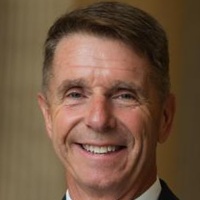
Robert Wittman
Representative
VA
Robert Wittman
Representative
VA
The "Freedom to Invest in Tomorrow's Workforce Act" amends Section 529 savings accounts to include expenses related to postsecondary credentialing programs. This allows 529 funds to cover costs like tuition, fees, books, supplies, and testing fees for recognized programs and credentials, as defined by the bill. These changes would apply to distributions made after the bill is enacted.